Your fence keeps losing charge after a storm, yet you’re still hunting for a corner insulator that won’t quit on you. All right, you’ll need a UV‑resistant, high‑visibility option if you want easy spot‑checks, but you also want something that stays put under heavy tension. Here’s the thing: pick the one that matches your wire type, budget, and mounting style, and you’ll finally stop guessing and start fencing with confidence.
| Pangda 50pcs Circular Ring Corner Fence Insulators (Yellow) | 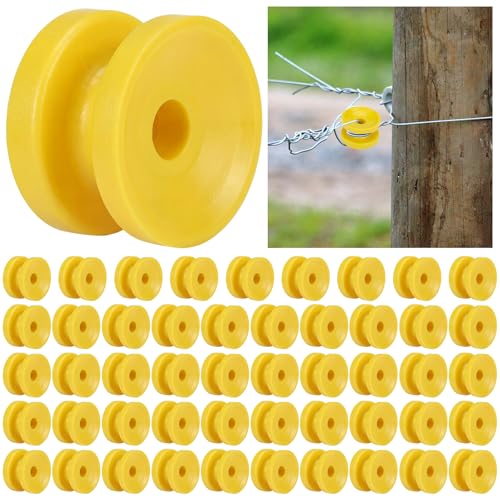 | Best Overall | Material: Plastic (impact‑resistant) | Color: Yellow | Wire Compatibility (Diameter): Up to 0.43 in (1.1 cm) hole | VIEW LATEST PRICE | Read Our Analysis |
| Donut Corner Electric Fence Insulators (Yellow 20) |  | Budget-Friendly Pick | Material: Impact‑resistant plastic | Color: Yellow | Wire Compatibility (Diameter): Up to ½ in diameter | VIEW LATEST PRICE | Read Our Analysis |
| 40 Pcs Black Electric Fence Corner Post insulators for Poly Wire |  | Heavy-Duty Choice | Material: Strong plastic | Color: Black | Wire Compatibility (Diameter): Up to ½ in (poly, steel, aluminum, high‑tensile) | VIEW LATEST PRICE | Read Our Analysis |
| QMARK 20-Pack Electric Fence Insulators (Black) |  | Professional Grade | Material: Non‑conductive plastic | Color: Black | Wire Compatibility (Diameter): Up to ½ in diameter | VIEW LATEST PRICE | Read Our Analysis |
| 12pcs Wood Post Corner Bracket with Insulator | Easy-Install Option | Material: Plastic (with steel components) | Color: Black | Wire Compatibility (Diameter): High‑tensile corner/end‑post fences (various sizes) | VIEW LATEST PRICE | Read Our Analysis |
More Details on Our Top Picks
Pangda 50pcs Circular Ring Corner Fence Insulators (Yellow)
All right, if you’re battling warped corners and constant wire breakage on your farm fence, these yellow ring insulators are the answer you’ve been hunting for. You’ve seen cheap plastic snap when the sun beats down, and you know a sturdy insulator can keep the charge humming. This Pangda set offers 50 donut‑shaped pieces, each 1.6 in. across, with a 0.43 in. hole that slides wire snugly, so you won’t waste time re‑tensioning after a storm.
Now, you’ll love the bright yellow – it flags the corner, so you spot a loose spot before a break happens. The plastic resists UV, warping, and cracking, meaning you won’t replace them every season. They work with steel, poly‑rope, and tape, so you can mix and match without buying separate parts.
Here’s the thing: if you run a large perimeter, the 50‑piece box saves trips to the store, but the weight—1.61 lb—means you’ll need a sturdy tote. If you only have a few corners, you might end up with leftovers, but extra spares never hurt. Install by threading wire through the hole, pulling both ends tight, and tying to the post; it’s quick, no tools required.
Obviously, you’ll see fewer hot spots and less maintenance. This set fits any electric fence style, so you won’t need to rethink your whole system. Choose it if you want durability, easy installation, and a splash of color that says “I mean business.”
- Material:Plastic (impact‑resistant)
- Color:Yellow
- Wire Compatibility (Diameter):Up to 0.43 in (1.1 cm) hole
- UV/Weather Resistance:UV‑protected, weather‑resistant
- Installation Method:Insert wire into central hole, tie to post
- Package Quantity:50 pieces
- Additional Feature:Sleek donut design
- Additional Feature:High‑strength wire tension
- Additional Feature:Lightweight 1.61 lb package
Donut Corner Electric Fence Insulators (Yellow 20)
You’ve probably wrestled with corner posts that keep short the fence wire, and you need a reliable fix without breaking the bank. Donut Corner Electric Fence Insulators (Yellow, 20) fit any wire up to half‑inch, so you won’t have to buy separate parts for poly rope or standard wire. The central hole lets you thread the wire straight through, while the outer groove offers a low‑profile route if you prefer a cleaner look.
All right, the impact‑resistant plastic survives UV exposure and harsh weather, meaning you won’t replace them every season. The 10 mm nail hole simplifies mounting on any post, and the bright yellow makes spotting damaged spots a breeze.
Now, this one’s for you if you value versatility over ultra‑light weight—each piece weighs 11.3 oz, so you’ll carry a few extra grams, but you gain durability. Voefig’s reputation backs the design, and the package dimensions (5.79 × 3.62 in) fit neatly in a toolbox.
Obviously, you’ll appreciate the low cost of a 20‑piece set; it’s enough for a medium‑size fence without overstocking. If you’re okay with a plastic insulator rather than a metal one, you’ll find this solution solid and hassle‑free.
Here’s the thing: pick these if you want a UV‑protected, easy‑to‑install insulator that works with any wire type and won’t break the bank. You’ll get a reliable corner fix that keeps the charge strong, and you’ll feel confident about your purchase.
- Material:Impact‑resistant plastic
- Color:Yellow
- Wire Compatibility (Diameter):Up to ½ in diameter
- UV/Weather Resistance:UV‑protected, weather‑resistant
- Installation Method:Wire through hole or outer groove; nail hole for mounting
- Package Quantity:20 pieces
- Additional Feature:Central hole or outer groove routing
- Additional Feature:10 mm nail‑hole mounting
- Additional Feature:Impact‑resistant plastic
40 Pcs Black Electric Fence Corner Post insulators for Poly Wire
If you’re wrestling with fence‑line tension and need something that won’t crack under load, these 40 black corner post insulators are a heavy‑duty choice. You’ll appreciate the UV‑protected polymer that laughs at sun and rain, keeping the charge strong for months. The middle hole, 60 × 30 mm, slides onto steel, aluminum, or high‑tensile wire without stripping, and the sturdy clip snaps onto any post in seconds.
All right, now think about installation speed. You can bolt or zip these onto a post, then thread the wire through the hole; the design spreads pull evenly, so you avoid the dreaded “crack‑under‑load” failure. If you run a mixed‑wire system, these insulators handle poly, steel, and aluminum alike, but they’re a bit bulkier than low‑profile models, so tight‑spacing corners might need a little extra clearance.
Here’s the thing: you’ll get 40 pieces in a compact 10.83 × 7.91 × 3.35 in. box weighing 1.46 lb, which fits nicely in a truck or a toolbox. The price per unit drops dramatically compared to buying singles, and the versatility means you won’t need a different insulator for each wire type. Obviously, if you only fence with one wire and have minimal tension, a cheaper, lighter option could work, but for most farms and ranches, this set removes guesswork.
Now you know exactly why these black corner post insulators suit you if you demand durability, UV resistance, and multi‑wire compatibility. Go ahead and add them to your cart; the decision feels smart, simple, and safe.
- Material:Strong plastic
- Color:Black
- Wire Compatibility (Diameter):Up to ½ in (poly, steel, aluminum, high‑tensile)
- UV/Weather Resistance:UV‑protected, weather‑resistant
- Installation Method:Easy attachment to post or wire via central hole
- Package Quantity:40 pieces
- Additional Feature:Large 60 × 30 mm hole
- Additional Feature:Versatile for steel & aluminum wire
- Additional Feature:Compact 1.46 lb box
QMARK 20-Pack Electric Fence Insulators (Black)
You’re tired of short‑circuited corners that fry your fence and waste time. QMARK’s 20‑pack black corner insulators solve that frustration. They’re impact‑resistant, weather‑proof plastic, so you won’t see cracks after a storm.
All right, the screw‑in design lets you pop them onto any wood post in seconds, no tools beyond a screwdriver. They grip wire, poly‑wire, or poly‑rope up to half an inch, keeping the current off the post and preventing shorts.
Now, each unit weighs 12.3 ounces, and the whole box measures 5.87 × 4.57 × 3.43 inches, fitting neatly in your truck. If you need a reliable, non‑conductive corner fix for a medium‑size fence, this pack is for you.
Here’s the thing: they’re not for metal posts or ultra‑thin strands, but for standard wood setups they work flawlessly. You’ll feel confident installing them yourself, and the package of twenty means you won’t run out mid‑project.
Obviously, you’ll save time and avoid costly re‑wiring. Choose QMARK if you want a hassle‑free, durable solution that keeps your fence humming strong.
- Material:Non‑conductive plastic
- Color:Black
- Wire Compatibility (Diameter):Up to ½ in diameter
- UV/Weather Resistance:Weather‑resistant plastic
- Installation Method:Screw‑in design for wood posts
- Package Quantity:20 pieces
- Additional Feature:Screw‑in wood post design
- Additional Feature:Non‑conductive plastic construction
- Additional Feature:Part number In‑RoB
12pcs Wood Post Corner Bracket with Insulator
High‑tensile corner posts scream for a sturdy, weather‑proof insulator, and the 12‑piece wood post bracket delivers just that. You’ve wrestled with flimsy connectors that rust or crack, and you know a solid corner keeps the charge alive. This set of black plastic‑steel brackets fits any high‑tensile wood post, and the rotatable bobbin lets you align the wire without twisting.
All right, installation is a breeze. You just screw each bracket into the post—no special tools, just the strong steel screws that stay firm under tension. The insulator resists sun, rain, and UV, so you won’t be replacing it every season.
Now, consider the trade‑offs. If you have steel posts, the plastic insulator won’t grip as well, so this is for you if you stick to wood. The pack of twelve covers a typical fence corner layout, and the lightweight 1.37‑lb box won’t weigh you down. Obviously, you’ll appreciate the durability and the fact you can install it yourself in minutes. Choose this if you want reliable, weather‑proof corners without fuss.
- Material:Plastic (with steel components)
- Color:Black
- Wire Compatibility (Diameter):High‑tensile corner/end‑post fences (various sizes)
- UV/Weather Resistance:Sunproof, rainproof, weatherproof
- Installation Method:Screw‑in bracket with rotatable bobbin
- Package Quantity:12 pieces
- Additional Feature:Rotatable bobbin
- Additional Feature:Hybrid plastic‑steel build
- Additional Feature:Sunproof, rainproof, weatherproof
Factors to Consider When Choosing a Corner Insulator for Electric Fence
You’re probably worried that the wrong corner insulator will rust, crack, or mess up your fence’s voltage, and that’s a valid concern. Here’s the thing: pick a material that matches your post—PVC, wood, or metal—so the insulator’s strength and UV‑weather durability line up, and choose a design that snaps on without tools if you want a quick install. Obviously, if you need a heavy‑duty, high‑tension setup, go for a steel‑reinforced model; otherwise, a UV‑stable polymer will keep things simple and cheap.
Material Ins Compatibility
Material choices can feel like a maze, especially when you’re juggling durability, safety, and cost. You need a non‑conductive plastic that keeps the wire from shorting to the post, otherwise the fence loses its punch. Obviously, UV‑resistant resin stops sun‑induced brittleness, so the charge stays strong season after season.
All right, pick something impact‑resistant so the tension at a corner doesn’t crack the insulator; you’ll thank yourself when a stray animal or wind doesn’t ruin the line. Weatherproof blends that shrug off rain and temperature swings give you peace of mind, but they can be a bit pricier.
Now, match the material’s strength to your post’s load. If you have a high‑tension layout, go for the heavy‑duty polymer; if your fence is low‑tension, a lighter, cheaper option works fine. This one’s for you if you want a long‑lasting, low‑maintenance corner that won’t melt under the sun.
Here’s the thing: you’ve got the facts, you know the trade‑offs, and you can pick the right plastic without second‑guessing. Go ahead and choose the one that fits your fence’s stress profile, and you’ll keep the charge strong without hassle.
UVWeather Durability Resistance
Sun‑bleached corners can turn your insulator into a brittle, cracked mess, and you’ll see the fence lose its punch. You’ve probably noticed the charge dropping after a summer of relentless sun, and that’s UV resistance at work. When the plastic stays tough, it won’t crumble under UV rays, so the fence stays strong.
All right, weathering resistance matters just as much. You’ll face temperature swings, rain, and humidity, and a good insulator keeps its shape and insulating properties. Look for impact‑resistant construction if you tension a lot of wire tension or occasional knocks; it prevents cracks and warping.
Now, the trade‑off: premium UV‑stable plastics cost more, but they extend lifespan and cut maintenance. If you live in a mild climate, a basic model may suffice; if you’re in a harsh, sunny region, invest in the tougher option. Choose the one that matches your environment, and you’ll keep the charge solid without second‑guessing.
Material Type and Strength
Ever wonder why some corner insulators snap after a single winter storm while others keep humming for years? You’ve probably felt that frustration when a cheap plastic cracks and the fence loses power. The material you pick decides if you’ll chase that problem forever or enjoy a set‑and‑forget system.
All right, choose non‑conductive plastic. It blocks shorts and keeps the charge where it belongs. Impact‑resistant blends survive wire tension and stray blows, so you won’t hear that dreaded “snap” after a storm. UV‑protected formulas fight sun‑induced brittleness, while weather‑resistant polymers hold shape in rain, snow, and temperature swings. Obviously, high‑quality composition means fewer breakages and less warping over years of use.
Now, if you live in a sunny, windy plain, go for a UV‑treated, impact‑rated model—this one’s for you if you need extra durability. In milder climates, a standard weather‑resistant plastic still works fine and saves a few dollars. Either way, you’ll know exactly why your fence stays strong, and you can pick confidently without second‑guessing.
Installation Method Simplicity
You’ve probably wrestled with a stubborn post that won’t take a screw without stripping, and you know a bad install can ruin the whole fence. All right, a simple screw‑in insulator lets you grab a screwdriver and go—no special gear, just a tight turn and you’re set. Now, if you prefer hammer‑fast, some models have a pre‑formed nail hole, so you tap them in quickly, but you’ll need a steady hand to avoid bending the post.
Here’s the thing: designs that require you to thread the wire through a hole and tie it to the post give you rock‑solid security, yet they add a step that can frustrate a rushed setup. A rotatable bobbin can save you time by handling wire tension automatically, but it’s bulkier and may not fit cramped corners. If you like flexibility, choose an insulator with a central hole or outer groove; you can route the wire either way, though you’ll have to manage the extra slack yourself. Obviously, each method has trade‑offs, so pick the one that matches your tools and patience level. This one’s for you if you want speed without compromising grip. Go with the style that feels natural, and you’ll have a corner that stays charged and hassle‑free.
Post Material Compatibility
When you’re staring at a wooden post and a metal T‑post, the first thing you’ll notice is that the mounting method changes with the material.
All right, wood lets you screw the insulator straight in—no extra drilling, which is perfect if you want a quick, permanent fix. This one’s for you if you have a composite post because the central nail hole works with driven fasteners, letting you use the same hardware for both wood and composite.
Now, metal T‑posts need a clamp or a bracket; most screw‑in designs won’t stick, so you’ll have to pick a model that wraps around the post or attaches to a separate mounting plate. The groove‑and‑tie style ignores material entirely, letting the wire hold it in place on wood, plastic, or metal.
Obviously, the post material dictates whether you go screw‑in, nail‑on, or strap‑on. Choose the system that matches your post, and you’ll avoid a loose insulator that sags or snaps. This one’s for you if you hate re‑drilling and want a solid, low‑maintenance corner.
Here’s the thing: pick the mounting style that fits your post, and the rest of the fence will stay strong without extra fuss.
Wire Size Accommodation
All right, you’ve probably stared at the spec sheet and wondered why some insulators boast a 10 mm hole while others flaunt 40 mm—because the central opening must be larger than the wire bundle you plan to run. You need to match that opening to your wire thickness, whether you’re using thin poly‑rope or a chunky high‑tensile strand. If you pick a 10 mm hole for a 1/2‑inch poly tape, the tape will jam and the charge will leak.
Now, look at the outer groove on many models. That groove lets you slip a thicker material, up to a half‑inch, without forcing the wire through the central hole. It’s perfect for poly rope or tape that you want to keep flat and secure. Just remember, a deeper groove adds bulk, which can be a problem at tight corners.
Here’s the thing: high‑tension points demand an insulator that won’t warp under pull. Choose one with a middle opening up to 60 mm by 30 mm if you run multiple wires or a heavy steel strand. Obviously, larger openings mean a bigger profile, which can snag on vegetation. If you prefer a low‑profile look, stick with a 30 mm opening and limit yourself to single‑wire runs.
Finally, consider material compatibility. Steel and aluminum wires need a sturdier insulator than polyethylene because they’re rigid and transmit more force. A robust plastic body with reinforced ribs will hold the wire without cracking. If you’re using a mix of wire types, pick a versatile model that accommodates both thin and thick sections. This way you avoid buying several different insulators and keep your fence consistent.
Pick the size that fits your wire bundle, and you’ll keep the charge strong without second‑guessing your choice.
Weatherproofing and Longevity
Sun‑bleached plastic cracks faster than you think, so you’ll notice voltage loss and fence gaps if the insulator can’t shrug off UV and rain. You’ve probably seen cheap corners melt in summer heat, then wonder why the charge sputters. The thing is, UV‑protected, impact‑resistant plastic keeps the barrier solid for years, even when the sun beats down nonstop.
All right, look for explicit weather‑proof labels—rainproof, sunproof, snow‑ready. Those claims mean the material won’t warp or become brittle, so you avoid shorts and keep the fence sealed. Obviously, non‑conductive, robust plastics give you both electrical safety and structural integrity, which matters when wind blows the fence around.
Now, if you live in a desert with scorching days and freezing nights, choose a model that stresses long‑term use; it will survive temperature swings without cracking. If you’re on a budget and only need a few months of protection, a basic UV‑coated piece might suffice, but expect earlier wear.
Here’s the thing: pick the one that matches your climate and how hard you hit the fence. When the material lives up to its weather‑proof promise, you’ll spend less time troubleshooting and more time enjoying a reliable charge. Your decision becomes simple—choose durability, and the fence stays strong.
Cost‑Effectiveness and Value
You’ve already seen how cheap, sun‑bleached corners crack and cause voltage loss, so you’re probably wondering why some insulators cost more but seem to last forever. The thing is, you should compare price per unit in a bulk pack, not the sticker price. A larger quantity often drops the per‑insulator cost dramatically, and you’ll avoid the hassle of ordering more later.
All right, think about material. UV‑stable plastics or reinforced metal keep you from swapping out cracked pieces every season, which saves both time and money. If the design tolerates high tension, you won’t lose a corner wire when a storm pulls hard, protecting the whole fence line.
Now, consider flexibility. An insulator that fits both 12‑gauge and 14‑gauge wire means you won’t need separate stock for each fence type, cutting inventory headaches. Matching the pack size to your post count eliminates waste and extra shipping fees.
Obviously, the best value aligns with your specific project size and wire choice. If you have a long perimeter with many corners, buy the larger, weather‑proof set; if you only need a few, a smaller, versatile box works fine. Choose the option that fits your fence, your budget, and your patience level—then you’ll feel confident moving forward.