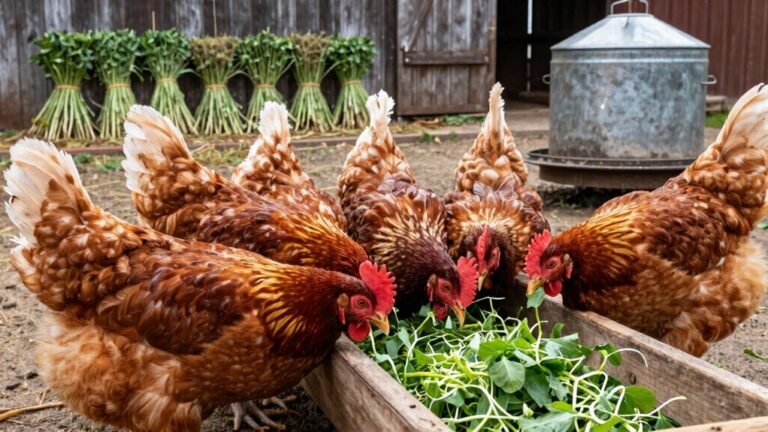
Yeah, you’ve probably wondered this — maybe mid-breakfast with eggs on your plate — and now you can’t un-think it. Here’s the thing: chickens do use the same opening, called the cloaca, for both. But nature’s smarter than you’d expect. During laying, the vaginal tissue actually inverts and seals off the intestinal tract completely, so the egg never touches waste. Keep scrolling and you’ll see exactly how that whole system works.
Do Chickens Poop and Lay Eggs From the Same Hole?
Yes, chickens poop and lay eggs from the same hole — and if that just made you side-eye your breakfast, hang on, because the biology here is actually pretty fascinating. Here’s the thing: that shared opening is called the cloaca, and it’s honestly a smarter design than it sounds. When a hen lays, her vaginal tissue literally everts, blocking the intestinal opening entirely. The egg never touches waste. Now, egg fertility and shell porosity are separate conversations, but cleanliness at exit? That’s handled automatically. You’re not eating something that slid through sewage. Obviously the nest environment can introduce contamination afterward, but that’s external. The system itself? It’s a biological fail-safe. Once you understand that, the whole thing stops being gross and starts being genuinely impressive.
The Cloaca: The One Chamber That Does Everything
If you’ve ever cracked open an egg and thought “wait, that came from the same place as… everything else?” — the cloaca is the answer to that question, and it’s weirder and more impressive than you’re probably expecting.
Here’s the thing: cloacal anatomy in chickens is basically nature’s multitool. One chamber handles digestive waste, urinary waste, and egg passage. All of it. No separate exits — just one incredibly efficient junction.
Now, reproductive physiology saves the egg from contamination. The vagina literally flips inside out during laying, keeping the egg completely isolated from feces. That’s not gross — that’s genius.
Obviously, chickens don’t have a bladder either, so uric acid exits alongside poop as that familiar white coating. The large intestine connects to the front part of the cloaca, feeding digestive waste directly into the shared chamber.
One chamber. Three systems. Zero corners cut.
The Egg-Laying Process in Chickens, Step by Step
It starts at the ovary, tucked high near the spine, looking like a cluster of grapes at varying stages of ripeness. Multiple yolks develop simultaneously, and when one’s ready, it drops into the infundibulum — your 15-30 minute fertilization window.
Now, here’s the egg formation timeline you actually need: the magnum wraps albumen around the yolk over three hours, the isthmus adds protective membranes in one to two hours, and the shell gland — basically the uterus — spends 18-20 hours hardening calcium carbonate into that familiar shell.
Shell pigmentation happens here too, which explains why breed determines color.
All right, so the whole process takes roughly 24-26 hours. Your hen’s basically running a small manufacturing operation daily. Just before the egg exits, a protective bloom is added to the shell’s surface. Pretty impressive, honestly.
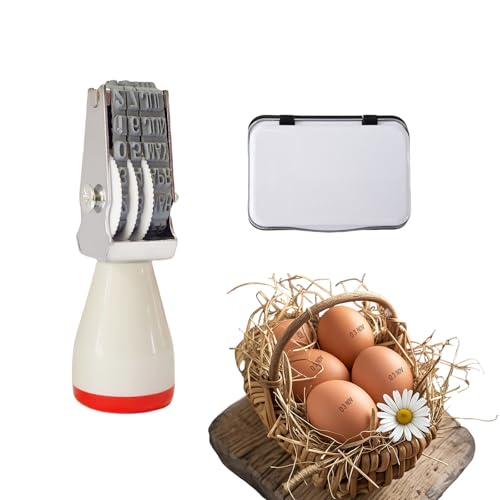
VERSATILE STAMPING: Date stamp kit designed specifically for marking eggs from chickens, ducks, turkeys, and geese with month and day information. No years, long-term use.
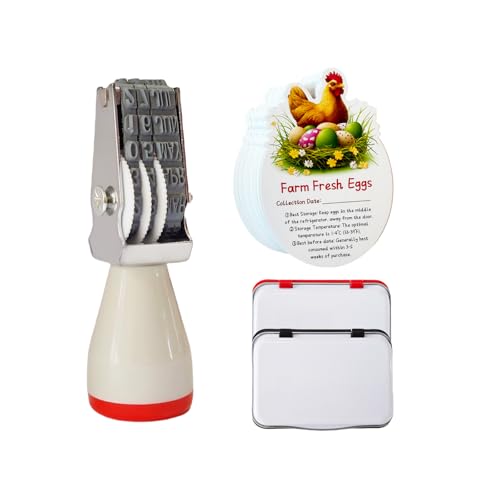
Versatile Kit: This egg dater kit includes a 4mm rubber egg stamp, 2 fade-resistant ink pads (red and black), and 50 instructional cards for proper egg handling.

How the Cloaca Keeps Chicken Eggs Separate From Waste
So here’s the thing most people wonder when they first start keeping chickens — if eggs and poop share the same exit, why aren’t eggs constantly covered in waste? You’re not wrong to ask that.
Here’s what actually happens. When your hen lays, her vagina literally flips inside out, creating a sealed barrier inside the cloaca. That cloacal pressure temporarily squeezes the intestine completely shut, blocking waste from touching the egg. Pretty clever design, honestly.
Now, this separation protects egg-shell integrity during the entire exit process. The egg never contacts the poop zone.
Obviously, some residue still happens occasionally — you’re dealing with biology, not a factory. But the system works remarkably well, and once you understand it, keeping chickens feels a lot less gross.
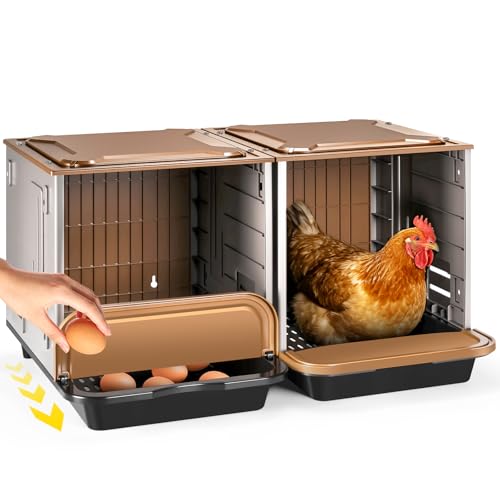
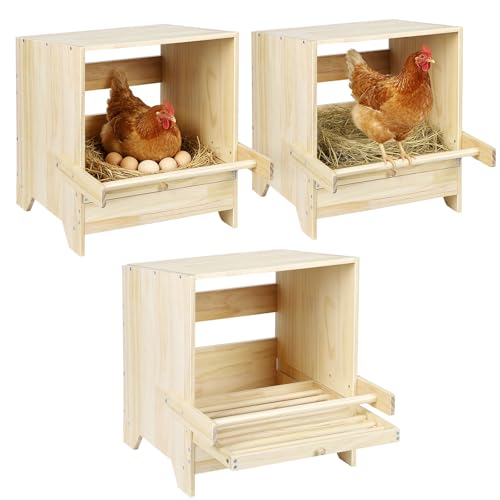
Multi-Functional Nesting Box: This nesting box features a perching area, protective barriers, and a convenient egg collection design.Prevents eggs from rolling out and breaking, ensuring safe and worry-free egg handling.

Nesting Pads for Laying Hens: Made from sustainably harvested aspen excelsior, these nesting pads give your laying hens a soft, comfortable place to nest and lay their eggs
Why Chicken Eggs Come Out Clean
When your hen finally lays, the egg arrives wearing its own invisible armor — a clear, wet coating called the bloom that seals every tiny pore in the shell against bacteria, viruses, and fungi the moment it hits open air. Here’s the thing: bloom protection is doing serious heavy lifting you never see. It’s fundamentally nature’s shrink-wrap, and it works surprisingly well. Now, hatchability impact matters too — intact bloom keeps developing embryos viable longer. Obviously, a dirty egg complicates everything, because washing strips that coating completely. Once it’s gone, bacteria find those pores fast. Keep your nesting boxes clean, your hens’ feet mud-free, and you’ll collect eggs that basically protect themselves. Clean eggs mean you never have to choose between washing and protection. After washing, eggs must be refrigerated immediately to prevent bacteria from entering through the now-exposed pores.
Can Chicken Eggs Get Contaminated During Laying?
Before that egg even hits the nesting box, contamination may already be waiting inside it — and that’s the part most backyard chicken keepers never think about. Here’s the thing: vertical transmission happens when bacteria infect a hen’s ovaries or oviduct, depositing pathogens directly inside the egg before the shell even forms. Your hen looks totally fine, acts totally fine, and still lays a compromised egg.
Now, even if the egg starts clean internally, it faces another threat post-laying. As the egg cools from your hen’s 107°F body temperature to ambient air, it contracts — creating negative pressure that literally pulls bacteria through shell pores. No cracks needed. Contamination sneaks in quietly, invisibly, and often unavoidably. Understanding this makes proper egg handling less optional and more obviously essential.

Clean most surfaces of our eggersmann cabinetry and countertops and appliances

BULK EGG COOKER DESCALER TABLETS:Tired of your egg cooker getting limescale and grime after just a few uses and becoming a dirty corner in your kitchen?Hard boiled egg cooker descaler tablets set effectively removes hard water buildup, calcium deposits, limescale and dirt, keeping your egg cooker clean and hygienic and restoring the kitchen to a spotless and clean state. Featuring premium effervescent descaling tablets, easy to use,and then wipe lightly with the included scrub pad to restore your egg cooker a like-new look.

Easy Solution for Egg Cleaning - Easily wipe dirt and grime from the egg before storing in the refrigerator
Do Backyard Chicken Eggs Need Washing Before You Eat Them?
That egg you just pulled from the nesting box looks clean — maybe even perfect — and now you’re standing there wondering if you need to rinse it before it goes anywhere near your kitchen.
Here’s the thing: you don’t always have to. Egg washing only becomes necessary when there’s visible dirt or feces on the shell. Otherwise, skip it. That fresh egg carries a natural bloom — a protective membrane sealing out bacteria and locking in freshness.
Your hygiene checks should start simple. Wipe small debris with a dry cloth or sandpaper. If you must wash, use warm water right before cooking — never cold, never soaking.
Keep it unwashed, store it properly, and that egg stays fresher longer. Cold water draws bacteria inward by creating a vacuum that pulls contaminants through the shell. Easy call.


Vibrant Easter Egg Design: Adorn your table with a burst of festive cheer! Our easter egg tablecloth features a joyful, all-over print of colorful Easter eggs, instantly transforming your dining space into a vibrant celebration centerpiece perfect for easter brunch, dinner, or easter parties

10 Pack of Egg Scrubbing Pads