If you’re checking the nest box daily and finding nothing, you’re not alone — most bantam hens won’t lay until they’re 5 to 6 months old. But your breed matters a lot here. Rhode Island Red bantams can surprise you as early as 14 weeks, while Buff Brahmas won’t bother until month seven or later. Light, protein, and stress all factor in too. Stick around, because there’s plenty more worth knowing before your first egg shows up.
When Do Bantam Chickens Start Laying Eggs?
If you’ve been staring at your bantam flock every morning wondering when that first egg is finally going to show up, you’re not alone — and the wait is genuinely longer than most first-timers expect. Most bantams start laying between five and six months old, but here’s the thing — some breeds push that to eight months. Your egg-laying timing depends heavily on breed, season, and yes, diet influence matters more than people admit. Cochins, for example, routinely hit 25 weeks before delivering anything. Dutch bantams, though? Nearly five months and done. All right, so what does this mean for you? Pick your breed intentionally, dial in nutrition early, and stop second-guessing the timeline — your girls are right on schedule. Adequate daylight availability is also essential for consistent laying, so make sure your flock has enough light exposure throughout the day.

MEDICATED CHICK STARTER FEED: This complete chicken feed is made with added Amprolium to aid in the prevention of coccidiosis, and contains 18% protein for weight gain, our chicken food is essential for your young birds.

ESSENTIAL POULTRY GRIT FOR CHICKENS & GAMEFOWL: Premium grit for chickens made from natural granite grit for chickens, essential for grinding whole grains and improving digestive health for poultry; a must-have to include in your chicken coop accessories

✔️ PROVIDES ESSENTIAL VITAMINS & MINERALS: Good source of bioavailable Vitamin A, Vitamin B, Vitamin D, & Vitamin E for chickens.
How Does Breed Affect Your Bantam’s Laying Timeline?
Breed is probably the single biggest variable standing between you and a carton of fresh bantam eggs — and if you picked the wrong one without knowing it, that sting is real. Here’s the thing: genetics determine almost everything, from egg size to when your pullet decides she’s ready. Rhode Island Red bantams and Cinnamon Queens start laying around 14–16 weeks. Buff Brahmas? You’re waiting seven months minimum. Now, exhibition breeds consistently run later than production breeds — that’s just how their genetics are wired. Your first eggs will also be small until her cycle stabilizes. All right, so if you want eggs fast, lean production breeds. If you’re patient, almost any bantam eventually delivers. Choose based on your timeline, not the prettiest bird at the feed store.

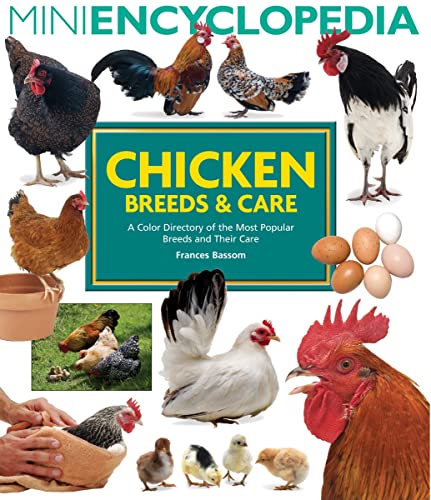
Used Book in Good Condition

Assorted colors
What Bantam Eggs Actually Look Like at First
That first egg sitting in the nest box might genuinely catch you off guard — it’s smaller than you expected, and if you’ve only ever cracked standard eggs, your brain does a little double-take.
Here’s the thing: you’re looking at roughly half the size of a standard egg. Now, the egg shell texture is smooth and petite — nothing fragile, just miniature. Shell colors vary wildly too, from cream to blue to green depending on your breed.
What’ll really surprise you is the yolk-to-white ratio. That yolk looks enormous relative to everything surrounding it, and that yolk shell ratio actually means richer flavor from day one.
These aren’t practice eggs. They’re fully reliable, genuinely delicious, and ready to eat immediately. You’ve got nothing to second-guess here. Bantam varieties like white-crested black Polish and porcelain Belgium bearded bantams each bring their own distinct look to that nest box, right down to breed-specific differences in feathering and size you’ll notice even as chicks.
Why Bantam Hens Stop Laying: or Never Start
Sometimes your bantam girl just… stops. Or maybe she never really started, and you’re standing there wondering what you did wrong. Here’s the thing — you probably didn’t do anything wrong.
Light stress is a big one. Bantams need 15-16 hours of light daily. Winter hits, days shrink, and suddenly production vanishes. Now, diet matters just as much. Low protein, poor calcium, or dehydration shuts things down fast.
Add in molt, stress from predators, flock drama, or a pushy rooster, and your hen’s body basically says, “Not today.”
Obviously, bantams also brood frequently, which halts laying entirely for weeks.
Identify the real culprit first — usually it’s light, diet, or stress — and you’ll have her back on track faster than you’d expect.
What Time of Day Do Bantam Hens Lay?
If you’ve ever wandered out to the coop at dawn expecting a fresh egg and found nothing, only to check again at noon and find three — welcome to the beautifully confusing world of bantam laying schedules. Here’s the thing: your bantam’s egg cycle runs about 26 hours, not 24. So her hormonal rhythm shifts later every single day until she skips one entirely, then resets. Your light schedule and light timing matter enormously here. More daylight nudges earlier lays. Now, feeding timing and nest preference also influence when she settles in. Most bantams lay midmorning through early afternoon. Expect afternoon lays as the week progresses. All right — once you understand her pattern, checking the coop feels less like a guessing game and more like clockwork. In winter months, adding artificial lights to the coop helps maintain consistent laying schedules and prevents production from stalling entirely.

🐓【3-Color Dimmable Lighting & 4 Brightness Options】 This solar-powered chicken coop light offers three adjustable lighting modes—Daylight White + Warm White, Daylight White, and Warm White—plus four brightness levels to create a a soothing, glare-free environment for your flock. this lamp provides calm and comfortable illumination that supports your poultry’s natural rhythms—no harsh lighting, just happy chickens.

【Three-color dimmable light & four brightness levels】Solar-powered chicken coop lamp has three different lighting modes:White light+Warm white light,White light,Warm white light;Meanwhile, four different brightness levels create a soft and calming environment for poultry without harsh glare.

ENCOURAGES YOUR FLOCK TO ROOST SAFELY – The Omlet Chicken Coop Light gently illuminates your hen house from within as daylight fades, guiding your poultry flock inside before the door closes for the night. A calm, warm glow helps reduce stress and encourages natural roosting behavior.
How Many Eggs Do Bantam Hens Lay Each Week?
Here’s the thing — how many eggs you actually get each week depends almost entirely on which bantam breed is scratching around your yard. During peak months, you’re looking at 5-6 eggs weekly from a solid layer. Now, winteral variation hits hard — many bantams slow down dramatically when temperatures drop, so don’t expect that same output year-round. Nutrition impact matters more than most people realize, too. Poor feeding equals fewer eggs, full stop. Obviously, broody periods will temporarily derail your weekly count regardless of breed. Miniature bantam breeds outperform true bantams consistently, so if steady production matters to you, choose accordingly. Pick the right breed, feed them well, and 5-6 weekly eggs during peak season is completely realistic for you.

SIMPLY MIX WITH WATER: Convenient powder formula that dissolves easily for quick hydration support.

All-in-1 Chicken Treats for Laying Hens: This chicken snack is a mix of corn, oats, sunflower seeds, oyster shells and wheat. A supplemental layer feed for chickens, it packs 5% calcium, 16.15% protein, and omega-6's to support health and egg production

Optimal Health and Egg Production - Enriched with 16% protein from organic grains, this feed provides a balanced and complete diet for laying chickens and ducks, promoting growth and nutritious, supports strong eggshells