
Yes, your chickens can absolutely have worms right now without showing a single obvious sign. They pick them up through contaminated droppings, dirty bedding, muddy runs, and even earthworms they forage on. Watch for pale combs, weight loss, watery droppings, and gasping — that last one’s gapeworms, and it’s serious. Natural options like pumpkin seeds, garlic water, and herbal blends like WormStop can genuinely help. Stick around, because there’s a lot more worth knowing here.
How Do Chickens Get Worms?
Worms in your flock don’t just show up out of nowhere — they’re almost always the result of something completely ordinary happening in your coop or yard. Your chickens peck constantly, and that’s exactly how worm eggs enter the picture. Contaminated droppings, dirty bedding, shared waterers, muddy runs — it all creates a perfect highway for egg migration from one bird to another.
Here’s the thing: understanding the worm lifecycle matters because eggs can survive in soil and litter far longer than you’d expect. Wild birds, rodents, slugs, and earthworms all carry larvae straight into your flock’s daily foraging zone. You’re not doing anything wrong — your chickens are just being chickens. That’s what makes this problem so frustratingly common.

Premium Quality Chicken Treats: Specially formulated, high-quality chicken snacks for laying hens, ensuring only the best for your pet chickens
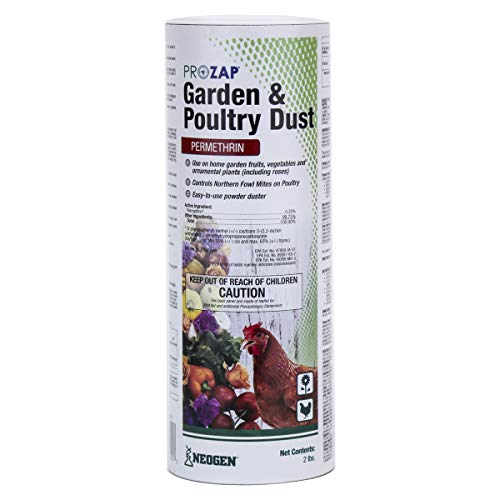
Permethrin dust for use on poultry, garden plants and vegetables
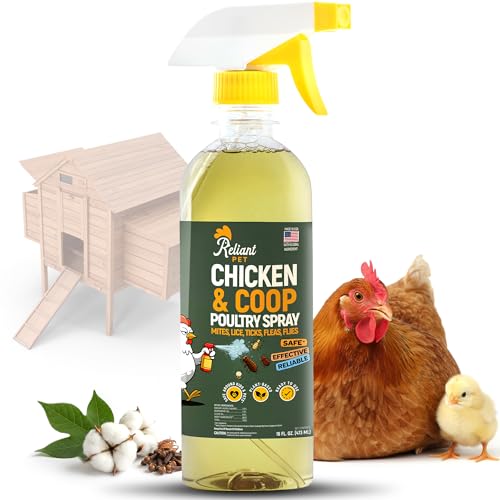
SAFE & EFFECTIVE: Our plant-based chicken mite spray delivers powerful punch without the harsh chemicals found in traditional poultry sprays. Safe to use around your entire flock when used as directed, this gentle formula is tough on mites, lice, fleas, and flies - making it the smarter, safer choice for backyard chicken keepers, small farms, and homesteaders who want real results without the risks
What Are the Signs Your Chickens Have Worms?
Knowing how your chickens pick up worms is one thing — actually catching the problem before it spirals is something else entirely. Here’s the thing: early worm detection is everything for flock health. Your birds will tell you something’s wrong — you just need to know what to look for.
Watch for pale combs, unexpected weight loss, watery droppings, or dirty vent feathers. Now, if you’re seeing actual worms in their feces, you’re already past early stages. Respiratory symptoms — gasping, head shaking, constant yawning — point specifically to gapeworms. Swollen, irritated eyes? Eye worms. Decreased egg production with pale yolks means parasites are literally stealing nutrients your hens need.
Obviously, spotting these signs early makes treatment dramatically easier. Don’t wait for things to get worse.
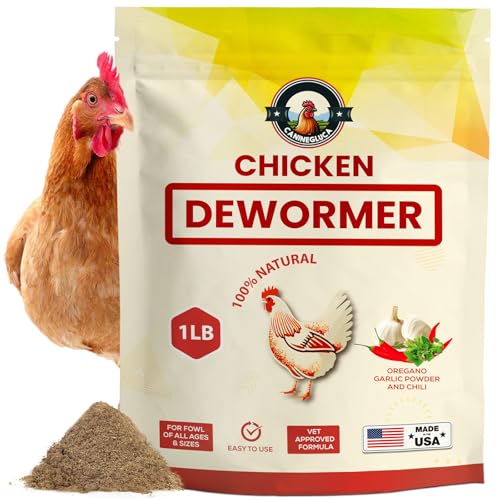
All-Natural Health Formula: CanineGluca Chicken Dewormer Powder utilizes a 100% natural formula to promote digestive health and protect your poultry against internal parasites, harnessing the power of nature to keep your flock healthy from the inside out..

All-Natural Health Formula: CanineGluca Chicken Dewormer offers a 100% natural solution to combat internal parasites, harnessing the power of nature to keep your flock healthy from the inside out
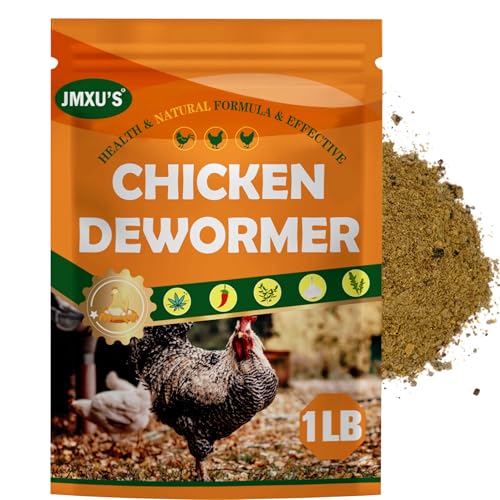
NATURAL FORMULA: Our chicken dewormer powder only use the high quality, natural ingredients contains garlic, chili, artemisia annua, stemona root, oregano. Your hens deserve the best
The Best Natural Dewormers for Chickens
If you’ve ever watched a chicken slowly fade — dull feathers, drooping comb, eggs tapering off — and suspected worms but didn’t want to reach straight for a chemical dewormer, you’re not alone. Here’s the thing: natural options actually exist, and some work pretty well when you stay consistent.
WormStop’s herbal blend combines thyme, garlic, pumpkin seed, wormwood, and black walnut hull into one formula. Obviously, no egg withdrawal matters enormously when you’re keeping backyard hens. Dosage timing is straightforward — daily for seven days monthly — and one bag covers roughly four months for eight hens.
Now, garlic through water, ACV three-day cycles, and ground pumpkin seed round out your toolkit nicely. These aren’t magic, but paired together, they’re genuinely solid preventive maintenance you can start this week. Apple cider vinegar, mixed at 1 tsp per quart of water, has also been shown to help prevent coccidiosis while keeping waterers cleaner and supporting immune function through beneficial bacteria.

The original Chicken De-wormer Chili Mix: A natural blend of ingredients your girls and their eggs will love.

Natural Chicken Dewormer Support – This herbal chicken wormer for laying hens, chicks, and roostys is a chicken dewormer chili mix that offers gentle, year-round support for your flock. A natural poultry dewormer for chickens that backyard poultry keepers trust.

NATURAL CHICKEN DEWORMER FOR LAYING HENS - A daily herbal top-pick powder for your flock's digestive tract. Food-grade diatomaceous earth, yucca and targeted botanicals make an all natural dewormer for chickens that supports a clean gut.
Herbal and Environmental Treatments Worth Trying
Nature’s already loaded your medicine cabinet — you just haven’t raided it yet. You’re probably frustrated watching your flock struggle while chemical dewormers feel like overkill. Here’s the thing — wormwood, garlic, thyme, oregano, and pumpkin seeds each bring real antiparasitic muscle to the table.
Now, soil herbal contamination cycles are exactly why environmental measures matter alongside herbs. You’ll want fresh sawdust, food-grade diatomaceous earth, and ground rotation working together.
Seasonal dosing keeps this manageable — monthly garlic-ACV water treatments plus an anti-worm mash combining pumpkin seeds, kefir, and chopped wormwood gives you a genuine system, not guesswork.
All right — if you’re already researching this, you’re ready. Pick one protocol, commit for 90 days, and watch your flock tell you everything you need to know.

【Natural Chili Mix for Chickens】Made for backyard chicken keepers, this chicken de-wormer powder chili mix is a simple poultry supplement that can be added to daily feed for flock care support.

Herbal Chicken Dewormer for Flock Condition —When chickens show reduced appetite, low vitality, or a decline in egg production, this herbal dewormer powder offers a natural option for backyard flock care. Easy to mix with regular feed and designed to fit into a consistent flock care routine.

Simple Daily Routine: Easily sprinkles over regular feed for convenient, daily use as part of your flock’s care routine
How to Prevent Worms in Your Chickens for Good
Herbs and environmental tweaks buy you time, but prevention is where you actually win this thing. You’re probably tired of playing catch-up, and honestly, that frustration makes complete sense. Here’s the thing — wormareness rotation is your single biggest weapon. Move your birds regularly, mow the old ground, and let sunlight do the killing. Obviously, stationary setups breed problems faster.
Now, bedding hygiene matters just as much. Keep it dry, change it often, and use absorbent materials like straw or pine shavings. Moisture is basically a worm resort — don’t build one.
Quarantine new birds, control rodents, block wild bird access, and deworm twice yearly in spring and autumn. Do those things consistently, and you’re not reacting anymore. You’re just winning.


4X ABSORBENCY – Old Dominion Hemp bedding absorbs up to 4x its weight, keeping your chicken coops, small animal enclosures, and keep reptile habitats fresh. Ideal for a low-maintenance and fresh-smelling environment.

Natural Straw: Natural straw, sun-dried and free from chemicals. This Garden Straw won’t sprout during use, making it perfect for Excellent Animal Bedding. Directly sourced from farmers, it offers your pets a natural, safe environment while also being ideal for gardening. Use it with confidence
When Natural Remedies Aren’t Enough
Sometimes you do everything right — the garlic, the apple cider vinegar, the diatomaceous earth — and your chickens still look rough. That’s frustrating, and you’re not failing. Some worm loads just outpace natural methods.
Here’s the thing: when you’re seeing more worms in droppings, ongoing weight loss, or a flock that keeps declining, it’s time to think about chemical dewormers. Options like Piperazine (Wazine) target roundworms directly, while Hygromycin-B covers a broader range.
Now, wormer resistance is real — don’t rotate just brand names. True resistance management means alternating between different chemical groups entirely. Otherwise, you’re accidentally building parasites that laugh at everything you throw at them.
Obviously, follow egg withdrawal periods. But acting now protects your flock before things get genuinely serious. For heavily infected hens, isolating them from the main flock before administering treatment helps prevent spread to others.
When Should You Call a Vet?
Chemical dewormers can carry you a long way, but there’s a point where even the right product, dosed correctly, isn’t enough — and that’s when you need a vet in your corner.
Here’s the thing — some emergency signs demand professional eyes fast. Gasping, bloody diarrhea, prolapsed vent, neurological symptoms — you can’t YouTube your way through those. If multiple birds are going down simultaneously, that’s a flock-wide crisis, not a DIY moment.
Now, vet cost is real. Fecal flotation testing runs $18–$73, which honestly isn’t bad when you’re flying blind on worm species. Without knowing what you’re treating, you’re just guessing.
Worsening symptoms after home treatment? Call within 24 hours. Pale combs, weight loss, visible worms in droppings — your birds are telling you something. Listen.