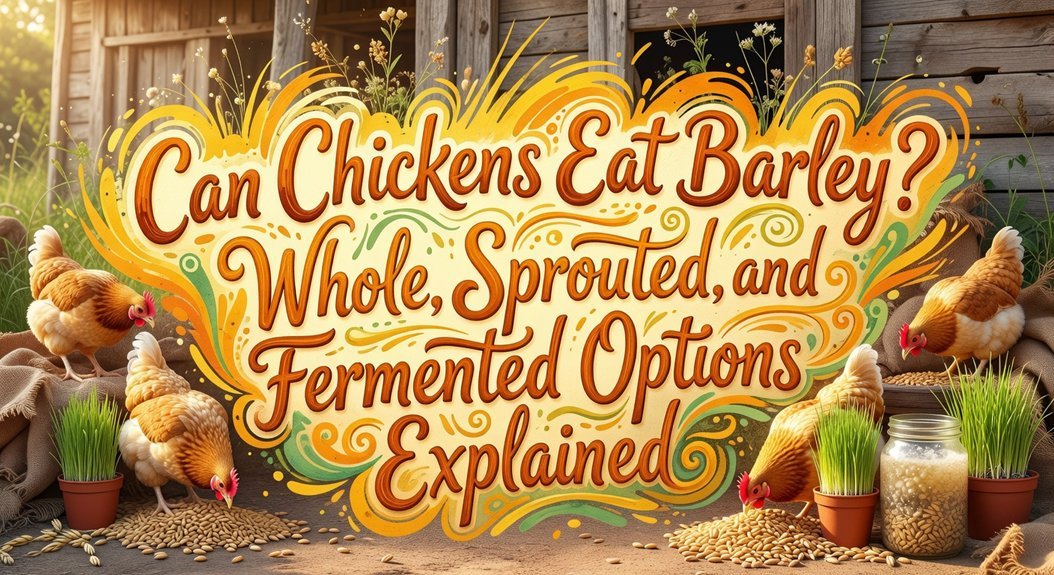
If you’re staring at a bag of barley wondering whether your chickens will thank you or punish you with sticky droppings, you’re not alone. Yes, chickens can eat barley — but the form matters enormously. Dry whole barley works at under 20% of their diet. Sprouted barley hits 80% digestibility and deepens yolk color. Fermented sprouted barley stretches your feed budget furthest. Stick around, because the details ahead could seriously change how you feed your flock.
Can Chickens Eat Barley?
Barley’s one of those grains that sounds like a solid chicken feed option — cheap, widely available, and honestly pretty tempting if you’re trying to cut costs. Here’s the thing, though — your chickens *can* eat barley, but it’s complicated. Barley genetics directly influence how much beta-glucan ends up in the grain, which affects digestion and causes those annoyingly sticky droppings you’ve probably read about. Now, nutrient timing matters too — barley’s lower in protein than wheat and harder for poultry to digest than corn, thanks to NSPs blocking carbohydrate absorption. Obviously, that doesn’t make it useless. Used smartly, at controlled amounts, it’s a legitimate feed option. You just need to go in with eyes open. A 50-lb bag of barley seeds runs around $26 and can last months, making it one of the more cost-effective feed supplements you can add to your flock’s routine.
Beyond Chickens: Which Poultry Birds Can Eat Barley?
If you’ve been wondering whether barley’s usefulness stops at chickens, the short answer is no — but the details matter depending on which bird you’re raising. Turkeys handle whole barley at 20% inclusion without missing a beat. Now, here’s the thing about Geese nutrition — hull-less barley works better than hulled, though it still trails corn in available energy. For ducks, beta-glucans create digestion friction you’ll want to manage carefully. Quail feed situations are similar — barley’s low use mirrors the same NSP limitations seen across poultry. Guinea fowl struggle with high beta-glucan content too, so you’re watching efficiency drop. All right, the pattern’s clear: barley works across species, but inclusion rates and variety selection determine whether you win or waste money. Chickens introduced to barley fodder and sprouts have shown enthusiastic feeding behavior, gathering around immediately and emptying feeders within hours of first exposure.
Dry, Moistened, or Sprouted: Which Barley Form Works Best?
When you’re staring at a bag of barley wondering whether to toss it in dry, soak it overnight, or go full homesteader and sprout the whole batch, the decision actually matters more than you’d think. Here’s the thing — dry barley works fine under 20% of the diet, but fiber and phytic acid cap its value fast.
Now, moistened barley improves digestibility immediately, giving you better nutrient timing without the wait. Barley storage stays simple too — soak only what you need.
Sprouted barley, though? That’s where it gets genuinely impressive. One pound yields seven pounds of fodder, digestibility jumps to 80%, and yolk color deepens noticeably.
All right — if you want maximum return from your feed budget, sprouting’s your obvious move.
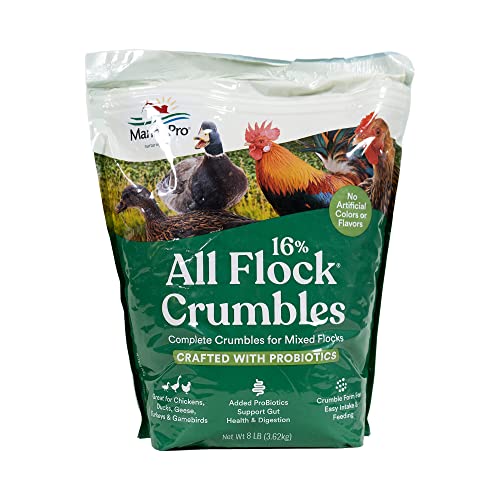
COMPLETE ALL FLOCK FEED FOR MIXED BACKYARD FLOCKS: Versatile poultry feed & all flock feed designed to support chickens, ducks, turkeys, geese, & more; a balanced bird food that simplifies feeding a diverse species in your backyard or homestead

Grow a Gourmet Green Feast of fresh greens for your backyard chickens!

Premium Feed-Grade Barley: High-quality barley seed ideal for livestock, poultry, horses, goats, sheep, pigs, and small animals. Provides consistent nutrition and dependable energy in every feeding.
How Sprouting Barley Dramatically Boosts Its Nutritional Value
Sprouting that barley bag sitting in your feed room is probably the single highest-leverage move you can make without spending another dollar on premium feed. Here’s the thing — dry barley locks nutrients behind anti-nutritional factors your hens simply can’t crack. Sprouting triggers enzyme activation that dismantles those barriers, boosting mineral bioavailability for phosphorus and calcium your hens actually absorbs. You’re not just adding feed volume, either. You’re pulling 3 to 4 times more usable nutrients from the same seed. Now, six days in, 20 pounds becomes 120 pounds of fresh feed. Obviously that math matters to your wallet. Your hens get darker yolks, stronger shells, and better protein access. That’s not marketing — that’s biology working in your favor.
The three-day sprouting mark is the sweet spot for chickens, delivering roots and green shoots between half an inch and one inch that hens show a strong, consistent preference for. Taking that afternoon batch one step further and fermenting sprouted barley for a single day amplifies digestibility even beyond what sprouting alone achieves.

Sproutable Whole Grain - Sprouting whole grains provides fresh greens for your flock year round and releases the grains Vitamin A, Vitamin B Complex, Vitamin C, Vitamin E, essential minerals, and carbohydrates, as well as a boost in protein.
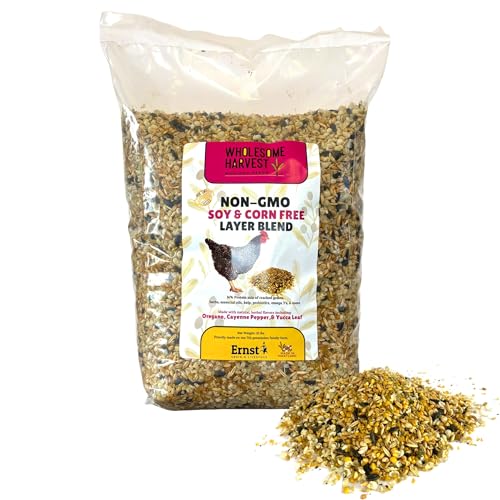
LAYER BLEND: Our Non-GMO layer mash is a complete feed fortified with minerals and additional calcium, ensuring quality eggshells. This blend of grains includes probiotic for digestive health and higher omega 3 levels from linseed (flax) oil. Ideal for supporting your flock's overall health and egg-laying productivity.
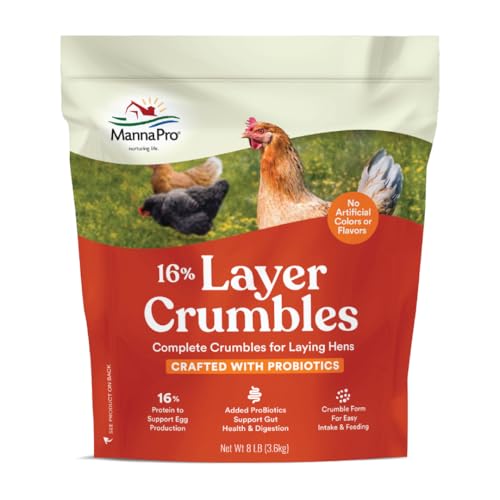
COMPLETE CHICKEN FEED FOR LAYING HENS: Manna Pro Chicken Feed delivers complete nutrition designed for laying hens, supporting strong egg production, healthy feathers, and overall wellness; balanced formula helps maintain optimal health in backyard flocks
How Fermented and Sprouted Barley Work Together to Cut Feed Costs
Feed costs are bleeding your budget every single month, and if you’ve been eyeing that barley sack while dreading the next pellet delivery invoice, you’re already halfway to the solution. Here’s the thing — a 25kg barley sack runs about £6.10 and lasts two weeks. Combine sprouting with fermentation and that mass multiplies six times, meaning you’re stretching every pound dramatically further. Your yearly pellet spend drops below £350, fermented grain adds roughly £150, and you’re pocketing £200 back. Now, for cost optimization, the math genuinely works — but only if you’re consistent. Labor savings are real when you batch-ferment in metal bins and pre-sprout in cycles. Obviously, this suits backyard flocks better than commercial operations. You’re not gambling here — you’re just being smarter with what you’re already buying. Fermentation raises crude protein availability by approximately 3%, meaning every barley kernel you process is delivering more nutritional return per penny spent.

USDA Organic. GMO Free. Low-Glycemic. Whole Grain.

100% Non‑GMO & All‑Natural – Unprocessed whole barley kernels, free from GMOs, additives, and preservatives for clean, natural nutrition.
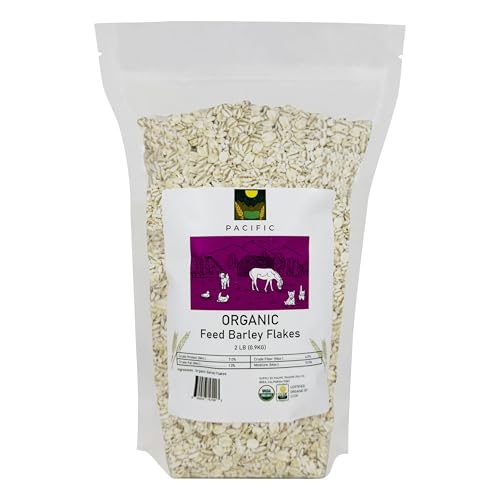
Organic Feed Barley Flakes: Indulge your pets in the nourishing goodness of PACIFIC Organic Feed Barley Flakes. Carefully sourced from premium barley crops, our barley flakes offer a delectable and nutritious option for your furry friends. Curated with precision and dedication, these barley flakes embody our unwavering commitment to quality and sustainability.
How Much Sprouted Barley Should Chickens Eat Daily?
If you’ve been tossing sprouted barley into the run and wondering whether you’re overfeeding or underwhelming your flock, you’re not alone — and the answer’s more nuanced than most people admit. Here’s the thing: eggling timing matters. Egg production dips show up most between days 21-42, so front-loading too much too soon compounds the problem.
Now, research shows 15g daily causes minimal disruption, while 45g nudges decline toward 5.1%. The sweet spot? Keep sprouted barley as a supplement — around 2-3% of body weight — not a feed replacement.
The nutrient density is genuinely impressive, but obviously it works best alongside quality feed. You’ll get the cost savings without sacrificing production. That balance isn’t complicated — it just requires consistency from you.
How to Sprout Barley for Chickens at Home
Getting sprouted barley into your flock’s diet sounds great in theory — until you’re staring at a bag of grain wondering whether you’ve just bought the wrong kind, whether you need expensive equipment, or whether the whole thing’s going to turn into a moldy mess by Tuesday.
Here’s the thing: you need unhulled barley specifically. Hulled versions won’t sprout at all.
Soak it 8–12 hours, then spread it thinly across DIY trays — dollar store bins with drainage holes drilled in work perfectly. Keep the layer under half an inch; thick piles guarantee mold.
Rinse twice daily, drain completely, and skip the fancy grow lights — indirect light timing handles itself naturally. By day six, you’ve got harvestable green fodder.
Once mature, cut the barley and root mat into small pieces — the result has a sweet, natural scent that chickens find appealing without any added sugar needed.
Simple, cheap, done.

ORGANIC SEEDS: Certified Organic Whole Barley seed for growing barley grass. High germination, fast growing Barley seeds. Grow Barley grass in 8-10 days.
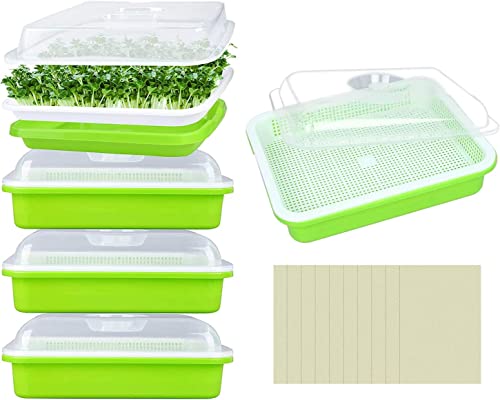
Microgreens Growing Trays: You will receive 5 pcs seed starter tray, comes with 10 planting papers, the size is 12.7 * 10.23 * 4.95 inch, fit for your daily use, help your fruits, veggies and flowers grow better, no need soil, only water you can taste fresh vegetables at home

✅ APPLICATIONS: Perfect for hot cereal, or combined with a variety of other foods, especially vegetables; It is used in soups and stews, and in barley bread of various cultures; Soaking or sprouting the barley can improve absorption of nutrients; Barley has been used as a source of fermentable material for certain distilled beverages, and as a component of various health foods
Barley vs. Commercial Feed: The Real Cost Difference
The sticker price on a bag of barley looks like an obvious win — $12.99 for 50 pounds versus up to $19.29 for premium commercial layer pellets — but the math gets more interesting once you dig into what you’re actually buying per pound of usable nutrition.
Here’s the thing: barley’s cost drops further when you factor in its 84% TDN efficiency, delivering energy at roughly $0.085 per pound. Commercial feed costs more per nutrient density unit. Now, barley can’t fly solo — you’ll need protein supplements and micronutrients to balance the diet, which adds real cost back in.
If you’re already sourcing supplements, barley’s your budget winner. If you want simplicity, pellets honestly make more sense for you.
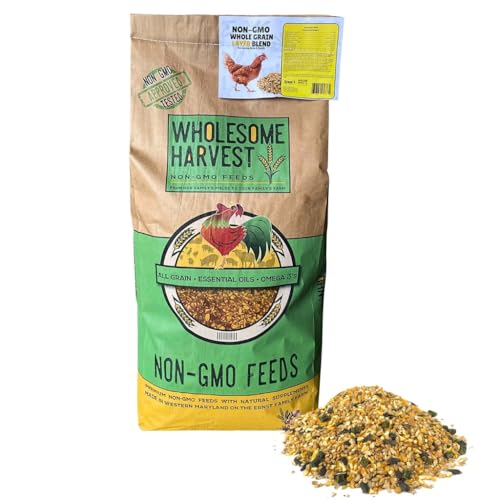
LAYER BLEND: Our Non-GMO layer mash is a complete feed fortified with minerals and additional calcium, ensuring quality eggshells. This blend of cracked grains includes probiotic for digestive health and higher omega 3 levels from linseed (flax) oil. Ideal for supporting your flock's overall health and egg-laying productivity.
Nourish to Flourish – Our Scratch + Corn is an excellent treat and boredom buster during cold weather seasons.
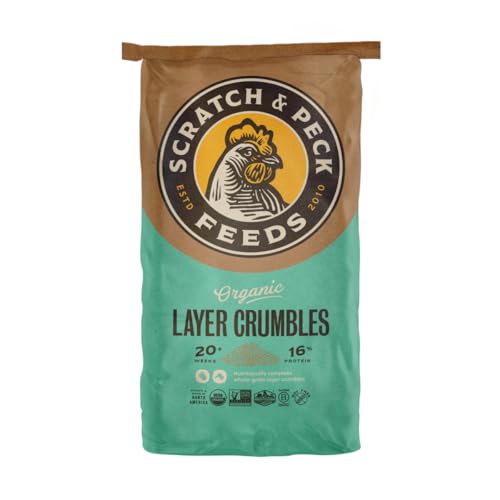
Boosts Egg Production - Packed with 16% protein from organic grains, this feed is a great way to lavish your laying ladies and fully support their overall health and happiness, ensuring a thriving flock.