Like a cracked egg, uneven feed can leave your flock scrambling; you’re probably tired of weak shells and dull yolks. Here’s the thing: a kelp‑mineral blend plugs calcium gaps, Omega‑3 with marigold lifts yolk hue, probiotics keep guts happy, high‑protein powders bulk up growth, and palatability boosters keep birds eating fast. Pick the one that matches your flock’s stage—laying hens crave shell strength, while growers need protein—then you’ll see the difference without guessing.
| Fresh Eggs Daily Kelp Supplement for Chickens (7lb) | Egg‑Boosting Power | Primary Nutrient Focus: Calcium & trace minerals (kelp) | Formulation Type: Granules (seaweed flavor) | Species Applicability: Chickens, ducks, geese | VIEW LATEST PRICE | Read Our Analysis | |
| Manna Pro Omega Egg Maker – 5 lb Poultry Supplement |  | Omega‑Rich Formula | Primary Nutrient Focus: Omega‑3 fatty acids & calcium | Formulation Type: Powder/supplement blend | Species Applicability: Laying hens (poultry) | VIEW LATEST PRICE | Read Our Analysis |
| Chicken Probiotics & Vitamins Supplement – 1.5 lb | 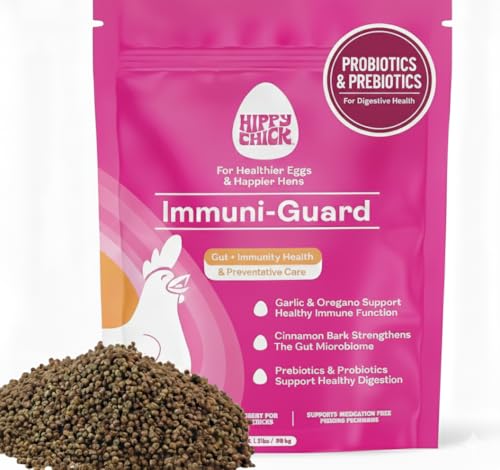 | Immune‑Support Blend | Primary Nutrient Focus: Probiotics, vitamins & herbal extracts | Formulation Type: Powder/treated snack | Species Applicability: Chickens (all ages) | VIEW LATEST PRICE | Read Our Analysis |
| Manna Pro Calf-Manna High-Protein Livestock Supplement (10 lb) |  | Multi‑Species Protein | Primary Nutrient Focus: High‑protein amino acids (multi‑species) | Formulation Type: Pellets | Species Applicability: Cattle, goats, swine, poultry, rabbits, horses, deer | VIEW LATEST PRICE | Read Our Analysis |
| Manna Pro Gamebird & Showbird Crumbles – 5 lb Bag | 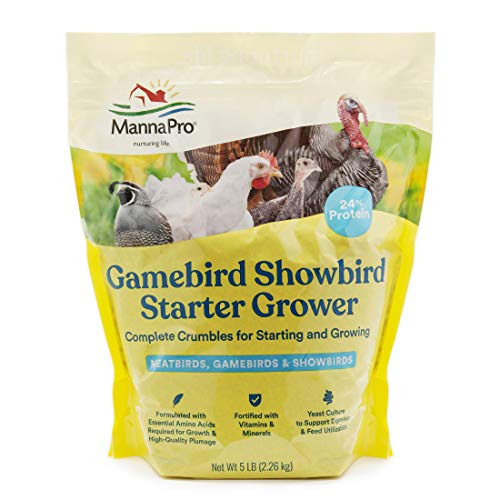 | Show‑Bird Strength | Primary Nutrient Focus: High‑protein (24 %) | Formulation Type: Crumbles | Species Applicability: Chickens, ducks, turkeys, gamebirds, bantams | VIEW LATEST PRICE | Read Our Analysis |
More Details on Our Top Picks
Fresh Eggs Daily Kelp Supplement for Chickens (7lb)
All right, if you’re tired of pale yolks and fragile shells, this kelp supplement packs egg‑boosting power in every scoop. You’ll love the granular, seaweed‑flavored mix—7 lb of pure, digestible calcium, iron, magnesium, vitamin K, zinc, and trace minerals. Obviously, the natural iodine surge fuels stronger shells, while the orange‑rich yolk pigment comes from the abundant macro‑nutrients.
Now, you add half a scoop to a cup of feed each day, and your flock—chicks, ducks, geese—gets gut‑friendly microbes and better nutrient absorption. This one’s for you if you want consistent, high‑quality eggs without juggling multiple powders.
Here’s the thing: it works best with a balanced diet; it won’t fix a protein‑deficient feed. If you’re already feeding a solid starter, this supplement just fine.. results, and easy, gain, of a superfood you can trust.
Choose it if you want richer yolks, thicker shells, and a healthier flock, and you’ll feel confident that you’ve covered the essentials without extra hassle.
- Primary Nutrient Focus:Calcium & trace minerals (kelp)
- Formulation Type:Granules (seaweed flavor)
- Species Applicability:Chickens, ducks, geese
- Health Benefit Emphasis:Egg quality & shell strength
- Usage Rate (per feed):½ scoop per cup feed
- Packaging Weight:7 lb (112 oz)
- Additional Feature:Seaweed flavor granules
- Additional Feature:Natural iodine source
- Additional Feature:Orange yolk enhancer
Manna Pro Omega Egg Maker – 5 lb Poultry Supplement
You’re frustrated with inconsistent lay rates and pale yolks, and you know you need a supplement that actually delivers. Manna Pro Omega Egg Maker tackles that head‑on. It packs Omega‑3s from flaxseed, calcium, and a full vitamin‑mineral suite, so your hens get the nutrients they crave for stronger shells and richer yolks.
All right, now think about gut health. Direct‑fed microbials improve digestion and feed conversion, meaning you get more eggs per pound of feed while immunity stays solid.
Here’s the thing: if you run a small backyard flock, the 5‑lb bag fits neatly on a shelf and won’t break the bank; larger commercial ops may prefer bulk.
Obviously, the marigold extract boosts yolk color naturally, so you’ll see golden eggs without artificial dyes.
This one’s for you if you want a proven, heritage‑backed formula that blends omega‑3s, calcium, and gut boosters in one scoop.
Now, decide—add this to your feed and watch consistency climb, or keep guessing with less reliable options.
- Primary Nutrient Focus:Omega‑3 fatty acids & calcium
- Formulation Type:Powder/supplement blend
- Species Applicability:Laying hens (poultry)
- Health Benefit Emphasis:Egg yolk color & shell strength
- Usage Rate (per feed):Recommended per feed guidelines (not specified)
- Packaging Weight:5 lb
- Additional Feature:Flaxseed‑rich Omega‑3
- Additional Feature:Marigold yolk pigment
- Additional Feature:Direct‑fed microbials
Chicken Probiotics & Vitamins Supplement – 1.5 lb
You’ve noticed your flock’s energy dip and occasional loose droppings, a sign your gut and immunity need a boost. This supplement blends oregano oil, garlic, and cinnamon bark oil to support respiratory health while the probiotic‑prebiotic mix steadies digestion. You’ll see fewer upset stools and a calmer gut environment within weeks.
Now, the vitamins and essential nutrients keep layers laying, growers growing, and chicks thriving. If you’re battling lethargy or feather loss, the added vitamins help restore crucial energy. The snack‑like texture means every bird eats it willingly, so you won’t waste product.
All right, Hippy Chick’s 1.5 lb pouch is a daily, easy‑to‑use treat that doubles as a functional feed additive. It’s perfect for all ages, but if you prefer a purely medicinal powder, this might feel too “treat‑like.” Obviously, the natural oils give a pleasant flavor, though some very sensitive birds might need a slower introduction. Choose it if you want a hassle‑free, all‑in‑one boost that keeps your flock happy and productive.
- Primary Nutrient Focus:Probiotics, vitamins & herbal extracts
- Formulation Type:Powder/treated snack
- Species Applicability:Chickens (all ages)
- Health Benefit Emphasis:Immune & digestive health
- Usage Rate (per feed):Treat/snack, daily additive
- Packaging Weight:1.5 lb (24 oz)
- Additional Feature:Oregano oil immunity boost
- Additional Feature:Garlic & cinnamon blend
- Additional Feature:Snack‑style treat
Manna Pro Calf-Manna High-Protein Livestock Supplement (10 lb)
All right, you’ve got a mixed‑species herd and you need a single supplement that covers cattle, goats, swine, poultry, and even rabbits, so the multi‑species protein in Manna Pro Calf‑Manna is your answer. You’re worried about juggling separate feeds, and this pellet blend solves that hassle. It packs high‑quality protein, digestible carbs, and linseed oil, so every animal hits growth targets without extra products.
Now, you’ll notice the sweet anise aroma keeps even picky chickens eating during heat stress or transport. Brewer’s dried yeast improves gut health, and the formula stays palatable when animals are ill. Obviously, the 10‑lb bag fits small barns, but large operations might need bulk orders to keep costs down.
Here’s the thing: if you want one supplement that boosts weight gain, coat sheen, and overall vigor across species, this is the go‑to. It’s been trusted for 80 years, so you can trust its consistency. Grab the bag, mix it in, and watch your herd thrive—no more juggling, just straightforward performance.
- Primary Nutrient Focus:High‑protein amino acids (multi‑species)
- Formulation Type:Pellets
- Species Applicability:Cattle, goats, swine, poultry, rabbits, horses, deer
- Health Benefit Emphasis:Growth, muscle development & feed efficiency
- Usage Rate (per feed):Mix into regular feed (amount per animal)
- Packaging Weight:10 lb
- Additional Feature:Anise‑scented palatability
- Additional Feature:Brewer’s yeast digestibility
- Additional Feature:Multi‑species formula
Manna Pro Gamebird & Showbird Crumbles – 5 lb Bag
All right, you’re fed up with feed that leaves your gamebirds looking tired and under‑performing. Now, picture a crumble that packs 24 % protein, essential amino acids, and vitamins, all in a 5‑lb bag that fits your kitchen shelf. This one’s for you if you want vibrant plumage, strong bones, and steady egg output without guessing at nutrient ratios.
Here’s the thing: the small crumble size lets chicks, juveniles, and adults eat without waste, and the yeast cultures keep digestion smooth so you see more energy on the range. You’ll blend it with other mixes or feed it solo; either way, you avoid antibiotics and buckwheat allergens.
Obviously, it works across mixed flocks—chickens, ducks, turkeys, and bantams—so you don’t need separate bags for each breed. If you’re a backyard hobbyist or a show‑bird exhibitor, this formula matches growth, laying, and exhibition phases without extra fuss.
- Primary Nutrient Focus:High‑protein (24 %)
- Formulation Type:Crumbles
- Species Applicability:Chickens, ducks, turkeys, gamebirds, bantams
- Health Benefit Emphasis:Growth, plumage & overall vitality
- Usage Rate (per feed):Mix or feed alone (customizable)
- Packaging Weight:5 lb (2260 g)
- Additional Feature:Buckwheat‑free formulation
- Additional Feature:Small crumble size
- Additional Feature:Non‑medicated, antibiotic‑free
Factors to Consider When Choosing Feed Additives for Poultry
You’re probably wondering if the additive’s nutrient profile really matches your flock’s needs, and whether it supports digestive health without upsetting the gut. All right, now think about life‑stage suitability, palatability, and the safety regulations that could make or break your purchase. Obviously, this one’s for you if you want a balanced, tasty, and compliant product that won’t leave you guessing—pick the one that fits your birds and your budget, and you’ll feel confident moving forward.
Nutrient Profile Match
If your flock’s eggs are cracking or your birds seem sluggish, the first thing to check is whether the additive’s mineral mix lines up with those specific needs—calcium for shells, iodine for thyroid health, zinc for feather quality.
All right, you need a match that mirrors your birds’ life stage. For growers, hunt for high‑protein blends with a balanced amino‑acid profile; for layers, prioritize additives that keep calcium and magnesium in perfect sync.
Now, think about the extra perks you crave. Omega‑3‑rich additives boost yolk nutrition and color, while trace‑mineral balance supports metabolism and feather integrity.
Here’s the thing: if you’re after immune resilience, choose a product that pairs vitamins with probiotics, but remember those probiotics mainly aid gut health, not shell strength.
Obviously, the right nutrient profile eliminates guesswork, so pick the formula that fits your flock’s current goal and you’ll see results without second‑guessing.
Digestive Health Support
Gut health feels like a mystery when feed conversion stalls, and you’re watching birds struggle with diarrhea or poor weight gain. All right, you need something that actually steadies the gut, not just a buzzword. Direct‑fed microbials—especially yeast cultures—boost nutrient absorption and keep the intestinal lining happy, so you see steadier weight gain and fewer wet droppings.
Now, think prebiotic blends. They feed the good bacteria, creating a balanced microbiome that reduces upset and improves feed efficiency. If you’re okay with a slightly higher cost for that stability, this one’s for you if you want a long‑term, low‑maintenance fix.
Here’s the thing: brewer’s dried yeast works wonders for early dry‑feed intake, but it can be overkill if your flock already has solid digestion. Use it when you need that extra push in the first weeks, otherwise stick with the simpler microbials. Obviously, you’ll notice stronger immunity and overall performance when digestion runs smooth. Choose the additive that matches your flock’s current pain points, and you’ll feel confident that the gut is finally under control.
Life‑Stage Suitability
All right, you’re juggling chicks that barely chew and layers that need perfect shells, and the wrong additive can waste money or even hurt performance. You need an additive that matches each bird’s age and species, so you don’t over‑feed or under‑feed. If you prefer one product for the whole flock, look for a universal formula; it saves storage space and reduces paperwork, but it may lack the extra gut‑boosters that newborns crave.
Now, think about nutrient density and particle size. Young birds need finer particles and higher digestible protein to support rapid gut colonization; older hens tolerate coarser mash and benefit from calcium‑focused blends that improve shell quality. A multi‑species mix can work in mixed flocks, yet you must verify that the stage‑specific claims hold for ducks, turkeys, or quail.
Here’s the thing: you’ll pick the right additive when you match its life‑stage target to your production goal. If you’re raising only layers, a shell‑enhancing formula is your best bet; if you’re cycling through starter, grower, and layer phases, a staged approach with tailored products will keep performance steady. Choose confidently, knowing each additive serves a purpose, and you’ll avoid wasted feed and sub‑par results.
Palatability and Acceptance
Palatability isn’t just a nice‑to‑have; it’s the gatekeeper of feed intake, and if birds sniff and spit, you’ll see wasted feed and slower growth. You know the frustration of watching a flock turn away from a new additive, and you wonder if the cost is worth the loss. Here’s the thing: flavor, texture, and aroma drive acceptance, so you must match the additive’s profile to your birds’ preferences.
All right, start with natural enhancers like yeast or molasses; they mask bitter tastes and boost palatability without upsetting gut flora. Now, if you’re using high‑dose enzymes, expect a slight chalky mouthfeel that some layers dislike. This one’s for you if you can tolerate a brief dip in intake while the gut adjusts.
Obviously, you’ll need to test a small batch first. Observe pecking speed, feed conversion, and any drop in egg production. If the birds eat enthusiastically and you see steady weight gain, you’ve hit the sweet spot. Otherwise, swap to a milder carrier.
Now, consider the cost‑benefit ratio. Premium flavors cost more, but they can shave days off your growth timeline. If your margin tolerates the expense, go ahead. If not, stick with low‑cost binders that still improve taste enough to keep the flock fed.
Finally, remember that consistency matters. Once you find a formula that your birds accept, stick with it to avoid confusion and waste. Choosing the right palatable additive is simple: pick what your birds love, and the performance follows.
Safety and Regulatory Compliance
When you’re about to sign off on a new additive, the first thing you’ll worry about is whether it’s legally allowed and safe for your flock, and that’s a valid concern. All right, you’ll want to verify the product’s FDA registration or its listing with the USDA. If it’s a probiotic, check that the strain appears on the approved animal‑consumption list; otherwise you risk introducing harmful bacteria.
Now, scan the label for prohibited substances—no antibiotics, hormones, or other banned compounds. Multi‑species blends must include safety data specific to poultry; otherwise you could be feeding something that harms your birds.
Obviously, you’ll feel confident once you see a clear compliance certificate and a safety dossier. If those documents are missing, walk away. Choose the additive that matches your regulatory checklist, and you’ll protect both your birds and your bottom line.
Cost‑Effectiveness and ROI
If you’re staring at a spreadsheet and wondering whether that pricey probiotic really pays for itself, you’re not alone. You’ll want to calculate cost per ounce versus the extra eggs laid during its use, then translate that into direct feed cost per dozen. All right, now factor in reduced breakage from stronger shells—every cracked egg you save boosts salable yield.
Here’s the thing: lower veterinary bills and mortality rates from better immunity and gut health cut hidden expenses. Compare the market premium you can charge for richer yolk color or omega‑3 enrichment against the additive’s total cost to gauge profitability.
Obviously, a better feed conversion ratio means you’ll need less base feed to keep production steady. This one’s for you if you’re comfortable with a modest price premium for measurable loss reductions. If you see those numbers line up, the decision feels easy, smart, and worth the investment.
Compatibility With Existing Feed
You’ve already crunched the ROI numbers, and now you’re wondering whether the new probiotic will play nice with the corn‑soy base you’ve been feeding for years. Compatibility isn’t just a buzzword; it’s the linchpin that decides if your flock actually benefits. If the additive reacts with high‑lysine soy, you could see nutrient loss, slower gain, and a waste of money.
All right, start by checking pH tolerance. Some enzymes degrade in acidic environments, so they’ll underperform in fermented feeds. Look at carrier material—if it’s oil‑based, it may separate from a dry mash, causing uneven distribution.
Now, consider mineral interactions. Certain organic acids chelate calcium, which can be a boon for bone health but a problem if you already supplement calcium heavily. This one’s for you if you run a tight feed‑mix schedule and need a stable, homogenous product.
Here’s the thing: you don’t have to sacrifice performance for simplicity. Choose a probiotic with a proven compatibility chart for corn‑soy, and you’ll keep your birds thriving without extra troubleshooting.
Obviously, if you’re using a high‑fiber by, pick a fiber‑degrading enzyme that won’t clash with your existing prebiotic. That’s the sweet spot—minimal fuss, maximum gain.
Give yourself a quick trial run on a small batch; if the birds eat it without hesitation and weight gain stays steady, you’ve got a green light. This approach removes doubt and makes the decision feel obvious, smart, and stress‑free.