You notice your hens shedding feathers faster than a summer rainstorm, and you’re worried they’ll look ragged and stay weak. Now, imagine a feed that pumps protein straight into their diet without turning your budget upside‑down. Here’s the thing: the right high‑protein blend can keep molting painless and fast, and I’ve got the specifics you need to pick the one that fits your flock’s needs.
| 5lb Non-GMO Dried Black Soldier Fly Larvae High Protein Chicken Feed |  | Sustainable Protein | Protein %: 45 % | Form: Dried whole larvae | Weight / Size: 5 lb (80 oz) | VIEW LATEST PRICE | Read Our Analysis |
| Manna Pro 16% Protein Poultry Feed with Probiotics 25 lb |  | Probiotic Boost | Protein %: 16 % | Form: Crumbles (dry) | Weight / Size: 25 lb (400 oz) | VIEW LATEST PRICE | Read Our Analysis |
| Non-GMO High-Protein Layer Blend 10 lb | 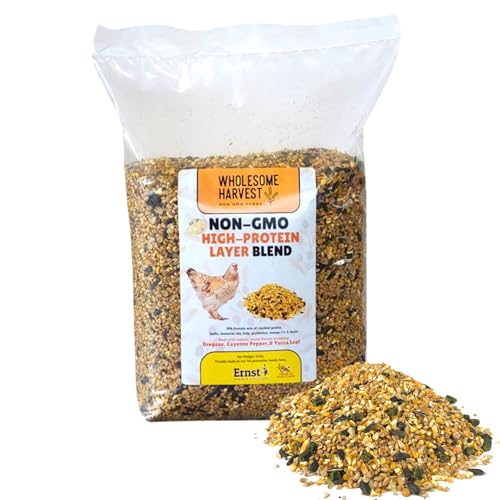 | Omega‑3 Enriched | Protein %: High‑Protein (specific % not listed) | Form: Grains (cracked) | Weight / Size: 10 lb (160 oz) | VIEW LATEST PRICE | Read Our Analysis |
| Manna Pro Gamebird & Showbird Crumbles – 5 lb Premium Poultry Feed | 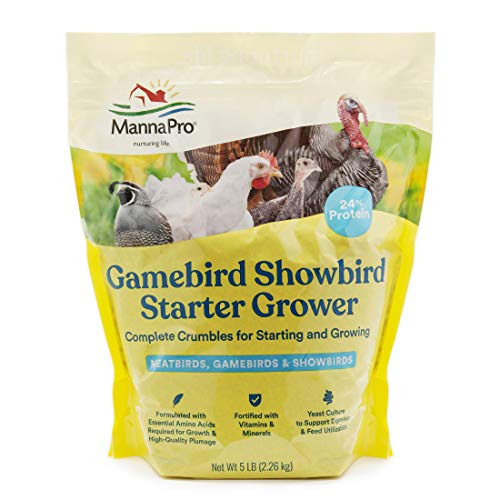 | Gamebird Specialist | Protein %: 24 % | Form: Crumbles (dry) | Weight / Size: 5 lb (2 260 g) | VIEW LATEST PRICE | Read Our Analysis |
| Manna Pro 16% Protein Layer Crumbles with Probiotics 8 lb | 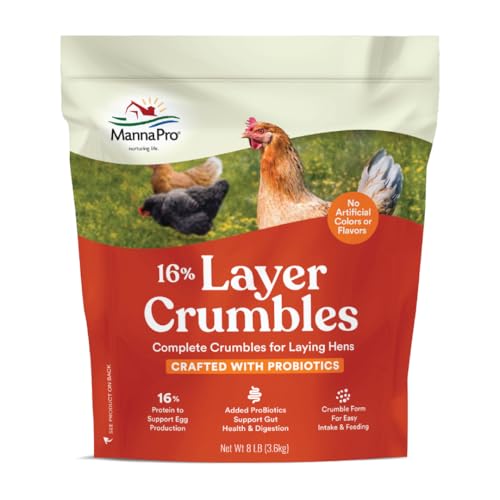 | Egg‑Production Focus | Protein %: 16 % | Form: Crumbles (dry) | Weight / Size: 8 lb | VIEW LATEST PRICE | Read Our Analysis |
More Details on Our Top Picks
5lb Non-GMO Dried Black Soldier Fly Larvae High Protein Chicken Feed
All right, you’re tired of feeding chickens cheap protein that leaves shells brittle and growth slow—this 5 lb non‑GMO dried black soldier fly larvae gives you sustainable protein that actually boosts muscle, feathers, and egg quality. You’ll notice the 45 % natural protein kicks in fast, while the calcium helps shells stay strong. The product stays low‑odor, additive‑free, and traceable to plant‑based spent grain, so you avoid kitchen‑waste contaminants.
Now, you can sprinkle a small handful two to three times a week, and the high fat and fiber keep digestion steady. It’s not a complete feed, so you still need your regular mix and fresh water. If you raise laying hens or broilers, this supplement fits right in without overloading calories.
Here’s the thing: this isn’t just for chickens. Ducks, wild birds, reptiles, and even fish can enjoy it, making it a versatile pantry staple. You’ll love the bulk 5‑lb carton for backyard flocks, but if you have a tiny coop, the 80‑ounce count may feel excessive. Choose it if you value sustainable, non‑GMO protein and want a proven boost to feather and egg health.
- Protein %:45 %
- Form:Dried whole larvae
- Weight / Size:5 lb (80 oz)
- Non‑GMO:Yes
- Probiotic / Gut Health Additive:Not mentioned
- Target Species (Multi‑Species):Chickens, ducks, wild birds, reptiles, fish, small animals
- Additional Feature:Low odor product
- Additional Feature:Plant‑fed spent grain
- Additional Feature:Versatile multi‑species treat
Manna Pro 16% Protein Poultry Feed with Probiotics 25 lb
If you’re juggling chickens, ducks, and turkeys and need a single feed that covers every life stage, Manna Pro 16% Protein Crumbles are the probiotic boost your flock demands. You’ve probably tried separate feeds and wrestled with waste; these crumbles dissolve into the pen, so every bird gets consistent nutrition. The 16% protein from soybean meal fuels growth and feathering, while the probiotic blend keeps gut health on point, cutting digestive hiccups.
All right, now think about packaging. A 25 lb bag fits most coop bins, and the dry crumble size means less spillage and easier scooping. Wheat does contain gluten, so if you have a highly sensitive flock you might need a gluten‑free alternative, but most birds thrive on it. No artificial colors or flavors keep the feed clean and trustworthy.
Here’s the thing: you want a feed that works for all ages and breeds without juggling multiple sacks. This one fits you if you value a single, complete formula that supports daily essentiality and reduces waste. The brand’s 1842 heritage adds confidence that you’re buying a proven, welfare‑focused product. Go ahead, grab the bag, and let your flock enjoy balanced nutrition without the hassle.
- Protein %:16 %
- Form:Crumbles (dry)
- Weight / Size:25 lb (400 oz)
- Non‑GMO:Not specified (assumed not non‑GMO)
- Probiotic / Gut Health Additive:Probiotic blend
- Target Species (Multi‑Species):Chickens, ducks, geese, turkeys, gamebirds (all poultry)
- Additional Feature:Complete mixed‑flock nutrition
- Additional Feature:Small crumble size reduces waste
- Additional Feature:No artificial colors/flavors
Non-GMO High-Protein Layer Blend 10 lb
You’re tired of guessing which feed will keep your layers laying strong, and you deserve a formula that actually delivers. This Non‑GMO High‑Protein Layer Blend from Wholesome Harvest packs corn, soy, wheat, barley, and linseed oil into a 10‑lb sack, so you get omega‑3s and extra calcium from oyster shell. The probiotics keep digestion smooth, and the plant‑based mix works for any breed or age, from chicks to mature hens.
Now, if you want a feed that supports both chickens and ducks without worrying about GMOs, this is the one. It’s grain‑heavy, so you’ll see stronger shells and steadier egg output, especially when you scatter it on the ground or load it into a feeder. The only trade‑off is the corn‑dominant flavor, which some backyard flocks might ignore, but most love.
Here’s the thing: you’ll notice healthier birds and higher‑quality eggs within a week, and the 160‑ounce count lasts long enough to keep your flock fed through a molting cycle. Obviously, if you prefer a completely corn‑free diet, you’ll need to look elsewhere. Otherwise, this blend fits a sustainable, high‑protein plan without breaking the bank. Go ahead and add it to your cart; your layers will thank you.
- Protein %:High‑Protein (specific % not listed)
- Form:Grains (cracked)
- Weight / Size:10 lb (160 oz)
- Non‑GMO:Yes
- Probiotic / Gut Health Additive:Probiotic
- Target Species (Multi‑Species):Chickens, ducks (all poultry)
- Additional Feature:Linseed oil omega‑3 boost
- Additional Feature:Oyster shell calcium source
- Additional Feature:Grain‑based corn flavor
Manna Pro Gamebird & Showbird Crumbles – 5 lb Premium Poultry Feed
Gamebirds and showbirds need a protein boost, and the 24%‑protein Manna Pro crumbles deliver just that, making them a true gamebird specialist. You’ve seen your flock lag in feather quality and you’re tired of guessing what works. This feed packs essential amino acids, so your birds grow strong muscles and lay brighter eggs without you having to mix extra supplements.
Now, you’ll love the small crumble size; it’s easy for chicks and adults alike, reducing waste and keeping the feed tidy in your coop. The yeast cultures boost digestion, so you’ll notice healthier droppings and more energy during shows.
All right, if you run a mixed flock—chickens, ducks, turkeys, or bantams—this bag fits right in. It’s non‑medicated, buckwheat‑free, and made in America, so you avoid hidden antibiotics and allergens. You can feed it alone or blend it, giving you flexibility for each life stage.
Here’s the thing: this isn’t a miracle cure for every bird, but if you need a reliable, high‑protein staple that supports plumage and performance, it’s a solid choice. Grab the 5 lb bag, and you’ll feel confident you’ve covered the basics without overcomplicating your feeding program.
- Protein %:24 %
- Form:Crumbles (dry)
- Weight / Size:5 lb (2 260 g)
- Non‑GMO:Not specified (assumed not non‑GMO)
- Probiotic / Gut Health Additive:Yeast cultures (gut health)
- Target Species (Multi‑Species):Chickens, ducks, turkeys, gamebirds, bantams (all poultry)
- Additional Feature:Yeast cultures for digestion
- Additional Feature:Buckwheat‑free formulation
- Additional Feature:Small crumble size for all ages
Manna Pro 16% Protein Layer Crumbles with Probiotics 8 lb
All right, you’ve got a flock of laying hens that keep missing the mark on shell strength and consistency, and you’re tired of chasing a feed that promises more than it delivers. Here’s the thing: Manna Pro 16% Protein Layer Crumbles packs a solid protein punch, calcium, and vitamin D, so you’ll see sturdier shells and steadier lay cycles. The probiotics keep their guts happy, cutting waste and boosting absorption—useful if you’ve struggled with digestive upsets before.
Now, if you love omega‑3s and want eggs with a nutritional edge, this crumble delivers without added antibiotics, and the 8‑lb bag fits small‑to‑medium operations nicely. Obviously, the crumble texture encourages pecking, but if you run a massive commercial house you might need bulk bags instead. This feed is for you if you value balanced nutrition, gut health, and a tidy feed station.
Bottom line: pick this if you want a reliable, all‑rounder that supports strong shells, healthy birds, and a little extra egg nutrition—all without the guesswork. It’s a straightforward, sensible choice that lets you focus on collecting eggs, not troubleshooting feed.
- Protein %:16 %
- Form:Crumbles (dry)
- Weight / Size:8 lb
- Non‑GMO:Not specified (assumed not non‑GMO)
- Probiotic / Gut Health Additive:Probiotic
- Target Species (Multi‑Species):Chickens (laying hens) (all poultry)
- Additional Feature:Omega‑3 enriched eggs
- Additional Feature:Vitamin D fortified
- Additional Feature:Antibiotic‑free formula
Factors to Consider When Choosing High Protein Chicken Feed for Molting
You’re worried that the protein boost might tip the calcium balance, leaving your flock brittle during molt, and that’s a legit concern. Obviously, you’ll want a feed that hits the sweet spot—enough protein to support feather regrowth yet still supplies adequate calcium and a gut‑friendly probiotic mix, all from non‑GMO sources. Here’s the thing: if you’re feeding twice a day, pick a formula with a moderate protein level and strong digestive support; if you prefer a once‑daily schedule, go higher protein but double‑check the calcium‑to‑protein ratio, because the right balance makes the whole process smoother and keeps you from second‑guessing your choice.
Protein Content Balance
When molting, you’ll notice feather growth spikes and your hens suddenly need more protein—often 20‑24% instead of the usual 16%. You’re probably wondering how to hit that sweet spot without overdoing it. The trick is to aim for a temporary boost, then drop back once the molt ends.
All right, choose a feed whose protein source is highly digestible—soy, fish meal, or whey give the essential amino acids you need. Obviously, a 22% blend works for most layers, but if you have a flock that’s already lean, a 24% mix might be safer.
Now, watch the balance: too much protein wastes feed and can upset the gut, so keep the increase short‑lived. This one’s for you if you want efficient feather regrowth without digestive drama.
Here’s the thing: after the molt, switch back to a 16‑18% maintenance feed to keep your hens healthy and your budget happy.
Calcium Adequacy
If you keep feeding the same calcium‑rich layer mix during molt, you’ll waste nutrients and stress the birds’ kidneys—so dial it back. You’re probably seeing sluggish feather regrowth because the hens aren’t using that calcium. The fix? Choose a low‑calcium, high‑protein “grower” feed that stays under 1.5% calcium.
All right, now think about the shift. When feathers are almost done, you’ll need to switch back to a layer diet with 4% calcium to restore eggshell strength. Keep free‑choice oyster shell out of the coop until laying resumes, otherwise you’ll re‑introduce excess mineral and undo your progress.
Here’s the thing: this low‑calcium formula works best for flocks that molt in a controlled environment. If you have outdoor runs where birds can graze, you might need a slightly higher calcium level to cover incidental intake.
Obviously you don’t want kidney strain, so pick the feed that matches the molt stage and then re‑add calcium only when the hens start laying again. This makes the whole process smooth and stress‑free.
Digestive Health Support
All right, your hens’ guts are under fire during molt, so you need a feed that keeps the microbiome happy while delivering protein efficiently. You’ll notice that probiotic‑rich mixes protect the gut flora, letting nutrients slip in faster when stress spikes.
Now, think about fiber: insects or specific grains add bulk, keep motility smooth, and give a steady energy stream without overloading the liver. If you choose a feed with yeast culture, you’ll boost enzyme activity, which helps break down those high‑protein meals without a digestive backlog.
Here’s the thing—easily digestible protein sources, like soy‑soluble or fish meal, reduce liver strain, freeing energy for feather regrowth. This one’s for you if you want a calm gut and rapid molt progress. Pick a formula that matches your flock’s size and stress tolerance, and you’ll feel confident that the digestive side of molting is covered.
Non‑GMO Ingredient Quality
All right, you’re juggling a flock that needs protein fast while dodging GMO worries, and the market’s a maze of labels that promise “clean” but hide hidden DNA. You’ve probably felt the sting of a “non‑GMO” claim that turns out to be a marketing gloss, leaving you unsure if the feed truly meets your standards. The thing is, true non‑GMO quality starts with transparent sourcing—look for suppliers who trace each grain back to a certified non‑GMO farm and provide third‑party test results.
Now, if you care about amino‑acid consistency, choose a blend that lists the exact percentages of soy, peas, or lupin and avoids filler corn that often carries hidden GMO traits. This one’s for you if you want predictable protein levels without mystery DNA. Obviously, a higher price tag means you’re paying for traceability, not just a fancy label.
Here’s the thing: some non‑GMO mixes use alternative proteins like fish meal, which can boost growth but may not fit a strictly plant‑based regimen. This works for you if you tolerate animal‑based ingredients and need that extra boost during molting. If you prefer an all‑plant profile, stick with soybean‑free options, even if they cost a bit more.
In short, you’ve got the power to pick a feed that aligns with your non‑GMO standards and molting goals—just verify the paperwork, compare the protein sources, and trust the brand that backs up its claims with real data. Choose confidently, and your flock will thank you.
Feeding Frequency Guidelines
All right, you’ve wrestled with “non‑GMO” labels and now need a clear plan for how often to feed high‑protein supplements during molt. You’re probably wondering whether daily dosing will overwhelm your flock or starve them of essential nutrients. The truth is, you’ll give a balanced layer feed every day and add a protein boost only when the birds are actively growing new shafts.
Now, aim for a small daily supplement—about 5 % of total intake—if you see rapid feather loss and the birds look thin. If they’re in early molt, you can spread the same amount across two or three feedings, keeping birds consistent. Then you’re can drying larvae or mealworms, limit those treats to 10‑15 % of the diet and offer them a few times each week, not every day.
Here’s the thing: fresh water must never run out, especially when protein spikes. Adjust frequency if a bird looks sluggish or droppings become watery; you’ll know when to cut back. Your plan should stay flexible, matching the birds’ condition and molt stage. Follow this rhythm, and you’ll keep feather regrowth steady without overloading the system.
If you’re ready, set a simple schedule: daily base feed, daily tiny protein boost, and occasional treats. It’s a straightforward routine that respects the birds’ needs and your peace of mind.