You’ve wrestled with jagged cuts and sore hands trying to slice hardware cloth, and it’s frustrating when the tool slips or the metal tears. That’s why you need a blade that stays sharp, a handle that won’t cramp your grip, and a machine that can keep up with the job without burning out. Pick the one that matches your project’s speed, size, and comfort, and you’ll cut cleanly without the usual hassle.
| WORKPRO 8″ Aviation Snips – Heavy Duty Metal Cutter |  | Power Compact | Blade/ Cutting Edge Type: Serrated aviation snip blade | Material Compatibility (Gauge): 18 ga cold‑rolled steel, 22 ga stainless steel | Hand Orientation: Ambidextrous (left/right) | VIEW LATEST PRICE | Read Our Analysis |
| Klein Tools 89556 12‑Inch Metal Cutter Tin Snips |  | Heavy‑Duty Classic | Blade/ Cutting Edge Type: Straight steel cutter blade (high‑carbon steel) | Material Compatibility (Gauge): 24 ga steel, 28 ga stainless steel, soft metals | Hand Orientation: Ambidextrous (left/right) | VIEW LATEST PRICE | Read Our Analysis |
| WEN Metal Shear Swivel Head Variable Speed 18-Gauge 4-Amp (3650) | 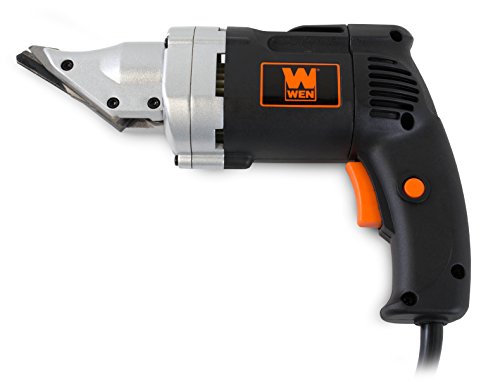 | Electric Efficiency | Blade/ Cutting Edge Type: Stainless steel shearing blade (variable‑speed) | Material Compatibility (Gauge): 20 ga stainless steel, 18 ga sheet metal | Hand Orientation: Ambidextrous (right‑handed operation) | VIEW LATEST PRICE | Read Our Analysis |
| Crescent Wiss MetalMaster Snips 9-3/4″ Straight Left Right Cut M3R | 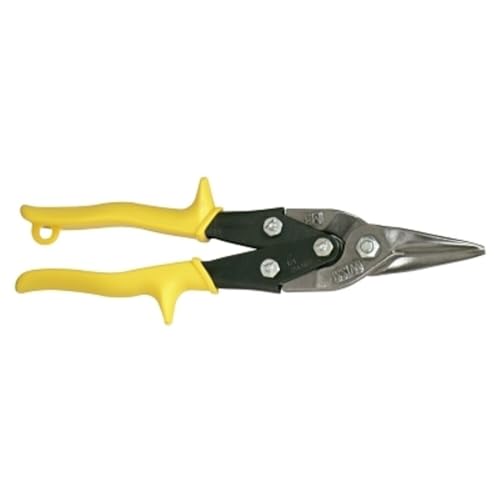 | Long‑Life Pro | Blade/ Cutting Edge Type: Conk‑ground serrated molybdenum blade | Material Compatibility (Gauge): 18 ga low‑carbon steel, high‑strength metal | Hand Orientation: Ambidextrous (left/right) | VIEW LATEST PRICE | Read Our Analysis |
| Metal Nibbler Drill Attachment for 21‑Gauge Sheet Metal |  | Fast‑Drill Nibbler | Blade/ Cutting Edge Type: Nibbler drill‑attachment cutting teeth | Material Compatibility (Gauge): 21 ga sheet metal and thinner (galvanized, copper, aluminum) | Hand Orientation: Ambidextrous (drill‑mounted) | VIEW LATEST PRICE | Read Our Analysis |
More Details on Our Top Picks
WORKPRO 8″ Aviation Snips – Heavy Duty Metal Cutter
All right, you’re tired of wrestling with bulky snips that eat up your stamina, and you need something that feels light yet still rips through metal. The WORKPRO 8‑inch aviation snips give you cutting force of a 10‑inch tool while weighing only 10.56 ounces, so you’ll feel the difference immediately. The double‑lever pivot slashes effort by about ten percent, and the serrated edge locks the material in place, preventing slip on thin steel or PVC.
Now, the ergonomic TRP handle with its outward arc and tri‑color grip gives you solid, anti‑slip control, even when you’re on a ladder. The safety lock and self‑locking nuts keep the jaws sealed and the tool attached, so you won’t lose a blade mid‑cut. The hanging hole makes storage a breeze, and the ambidextrous design works for either hand.
Here’s the thing: if you cut 18‑gauge cold‑rolled steel or 22‑gauge stainless steel regularly, these snips will slice cleanly without jamming. They’re not a heavy‑duty pipe cutter, so don’t expect them to handle thick tubing, but for hardware cloth, sheet metal, and thin pipe they’re perfect. Choose them if you want a lightweight, precise cutter that stays in your hand and out of your fatigue zone.
- Blade/ Cutting Edge Type:Serrated aviation snip blade
- Material Compatibility (Gauge):18 ga cold‑rolled steel, 22 ga stainless steel
- Hand Orientation:Ambidextrous (left/right)
- Ergonomic Handle Design:TRP ergonomic handle, outward arc, tri‑color grip
- Power Source / Operation Mode:Manual, double‑lever mechanism
- Weight (Portability):10.56 oz
- Additional Feature:Double‑lever mechanism
- Additional Feature:Serrated blade edge
- Additional Feature:Tri‑color handle identification
Klein Tools 89556 12‑Inch Metal Cutter Tin Snips
Need to cut thick copper or 24‑gauge steel while wearing gloves? You’ll love the Klein 89556. Its all‑steel body and high‑carbon blades bite through tin, aluminum, and even 28‑gauge stainless steel without slipping. The 12‑inch length gives you leverage, and the 3.5‑inch blades handle straight cuts and wide curves alike.
All right, the handles are alloy‑steel, brushed black, and roomy enough for gloves, so you won’t strain your fingers on a cramped grip. The blades are replaceable, so you can swap for a fresh edge when they dull, but you’ll need a screwdriver to do it.
Now, if you work mostly with soft metals and need ambidextrous use, this one’s for you. It won’t replace a heavy‑duty aviation snip for thick steel, but it shines on copper, vinyl, and light‑gauge sheet. Obviously, the 1‑year warranty backs it, and the 30‑day return makes the purchase risk‑free. Choose it, and you’ll cut cleanly, quickly, and comfortably.
- Blade/ Cutting Edge Type:Straight steel cutter blade (high‑carbon steel)
- Material Compatibility (Gauge):24 ga steel, 28 ga stainless steel, soft metals
- Hand Orientation:Ambidextrous (left/right)
- Ergonomic Handle Design:Large alloy‑steel handles, glove‑compatible
- Power Source / Operation Mode:Manual, replaceable blades
- Weight (Portability):13.4 oz
- Additional Feature:Replaceable blade system
- Additional Feature:Brushed steel finish
- Additional Feature:Large glove‑friendly handles
WEN Metal Shear Swivel Head Variable Speed 18-Gauge 4-Amp (3650)
You’re tired of wrestling with stiff, hand‑powered snips that stall on 18‑gauge metal, and you need a tool that actually keeps up. The WEN 3650 drops a 4‑amp motor into a 4.7‑lb frame, delivering up to 2,500 strokes per minute, so you slice through 18‑gauge sheet and even 20‑gauge stainless without grinding your fingers. Its 360° swivel head lets you cut at any angle, and the pressure‑sensitive trigger ramps speed as you press harder—perfect for tight corners and long runs.
All right, this one’s for you if you value lightweight fatigue reduction and precise speed control. You’ll love the stainless‑steel blades that stay sharp, but remember the motor’s power caps at 4 amps, so ultra‑thick steel still needs a heavier cutter. The two‑year warranty and nationwide service network mean you won’t be left stranded if something hiccups.
Now, picture yourself cutting a full sheet of hardware cloth in minutes, not hours, with minimal hand strain. The WEN’s variable speed lets you start slow for delicate cuts, then crank it up for straight lines. If you’re okay with a modest learning curve on the trigger pressure, this shear will become your go‑to. Choose it, and you’ll cut cleanly, quickly, and without the usual snip‑snag frustration.
- Blade/ Cutting Edge Type:Stainless steel shearing blade (variable‑speed)
- Material Compatibility (Gauge):20 ga stainless steel, 18 ga sheet metal
- Hand Orientation:Ambidextrous (right‑handed operation)
- Ergonomic Handle Design:Lightweight grip, pressure‑sensitive trigger
- Power Source / Operation Mode:Electric, 4 A motor, variable speed
- Weight (Portability):4.7 lb
- Additional Feature:360° swivel head
- Additional Feature:Pressure‑sensitive trigger
- Additional Feature:2‑year warranty
Crescent Wiss MetalMaster Snips 9-3/4″ Straight Left Right Cut M3R
You’ve wrestled with flimsy snips that tear hardware cloth, and that frustration ends with the Crescent Wiss MetalMaster M3R—your long‑life pro for clean, straight cuts. You’ll feel the compound action multiply your hand force fivefold, so cutting 18‑gauge steel feels like slicing butter. The conk‑ground molybdenum blades stay sharp over eight miles of steel, outlasting ordinary aviation snips by ten times.
All right, the ambidextrous, non‑slip handles let you work left‑ or right‑handed without adjusting your grip. The spring‑loaded self‑opening action feeds material fast, while the built‑in stops keep blade opening consistent every time. You’ll love the yellow‑coded handles for quick identification in a busy shop.
Now, the design controls blade bypass, minimizing folds and burrs—perfect if you need precise edges for fencing or vent panels. The free‑float pivot bolt extends life, and the hang hole keeps it tidy on the wall. This is for you if you want durable, low‑effort snips that won’t quit mid‑cut. Choose the M3R, and you’ll cut hardware cloth cleanly, confidently, and without regret.
- Blade/ Cutting Edge Type:Conk‑ground serrated molybdenum blade
- Material Compatibility (Gauge):18 ga low‑carbon steel, high‑strength metal
- Hand Orientation:Ambidextrous (left/right)
- Ergonomic Handle Design:Non‑slip colored handles, built‑in stop, hang hole
- Power Source / Operation Mode:Manual, compound‑action spring‑loaded
- Weight (Portability):Approx. 1 lb (standard for 9‑3/4 in snips)
- Additional Feature:Compound action multiplier
- Additional Feature:Free‑float pivot design
- Additional Feature:Self‑opening spring action
Metal Nibbler Drill Attachment for 21‑Gauge Sheet Metal
All right, if you’re wrestling with 21‑gauge sheet metal and need to slice hardware cloth in minutes, this fast‑drill nibbler is your answer. You’ll love how it latches onto any standard drill, and the steel‑built cutter shaves through 19‑gauge mesh up to ten times faster than snips. It handles galvanized tin, copper, aluminum, even iron, but skip corrugated roofing—those ridges jam the teeth.
Now, the package weighs just 1.1 lb, fits in your toolbox, and comes with a connecting rod, fixed spring, and Allen wrench for quick setup. No battery needed; your drill powers it, so you avoid extra chargers. The silver, large‑size body feels sturdy, and the electric drill plate cutter gives you clean, straight lines without tearing the weave.
Here’s the thing: if you work on flat panels, this is for you; if you need to cut ribbed or rib‑studded metal, you’ll still need a reciprocating saw. Obviously, the trade‑off is you can’t use it on roofing corrugations, but for most DIY fences and ventilation grilles it shines. Choose it, and you’ll cut hardware cloth in seconds, not minutes—making the job feel effortless and the result professional.
- Blade/ Cutting Edge Type:Nibbler drill‑attachment cutting teeth
- Material Compatibility (Gauge):21 ga sheet metal and thinner (galvanized, copper, aluminum)
- Hand Orientation:Ambidextrous (drill‑mounted)
- Ergonomic Handle Design:Steel body with built‑in hanging hole, ergonomic plate
- Power Source / Operation Mode:Manual attachment powered by drill (battery‑optional)
- Weight (Portability):1.1 lb
- Additional Feature:10× faster cutting speed
- Additional Feature:Adjustable drill‑plate cutter
- Additional Feature:Includes Allen wrench set
Factors to Consider When Choosing a Tool to Cut Hardware Cloth
You’re probably frustrated by the endless options and wondering which tool won’t chew up your hardware cloth or your patience. Here’s the thing: if you need a blade that handles stainless steel and aluminum without dulling, you’ll gravitate toward high‑carbon steel or carbide; if speed matters, a powered cutter beats a manual nibbler, but it adds weight and noise, so ergonomics and grip become vital. Obviously, safety locks, portability, and storage shape the final choice, and you’ll feel confident once you match those trade‑offs to your specific project.
Blade Blade Material Compatibility
All right, you’re staring at a pile of hardware cloth and wondering why every blade seems to bite differently. The material you pick decides whether you’ll wrestle with dullness or glide through the mesh.
Here’s the thing: chromium‑vanadium steel stays hard after countless cuts, so it’s your go‑to if you plan to tackle thick gauges over and over. High‑carbon steel offers comparable hardness but can rust if you leave it wet, so you’ll need to dry it promptly.
Obviously, stainless steel wins when you work outdoors; its corrosion resistance saves you from rust‑spotted edges, though it may soften a touch compared to vanadium blends. Serrated edges grip individual wires, preventing slippage, but they can snag softer materials.
Now, match the blade to your project: if you need durability on heavy gauge, choose chromium‑vanadium; if you value rust‑proofing for garden fences, go stainless; if you want extra bite on fine mesh, pick a serrated high‑carbon blade. This should clear the confusion and let you pick confidently.
Cutting Speed Requirements
Blade material decides how fast you’ll actually get the cut done, so the speed you need hinges on that choice. If you grab a high‑carbon steel blade, you’ll slice through ½‑inch hardware cloth in a few swift strokes; a softer alloy will chew, demanding slower, more deliberate pushes. Obviously, thicker gauge wire forces you to drop the tempo, otherwise you’ll jam the blade and waste time.
All right, now think about power source. A cordless rotary cutter lets you maintain a steady 2,000 rpm rhythm without a cord tripping you, but its battery life drops if you push too hard on dense mesh. A manual nibbler gives you tactile control, yet you’ll need to slow down to keep the cuts clean.
Here’s the thing: you want speed without sacrificing accuracy. If you’re tackling a large fence panel, choose a tool that can sustain high RPMs and a blade designed for rapid wear resistance. If you’re only trimming a few sections for a DIY project, a slower, cheaper blade won’t hurt. Pick the speed that matches your project size, material thickness, and how much effort you’re willing to invest. This makes the decision feel obvious and smart.
Tool Ergonomics and Grip
Usually you find yourself fighting hand fatigue after a handful of cuts, especially when the handle feels like a plastic toothpick. An ergonomic arc and anti‑slip material give you a firm grip, so you can keep the blade steady without cramping your wrist. All right, if you wear gloves, look for large, spaced handles that accommodate them—those designs keep your fingers safe and your control solid.
Now, consider ambidextrous orientation. A tool that works equally well for left‑ or right‑handed users saves you the hassle of buying a second one for a partner. Obviously, a spring‑action mechanism that snaps the handles open saves you a few seconds on each cut, but it adds a bit of weight you might not want for ultra‑light work.
Here’s the thing: non‑slip grips stay clean after a day in the shop, which means less maintenance and more confidence. This one’s for you if you value speed and comfort over minimal weight. Choose the handle that feels right in your palm, and you’ll cut hardware cloth cleanly without a second‑guessing your tool.
Safety Features and Locks
You’ve probably wrestled with a blade that snaps open mid‑cut, and you know that a loose jaw is a recipe for a nasty slip. All right, start by checking for an integrated safety lock; it clicks the jaws shut for storage, so you won’t surprise yourself when the toolbox opens. Here’s the thing: self‑locking nuts keep the whole assembly tight, preventing a wobble that could yank the blade away from your hand. Obviously, a built‑in handle stop gives you a repeatable cut length, so you stay in control and avoid over‑reaching.
Now, look at ergonomics that actually matter while you’re cutting. A non‑slip grip feels like a handshake with the tool—no sweaty palms, no accidental slides. The large, ambidextrous handle lets you wear gloves, which is a godsend when you’re working with sharp wire. This one’s for you if you need confidence that the tool won’t betray you mid‑cut. Choose a model with these locks and handles, and you’ll cut faster, cleaner, and safer—no second‑guessing needed.
Portability and Storage Options
All right, you’ve probably tried to cram a bulky cutter into a cramped toolbox, only to end up with a sore arm and a tangled mess. Here’s the thing: a tool that hangs on a wall or fits in a slim pocket saves you space and time. If you prefer a light‑weight option, look for under‑one‑pound models; they won’t tire you out when you lug them to the job site.
Now, consider length. Hand tools under 12 inches slip into a standard toolbox, while longer or powered units demand a bigger bag or a dedicated shelf. Battery‑powered or cordless cutters give you freedom to move without hunting for an outlet, and they eliminate the need for spare batteries or tangled cords.
Obviously, the simplest designs win when you need instant readiness—no extra parts, no assembly. This one’s for you if you value a compact, wall‑mountable cutter that you can toss in a drawer and grab in seconds. Choose the size and weight that match your daily haul, and you’ll feel confident that storage won’t be a headache.
Maintenance and Blade Replacement
All right, you’ve already fought for space, now fight for performance—when the blade dulls, you don’t want to toss the whole cutter. You’ll notice the cut slipping, the effort rising, and the frustration mounting. That’s why you should pick a tool with a quick‑swap blade system; you restore sharpness without buying a new unit.
Now, check for self‑locking nuts or a similar lock‑away. They keep the blade tight under torque, so you don’t waste time re‑tightening mid‑cut. Serrated edges help too; they grip the metal and keep the blade from sliding, extending precision longer.
Here’s the thing: high‑carbon or chrome‑vanadium steel blades resist abrasion, especially on hardened hardware cloth. A free‑floating pivot bolt reduces stress at the hinge, meaning the whole cutter lasts more. This one’s for you if you value durability over occasional extra cost, and you’re okay with a bit of extra maintenance. Choose a model that matches your workflow, and you’ll cut cleanly without hassle.
Cost vs. Performance Value
Start by weighing how often you’ll be slicing thick, stubborn mesh against the price tag you’re comfortable with. If you tackle large fences or garden enclosures weekly, a compound‑lever cutter or motorized shear pays off—its durability, longer blade life, and reduced effort lower your cost‑per‑cut over time. Obviously, the upfront price can sting, but the speed boost and less fatigue make it a smart investment for heavy use.
Now, for occasional weekend projects, a cheap hand snip or basic shears will do the job without over‑engineering. You won’t need replace features, and you’ll keep expenses low while still getting clean cuts. This one’s for you if you rarely face thick gauge wire.
All right, check warranties and replaceable parts. A solid warranty protects your money, especially when you buy a pricier tool. If the manufacturer offers easy blade swaps, you’ll extend the tool’s life and avoid surprise costs. This option fits you if you value long‑term reliability over short‑term savings.