If you’ve been staring at that bok choy in your fridge wondering whether it’ll hurt your flock, relax — it’s completely safe, and poultry nutritionists actually approve it. You can feed leaves, stems, even roots. It delivers vitamins A, C, K, and calcium that visibly improve shell strength and feather quality. Wash it, chop it, skip the seasoning, and toss it in. Keep commercial feed as the foundation, and you’re golden. Stick around — there’s more worth knowing before your next feeding.
Is Bok Choy Safe for Chickens to Eat?
If you’ve been eyeing that bok choy in your garden and wondering whether tossing some to your flock will send you scrambling to the vet, relax — it won’t. Bok choy is completely safe for chickens. No toxic compounds, no documented poisoning cases, nothing scary lurking in those crisp leaves.
Here’s the thing — it falls squarely within the leafy greens and cruciferous vegetables that poultry nutritionists already approve. Your birds will eat it enthusiastically, stems included.
Now, bok choy storage matters. Only offer fresh, unspoiled leaves. Skip anything moldy or chemically treated — pestic ch contamination is a real concern with store-bought produce.
Obviously, healthy chickens need clean food. Give them that, and bok choy becomes a genuinely smart addition to their diet. Backyard chickens, including grey hens, have been observed preferring the leaves over other parts of the plant when given bok choy directly from the garden.
Which Parts of Bok Choy Can Chickens Eat?
All 4 parts of a bok choy plant — leaves, stems, seeds, and roots — are fair game for your flock, and that’s genuinely good news if you’re staring at a garden full of bolted plants wondering whether to compost them or toss them over the fence. Leaves deliver the best nutritional density and your chickens will tell you that themselves by eating them first. Stems need chopping. Roots need grating or cooking. Now, here’s where seasonal availability actually works in your favor — bolted plants with seed heads are practically a jackpot. Seed foraging keeps your flock entertained while delivering concentrated protein. You’re not managing waste anymore; you’re running a buffet. Prep each part appropriately, and nothing goes to waste.
Nutritional Benefits Bok Choy Delivers to Your Flock
Bok choy isn’t just filler — it’s genuinely one of the more nutritionally loaded greens you can throw at your flock. Here’s the thing: your chickens need more than scratch and scraps to actually thrive. Bok choy delivers serious vitamin synergy — vitamins A, C, K, and E working together to support immunity, vision, and blood health simultaneously. Now, mineral density is where it really punches above its weight. Calcium, magnesium, phosphorus, and iron all show up in meaningful amounts, supporting strong bones, oxygen transport, and muscle function. Obviously, one treat won’t transform your flock overnight. But consistently offering bok choy means you’re stacking real nutritional wins into their diet without adding calories, fat, or cholesterol. That’s genuinely hard to beat.

Selected and stored fresh
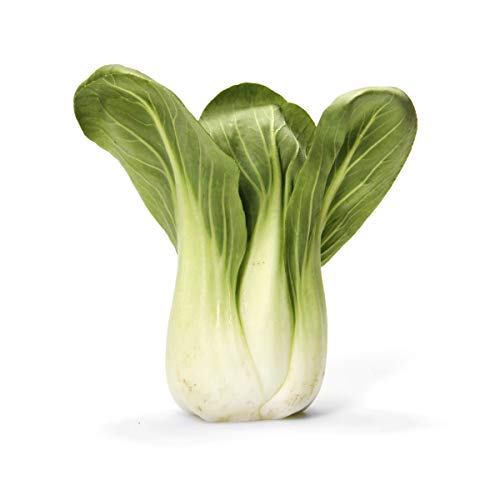
Selected and stored fresh

Bok choy is an excellent source of fiber, vitamin C, vitamin K, vitamin A, and beta-caroten
Does Bok Choy Make Egg Yolks Darker and Tastier?
Now, bok choy could nudge yolk color slightly darker, similar to how alfalfa or seasonal grass does — potential xanthophylls, similar mechanism. But darker doesn’t mean tastier. Obviously.
What actually improves flavor? Fatty acid composition — oleic, arachidonic acids — and yolk-to-white ratio. Bok choy contributes to overall diet quality, which matters. So feed it confidently, just don’t expect magic yolks. Hens cannot produce carotenoids on their own, so diet is the only source of these pigments in the yolk.
How Much Bok Choy Should You Feed Per Bird?
So you’ve heard bok choy might nudge your yolks a shade darker — great, but now you’re staring at a grocery bag of the stuff wondering how much to actually throw into the run. Here’s the thing — about two-thirds of a grocery bag twice daily works well for a flock. Per bird, that’s genuinely tricky to eyeball, so chop it or hang it in a suet basket. Now, bok choy isn’t a season ch feed staple you’d stockpile year-round — seasonal availability means you treat it like a bonus, not a replacement. Obviously, greens supplement feed, they don’t replace it. Keep commercial feed flowing at 200g daily when scraps are included. Grit, always. Start small, watch them respond, then adjust confidently. Chickens tend to consume it enthusiastically when offered as part of a morning feeding routine, making it easy to build into a consistent daily habit.

🐤1L Chick Feeder and 1 L Chick Waterer: 8 feeding ports and the chick feeder and waterer kit with automatic water outlet can feed 12 chicks or 3 adult chickens at the same time;

DURABLE MATERIAL: This chicken feeder is made from high quality plastic (Polyethylene), corrosion resistant, discoloration resistant and ageing resistant;

🕊️【What You Get】:Veggies skewer fruit holder bag(Black),1 Pack Shook. Enough quantity, you can replace it, or use different net bag feeders to hold different kinds of food.
The Best Time of Day to Feed Bok Choy
If you’ve been tossing bok choy into the run whenever it’s convenient, you’re probably getting shrugs from your flock — not because they don’t like it, but because timing actually matters more than most keepers realize. Here’s the thing: your hens are biologically wired around predictable rhythms.
A solid morning schedule works best for most flocks. Chickens wake hungry, crops empty, ready to forage. Feeding bok choy early supports hens actively laying through mid-morning.
Now, don’t sleep on an evening routine either — especially in winter. A pre-roost feeding fills crops overnight, keeping birds warmer and supporting reproductive cycles through cooler nights.
Hot summer days? Split the difference. Early morning, late evening, skip the scorching midday window entirely. Your chickens will thank you with consistent behavior and better production.
How to Prepare and Serve Bok Choy to Chickens
Preparing bok choy for your flock is genuinely one of the easiest things you’ll do all week — wash it, chop it, toss it. Here’s the thing: you don’t need fancy equipment or a system. Rinse it thoroughly, remove any wilted outer leaves, then chop it into manageable pieces your chickens won’t struggle with.
Now, cropak choy harvesting timing actually matters here. Younger, smaller heads are tenderer and easier for chickens to pick apart. Seasonal availability also works in your favor — fresh bok choy during peak seasons means better nutrient density for your flock.
Obviously, skip the oil, garlic, and seasoning. Raw is perfect. Toss it directly into their run or hang it as enrichment. Your chickens figure out the rest themselves. Larger bok choy can be quartered into bite-sized pieces to make it even easier for your flock to manage.

Usda Organic, excellent source of Vitamin K & a

Organic Quality: Certified organic seeds ensure chemical-free cultivation; Non-GMO heirloom variety maintains natural genetics; Safe for organic gardening and sustainable agriculture

Organic bok choy from your local farmers market
Can Bok Choy Help Control Garden Pests?
Here’s the thing — once your bok choy is washed, chopped, and tossed to your flock, you might start wondering whether that same leafy green is pulling double duty in your garden. Honestly, it can. Bok choy attracts flea beetles hard, which makes it a surprisingly effective pest deterrent when used strategically as a trap crop, drawing those little leaf-punchers away from plants you actually care about. Meanwhile, letting chickens scratch nearby supports soil health by breaking up compacted ground and adding natural fertilizer. You’re already managing the garden — why not let your flock help? Pair bok choy trap rows with row covers on your main beds, and you’ve got a genuinely smart, low-effort system working for you.
What Vegetables Pair Well With Bok Choy?
Once you’ve got a bag of bok choy and you’re staring at your cutting board wondering what else to throw in, the answer is honestly — a lot. For texture contrasts, mushrooms soften beautifully against bok choy’s crisp stems, while water chestnuts stay crunchy throughout cooking. Now, seasonal pairings matter too — bell peppers in summer, broccoli when it’s abundant. Here’s the thing: bamboo shoots and bok choy share similar culinary roots, so they naturally belong together. You’re not forcing a pairing; you’re completing one. All right, want something heartier? Add snap peas or shredded carrots. Obviously, what you’ve got in your fridge usually works fine. Trust your instincts, grab what’s fresh, and let bok choy do the heavy lifting. It handles partners well. Bean sprouts add a light, fresh crunch that complements bok choy without overwhelming its delicate flavor.

Includes bok choy, broccoli florets, savoy cabbage, snow or snap peas, green onion
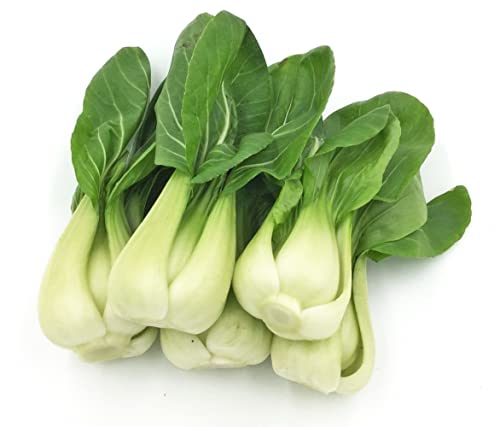
Heirloom Non-GMO Bok Choy Seeds – Enjoy authentic Asian greens with rich flavor and crisp texture; perfect for fresh salads or cooking. Shanghai heirloom baby Bok Choy microgreens seeds for planting or microgreens. Sow and grown your own home garden with these pak choi seeds, from garden to your kitchen ingredients.

Looking for heirloom Non-GMO seeds for your garden? Here they are!
How to Tell If Bok Choy Is Improving Your Hens’ Health?
Pairing bok choy with the right vegetables is the easy part — knowing whether it’s actually doing anything for your hens is where most backyard keepers get stuck. Here’s the thing: your hens will tell you, you just need to know what to look for.
Watch your egg health first. Deeper orange yolks mean better nutrition is actually landing. Shells getting thicker? That’s the calcium and minerals working.
Now check feather quality. Reduced pecking and less feather damage signal lower stress levels across your flock. You’ll also notice more movement, more foraging, less drama between birds.
All right, if you’re seeing brighter yolks, smoother feathers, and a calmer flock within a few weeks — bok choy’s doing exactly what it should. Keep going.