If you’ve got persimmons dropping faster than you know what to do with them, your chickens will happily solve that problem. Yes, chickens can eat persimmons safely — flesh, skin, seeds, and all. They’re packed with vitamins A, C, and B6, plus antioxidants that support immune health and feather development. Just skip the leaves, wash the fruit, and introduce them gradually. Stick to ripe fruit only, keep it a treat, and keep going to nail the details.
Can Chickens Eat Persimmons?
If you’ve got backyard chickens and a persimmon tree nearby, you’re probably wondering whether it’s safe to let your flock go to town on the fallen fruit. Here’s the thing — yes, chickens can absolutely eat persimmons. They actually love the flavor and will often choose persimmons over everything else except insects.
Now, proper handling matters. You’ll want to remove seeds and wash the fruit thoroughly before offering it to your flock. Pesticide residue on unwashed skin is a real concern for crop health, so don’t skip that step.
Obviously, moderation is key — persimmons are treat food, not daily staples. Introduce them gradually, watch your birds afterward, and you’re good. Simple, safe, smart. In contrast, geese appeared hesitant around persimmons and were not observed eating them during the same feeding experiment.
The Vitamins and Nutrients Persimmons Add to Your Flock’s Diet
So now that you know your chickens can safely eat persimmons, you’re probably wondering whether there’s any real nutritional payoff beyond “they like it.” There is — and it’s actually pretty solid.
Here’s the thing: persimmons bring genuine vitamin balance to the table. You’re getting vitamins A, C, B6, and folate in one fruit. That’s immune support, metabolic function, and feather development working together. Now, add the antioxidant synergy between beta-carotene, flavonoids, and vitamin E, and you’ve got real oxidative stress protection — especially useful during heat or heavy laying periods.
Obviously, persimmons won’t replace a quality layer feed. But as a nutrient-dense treat? They’re quietly doing more for your flock than most snacks ever will.
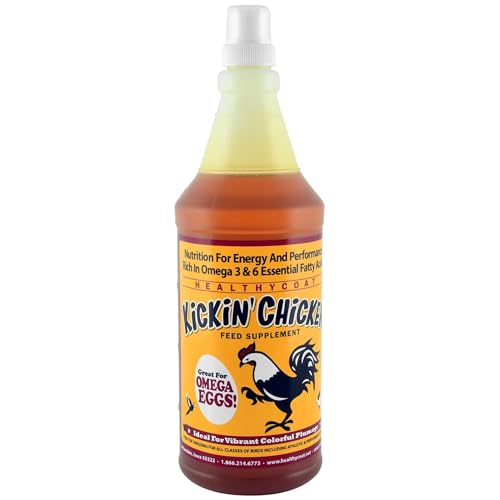
Reduces stress due to molting

DUAL-NUTRIENT SUPPORT FOR DAILY VITALITY – Give your backyard flock targeted nutritional care with a S + Vitamin E formula. These complementary nutrients contribute to normal antioxidant functions, supporting balanced nutrition and everyday poultry wellness.
13 WHOLE-FOOD HERBS IN EVERY DAILY SCOOP - This Daily Egg Booster for Chickens packs 13 functional whole-food ingredients into every daily scoop. Each 1 LB pouch blends pumpkin powder, carrot powder, turmeric, milled calendula flowers, stabilized flaxseed, black oil sunflower meal, brewer's yeast, dual-grade calcium carbonate, kelp meal, chili flakes, rosemary extract, and standardized marigold extract into a single premium chicken vitamin and supplement for daily backyard flock nutrition.
Which Parts of the Persimmon Are Safe for Chickens?
Not everything on a persimmon plant is created equal, and that’s probably the first thing running through your head right now. Here’s the thing — the flesh, skin, seeds, and calyx are all fair game for your flock. Chickens don’t separate the skin like you would, and they consume seeds without any reported harm, though seed moderation still matters since daily intake adds up fast. The calyx stays attached on fallen fruit, and your birds won’t care one bit. Now, leaves are a different story — there’s simply no evidence supporting them, so skip those entirely. Seasonal availability means your flock gets this nutrient boost mainly in fall, so enjoy it while it lasts. The fruit itself? Genuinely safe, genuinely loved.

Yields sweet Diospyros Virginiana persimmons, ideal for fall uses like roasted servings or fresh meal pairings

Persimmon Fruit Extract Powder

100% Natural Goodness: Our dried persimmon slices are crafted from 100% natural fruits, carefully dehydrated with no added sugars or preservatives, ensuring you enjoy pure, wholesome flavor in every bite.
Do American or Asian Persimmons Work Better for Chickens?
A mature Asian persimmon tree can hit 550 pounds of fruit annually versus roughly 100 pounds from an American tree. Now, if you’re running a larger flock, that yield difference matters enormously. Here’s the thing, though — Asian varieties only survive in hardiness zones 6–9, so if you’re sitting in zone 4 or 5, American persimmons are your only realistic option.
Obviously, cold winters make the decision for you sometimes.
Fruit texture matters too. American persimmons go jelly-soft when ripe, and chickens go absolutely wild for them. Asian varieties get similarly sweet and soft when fully ripe.
If your climate supports both, go Asian for volume. If you’re north of zone 6, plant American and don’t overthink it — your flock won’t complain.

ESTABLISHED QUART POT: You receive a American Persimmon tree settled in its own quart-sized container, standing 6-12 inches tall. This manageable size is easy for you to handle and is intended to provide a strong beginning for the tree with a more developed root system compared to smaller seedlings or bare-root sticks.

For sale are 5 American Persimmon trees that are approximately 6-15" tall

LIVE AMERICAN PERSIMMON TREES: Includes American Persimmon live trees potted in quart pot, measuring 6-12 inches tall. Trees may arrive as a dormant plant (without leaves) depending on the season, ready for planting.
How to Prepare Persimmons for Chickens
Once you’ve settled on which persimmon variety works for your setup, the next question is actually getting the fruit ready without overcomplicating it. Here’s the thing — you don’t need a culinary degree for this. Rinse them gently in a colander, trim the stems, and let them air dry. Done.
Now, season storage sourcing matters if you’re planning ahead. Puree the flesh, add a teaspoon of lemon juice per cup, and freeze it for later. Seasonal sourcing means you’ll have plenty during peak harvest, so stockpile smartly.
Obviously, whole fruits tossed directly to your flock work fine too. Remove seeds if you want cleaner portion control, but honestly, your chickens won’t complain either way. Keep it simple — they certainly will.
How Often Should Chickens Eat Persimmons?
Figuring out how often to toss persimmons to your flock is one of those questions that sounds complicated but really isn’t — though getting it wrong in either direction creates problems you’d rather avoid. Here’s the thing: fruit availability feeding strategies matter more than a rigid schedule. During seasoning — that 30 to 45-day window when persimmons actually ripen — you can offer them daily without overthinking it. Six fruits per bird works well for confined flocks. Outside that window, toss a few weekly as supplements. Now, treats stay treats. Persimmons don’t replace proper feed, they complement it. Your hens already know this instinctively — they’ll grab fallen fruit enthusiastically but won’t abandon their regular feed. Trust that pattern, follow their lead, and you’re good.
How to Tell If Persimmons Are Upsetting Your Chickens
Watching your chickens dig into a pile of persimmons feels satisfying right up until one of them starts acting strange — and now you’re second-guessing every fruit you’ve ever tossed into that coop. Here’s the thing: sym persistence taste reactions tell you a lot. If you’re noticing reduced appetite, loose droppings, lethargy, or crop bloating after a persimmon session, your flock is sending signals worth taking seriously. Unripe fruit hits harder — watch for head shaking, excessive drooling, or avoidance behavior. Plumage shedding paired with decreased egg production? That’s your hen prioritizing survival over productivity. Now, individual birds react differently, so don’t panic over one quirky chicken. But if multiple birds show consistent symptoms, pull the persimmons back and reassess what you’re actually feeding them. Some chickens may even become upset or angry after eating persimmons, walking away from the group or vocalizing more than usual.
Where to Find and Source Persimmons for Your Flock
Getting persimmons for your flock isn’t complicated, but your options look pretty different depending on whether you’ve got land, a grocery store nearby, or just a good eye for wild trees on your next walk.
Here’s the thing — wild persimmon sourcing is genuinely your easiest win if you’re in the South or Midwest. Wild trees drop fruit from August through February, and seasonal availability stretches long enough that you’re not scrambling. Now, if you’re without land, Safeway stocks Chicken Heart Persimmons in 4.8–5lb packs for $19.99, and FreshDirect carries Fuyu with fast delivery. Obviously, grocery store fruit costs more. But it’s reliable. Growing your own? Grafted Asian varieties fruit in one to two years. Whatever fits your situation, there’s a real option waiting.