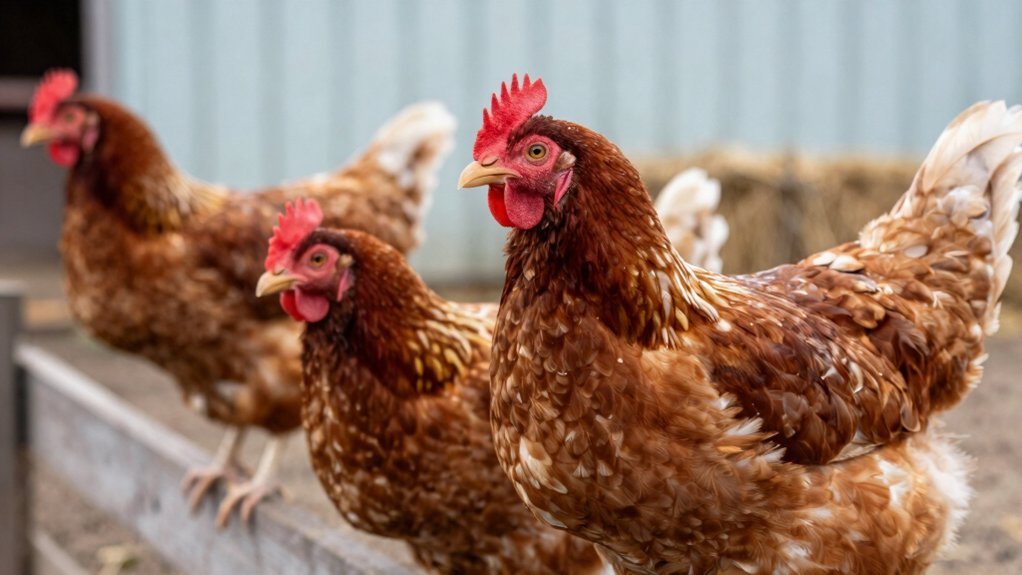
You’re right to worry—soft, balloon‑like crop, sour yeasty breath, and a hunched bird that won’t eat are classic early signs of a sour crop. The crop feels mushy, gurgles when you press it, and the bird may shake its head or stretch its neck. If you notice these clues, act fast: flush the crop, give an antifungal as prescribed, and clean the feed area; otherwise the condition can worsen quickly. Keep an eye out for worsening odor or blood‑tinged vomit, and you’ll know when to call the vet.
What Is a Sour Crop? Quick Definition for Chickens
If you’ve ever wondered why your chicken’s crop looks swollen and smells sour, you’ve asked the right question. A sour crop is simply a crop disorder where the pouch doesn’t empty, so trapped feed ferments. Yeast—especially *Candida albicans*—thrives when the micro‑flora’s out of balance, often after antibiotics, moldy feed, or dirty water.
Here’s the thing: crop contamination isn’t just a smell issue; it signals a digestive blockage that can spread quickly. You’ll see gas, acid, and watery content building up, making the bird uncomfortable and reducing intake.
All right, keep a consistent feeding schedule and clean feeders daily. When you control what and when they eat, you limit the chance for yeast to multiply.
Takeaway: a sour crop equals trapped, fermenting feed—prevent it with hygiene and steady feeding. Next, check how the crop feels and looks. Crucially, a crop that remains full and soft overnight confirms the bird is unable to digest its food properly. Severe cases may require antifungal medication prescribed by a veterinarian to effectively clear the infection. In these serious situations, a vet may also flush the crop to remove the stagnant, fermenting material before starting medical treatment.
Physical Clues: How a Sour Crop Looks and Feels
When you first notice a chicken’s crop feeling soft and balloon‑like, you’re probably wondering if it’s just a full crop or something more. The crop location sits just under the neck, and a sour crop feels mushy, like a water‑filled balloon, rather than firm. You’ll see a rounded, pendulous bulge that stays swollen all day, and gentle pressure may produce gurgling or sloshing sounds.
Here’s the thing: the beak often releases a sour, yeasty odor and wet feathers under it from regurgitation. The feather condition may look damp, and the bird may flick its head or stretch its neck in discomfort.
All right, you can feel tenderness when you lightly press the area; a healthy crop should be flat in the morning. If it remains soft and fluid‑filled, that’s a clear physical clue. This condition is frequently triggered by spoiled or moldy feed which introduces the Candida albicans yeast responsible for the infection. Feeding chickens mold-contaminated feed introduces dangerous fungal toxins that can cause severe digestive issues and potentially fatal liver damage. Stress and poor hygiene are also significant factors that can lead to Candida albicans overgrowth within the crop.
Takeaway: a soft, swollen, gurgling crop with damp feathers signals a sour crop. Next, check your morning routine for early warning signs.
Early Warning Signs to Spot a Sour Crop
You’re probably wondering why your chicken seems fine one moment and then just hangs out with a drooping neck and a sour‑smelling beak. The early warning signs show up as subtle behavior shifts: a reduced appetite, reluctance to drink, and a hunched, fluffy posture that isolates the bird from the flock. You’ll also notice a full crop in the morning, micro‑sized droppings, and gurgling sounds when you press the crop gently.
Now, what do environmental stressors and management practices have to do with it? Heat spikes, sudden temperature drops, or overcrowding can slow digestion, while inconsistent feeding schedules and poor water access exacerbate the problem. It is crucial to distinguish these digestive issues from respiratory distress, as open mouth breathing often signals dangerous infections or airway obstructions rather than crop problems. Just as birds possess sensory receptors for painful stimuli that trigger distinct behavioral changes, a chicken with sour crop will exhibit specific discomfort responses that differ from healthy flock members.
All right, keep an eye on neck stretching, head shaking, and sour breath—those are the first clues that something’s off.
Takeaway: Spotting appetite changes, crop fullness, and odd sounds early lets you act before weight loss or dehydration sets in. Next, check your coop’s temperature and feeding routine to reduce stress. Since the crop is a sac-like storage organ where food ferments during infection, recognizing these specific physical changes helps distinguish sour crop from other digestive issues.
Why a Sour Crop Happens: Main Causes and Risk Factors
Why a sour crop happens is often a mix of yeast overgrowth, stalled crop movement, and feed problems. You’re probably wondering why those things line up, and you asked the right question.
What sparks the yeast bloom?
When Candida finds a warm, moist “stew” in a crop that can’t empty, it multiplies fast. Fermented feed, especially wet or spoiled grain, gives it a perfect playground. Feeding chickens moldy bread introduces toxic molds that can weaken immune systems and exacerbate these fungal issues. Just as pokeweed roots contain high concentrations of toxins that cause severe illness in poultry, consuming contaminated or toxic plant matter can overwhelm a chicken’s digestive defenses and trigger secondary infections.
Why does the crop stall?
Impaction from long grass, string, or a blockage stops normal flow. The retained material ferments, and the yeast gets a free ride.
What environmental stress makes it worse?
Stress triggers like overcrowding, heat, and sudden weather changes weaken immunity and disrupt gut flora, letting yeast take over.
Bottom line: Yeast, stasis, and stress combine to create sour crop. Identify the source, fix the feed or blockage, and reduce stress to keep your flock healthy. Next, check when you should call the vet. While sour crop involves fermentation, distinct conditions like pendulous crop also result from damaged crop muscles that prevent proper emptying and lead to chronic distension.
When to Call the Vet for a Sour Crop (Critical Warning Signs)
You’ve probably wondered why a sour crop sometimes spirals into an emergency, and you’re right to ask. A full, squishy crop that stays that way after overnight fasting is a red flag. If the beak smells foul, yeasty, or putrid and the bird drools or regurgitates, act fast. Repeated head‑flicking, neck‑stretching, or gurgling when you touch the crop signals serious distress.
All right, what makes it critical? Blood in vomit, inability to keep water down, or open‑mouth breathing means dehydration or aspiration risk. Sudden weakness, collapse, or a non‑emptying, hard crop points to blockage that needs urgent intervention.
Here’s the thing: transport logistics matter. A short, safe trip to a clinic reduces stress and improves outcomes. Vet fees can rise quickly for fluid therapy, crop lavage, or surgery, so don’t delay. Take a clear photo of the crop, note odor, and call the vet before the condition worsens. Since standard chickens often live 8 to 15 years compared to the 4 to 8 year average for bantams, preserving their longer potential lifespan makes immediate veterinary care for critical conditions even more essential. Just as attentive management extends the life of Silkie chickens, prompt treatment here safeguards your bird’s long-term health and happiness. Preventing dietary issues like digestive upset from acidic treats is another key factor in maintaining a healthy crop and avoiding these emergencies.