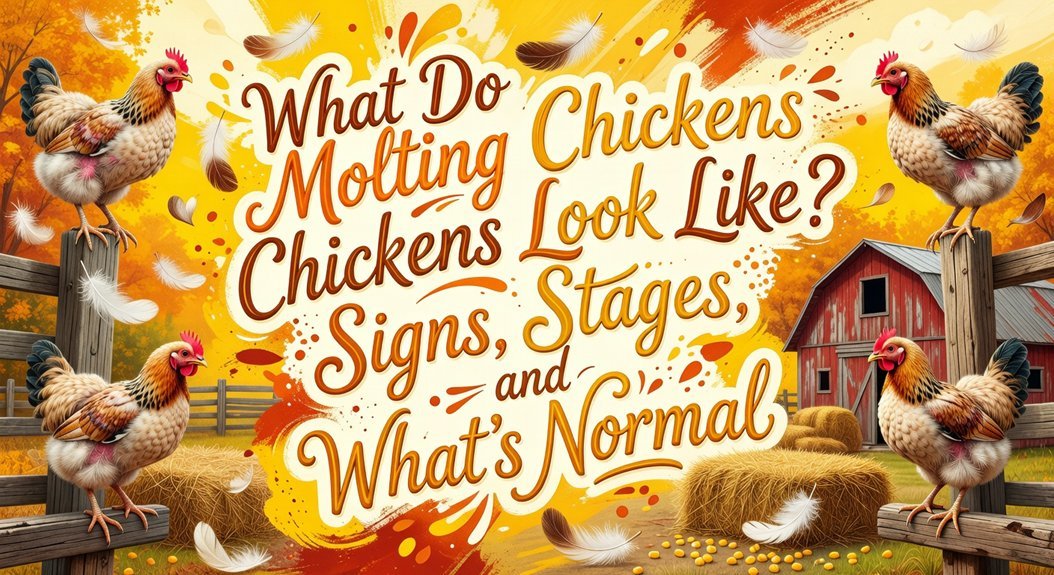
If your hen looks like she lost a fight with a lawnmower, she’s probably just molting — and you’re right to want answers. Molting chickens show patchy bald spots on the head, neck, and back, missing tail feathers, and an overall disheveled appearance that honestly looks alarming. It’s not. The whole process runs 7–12 weeks, moves head-to-tail in a predictable sequence, and comes in dramatic or barely-noticeable versions. Keep reading and it’ll all click.
What Does a Molting Chicken Actually Look Like?
If you’ve walked into your coop lately and thought something was seriously wrong with your chicken, you’re not alone — and honestly, that reaction makes complete sense. Your bird looks like it lost a fight with a vacuum cleaner. Patchy bald spots, exposed bare skin, missing tail feathers, and what appears to be feather discoloration scattered across its back — it’s a lot to process.
Here’s the thing: that disheveled, hot-mess appearance is completely normal. Molting starts at the head and neck, then works its way down toward the tail. You’ll notice bare skin patches that might trigger skin irritation concerns, but unless there’s redness or pecking involved, you’re fine.
Now take a breath — your chicken isn’t sick. It’s just molting. In some cases, the tail feathers are completely lost, leaving the bird looking dramatically stripped down compared to healthy flock mates of the same breed.

Growing healthy feathers requires lots of protein, so it only makes sense to make sure your backyard chickens are in tip top shape with a high protein feed supplement.

SUPPORT SKIN & FEATHERS: Shine is formulated to protect and support all poultry species’ skin and feathers all year and especially during a molt.

34% HIGH PROTEIN: A nutrient-dense treat to help support feather growth, muscle development, and egg production.
What Happens in Each of the 3 Molting Stages?
Once you see those first bare patches appear on your chicken, it helps to know there’s actually a predictable three-stage process unfolding — not random chaos.
Stage one hits when hormonal molt triggers kick in, pushing old feathers out while blood feathers emerge — those pin-like shafts you’ll notice immediately. Here’s the thing: they’re fragile, and breaks cause bleeding, especially in feathered-footed breeds.
Stage two is where feather growth timing becomes obvious. Nubs push through follicles, waxy casings loosen, and your chicken starts preening aggressively. Laying slows or stops entirely because nutrients redirect toward feathers.
Stage three wraps everything up — casings fall off, new feathers unfurl, and that scruffy chaos finally resolves. Whole process typically runs 7-12 weeks. Now you know exactly what you’re watching.
Which Feathers Fall Out First During a Molt?
Watching your chicken look like she lost a fight with a leaf blower is genuinely unsettling — especially when you don’t know where it starts or why. Here’s the thing: molt sequence follows a pretty predictable pattern once you know what you’re looking for.
Feather timing starts at the head. You’ll notice small patches disappearing there first, then the neck goes next. From there, it travels down the back, then the breast, stern, and thighs. Wings follow mid-sequence, and tail feathers? Those drop last.
Now, understanding this feather timing means you won’t panic when your hen looks half-naked. She’s not sick — she’s just working through her molt sequence from top to tail, exactly like she’s supposed to.

Versatile Application: These natural chicken feathers can be used for chick brooder heating plates. It can cover all three sides of the heating plate. One side can observe the internal situation of the heating plate in real time, which is very convenient


Powerful Suction: This chicken and duck electric hair plucker experience the ease of plucking with our advanced suction mechanism.
Hard Molt vs. Soft Molt: How to Tell the Difference
Not all molts are created equal, and that matters more than you’d think when you’re staring at your backyard flock trying to figure out whether something’s wrong or whether your hen is just going through *her thing*.
Here’s the thing — a hard molt hits fast and ugly. Feathers drop overnight, bare patches appear, and your hen looks like she lost a fight with a leaf blower. It’s jarring, but it actually means she’s a strong layer.
A soft molt? You’ll barely notice it. A few feathers here, maybe a thin neck patch. Looks fine, but she’s quietly checked out of egg production for months.
Now, the honest truth — if your best layers are hard molting, that’s a good sign. Don’t panic. Trust the process.
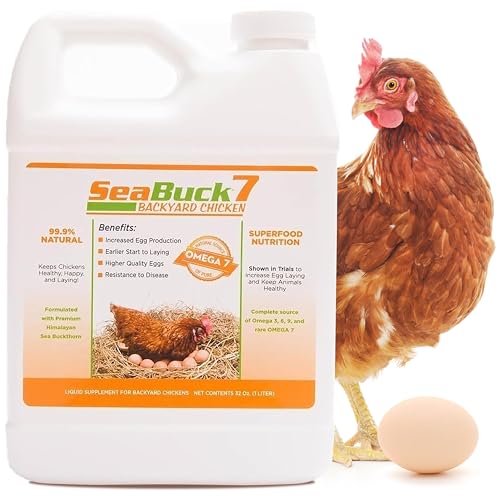
BOOST EGG PRODUCTION – SeaBuck 7 Backyard Chicken (BYC) increases egg production by 50-100%, resulting in larger, harder-shelled, and better-tasting eggs. With SeaBuck 7, you can reduce your chickens and maintain the same egg quantity or increase egg supply for sale & share with neighbors.

Pure Dehydrated Veggies: Premium Chicken Food & Poultry Booster - Our chick feed blend uses 6 veggies (celery, cabbage, bok choy, purple sweet potato, carrot, beetroot) to deliver organic vitamin A for chicken, fiber, and key nutrients. It’s ideal as treats for chickens, treats for laying chickens, and chicken treats for laying hens – no hormones, synthetics, or GMOs. Perfect for organic poultry nutrition and supporting laying hens year-round.

Chicken Supplements - Packed with the essential nutrients your hens need to thrive, these vitamins for chickens support their overall wellness. With a unique formula that combines the benefits of five products in one bag, it's easy to keep your flock happy.
Why Molting Chickens Act Lethargic, Skittish, or Quiet
If your hen is suddenly huddled in the corner, barely moving, and looking like she’s given up on life entirely, take a breath — she’s probably just molting. Here’s the thing: energy shedding during feather loss is biologically expensive. Her body’s basically running a construction project around the clock, so naturally, something’s gotta give — and that something is her usual pep.
Now, you’re not dealing with a sick bird if she’s still eating, drinking, and side-eyeing you normally. Molting chickens pull back from the flock, rest more, and get a little aloof. Totally normal.
But if she’s refusing food or showing respiratory symptoms alongside that feather losspit, call your vet. Otherwise, boost her protein and let her ride it out.
When Should a Molting Chicken Worry You?
Watch your molting timeline carefully. Feather regrowth should start within weeks — if you’re seeing bare patches with zero pin feathers appearing, something’s wrong. Now, labored breathing, bubbling eyes, or nasal discharge alongside feather loss? Stop waiting. That’s illness, not molt.
Pale, shriveled combs, refusing water entirely, or persistent diarrhea also cross the line from “normal renovation” into “call someone who knows chickens.”
Obviously, reduced appetite and quietness are expected. But if your hen’s not drinking, not improving, and not regrowing — you already know what to do.