You’re watching your hens lose their spark because lice slipped in via unquarantined birds or damp bedding. Obviously, injured beaks stop preening, letting bugs colonize fast. Now, direct contact and dirty crates spread them instantly through your flock. Here’s the thing: you can stop this by quarantining new birds and dusting with diatomaceous earth every week. It’s simple if you act before weight loss hits. Stick around, and you’ll see exactly how to wipe them out for good.
What Causes Chicken Lice Infestations?
Look, nothing kills your backyard vibe faster than watching your flock scratch themselves raw while you wonder where you went wrong. You’ve probably missed how injured beaks or lame legs stop your birds from preening properly. Without that grooming, lice like *Menacanthus stramineus* throw a party on their skin. Here’s the thing: if your coop stays damp or lacks ground access, you’re killing natural defenses. Low dust density means ineffective dustbathing, letting those tiny reddish-brown bugs multiply wildly. Obviously, wild birds or new flock members without quarantine bring these pests right to your door. Dirty crates and egg flats act as Trojan horses too. Young chicks suffer most, sometimes fatally, while adults just lose weight and stop laying. Fix your drainage, offer dry dirt, and quarantine newcomers. It’s that simple to stop the itch before it starts. Remember that warm, cramped environments such as dust baths and nooks promote rapid spread, so ensure your birds have ample space to avoid accelerating the infestation.
How Lice Spread Between Birds in Your Flock
Lice don’t just show up out of thin air; they hitch a ride on your birds the moment you let them huddle up. You’ve seen them roost tight together, right? That’s exactly how direct contact works. They crawl from vent to breast while your flock snoozes, turning a single infested hen into a whole-house problem overnight. Now, here’s the thing you might miss: it isn’t just feathers touching. Equipment contamination plays a huge role too. Those borrowed crates, dirty egg flats, or even loose feathers in the bedding? They’re basically lice taxis waiting for new passengers. Wild birds and rodents drop them off, but your overcrowded, humid coop invites them to stay. Obviously, skipping quarantine for new birds guarantees disaster. Stop the spread by isolating newcomers and cleaning everything. You’ve got this; just break the cycle before it breaks your flock.
Signs and Symptoms of Lice on Chickens
You’ve stopped the spread, cleaned the crates, and isolated the new hens, so why does your flock still look miserable? Watch closely because behavioral changes often scream before you see a single bug. Your normally perky birds might act withdrawn, sluggish, or just too tired to move. They scratch constantly against fences, pulling at their own feathers in frustration. This excessive grooming creates obvious feather damage, leaving patches ragged, broken, or missing entirely. Check their vents for dirty, matted plumage or pale combs signaling anemia. You’ll spot red, irritated skin or even tiny creatures crawling near the tail base. Weight loss and dropped egg production confirm the stress. Don’t wait for visible nits; trust these early warnings. Catching these signs now saves your flock from severe suffering later, so grab your flashlight and inspect every bird immediately.
How to Identify Chicken Lice and Nits
So, how do you actually spot these tiny freeloaders before they turn your flock into a featherless mess? Grab a flashlight and part those feathers near the vent. You’ll see fast-moving, beige bugs crawling at the base. Unlike nocturnal mites, lice party during the day, feeding on skin debris, not blood. Check under wings and around the neck for white nit clusters firmly glued to shafts. If they flake off easily, you’re looking at mite dander instead. Understanding the lice lifecycle helps you catch them early before infestation explodes. While nit removal sounds intimidating, spotting those translucent eggs is your first real victory. Brooding hens need extra attention since they’re sitting targets. Obviously, monthly inspections save major headaches later. Don’t wait for bald spots; act now while you can still see the critters scurrying around.
Treating Lice on Infected Chickens Effectively
Why let those tiny hitchhikers turn your prize hens into featherless scarecrows when you can kick them to the curb today? You need to treat every bird immediately, even if only one looks itchy. For severe cases, Permethrin powder works wonders directly on feathers, while Ivermectin offers broad-spectrum relief under veterinary guidance. Prefer an organic treatment? Try dusting with Diatomaceous Earth or spraying diluted Neem oil, though you’ll need repeat applications. Here’s the thing: Egg detection is tricky because nits resist most sprays. You must re-treat your flock every seven to fourteen days to catch newly hatched lice before they mature. Obviously, skipping this step means starting over. Don’t gamble with half-measures; commit to the full cycle now. Your hens will thank you with full, healthy plumage very soon. Just get started today.
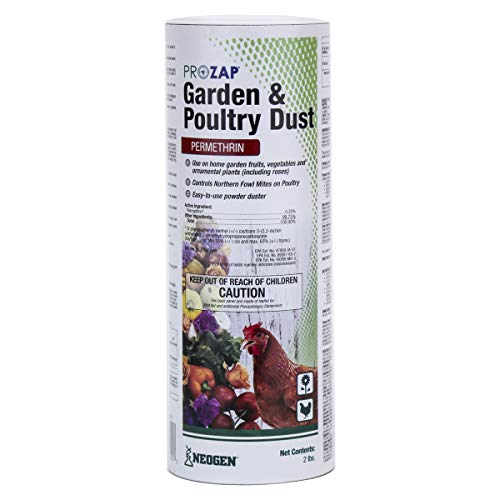
Permethrin dust for use on poultry, garden plants and vegetables
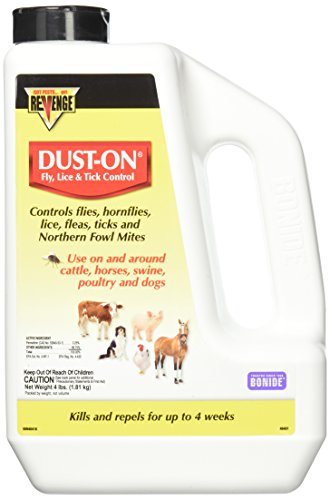

Cleaning Your Coop to Eliminate Chicken Lice
Even after you’ve treated every bird, those tiny hitchhikers are probably still throwing a party in your coop’s cracks until you tear the whole place down. You gotta strip out all bedding and burn it; don’t risk reinfestation by saving old stuff. Pressure wash every ramp and crevice, scrubbing walls hard because mites hide deep. Now, here’s the thing: you need a thorough deep cleaning to kill survivors lurking in wood. Sprinkle food-grade Diatomaceous Earth on the floor and let it settle for two hours while birds stay out. Don’t forget their dust bath! Fill it with fresh wood ash or DE so they can naturally combat lice. Obviously, wood components hold pests longer, so consider metal swaps later. This approach works if you want total elimination now. Go ahead and scrub that coop clean today; your flock will thank you.
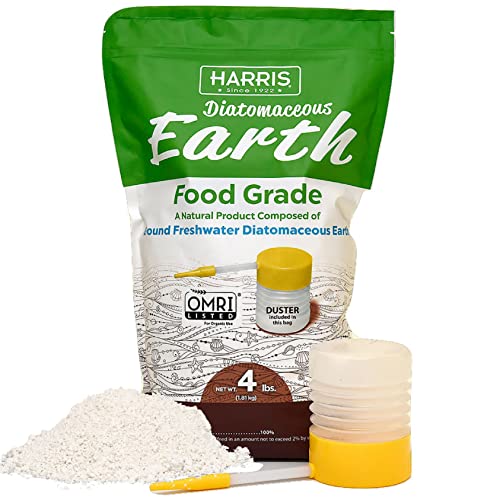
Natural Product - Composed of 4lbs of 100% ground freshwater diatomaceous earth with absolutely no additives or fillers.

100% Chemical-Free: Made from 8oz of food-grade freshwater diatomaceous earth with no additives or fillers. Safe for use around children, pets and farm animals when used as directed.

100% Chemical-Free: Made from 5lbs of food-grade freshwater diatomaceous earth with no additives or fillers. Safe for use around children and pets when used as directed.
How to Prevent Chicken Lice Recurrence
Since you’ve just scrubbed your coop until your arms ache, the last thing you need is watching those pesky lice throw a comeback party next week. Here’s the thing: you must stick to a strict dustarantine duration for any new birds, isolating them for thirty days before they meet your flock. Obviously, skipping this step lets hidden pests wreck your hard work. Now, focus on your dust‑bath composition. Mix wood ash, compost, and food-grade diatomaceous earth to create a barrier that suffocates lice naturally. You need to repeat treatments three to four times weekly for three full weeks because those stubborn nit eggs don’t die on the first hit. Monitor your chickens daily for redness or clumps; early detection breaks their lifecycle fast. Don’t let one infested bird restart the cycle. Commit to this routine now, and you’ll keep your flock resilient without the rework.

Supports Healthy Feathers & Skin: This 20-pound bag is made with food-grade diatomaceous earth and calcium montmorillonite clay, this dust bath absorbs excess oils, keeping your flock’s plumage clean.

Spa-Like Cleanliness for Your Flock – Premium all-natural blend with food-grade diatomaceous earth, kaolin clay, and zeolite to promote healthy skin, glossy feathers, and natural hygiene—no harsh chemicals!

Supports Healthy Feathers & Skin: You will receive 2 bags (20 pounds each), made with food-grade diatomaceous earth and calcium montmorillonite clay, this dust bath absorbs excess oils, keeping your flock’s plumage clean.
Stopping Wild Birds and Rodents From Bringing Lice
You’ve scrubbed, dusted, and treated your flock, only to watch wild birds swoop in and drop fresh lice right onto your hard work. It’s frustrating, but here’s the thing: those titmice and cardinals love your chicken feed. You need smarter feed feed design that blocks wild access while letting your hens eat. Obviously, open trays invite disaster. Now, look at your coop sealing. Tiny gaps let rodents sneak in, carrying their own nasty mites. Seal every hole; mice don’t need much space. Wild birds spread lice bidirectionally, so netting your run isn’t optional anymore. Rodents hide in nesting materials, so keep things clean and elevated. Stopping these vectors requires vigilance, not just chemicals. If you ignore wildlife, you’re fighting a losing battle. Secure your food, seal your structure, and finally break the cycle. Your flock deserves that peace of mind today.

BIRD NETTING FOR CHICKEN COOP: Are you worried that hawks or owls might attack your chicken? This high-tenacity nylon netting features ultra-strong multifilament fibers—finer than ordinary coarse ropes yet with a 5.26kg tensile strength for superior tear resistance. You can keep Keep predator like hawks or owls out by simply draping your chicken run with this mesh netting. It keeps your chicken safely contained—no more jumping into neighbor's yard or destroying your garden!

Reliable Netting for Garden Protection: Our bird netting for garden is designed to safeguard your plants, fruit trees, and vegetables from birds, deer, squirrels, rabbits, and other animals. This lightweight yet strong garden netting is difficult to tear or damage by squirrels and other small rodents. It is temperature-resistant, cold-resistant, and usable year-round.

Size: Deer netting size 7 feet x 100 feet; garden netting mesh size 3/4"; color: black; Easy to use accessories included: 10pcs installation nails & 50pcs cable ties