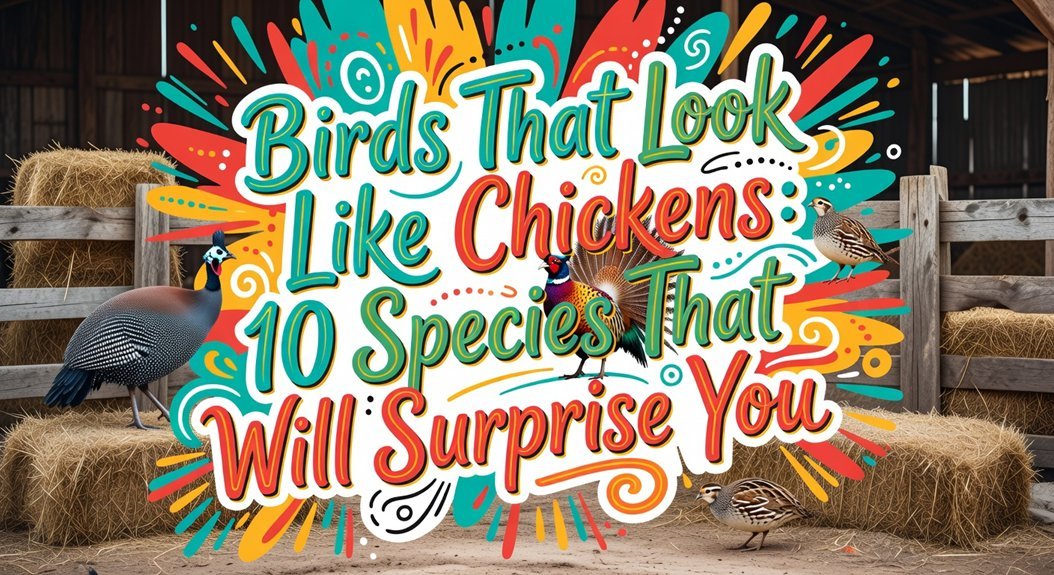
You’re staring at that flash of gold, wondering if it’s a chicken cousin you can actually keep. All right, here’s the thing: Red Junglefowl are your true ancestors, while Grey Junglefowl gave you yellow skin. Peafowl and Golden Pheasants offer stunning visuals but need serious space. Rock Partridges fit tight balconies, yet Capercaillies demand vast forests. Obviously, loud Chachalacas aren’t for quiet suburbs. These picks match your specific setup, making your choice simple. Stick around to see exactly which bird fits your yard.
Meet the Red Junglefowl: The True Wild Ancestor of Chickens
Look, if you’re standing there wondering why your backyard flock acts so tame while still sporting those wild instincts, it’s because you’re basically looking at a domesticated version of the Red Junglefowl. You’re seeing 9,500 years of history right in your coop. These birds aren’t just pretty faces; they’re the original blueprint. While your hens peck at layer crumbles, the wild ancestors scour Southeast Asian scrub for a specific Red Junglefowl diet of seeds and insects. It’s tougher out there. You might notice strange dances during spring; those aren’t glitches, they’re ancient Junglefowl mating rituals hardwired into their DNA. Obviously, your birds won’t fly off into mangroves, but that fierce spirit remains. Don’t let the fluff fool you; these guys survived millennia before humans ever showed up with grain. If you want to understand where your eggs really come from, stop guessing and accept the wild truth. Your flock’s behavior makes perfect sense now, doesn’t it? Embrace that connection today.
Discover the Grey Junglefowl’s Close Genetic Link to Poultry
Ever wonder why your chickens sport those bright yellow legs when their wild Red Junglefowl ancestors definitely don’t? You’re staring at a genetic gift from the Grey Junglefowl. It’s not just a casual mix; it’s significant introgression introgression that changed poultry forever. Specifically, BCO2 introgression from Grey ancestors regulates that bright yellow skin phenotype you see in billions of domestic birds today. While Red Junglefowls lack this trait, Grey ones crossed with early domestic chickens, passing down genes like *TKT* and *CRYAB* for growth and heat shock resistance. Obviously, this admixture on chromosome 24 isn’t random; it’s a survival upgrade. You get disease-resistant flocks that ditch leucosis susceptibility after just three generations. If you want robust birds, acknowledging this Grey link is your smartest move. Don’t ignore the wild diversity that makes your backyard flock thrive; it’s the obvious choice for resilient poultry.
See How the Indian Peafowl Expands the Chicken Family Size
Although you might think your chicken coop is the end of the Galliformes line, adding Indian Peafowl actually expands your flock’s family tree in ways you didn’t expect. Sure, they split thirty million years ago, yet you’ll find they share those same paired caeca with your hens. Now, don’t assume they eat identical scraps; a proper peacock diet demands varied fruits and protein-rich game feed alongside your standard grains. You need habitat diversity too, because while they coexist peacefully, these big birds require ample space to display those massive trains without bullying your smaller flock. Obviously, they aren’t for tiny backyards, but if you’ve got room, their pest control skills are unmatched. They’ll clear insects and rodents faster than any chicken could dream. So, if you’re ready to upgrade your barnyard biodiversity with some serious flair, making this swap feels like the smartest move you’ll make all year.
Explore the Golden Pheasant’s Vibrant Relation to Domestic Fowl
While you’re probably tired of plain brown hens clucking around the same old coop, the Golden Pheasant bursts onto your property like a living jewel that actually shares DNA with your domestic fowl. You’ll spot that vibrant plumage immediately on the males, featuring bright red crests and golden rumps that scream “exotic,” yet females mimic your subdued brown hens perfectly. Here’s the thing: they’re hardy birds suitable for any climate, but you can’t just shove them into a standard chicken coop. They demand specific flight space requirements because they fly far more than your backyard poultry. Obviously, you’ll need soft roof netting for their spacious aviary. If you’re ready to upgrade from ordinary cluckers to a historic breed George Washington once kept, this stunning Phasianidae family member is your smart, colorful next step.
Compare the Rock Partridge’s Compact Build to Small Chickens
If you’re sweating over whether a Rock Partridge fits your tiny coop better than those bantam chickens you’ve been eyeing, let’s cut the confusion right now. You’ll find both share compact breeds with stocky, rounded bodies under forty centimeters. While partridges weigh less, their thickset limbs mirror your bantams’ sturdy stance perfectly. Notice how their grayish-brown plumage patterns mimic speckled chicken feathers, blending seamlessly into rocky terrain. Obviously, both birds scratch soil for food, creating a significant diet overlap that simplifies feeding. Their nesting habits differ slightly since partridges prefer rocky outcrops, yet they still seek low, sheltered spots like your chickens do. All right, here’s the thing: if you want a ground-dwelling bird that visually duplicates a small chicken without the bulk, this match works. Stop hesitating; the silhouette alone convinces most folks instantly. Just as you must align arrows on coop components to ensure correct assembly orientation, recognizing these specific physical markers guarantees you identify the right species for your setup.
Identify the Helmeted Guineafowl’s Unique Chicken-Like Features
You’ve probably stared at that speckled bird in the neighbor’s yard and wondered if it’s just a chicken wearing a weird hat, especially after seeing how well partridges mimic bantams. That’s the Helmeted guineafowl, and its chicken like anatomy is uncanny. You’ll spot familiar eyes, beaks, and sturdy shanks on that round, terrestrial body. It runs instead of flies, just like your barnyard hens. Now, look closer at that bony helmet; it’s a dull yellow crown unique to this species. Their social behavior mirrors chickens too, forming tight flocks of about twenty-five birds. These flock dynamics mean they roost communally and even pair for life within the group. Obviously, they’re great at eating ticks on your farmland. If you want a hardy, gregarious bird that fits right in with your existing coop crew, this African native is your smart, no-nonsense choice.
Understand the Wild Turkey’s Role as a Massive Galliform Relative
Since you’re already eyeing the guineafowl but worry it’s too small to make a real statement, let’s talk about the heavy hitter of the chicken world: the Wild Turkey. You want impact? This bird delivers with its massive size, tipping scales at thirty pounds while striding through woods like a miniature dinosaur. Obviously, you can’t keep one in a backyard coop, but understanding their role clarifies the Galliformes family tree. Their habitat range stretches from southern Canada deep into Mexican valleys, covering nearly every U.S. state except Alaska. You’ll find five distinct subspecies, each adapted to specific terrains, proving their incredible versatility. While guineafowl chatter, tom turkeys puff up and gobble to dominate courtship scenes. If you need a bird that commands respect rather than just blending in, this ancestor of your Thanksgiving dinner is the ultimate choice for appreciating nature’s grandeur.
Learn Why the Japanese Quail Is the Smallest Chicken Cousin
Maybe you’ve stared at your cramped backyard or tiny balcony and thought, “There’s no way a chicken fits here,” and honestly, you’d be right to worry about space. But consider the Japanese quail instead. These birds boast rapid growth, reaching fast maturity in just eight weeks. You get dense egg production without needing much room. Their compact size allows high density farming, perfect for low space areas. Obviously, you want high meat yield without high costs. This species delivers exactly that with low feed cost. Easy husbandry makes them ideal for beginners. You achieve a small farm footprint while maximizing output. Unlike giant grouse, these fit anywhere. They’re the practical choice for tight spots. If you need efficiency, this is it. Don’t let limited area stop you. Start small, grow fast. Your balcony becomes a farm. Choose wisely today. Females can lay approximately 300 speckled eggs per year, ensuring a consistent supply from your compact setup.
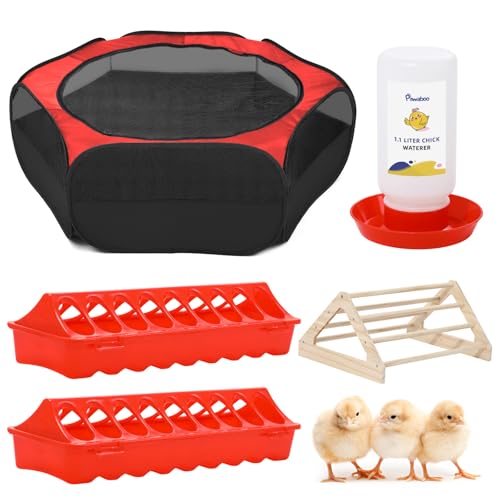
【5-In-1 Chicks Starter Kit】 Chicken brooder box set for chicks, suitable for starter to feed chick at home. Package content: 1*Chick brooder box, 1*chicks perch, 2*18 holes feeder, 1*water feeder, 1*chick feeding instruction manual.

Getting Started: Step 1: Brooding (First 6 weeks of life) - For the first 6 weeks, the brooder supplies the necessary heat and comes with starter feeders and starter drinkers. You may remove the heating unit earlier than 6 weeks if your chicks no longer need supplemental heat.

DESIGN FEATURE: Wide-mouth mason jar compatibility allows for easy refilling and monitoring of feed and water levels through transparent glass jar
Examine the Western Capercaillie as a Giant Forest Grouse
All right, if the quail was your answer for a tiny balcony, let’s be real: you’re not going to squeeze a Western Capercaillie into that same spot. These giants demand a massive forest habitat, specifically old coniferous woods with dense undergrowth. You won’t find them in your backyard; they need sprawling, unbroken landscapes across montane Europe. Males weigh up to five kilograms, sporting iridescent breasts and red eye combs, while females stay smaller with mottled brown feathers for camouflage. Their diet shifts dramatically with seasons, moving from summer blueberries to winter pine needles. Obviously, digesting those tough needles requires powerful gizzards and constant feeding. If you crave observing nature’s heavyweights in their natural element rather than keeping pets, this species fits your wilder interests perfectly. Just don’t expect them to lay eggs on your porch.
Analyze the Chaco Chachalaca’s Distinct Traits Within Cracidae
While you might be scanning the Cracidae family for something that fits a slightly more manageable space than those forest giants, don’t let the Chaco Chachalaca‘s “chicken-like” label fool you into thinking it’s a backyard buddy. Sure, their hab size stays compact under two pounds, but these birds demand wild thickets, not coops. You’ll notice their social structure shifts wildly from small squads to massive hundred-bird flocks in Argentine fields. Now, their nesting behavior shocks most; chicks flee the nest within a single day, mastering flight almost immediately. Obviously, you can’t cage that instinct. Their vocal repertoire explodes day and night, triggering raucous choruses that echo through dry seasons. If you want a true Cracidae experience without the giant curassow footprint, this scrappy survivor fits your bill perfectly. Just accept the noise, and you’re golden.