You see those curled talons digging into your hen’s feet, causing pain you can’t ignore. All right, wrap her in a towel, shine a light to spot the quick, and clip just 1/16 inch at a time. Obviously, dark nails need extra caution since you’re guessing where the vein hides. If you bleed, hit it with styptic powder immediately. This method stops infections before they start. Stick around, and you’ll master the exact rhythm for stress-free trims.
Why You Need to Trim Overgrown Chicken Nails
If you’ve ever watched your hen waddle like she’s wearing tiny stilts, you know the problem isn’t just awkward—it’s painful. Those overlong nails force toes into unnatural curls, causing chronic pain that stops your flock from scratching normally. You’ll see sedentary birds develop extreme overgrowth quickly, leading to permanent nail deformation if you ignore it. Now, here’s the thing: neglected feet invite bumblefoot infections and mite infestations under raised scales. Obviously, this decline hurts their overall health health status considerably. Longer nails even extend the quick further out, making future fixes riskier. Weekly trimming restores mobility before permanent damage sets in. Don’t wait until your hen can’t walk right; catching funky growth early saves endless trouble. Taking action now keeps your girls active, pain-free, and happily pecking around the yard without those debilitating foot issues holding them back today.
Gather Essential Chicken Nail Trimming Tools
Since you’ve probably tried wrestling a squirming hen with nothing but kitchen scissors and ended up with a bloody mess, let’s get you the right gear before you tackle those talons again. You need proper nail clippers, specifically guillotine-style ones for precision or plier-types with safety guards. Large dog clippers work wonders on rooster spurs, obviously. Rotary tools like a Dremel offer a solid alternative, grinding nails smoothly to avoid crushing or cracking the sheath. Sure, the vibration might spook some birds, but it beats jagged edges. Keep styptic powder handy because accidents happen even to pros; cornstarch works in a pinch too. Grab a damp rag to wipe away mud so you see the quick clearly. A headlamp helps spot veins in light nails. Now, choose your weapon wisely. This setup makes trimming safe, quick, and surprisingly stress-free for both of you. Having a helper hold the bird steady will speed up the process and ensure a calm environment.

B0071DJ686

GUILLOTINE-STYLE DESIGN FOR PRECISE NAIL CUTTING: The slip-through opening allows you to position the nail before squeezing the handle to clip, giving you control over how much nail is removed with each pass compared to scissor-style clippers.

Easy to Use & Precise: Candure cat claw clippers are designed for effortless trimming. Our user-friendly cat clippers features precise edges, ensuring a comfortable & accurate trimming experience for your beloved companion.
Restrain Your Chicken Calmly for Safe Trimming
Although you might think wrestling a flapping hen onto a bucket sounds like a rodeo event you didn’t sign up for, let’s be real: trying to trim talons on a bird that’s doing the cha-cha is a recipe for sliced fingers and traumatized poultry. Now, grab that cal towel and wrap your feathered friend snugly, pinning wings down so they feel secure rather than exposed. Speak in a calm voice while you settle them into your lap, facing away for easy access. You need a feathered grip that holds firm without crushing; apply gentle pressure to each toe between your thumb and forefinger. Obviously, struggling means you’re holding too loose or too tight. This method stops the dance before it starts. Proper restraining the bird prevents nail‑related problems caused by sudden movement during the trim. Once they stop squirming, you’re ready to clip safely. Trust me, a calm chicken makes this whole ordeal surprisingly quick and painless for everyone involved.

Set of three delightful Farmhouse Chicken kitchen towels featuring chickens, chicken footprints, hearts, and polka dots in shades of red and tan

Premium Material: These hanging kitchen towels are crafted from high-quality polyester, offering a cloud-like softness. Their unique capillary structure ensures superior absorbency, wicking away moisture instantly. Highly breathable and quick-drying, they remain fresh and hygienic at all times.

Package Including: you will receive 4 pcs farmhouse chicken hand towels; They are gentle on the skin and strong absorbent, ensuring quick drying without any discomfort; The sturdy 100% cotton material ensures they withstand multiple washes without fading, fraying or pilling, ensuring you can long time to use
Locate the Quick on Light and Dark Nails
How do you spot the danger zone when the nail looks like a chunk of coal? You’re staring at dark pigment, and quick visibility is basically zero. It’s frustrating, right? Don’t sweat it. Here’s the thing: you need the backlighting technique. Shine a flashlight behind the claw; the light stops at the quick, revealing that red blood supply. Obviously, light nails are easier since you see the pink vein directly. But don’t trust your eyes alone. Watch for the color shift as you shave tiny bits upward. The tip changes from dark to light right before you hit the pulp. If you see a white circle, stop immediately. This method saves your hen from pain. Now you know where to cut, so grab those clippers and make the smart choice for your flock’s safety. Just like with dogs, keeping styptic powder ready ensures you can instantly stop any bleeding if you accidentally cut too deep.

【Save Time and Money】 Our professional nail clippers for small animals is super easy to use which will allow you to take care of your at home,no more spending time and money at the vet.

For Call Ducks:Specifically engineered to meet the delicate nail-trimming needs of Call ducks, fragile nails without causing stress or injury to your pets.

ENHANCED VISIBILITY: Semi-circular blade design offers a clear view for precise cat or dog nail trimming and grooming
Clip Small Amounts of Chicken Nail at a Time
You’ve got the flashlight trick down for spotting that hidden quick, but now comes the part where most folks get twitchy and cut too deep. Don’t rush it. You need perfect quick timing to avoid bleeding, so grab those cat scissors and snip just 1/16 inch off dark nails initially. Watch closely; when the color shifts from light to dark, you stop immediately. Obviously, hacking off huge chunks invites disaster. Instead, adopt a gradual technique by trimming tiny bits every two weeks, letting the quick recede naturally over a month. Hold the foot firm, isolate the toe, and shave small pieces up the length if they’re excessively long. This patience prevents pain and keeps your hen scratching happily. It’s not a race, friend. Take your time, observe that semi-circle shape, and file rough edges later. You’ll master this safe approach quickly if you respect the slow pace. Trust the process, and you won’t regret waiting.

DURABLE RUST RESISTANT Sharp Stainless Steel: Forging press manufacturing process enables high-density steel that makes 3 times harder than the normal stainless steel and are smoother cutting.
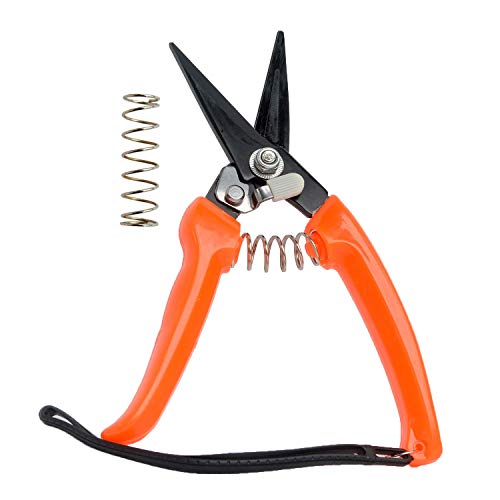
Multi-Purpose hoof trimmers do the daily trimming jobs for goats, sheep, lamb, alpaca nail hooves etc

These cat and dog grooming scissors are great for trimming between full grooming sessions.
Treat Bleeding if You Cut the Quick Accidentally
Even when you’re trying your hardest, accidents happen, and suddenly you’re staring at a bleeding toe while your heart drops. Don’t panic; you’ve got this. First, apply firm pressure with clean gauze for a full minute without peeking. Combine that pressure elevation by lifting the leg slightly to slow blood flow. If it keeps oozing, grab some all-purpose flour. Seriously, plain flour works as an effective styptic alternative when you lack commercial powders. Pack it tight into the quick and hold. Obviously, specialized styptic products like Quick Stop act faster and sting less, making them worth keeping in your coop kit. Avoid silver nitrate sticks unless you want to hear your hen squawk. Just keep calm, maintain pressure, and let the clot form. You’ll have her back to scratching in no time. Remember that flour applied directly absorbs blood and promotes clotting without causing additional pain to your bird.
File Rough Chicken Nail Edges to Prevent Scratching
Now that you’ve stopped the bleeding and your heart rate is back to normal, let’s tackle the jagged mess those clippers left behind. You don’t want those sharp points scratching your hen’s eyes or snagging on coop walls. Grab a rough grit file or even a Dremel if you’re feeling fancy. Obviously, you’ll need to wipe those muddy feet first so you can actually see what you’re doing. Support the whole foot firmly; nobody likes a wobbly toe. File downward in tiny increments, smoothing those rough edges gently. This edge polishing isn’t just cosmetic; it’s essential for long-term foot health. Sharp curls cause real pain and invite pecking from flock mates. Take your time, check your work, and guarantee every nail feels smooth to the touch. Your chicken will thank you with safer scratching and happier steps around the yard today.
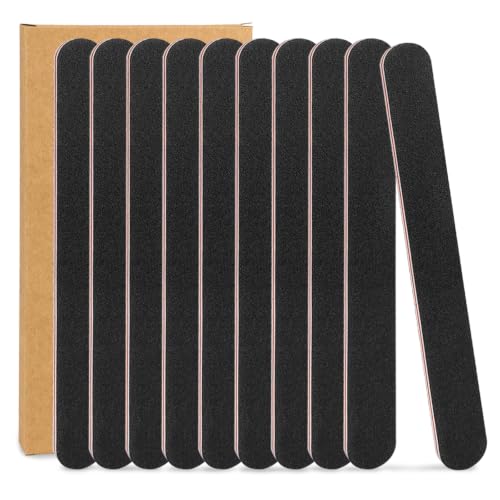
Buy in Bulk & Premium Packaging : Each pack contains 10 black straight nail files, arranged in 5 rows and 2 layers inside an exquisite kraft paper box for neat storage and gift-giving. Built with red high-quality PP core layer in the middle, the nail files own great toughness, sturdy and durable for long-term use.
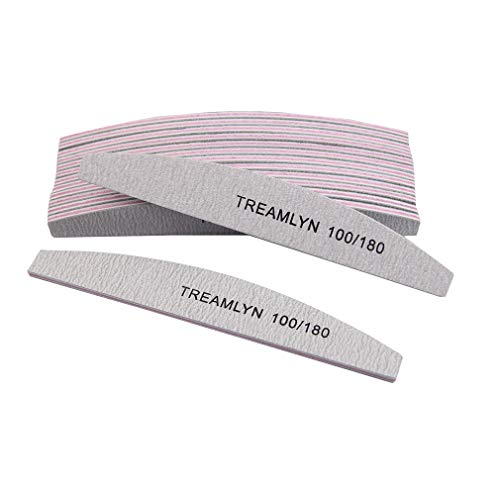
MULTIPLE USEGE - 10Pcs high grit nail files great for filing nails before nail treatment and nail extension. Ideal for your natural, artificial and extension nails, manicure and pedicure, also for your pet nail grooming

Perfect Nail File Size - Half-moon shaped 180/240 grit nail files. Double Sided emery boards for nails - 180 grit files are commonly used to shorten and shape natural nails; 240 grit is commonly used to prep nails, filing weak or thin nails, or buffing. Keep the nails beautiful all the time!
Schedule Your Next Chicken Nail Trimming Session
Since you’ve just smoothed those jagged edges, you’re probably wondering how soon you’ll have to wrestle your hen again, and honestly, that depends entirely on her lifestyle. If she’s cooped up during winter, you’ll need a tighter season schedule because cold confinement stops natural scratching. Free-range girls? They might go years without your clippers. Now, watch for twisted nails or visible quicks; those signal immediate action. Aging hens or breeds like Silkies often need seasonal adjustments since their activity drops. You should check them biannually, but severely overgrown claws require weekly conservative trims until the quick recedes. Obviously, dark nails hide danger, so trim less and wait more. Don’t guess—observe her walking. If she stands flat without twisting, you’re done. Create a calendar based on her specific needs, not a generic rule. This approach saves stress for both of you. Remember that natural digging usually files nails down sufficiently for most birds. Ready to plan? Your hen’s comfort waits on your decision.