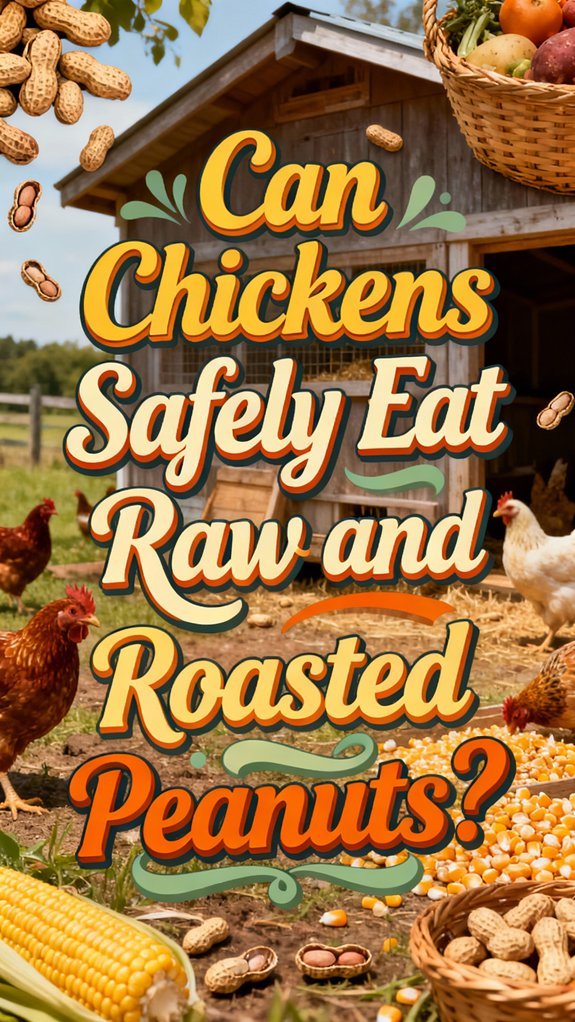
You shouldn’t feed your chickens raw peanuts due to dangerous compounds like peanut lectin and trypsin inhibitors that damage their digestive systems. Roasted peanuts are safer since heat denatures these harmful substances. They’re rich in protein and provide nutritional benefits when offered occasionally as treats. Always choose unsalted, oil-free roasted varieties and avoid shells for young chicks. Research shows ideal inclusion rates enhance egg quality without negative effects, though proper sourcing and storage remain critical for preventing aflatoxin contamination and ensuring your flock’s wellbeing.
The Dangers of Raw Peanuts for Chickens
Raw peanuts pose five significant health threats to chickens that you should understand before offering them as feed. Peanut lectin damages your chicken’s digestive system, compromising nutrient absorption and overall health. Trypsin toxicity presents an even graver concern—this enzyme can prove fatal to poultry, particularly smaller breeds. Additionally, improper storage of raw peanuts encourages aflatoxin contamination from mold growth, which irreversibly damages chicken livers. The high fat content in raw peanuts promotes obesity and fatty liver syndrome when consumed excessively. Finally, whole raw peanuts create choking hazards for young chicks. Peanut shells themselves are nutritious and safe for chickens to eat, containing protein, fiber, and cellulose, which demonstrates that processed peanut products offer a safer alternative to raw nuts. You’ll protect your flock most effectively by avoiding raw peanuts entirely and choosing safer feed alternatives or properly processed peanut products specifically formulated for poultry consumption.
Why Roasted Peanuts Are the Safe Choice
You don’t need to abandon peanuts entirely for your flock—you’ll simply need to process them properly. Roasting substantially reduces trypsin inhibitors and weakens lectins, eliminating the primary anti-nutrient concerns associated with raw peanuts. Heat denaturation during proper roasting denatures these problematic compounds without requiring specialized equipment. Sprouted lentils, which provide a nutrient-rich diet, can also be beneficial to chickens when combined with roasted peanuts.
For safe feeding, source roasted peanuts from reputable suppliers tested for aflatoxin compliance. While roasting doesn’t eliminate mold-produced mycotoxins, commercially processed nuts meet regulatory safety standards. Store roasted peanuts in cool, dry conditions to prevent post-roasting fungal growth. Remember that moldy food can lead to serious health complications including botulism, so always inspect peanuts before offering them to your chickens.
Serve unsalted, cooled peanuts in small portions alongside balanced feed. Crush or chop pieces for smaller birds to reduce choking hazards. Discard any nuts showing mold or off-odors immediately. This approach minimizes cumulative toxin exposure while providing beneficial protein and energy.

DRY ROASTED PEANUTS: Enjoy the classic flavor of Planters Dry Roasted Peanuts, dry roasted and seasoned with sea salt giving it that classic rich, nutty taste

Dry roasted unsalted peanuts

Dry roasted salted peanuts
Nutritional Benefits of Peanuts for Poultry
Peanuts deliver substantial nutritional value to poultry beyond their safety profile when properly processed. You’ll find that peanut protein serves as an excellent soybean meal replacement when supplemented with limiting amino acids like threonine. High-oleic peanuts enhance your broilers’ fatty acid profiles, increasing apparent metabolizable energy by improving nutrient uptake considerably. Your feeding strategies benefit from peanuts’ vitamin E, niacin, and mineral content—particularly calcium and phosphorus for eggshell quality and zinc for bone development. Additionally, the addition of commercial feeds that combine with peanuts can further optimize nutritional balance in your chickens’ diets. Incorporating peanuts as part of a balanced diet allows for optimal chicken nutrition, ensuring that your flock receives the essential components necessary for health and productivity. Antioxidants including phytosterols and resveratrol reduce inflammation while supporting reproductive capabilities. However, allergenic potential exists and chickens can develop adverse reactions to peanuts, so introduction should be gradual and monitored. Research demonstrates that high-oleic peanut-fed hens produce eggs with 1.35-fold higher β-carotene levels and 2-fold greater yolk color intensity compared to conventional diets, making peanuts a nutrient-dense alternative feed ingredient. Moreover, chickens can safely enjoy a variety of protein sources, including nutrient-rich shrimp, enhancing their overall dietary variety.
Understanding Peanut Shells as Feed
After hulling operations separate kernels from their protective casings, peanut shells represent a valuable byproduct that’s safe for chicken consumption and rich in fiber and cellulose. You’ll find that modern peanut shelling techniques produce uniform shell fragments ideal for chicken diet integration. Corn, as a nutritious supplement, is a common food source that complements various diets. Providing a complete layer feed that meets the hens’ nutritional requirements can further enhance their overall health and egg production. Additionally, maintaining proper nutrition can help prevent conditions like vent prolapse in laying hens. Supportive care, such as maintaining a balanced diet, is essential for the health of all chickens, particularly in preventing diseases like coryza that can affect their well-being. Herbs like oregano can also contribute to a balanced diet, boosting the immune system of chickens.
You can feed shells raw or roasted, though you should crush them into manageable pieces to facilitate digestion. Roasted shells require cooling before serving—never add oil or butter. Breaking shells reduces choking hazards and supports digestive efficiency in adult chickens. Research has demonstrated that peanut shell diets maintain consistent egg production and body weight in laying hens compared to traditional feed options.
You must avoid offering shells to young chicks, as their delicate digestive systems can’t handle the material safely. For adult birds, shells serve as an excellent supplemental treat that reduces agricultural waste while maintaining egg production and body weight without compromising nutritional outcomes.

Attracts a wide variety of wildlife including chipmunks, cardinals, blue jays and more!

IDEAL FOR CARDINALS, Woodpeckers, Jays, Chipmunks, Squirrels and more.

IDEAL FOR WILD BIRDS such as Cardinals, Nuthatches, Woodpeckers, Towhees, Indigo Buntings, Jays and more
Essential Feeding Precautions and Guidelines
Because raw peanuts contain harmful enzymes—specifically peanut lectin and trypsin—that’re toxic to poultry, they shouldn’t be fed to your flock despite the absence of significant solanine evidence in their green skin. Instead, opt for roasted peanuts prepared without oil or butter, then cooled completely before serving. Providing calcium sources like oyster shells can also be beneficial for overall hen health during egg production.
Establish feeding schedules that limit peanuts to occasional treats, as their high fat content can unbalance your birds’ nutrition when overconsumed. Always use unsalted varieties to prevent dehydration and kidney damage. Crush or shell peanuts to eliminate choking hazards, particularly for smaller breeds. While peanut butter contains 25 percent protein—exceeding layers’ 16 percent requirement—its concentrated fat makes it unsuitable as a primary feed. Monitor your flock for peanut allergies, though rare, and prioritize formulated rations over supplemental treats. Additionally, ensure that your chickens have access to effective electric fencing to protect them from predators that may be attracted by the peanuts.
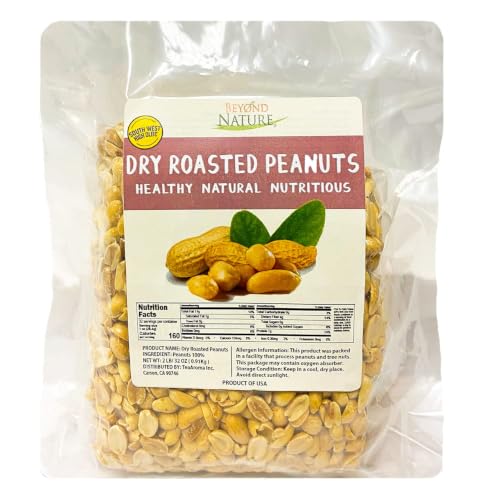
PREMIUM TEXAS-GROWN PEANUTS - Dry roasted without added oils or salt to bring out the natural roasted flavor; ideal for daily snacking, baking recipes, trail mixes, and culinary dish toppings.

Bold Crunch, Shell-On Fun: Enjoy cracking into the rich, nutty flavor of roasted unsalted peanuts in shell; Each shell holds a naturally crunchy peanut that delivers satisfying texture and taste; Whether at a ballgame or BBQ, these nostalgic, in shell peanuts bring fun and flavor to every snacking moment for all ages
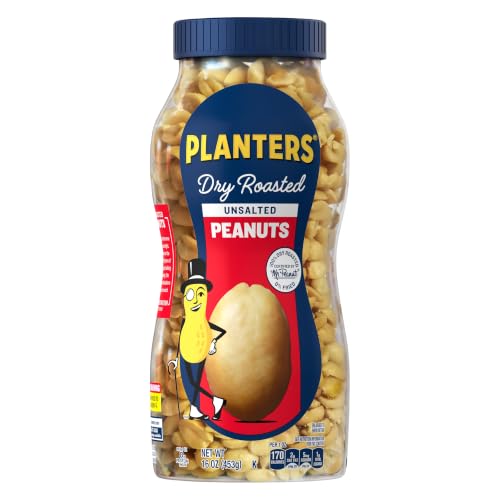
DRY ROASTED UNSALTED PEANUTS: Enjoy the classic flavor of Planters Dry Roasted Unsalted Peanuts, dry roasted with no added ingredients, giving it that classic rich, nutty taste
Research Findings on Peanut Safety and Egg Quality
Research Findings on Peanut Safety and Egg Quality
While research on peanut incorporation in layer diets reveals complex interactions between inclusion rates, processing methods, and hen age, controlled trials demonstrate that you can achieve improved egg quality at modest peanut flour levels—up to 7% inclusion—without compromising production performance. You’ll notice that peanut processing greatly influences outcomes; blanching and sorting reduce mycotoxin risk from Aspergillus contamination and aflatoxin production. Feeding chickens too much bread can lead to nutritional imbalances, so be mindful of the total treat offerings. High-oleic peanuts increase yolk oleic acid concentrations and β-carotene levels, deepening yolk pigmentation. The egg protein extracts from high-oleic peanut diets demonstrated low allergenic potential, indicating these eggs are safe for consumers with peanut sensitivities. However, you must implement rigorous mycotoxin screening protocols when using unblanched or byproduct materials, as aflatoxins pose hepatotoxic risks and can transfer to eggs. Additionally, proper timing in feeding and dietary management can help mitigate risks associated with sudden health issues in chickens, which emphasizes the importance of nutrition on overall hen vitality. Research emphasizes that proper sourcing and handling mitigate these food-safety concerns, enabling safe peanut incorporation when you prioritize quality control. Furthermore, maintaining a consistent calcium level in the diet, similar to the role of oyster shells for hens, is crucial for optimal egg production.