At 7 weeks, you’re managing fully feathered chicks requiring 2 square feet per bird in draft-free housing with 3–5 inches of pine shavings. You’ll provide 18–22% protein starter-grower feed ad libitum, position feeders at chest height, and maintain 60–70°F ambient temperature while gradually reducing supplemental heat. You’ll conduct daily health inspections monitoring activity, eye clarity, and droppings consistency. You’re also preparing outdoor shift when temperatures stabilize above 36–39°F with predator-resistant shelter. Understanding these fundamentals positions you to address the nuanced care protocols that’ll optimize your flock’s development.
Understanding Your 7-Week-Old Chicks’ Development Stage
By week seven, your chicks have undergone substantial physical transformation. Developmental synchronization between skeletal ossification and feather growth creates birds resembling miniature adults in overall shape, though proportions remain immature. Primary wing and tail feathers are now visible, with feather cover sufficiently developed to support largely independent thermoregulation without external heat sources. It’s important during this time to ensure they have access to properly cooked beans as a nutritious protein source. Additionally, it is crucial to monitor for signs of mite infestations, as these can lead to health issues if not addressed early. At this stage, Silkie chickens’ unique feathers add an extra layer of softness and charm to their overall appearance, making them stand out among other breeds. Moreover, incorporating nutritious almonds as a treat can provide your chicks with essential vitamins and minerals that support their health. Providing a high-protein diet with 22% protein is essential to promote healthy growth during this critical stage.
Sexual dimorphism begins emerging through comb and wattle enlargement alongside breed-specific feather patterns. You’ll notice increased activity levels as flight muscles strengthen, enabling perching and sustained flapping. Simultaneously, social hierarchies intensify during this “teenage” period; pecking-order negotiations may escalate. Your chicks display heightened exploratory behavior and foraging interest as mobility and sensory capabilities mature. At this stage, introduce grit to support their digestive system as they consume more varied foods. Roosting instincts typically emerge around this stage, signaling developmental readiness for gradual environmental changes and potential flock integration within appropriate timeframes.
Housing Requirements for Growing Chicks
Your seven-week-old chicks’ rapid physical maturation and behavioral changes demand housing adjustments that support their growth trajectory while preventing disease and injury. You’ll need approximately 2 square feet per bird in interim housing to accommodate their size and activity levels. Select pine or aspen shavings for bedding—avoid cedar due to respiratory irritants—and maintain 3–5 inches depth for ideal insulation and moisture control. Guarantee draft-free ventilation to remove ammonia while preventing direct air exposure. Implement daily spot-cleaning and regular full bedding changes to maintain cleanliness. Moreover, ensure that your chicks are protected from external pests by eliminating fleas from their habitat, as these parasites can cause discomfort and health issues. Installing a purpose-built chicken brooder can enhance your chicks’ comfort and safety as they grow. Additionally, ensure your brooder is built with predator-proof design features to protect against threats while your chicks develop. Providing adequate indoor coop space is essential for their wellbeing as they transition to a permanent coop. It is also important to include ventilation systems in your coop to ensure fresh air flow and reduce harmful ammonia levels. Install low perches for roosting practice and add enrichment activities like pecking objects and dust-bathing areas. Secure housing against predation risks using hardware cloth, and maintain localized heat sources at 70–75°F as you gradually reduce temperatures. Once your chicks reach approximately six weeks of age, they can transition from the brooder to a chicken coop designed for growing birds.

HATCHERY'S CHOICE: Give your brooder-raised chicks a great start with Hatchery Preferred Excelsior Bedding. This aspen excelsior, commonly used by hatcheries for chick transport, offers a better footing for your little ones.

Natural Aspen Shavings:Made of natural aspen wood and processed to reduce dust, these shavings have a fresh woody scent, are fluffy and comfortable, making them ideal for chicken coop bedding

CHICKS STARTER KIT: Chicken brooder box for chicks contains everything you need to raising chicks: 1* chick brooder pen; 1*pad; 1* storage bag; 3*pegs with high-quality chicken supplies, perfect for poultry feeders.
Transitioning From Brooder to Coop
Once your chicks reach full feathering—typically between 6–8 weeks depending on breed—you’ll want to begin planning their move to the coop. Monitor timing indicators carefully: verify nighttime temperatures remain above 50–65°F and observe foraging behavior, roosting attempts, and feeding independence before moving. Chicks should be moved when temperatures are consistently above 50°F (10°C) to ensure their safety during the transition. Interestingly, during their early growth, chicks benefit from behaviors like coprophagy, which helps establish their cecal microbiome necessary for digestion.
Implement environmental change by gradually removing supplemental heat over several days. Place familiar feeders and waterers in the coop to reduce stress. Use a temporary sheltered pen as an intermediate space.
For flock integration, quarantine new chicks for 1–2 weeks with visual contact. Introduce them on neutral ground during supervised sessions, providing multiple feeding stations and escape spaces.
Maintain biosecurity measures throughout: handle chicks last, sanitize equipment, and inspect for external parasites before full integration. Monitor respiratory symptoms for 7–14 days post-move. In addition, consider introducing safe treats like cheese in moderation, as it can provide beneficial nutrients such as protein and calcium that support overall growth during this critical stage.

【DaToo Infrared Heat Lamp】: Still looking for an efficient and safe heat lamp for chickens, the DaToo 150W Infrared Heat Lamp will be your perfect choice! This heat lamp has a powerful heating capacity and is widely used in brooder coops, food service, pets, reptiles and amphibians. Adopting high temperature and oxidation resistant double helix tungsten filament, energy-saving and efficient, perfect for creating a warm and comfortable resting place for pets.
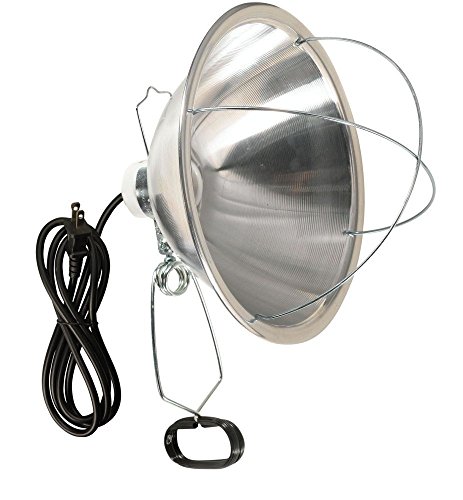
VERSATILE LAMP CLAMP with strong spring clam grips; double ball universal joint and adjustable reflector lets you direct light where you need it

Efficient 250W Heat Lamp for Chickens & Pets: Provides powerful, rapid warmth for chicken coops, brooders, and small pets; Ensures a comfortable environment in cold weather for healthier growth
Nutrition and Feeding Guidelines
As your chicks shift from brooder to coop around 7 weeks, their nutritional requirements remain centered on sustained growth and development. Continue providing a starter-grower feed with 18–22% protein to support muscle development and organ function. Guarantee your feed formulation includes balanced carbohydrates, fats, and essential micronutrients—vitamins A, D, E, K, and B-complex, plus iron, zinc, and manganese. Proper feeding helps ensure optimal healthy growth and development. Choosing feeds with quality ingredients can significantly enhance your chicks’ overall health and well-being. Additionally, feeding high-quality commercial feed that matches the flock’s age and production needs is crucial for their growth.
Maintain ad libitum access to feed and fresh water. Your chicks consume approximately 1–2 ounces daily; monitor crop fullness as a welfare indicator. Position feeders at chest height to minimize competition and waste. If you introduce any treats beyond the commercial feed, provide grit to aid digestion of the additional food items.
Avoid routine supplementation beyond complete commercial feeds unless your veterinarian recommends otherwise. Limit treats to small percentages of total intake to preserve nutrient balance. Maintain at least 90% starter-grower feed throughout this change phase.

MEDICATED CHICK STARTER FEED: This complete chicken feed is made with added Amprolium to aid in the prevention of coccidiosis, and contains 18% protein for weight gain, our chicken food is essential for your young birds.

COMPLETE STARTER FEED FOR CHICKS: Specifically formulated for chicks from hatching to 16 weeks, this non-medicated chick starter feed delivers balanced nutrition and essential nutrients to support strong, healthy early growth and development.

[50 POUNDS]: Premium non-medicated chick crumble feed provides balanced nutrition for young chickens, turkeys, ducks, geese, and other poultry during critical growth stages, supporting development, weight gain, and muscle building from day one
Water Management and Hydration
While proper nutrition establishes the foundation for growth, adequate hydration is equally critical to your 7-week-old chicks’ health and development. You’ll position multiple water sources at back-height, spacing them so no chick travels more than 10 feet to drink. Elevate waterers on blocks or screens to prevent litter contamination and reduce disease risk. Providing poultry nipple drinkers can also ensure a constant and clean water source, similar to solutions preferred for backyard chickens.
Change and refill water daily, cleaning waterers thoroughly to prevent biofilm and bacterial proliferation. Room-temperature water suits healthy chicks; reserve warm water for stressed or newly arrived birds. Monitor drinking behavior and inspect waterers multiple times daily for soiling or blockages. Add electrolytes and vitamins to water during the first week to support their adjustment and overall health.
During transport stress or illness, introduce hydration additives—electrolytes and vitamins—for 24–72 hours. Probiotics may support digestive function during initial settlement. Discontinue routine additive use once chicks stabilize, relying instead on rigorous sanitation practices to maintain water quality.
Temperature Control and Environmental Adjustments
Three critical factors determine whether your 7-week-old chicks thrive during the change from brooder to coop: ambient temperature, heat source management, and behavioral monitoring.
At seven weeks, fully feathered chicks typically don’t require supplemental heat if your coop maintains 60–70°F. However, you’ll still need to monitor temperature tolerance carefully. Watch your chicks’ behavior: even distribution throughout the space indicates appropriate thermal comfort, while huddling suggests insufficient warmth and scattering indicates overheating. Gradually decreasing heat by 5 degrees each week helps chicks acclimate naturally to cooler environments. Chickens can tolerate lower temperatures, but draft-free shelter is essential to protect them from cold stress. Implementing natural thermal mass strategies, such as using materials that retain heat in the coop, can further help maintain a stable environment.
For heat sources, prefer radiant chick plates over heat lamps—they reduce fire risk and allow natural thermoregulation. If you use lamps, secure them properly and maintain clearance from bedding. Install a thermometer at chick-back height for accurate readings. When nighttime temperatures consistently reach 50°F or higher for your breed, you can move chicks outdoors permanently. Make sure supervised acclimation on warm days first. During transition periods, cover coops with blankets to provide extra insulation during cold nights.

Designed for your flock | Our 10x10" adjustable Heating Plate with Foldable Anti-Roost Cone warms up to 15 chicks. Radiant heat teaches chicks to regulate their body temperature naturally, just as they would under a mother hen! This heat plate can be used for chicks, turkey poults, ducklings, quail, and more

Designed for your flock | Our 12x12" adjustable Heating Plate with Foldable Anti-Roost Cone warms up to 20 chicks. Radiant heat teaches chicks to regulate their body temperature naturally, just as they would under a mother hen! This heat plate can be used for chicks, turkey poults, ducklings, quail, and more
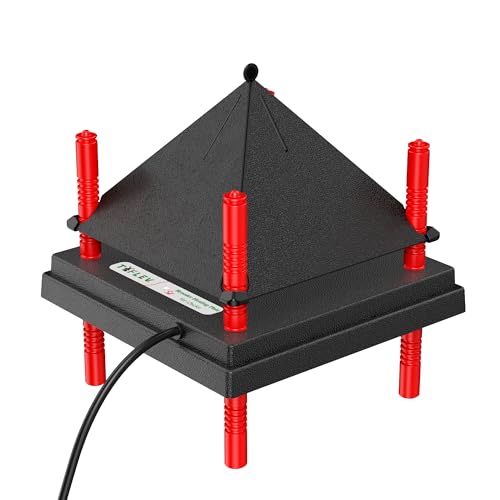
Mimics a Mother Hen with Safe, Gentle Radiant Heat: Unlike traditional heat lamps that dry the air and pose fire risks, our brooder plate uses downward radiant heat technology. It warms chicks exactly where they need it—beneath the plate—creating a cozy environment that simulates the natural warmth of a mother hen, encouraging natural resting behavior.
Daily Health Inspections and Monitoring
Once you’ve established proper environmental conditions, daily health inspections become your primary tool for detecting problems before they compound. Conduct multiple health observations throughout the day, evaluating activity levels, eye clarity, and nostril condition. Examine each chick’s vent for cleanliness and assess droppings consistency. Verify normal wing movement and gait without limping. Listen for regular chirping patterns; investigate any shrill vocalizations indicating distress.
Implement systematic weight tracking by sampling ten chicks from different sectors weekly starting day seven. Record average weights and compare against breed standards. Repeat measurements with additional chicks for accuracy, identifying underperforming groups early. Monitor for dehydration post-chilling, and verify strong appetite across all birds. Additionally, be aware that ensuring a clean coop environment helps reduce attractants like rodents and water sources that can lead to snake encounters. Consulting a veterinarian about any signs of infection is also crucial to ensure appropriate treatment. Document all observations meticulously to establish baseline health profiles and detect deviations requiring management adjustments. Remove any sick or deceased chicks immediately to maintain health and prevent disease spread throughout the brooder.
Recognizing Signs of Illness or Injury
How quickly can a 7-week-old chick’s health deteriorate? Rapidly. You’ll need to monitor daily for common ailments affecting this age group.
Watch for respiratory issues: open-mouthed breathing, nasal discharge, and wheezing indicate infection. Digestive problems—diarrhea with blood, pasty butt, and watery droppings—suggest bacterial or parasitic involvement. Lethargy, ruffled feathers, and huddling near heat sources signal systemic illness.
Physical indicators matter too. Sunken eyes, prominent leg tendons, and shriveled combs indicate dehydration. Pale skin and rapid weight loss warrant immediate intervention. At this age, stress can activate latent viral diseases that may not show symptoms earlier in development.
Implement preventative measures immediately: maintain strict sanitation, guarantee proper ventilation, provide clean water, and isolate affected birds. Early detection of these clinical signs determines treatment success. You’ll prevent costly losses through vigilant observation and swift action.
Socialization and Behavioral Development
While your chicks’ physical health demands vigilance, their behavioral development during these critical weeks fundamentally shapes their long-term temperament and manageability. At seven weeks, your flock establishes its pecking order, requiring you to monitor social dynamics carefully. Provide approximately one square foot per chick to minimize aggressive pecking and competition-driven stress. Implement reliable systems such as automatic waterers to ensure consistent hydration, reducing stress and competition over water access.
Additionally, ensuring that your coop is predator-proof will help create a safe environment that allows for more positive social interactions among your chicks.
Implement environmental enrichment—perches, logs, and hiding spots—to facilitate natural displacement behaviors and reduce bullying. Separate severely victimized individuals temporarily to prevent injury and social trauma. Continue food-based social bonding through hand-feeding and consistent vocal cues to reinforce recall and handling tolerance. Expose your chicks to varied sensory inputs—voices, music, novel objects—to reduce neophobia. Regular interaction during this critical socialization period builds trust and establishes recognition with caretakers that will extend into adulthood. Track individual temperament variations, as these observations inform future role allocation and handling strategies. Consistent, calm methods across caretakers prevent mixed signals and behavioral inconsistencies.
Preparing for Outdoor Living
As your 7-week-old chicks approach full feathering, shifting them outdoors requires strategic planning to balance their physiological readiness with environmental safety. You’ll move them to an outdoor coop at this developmental stage, provided they’re fully feathered and nighttime temperatures remain above 36-39°F with adequate shelter. During the first few weeks, ensure they have optimal living conditions, including proper temperatures similar to those needed for incubation. Additionally, make sure to provide species-appropriate amounts of high-quality feed to support their growth.
Construct a sturdy structure with predator protection—reinforced walls, secure roofing, and buried perimeter fencing against foxes, birds of prey, and cats. Install cardboard or chicken wire barriers up 3+ feet to prevent escapes.
Establish outdoor enrichment through natural elements: small logs, branches, and covered areas for dust bathing and roosting. Provide a heat lamp option until complete feathering occurs, allowing chicks to self-regulate during cooler periods. Ensure the coop includes sufficient feeders for all chicks to eat simultaneously and minimize competitive stress during this transition.
Supervise all outdoor access initially, monitoring behavioral stress indicators before extending free-range periods.
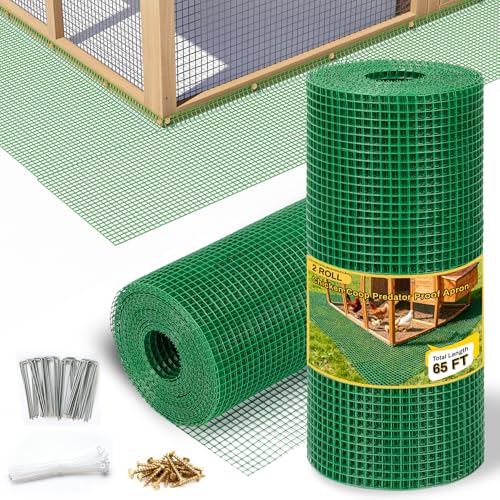
Keep Out Predators: This chicken predator apron is designed to prevent predators from digging under the chicken coop.Place wire mesh around the bottom of the chicken coop to effectively prevent predators from burrowing their way in.

Humane and Effective - Uses dual red LED lights and 4Hz flashing to mimic the presence of a predator, effectively scaring away nocturnal animals like raccoons, skunks, coyotes, deer, and more—without harm or chemicals

【Upgraded Predator Deterrent】: Designed with two flashing red LED lights, this solar nocturnal animal repeller mimics the glowing eyes and fire-like warning signals of large predators. The rapid strobe effect creates a strong visual deterrent that keeps intruding animals alert and away from your property all night long.