Yes, chickens eat fire ants, and most flocks will go after them aggressively — especially near spilled feed. Here’s the thing: a few stings won’t drop a healthy adult bird, but fire ants don’t attack solo. They swarm, and that changes everything. Young chicks and bantams face real tissue damage, necrosis, and secondary infections fast. You’re not dealing with a minor nuisance here — you’re managing a legitimate threat to your flock’s health and productivity. Keep going and you’ll find out exactly what to do about it.
Can Chickens Eat Fire Ants?
If you’ve ever watched your chickens go to town on a fire ant mound, your first instinct was probably equal parts impressed and terrified — and honestly, that reaction makes complete sense. Here’s the thing: chickens *can* eat fire ants, but that doesn’t mean it’s consequence-free. Fire ant venom contains alkaloid compounds that cause real pain, swelling, and burning. Now, understanding ant behavior psychology helps here — these ants don’t just sting once. They swarm. Their nest architecture extends five to six feet underground, housing colonies large enough to overwhelm your birds fast. Adult chickens handle a few stings. Young chicks? That’s a different story. You’re not overreacting — the threat is genuinely proportional to your flock’s size and age. Young chicks and bantams are especially vulnerable to fire ant attacks, which can prove fatal if the situation is not addressed promptly.
Do Chickens Eat Fire Ants or Avoid Them?
Here’s the thing: most flocks genuinely love eating fire ants. You’ll notice them aggressively competing in ant‑foraging competition around spilled feed, snapping up strays without hesitation. Now, antultural dynamics matter here — some flocks develop avoidance behaviors passed through flock culture, similar to quirky nest box habits.
Obviously, individual flocks vary. But the majority? They’re enthusiastic foragers who’ll noticeably reduce ant traffic around your yard.
If your chickens already forage freely, chances are they’re already eating fire ants. Trust your flock — they probably know exactly what they’re doing.
Why Fire Ant Mounds Are Dangerous for Chickens
While most chickens handle the occasional fire ant just fine, a mound is a completely different problem. Here’s the thing — mound proximity to your coop changes everything. Fire ants don’t wander over solo. They swarm, coordinated and fast, especially when something disturbs the mound.
Now, ant foraging starts innocently enough. They’re after spilled feed, broken eggs, or bugs near your coop. But once a colony establishes close by, your birds are one wrong step from a full swarm event.
Young chicks and smaller breeds face the worst of it. Venom causes real tissue damage — burning, swelling, localized necrosis — and surviving birds often develop secondary infections afterward.
Obviously, a mound isn’t just an inconvenience. It’s a legitimate threat sitting right next to your flock.

MOUND DESTROYER: Use outdoors directly on fire ant mounds – starts to kill in minutes.

SAY GOODBYE TO BUGS: TERRO Ant Killer Plus kills ants, fire ants, roaches, fleas, crickets, earwigs, millipedes, mites, palmetto bugs, silverfish, sow bugs, and more

What Fire Ant Venom Does to a Chicken’s Body
Fire ant venom isn’t just a minor irritant — it’s a genuinely complex chemical cocktail that goes to work on your bird’s body fast. Here’s the thing: it contains phospholipases, neurotoxins, and metalloproteinases that immediately start breaking down tissue. Your chicken’s venom metabolism can’t neutralize that assault quickly enough when a swarm’s involved. You’re looking at localized swelling, visible lesions, and actual necrosis developing at sting sites. Now, your bird’s immune response kicks in hard — triggering inflammation, recruiting immune cells, and producing cytokines that cause additional swelling. That sounds productive, but it often worsens the damage. Multiple stings accelerate everything. Smaller birds and chicks face the highest risk. Those necrotic wounds don’t just heal quietly — they invite bacterial infections that compound the original trauma markedly. Fire ants like Solenopsis geminata are known for their ferocity and meat-hunger, traits that make their attacks on living animals especially relentless and damaging.
Which Chickens Face the Highest Risk From Fire Ants?
Not every chicken in your flock faces the same level of danger from fire ants — and knowing which ones are actually vulnerable could be the difference between a close call and a dead bird.
Young chicks are the most at-risk group you’ve got. Their small bodies can’t handle the alkaloid venom, and fire ants will prey on the insects chicks depend on, essentially starving them out. Attwater’s prairie chicken data shows survival dropping to just 7% in low-invertebrate areas. That’s brutal.
Now, bantam breeds face a similar problem. Their smaller size makes swarming fire ants genuinely lethal. Here’s the thing — a disturbed mound near your coop doesn’t just injure a bantam. It can kill one fast.
Can Fire Ant Stings Affect Your Chickens’ Eggs or Meat?
ants chew through shells, sting embryos internally, and contaminate broken eggs with bacteria. All right, the good news — no studies confirm venom transfers into intact collected eggs. But broken eggs? Those become ant magnets fast. Clean them up immediately. Protecting your flock’s environment is honestly the simplest, smartest move you can make right now.
What to Do When Fire Ants Get Into Your Chicken Coop
When fire ants move into your chicken coop, you’ve got a real problem on your hands — not just an annoyance. They threaten your flock, compromise nest coop sanitation, and attract secondary pests that turn one problem into three — hello, predator attraction prevention nightmare.
Here’s the thing: you’ve got options, and they work best layered together. Start by broadcasting fire ant bait around the coop’s perimeter at 1.5 lbs per acre — ants carry it back to the nest themselves. Two weeks later, drench remaining mounds with Bifen I/T. For colonies already inside, dig them out using a straight-sided bucket dusted with talcum powder so nothing escapes.
Now remove food sources — broken eggs, spilled feed, trash. Cut off the invitation, and they’ll stop RSVPing.

Hydramethylnon 0.365%, Methoprene 0.250%

ATTRACTS & KILLS: Liquid ant bait stations provide comprehensive ant control, targeting common household ants including acrobat, crazy, ghost, little black, odorous house, and pavement ants throughout your home with effective ant traps indoor

Advion fire ant bait effective and fast acting. Combined with an alluring formulation, Advion ensures control of imported fire ants in 24-72 hours for fast colony control.
What Are the Safest Ways to Control Fire Ants Around Chickens?
Controlling fire ants around your chickens without poisoning the flock feels like defusing a bomb with oven mitts — technically possible, but you’d really like better tools. Here’s the thing — you’ve actually got solid options. Sprinkle perimeter bait around the outside of your coop, and the ants carry it back themselves. You never touch the mound. Confine your chickens for 24 hours, and nobody eats anything they shouldn’t. Now, for physical removal, dust your shovel and bucket with talcum dust before digging — it stops ants from escaping and stinging you mid-excavation. Both methods work together beautifully. All right, you’ve got the knowledge. You’ve got the products. The only thing left is actually doing it — and honestly, that’s the easy part.
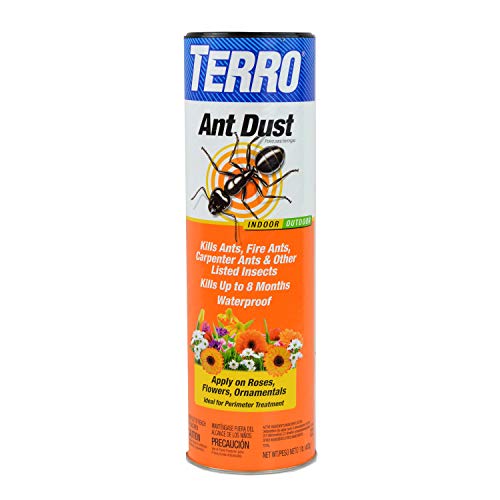
KILL ANTS & OTHER INSECTS: TERRO Ant Dust kills ants (including fire & carpenter ants), cockroaches, spiders and other insects

EASY & EFFECTIVE FIRE ANT CONTROL. This product is easy to apply and ideal for mound treatment.

Controls and helps eliminate colonies without colony relocation
Which Fire Ant Baits Work Best Near Chickens?
You’ve already got the strategy down — perimeter bait, confined flock, 24-hour window — now the real question is which product actually goes in your hand when you head out to the yard.
Here’s the thing: Amdro Ant Block consistently outperforms Amdro Fire Ant Bait based on real user experience. You sprinkle it around the mound without disturbing it, ants carry it inside, colony collapses. Simple bait timing, zero drama.
For wider coverage, broadcast fire ant baits hit 1.5 lbs per acre and knock out colonies you haven’t even spotted yet.
Obviously, chicken safety means keeping your flock confined during that full 24-hour uptake window — no shortcuts there.
Now pick one and get it done. Your chickens will thank you.

This ant killer works by attracting ants who then take bait back to the nest killing entire colony.

EASY & EFFECTIVE FIRE ANT CONTROL. This product is easy to apply and ideal for mound treatment.

ONE-SHOT FIRE ANT KILLER: One application controls fire ants for 3 months.
How to Combine Chickens and Bait to Eliminate Fire Ant Colonies
Pulling off a fire ant elimination without putting your chickens at risk comes down to one thing: timing. Here’s the thing — you’re not choosing between your flock and fixing the problem. You’re just sequencing them correctly.
Confine your chickens away from treated ground for a full 24 hours. Use mound-free areas for temporary confinement so they’re comfortable while the bait does its job. Now, bait placement matters too — sprinkle it around the mound’s perimeter, never on top. Disturbing the mound sends ants scrambling and ruins everything.
Your confinement timing window is the same as the bait window. Ants retrieve it, carry it to the queen, colony’s gone. Then you reintroduce your flock to genuinely ant-free ground. Simple, smart, done.

Kills Fire Ants and Harvester Ants: Bio-based bait granules that target the whole colony. Ants carry the bait back to the queen. Dead ants in 24 hours.
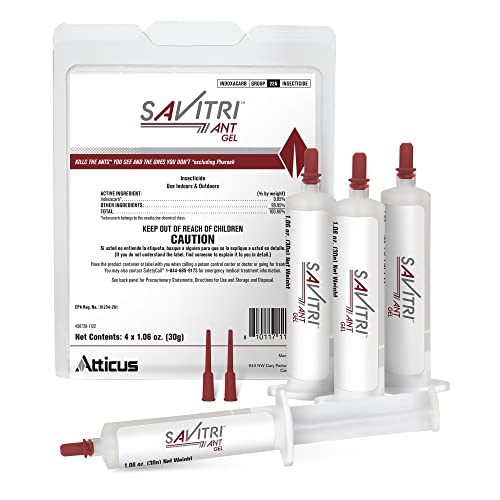
FAST, EFFECTIVE ANT TAKEDOWN: Savitri Ant Gel contains 0.05% of indoxacarb, the same active ingredient trusted by professionals for quick ant kill and colony control.