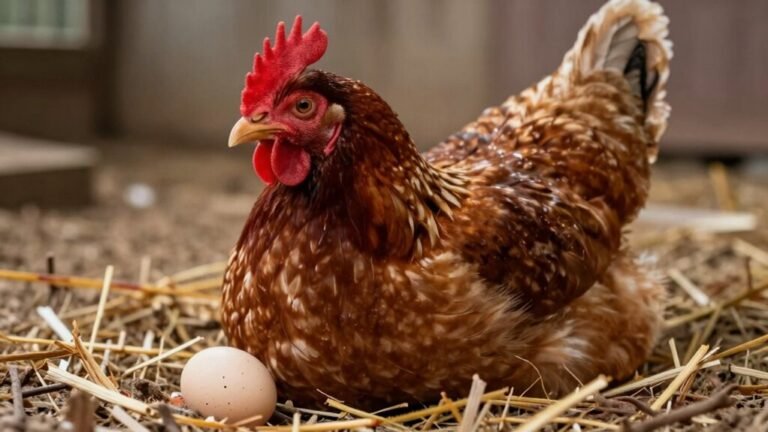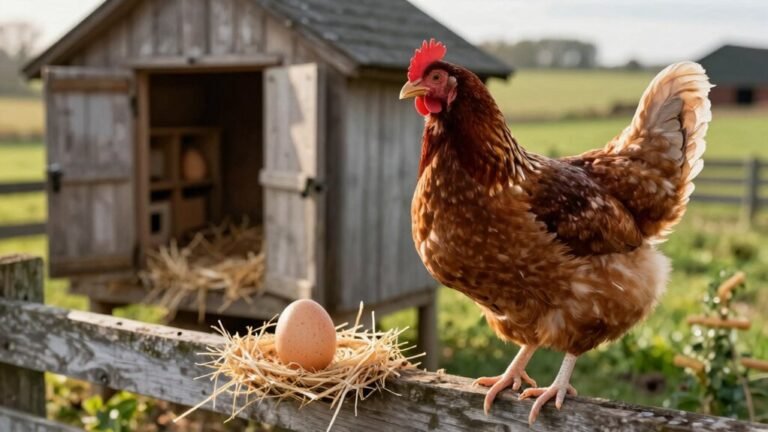
Your chickens don’t need nighttime light — they actually need 6–8 hours of real darkness to stay healthy and productive. Here’s the thing: the problem isn’t that your hens are lazy in winter, it’s that December’s 9–10 daylight hours simply don’t hit the 14–16 hours their hormones require for consistent laying. You need supplemental morning light, not all-night illumination. Get that balance right, and the rest starts falling into place naturally.
Do Chickens Need Light at Night?
If you’ve ever stood in your backyard at dusk wondering whether to leave the coop light on or flip it off, you’re not alone — and honestly, it’s one of those questions that sounds simple until you actually dig into it. Here’s the thing: chickens don’t need light at night. They actually need the opposite. Your flock requires 6–8 hours of genuine darkness every single day for immune function, rest, and long-term egg health. Obviously, tired chickens aren’t productive chickens. A solid nightlight schedule — roughly 14–16 hours of light followed by real darkness — keeps everything balanced. Skip the darkness, and you’re not just affecting sleep; you’re quietly undermining their overall biology. Getting this right is easier than you think. During winter months, natural daylight drops to around 10 hours of light, creating a shortfall that supplemental lighting can help address without sacrificing the darkness chickens still need.
How Light Affects Egg Production in Winter
When winter rolls in and your egg cartons start looking emptier than your promises to clean the coop, you’re not imagining things — the math is working against you. December daylight drops to 9-10 hours, and your hens need 14-16 hours to maintain proper hormone balance. Here’s the thing — their retinal cones detect that shortened light duration and signal the pineal and hypothalamic glands to pump the brakes on luteinizing hormone and FSH production. No hormones, no eggs. Simple, frustrating math. Your hens aren’t being lazy; they’re literally wired to conserve energy when days shrink. Now, you can work with that biology or around it — but understanding *why* it’s happening makes your next decision a whole lot easier.
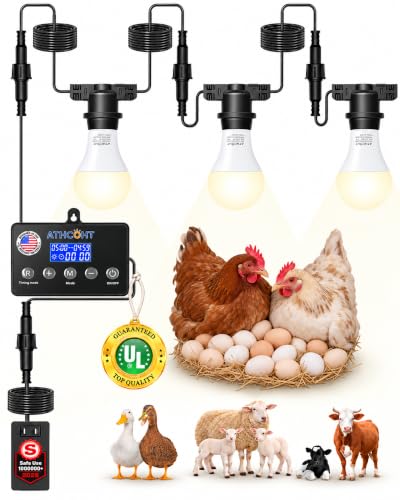
【Enhanced Egg Production】Extends perceived daylight hours to boost winter laying, giving hens ample light even in cold and rainy weather.

Waterproof Material: Crafted from tear-resistant and translucent PE material, this chicken coop cover provides protection from rain, snow, and wind during winter. The translucent design allows sunlight in for warmth and visibility, while effectively insulating the coop to keep your chickens cozy and safe from the cold

Is Red Light or White Light Safer for Your Coop?
Choosing between red and white light for your coop isn’t just a vibe decision — it’s a fire safety decision, a flock health decision, and honestly, a sleep decision for birds that can’t exactly file a complaint. Here’s the thing: white incandescent bulbs run hot, and hot bulbs near dry bedding is basically a fire risk waiting for an invitation. Red light runs cooler, won’t trick your chickens into thinking it’s noon at midnight, and actually calms aggressive pecking behavior. Obviously, neither option is perfect — red heat lamps at 250 watts still demand careful placement. Now, if you want the safest light safety upgrade overall, LED wins every time: minimal heat, maximum efficiency. You already know the answer. Go LED.

🐓【3-Color Dimmable Lighting & 4 Brightness Options】 This solar-powered chicken coop light offers three adjustable lighting modes—Daylight White + Warm White, Daylight White, and Warm White—plus four brightness levels to create a a soothing, glare-free environment for your flock. this lamp provides calm and comfortable illumination that supports your poultry’s natural rhythms—no harsh lighting, just happy chickens.

Adjustable Temperature Control – The chicken coop heater has a temperature range of 59–90℉ (15–32℃). Easily adjust the temperature to suit your needs. Once the chicken heat lamp reaches the set temperature, it maintains a constant warmth to keep your pets comfortable

【Intelligent Automation】 - Automated light control for poultry with customization schedules.
How to Build a Chicken Coop Lighting Schedule That Actually Works
Getting a lighting schedule wrong doesn’t just hurt egg production — it stresses your flock, scrambles their sleep cycles, and turns your coop into a 24-hour diner nobody asked for. Here’s the thing: your coop schedule doesn’t need to be complicated. Set your timer to flip lights on two to four hours before sunrise, then off around 6 AM. That’s it. You’re hitting that 14-to-16-hour sweet spot without torching their roosting routine or your electricity bill. LED strips handle light intensity perfectly while delivering real energy savings over incandescent bulbs. Now, adjust your feeding timing so waterers and feeders sit directly under those lights. Obviously, consistency matters most. Build the schedule once, trust the timer, and let your hens do the rest.

【Solar Chicken Coop Light】: Designed for coops and sheds where outlets are hard to reach, this solar chicken coop light helps add practical illumination without running long extension cords. Place the panel in direct sun and use the hanging lamp for feeding, cleaning, egg checks, or evening farm chores

𝐁𝐎𝐎𝐒𝐓𝐒 𝐖𝐈𝐍𝐓𝐄𝐑 𝐄𝐆𝐆 𝐏𝐑𝐎𝐃𝐔𝐂𝐓𝐈𝐎𝐍: Adding chicken coop lights for winter provides extra light to your chicken coop, extending the perceived daylight hours. This helps maintain and boost egg production, especially during the shorter days of winter.
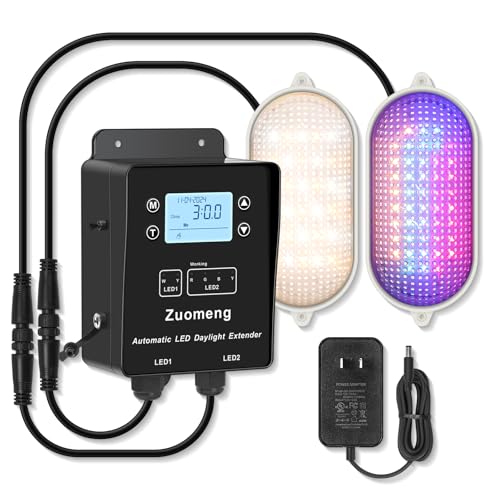
Stable Egg Production in Any Weather – The Zuomeng 2024 upgraded LED daylight extender provides six light colors (natural white, warm white, red, blue, yellow, green) to support chickens of all ages, helping maintain healthy growth and steady egg output even in colder months. (Patent pending)
Does Coop Lighting Work Differently for Baby Chicks?
Now, unlike your laying hens who need strict darkness for rest, chicks tolerate 24/7 red light without stress. Obviously, that changes around week six once they’re fully feathered. Until then, keep it warm, keep it red, and stop overthinking the schedule entirely. For the first four to six weeks, a 250 W red bulb runs continuously to maintain the warmth chicks need before they can regulate their own body temperature.