Yes, you can house ducks and chickens together, but it’s challenging. You’ll need extra space—at least 10 square feet per bird outdoors, more indoors. Ducks create significant moisture and mess, requiring vigilant bedding management to prevent ammonia buildup and respiratory issues. They’ll need ground-level sleeping areas while chickens use roosts. Behavioral conflicts and disease transmission risks demand separate equipment and dedicated caretaking routines. With proper planning and management, you can make it work, though understanding the specific requirements makes all the difference.
Space Requirements for Mixed Flocks
When you’re housing ducks and chickens together, you’ll need more space than you’d allocate for either species alone. Ducks require more indoor versus outdoor space because they produce significant moisture that chickens don’t handle well. For mixed space allocations, plan on 3-4 square feet per chicken indoors and 4-5 square feet per duck. This combined approach prevents overcrowding, which causes health issues and aggressive behaviors like pecking.
Outdoors, you’ll want at least 10 square feet per bird minimum, though 15 feet per duck accommodates wingspan and reduces mud accumulation. Build your coop larger than minimum requirements to accommodate potential flock expansion. Proper spacing guarantees adequate air circulation, reduces disease transmission, and keeps both species comfortable. Ducks are active and not roosting, requiring thoughtful consideration when integrating them with chickens that have different behavioral patterns. The investment in extra square footage pays dividends through healthier, less stressed birds.

Spacious Chicken Coop - The spacious 10ft² interior of the chicken run provides plenty of room for feathered friends to move around, with windows and a front door that can be lowered to allow chicks to enter and exit, suitable for 2-3 chickens and ducks.

3-Compartment Design: This chicken nesting box features three separate laying compartments, providing private, comfortable spaces for multiple hens to lay eggs simultaneously. Each independent nest can be freely arranged to suit your coop layout, while the built-in perch offers extra resting support for your poultry.

More Secure Door Lock Design: Different from the traditional door lock the chicken cage with automatic gravity lock design. which is easier to close the door, and the side door design hook buckle door locks. Simple operation, prevent any animals from entering or opening the door, give your chickens, ducks, geese, rabbits and other pets a safe space.
Housing Setup and Sleeping Arrangements
Because ducks and chickens have fundamentally different sleeping behaviors, you’ll need to design your coop to accommodate both species’ natural instincts. Chickens are instinctive perch-sleepers and prefer elevated roosts placed 2–4 feet off the ground, while ducks typically sleep on the ground or bedding and become stressed when forced onto high perches. Keeping both species together requires attention to their social needs, as chickens thrive in flocks and may feel isolated without proper companionship. Additionally, providing adequate indoor coop space is essential for their health and well-being.
Your roosting preferences should reflect these differences. Install rounded wooden perches for chickens while creating ground-level sleeping zones adjacent to them for ducks. Additionally, consider maintaining separate enclosures for ducks and chickens, as this practice can help reduce stress and prevent bullying behaviors from chickens. Regarding bedding types, use deep, absorbent materials like straw or wood shavings for duck areas since they nest and sit in bedding. Keeping your duck bedding dry and well-drained is essential to prevent foot problems and moisture buildup, as the accumulation can affect both species’ health. Proper ventilation is essential in your coop design to handle moisture from duck droppings and maintain air quality for both species. Chickens tolerate roosting above bedding, though quality still matters for ground-sleepers and egg-laying hygiene. Ducks are also known to be hardy foragers, making them well-suited for free-range systems just like chickens. Finally, ensuring at least 3 to 5 square feet of indoor space per bird can help everyone adjust comfortably in the shared coop.
Managing Mess and Maintaining Cleanliness
Mixed flocks demand extra vigilance when it comes to coop sanitation because ducks’ wetter waste and water use create considerably more moisture than chickens alone. You’ll need to perform daily checks for caked or soaked bedding, removing wet material immediately to prevent ammonia buildup and respiratory issues. Implementing a structured cleaning approach with designated daily tasks will help manage the increased moisture from waterfowl. Additionally, ensuring a diet with adequate calcium intake can help maintain overall health in both birds, supporting their metabolic needs. Providing sufficient small and large particle calcium is essential for optimal eggshell quality in chickens. Furthermore, chickens like the Australorp are known for their prolific egg production, and keeping them healthy is key to maximizing their laying potential. Regular health checks can help identify any potential issues before they escalate. Providing chickens with feed that meets their specific dietary requirements can also improve their overall resilience against diseases.
For bedding selection, choose high-absorbency litters like pelleted stall bedding or kiln-dried shavings, which extend time between full changes. Layer a deep absorbent base topped with drier material, replacing top layers frequently.
Your waste management strategy should include weekly routine cleanings with increased frequency where ducks are present. Position waterers over drainable surfaces using waterproof mats beneath them. Implement supervised swimming times to meet ducks’ needs while controlling moisture. Monitor odor and pests as dynamic triggers to adjust your cleaning schedule accordingly.

ULTRA-FINE SIFTABLE HEMP BEDDING: Processed for superior siftability, allowing for faster spot cleaning and efficient waste separation to extend the life of your coop bedding

HEMP BEDDING FOR SMALL ANIMALS – Premium hemp bedding for rabbits, guinea pigs, hamsters, rodents, birds, reptiles, and more. A natural cage bedding alternative to paper bedding, pine shavings, or aspen, designed for comfort, cleanliness, and sustainability.

35 POUNDS: Pine pellets designed for flexible use across different animals and environments. 100% high-heat processed pine. Made for high ammonia animal environments, this bedding naturally neutralizes odor.
Feeding Considerations for Both Species
Successfully feeding a mixed flock requires understanding that ducks and chickens have distinct nutritional needs despite their ability to share the same feed. You’ll want to provide all-flock feed containing at least 16% protein, which works well for both species eating indiscriminately from shared feeders.
Ducks require considerably more niacin than chickens—55 mg per kg versus 26-27 mg. You should add brewer’s yeast as a dietary supplement, using 1.5 tablespoons per cup of feed to prevent niacin deficiency in your ducks. Additionally, it’s important to ensure that the feed contains essential fatty acids to support overall health and vitality in both species. Providing adequate hydration during hot weather is crucial, as ducks and chickens may become stressed without sufficient water access. Installing (effective predator-proof fencing) can ensure their safety while foraging outside. Offering homemade treats can also enhance their diets and enrich their foraging behavior.
Consider your feeding ratios carefully. Layer feed suits adult ducks and chickens, while ducklings need 20-22% protein initially, reducing to 16-18% by week three. Provide free-choice crushed oyster shells for laying birds and supplement with dark greens, vegetables, and cooked grains to round out nutrition. Ducks will consume food quickly and may be wasteful, so observing feeding habits helps you gauge proper consumption rates for your mixed flock.
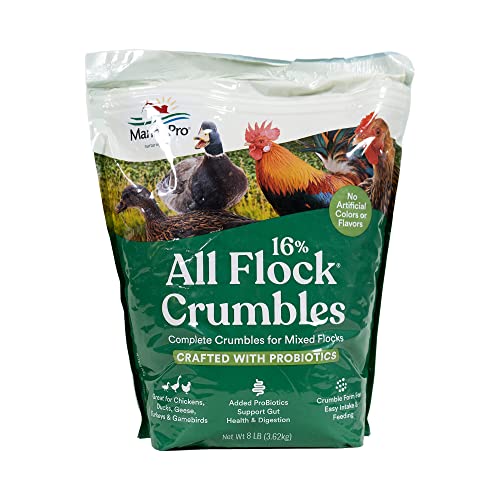
COMPLETE ALL FLOCK FEED FOR MIXED BACKYARD FLOCKS: Versatile poultry feed & all flock feed designed to support chickens, ducks, turkeys, geese, & more; a balanced bird food that simplifies feeding a diverse species in your backyard or homestead

COMPLETE ALL FLOCK FEED FOR MIXED BACKYARD FLOCKS: Versatile poultry feed & all flock feed designed to support chickens, ducks, turkeys, geese, & more; a balanced bird food that simplifies feeding a diverse species in your backyard or homestead
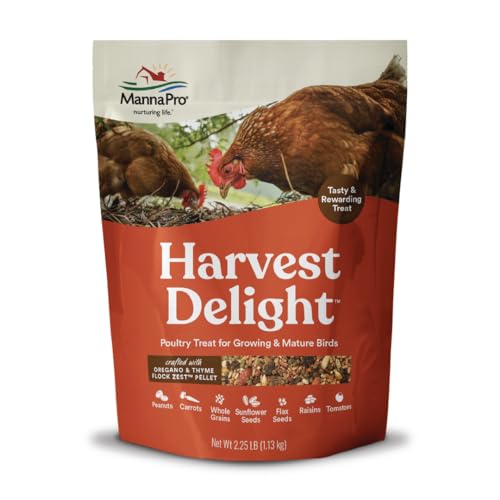
NUTRITIOUS CHICKEN TREATS FOR LAYING HENS & FLOCKS: Wholesome mix offers fun & nutrition in one tasty snack; these premium chicken treats for laying hens encourage natural pecking behavior, support strong eggs, & are a perfect choice for backyard flocks
Social Dynamics and Health Concerns
While ducks and chickens can coexist in the same coop, housing them together introduces health and behavioral challenges you’ll need to actively manage.
Behavioral conflicts arise from species-specific social hierarchies. Drakes and roosters display territorial aggression, and drake harassment of hens increases injury rates. Crowding intensifies these dominance disputes, so you’ll want to provide extra space and separate resting areas to reduce bullying. Establishing a social hierarchy typically occurs over time as the birds adjust to one another. Additionally, providing treats like bacon should be monitored carefully due to their high fat content, as this can affect the chickens’ health. Supplementing with oregano oil can also help improve overall flock health, helping both species to thrive. Moreover, the presence of harmful mites can severely impact both ducks and chickens, causing irritation and weakened immune systems. Birds in good health will benefit from oyster shells as a calcium source, which can improve their overall resilience and egg production. Furthermore, providing quality grains as a primary food source enhances the dietary stability of both species.
Health risks escalate considerably in mixed flocks. Ducks carry avian influenza asymptomatically, threatening your chickens. Shared water sources amplify pathogen transmission between species. Additionally, ducks’ wet environments create high ammonia levels favoring parasites and respiratory issues in chickens. You’ll need rigorous biosecurity: separate equipment, dedicated caretaking routines, frequent bedding changes, and routine parasite monitoring for both species to prevent cross-infestation and disease spread.