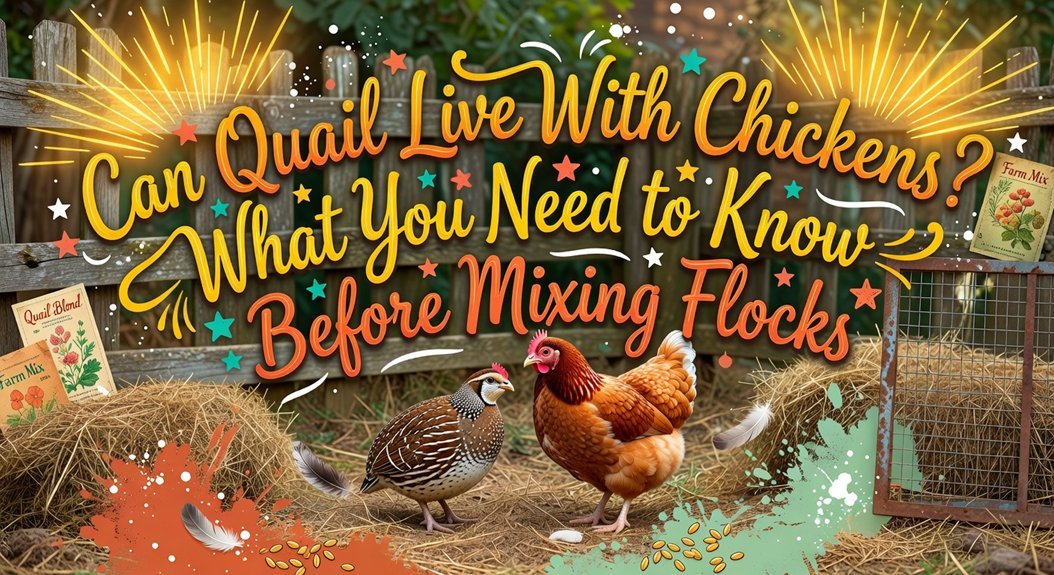
If you’re thinking about mixing quail and chickens, you’re probably imagining a peaceful multi-species flock — and that instinct makes total sense. Here’s the thing, though: chickens outweigh quail by roughly twelve times, carry diseases quail can’t fight off, dominate feeders, and will destroy quail eggs without a second thought. They can technically share your property, but sharing an enclosure is a different story entirely. Keep going and you’ll find out exactly what that setup actually looks like.
Can Quail and Chickens Actually Live Together?
If you’ve been toying with the idea of housing quail and chickens together to save space and simplify your setup, you’re not alone — and honestly, the frustration of managing two separate enclosures is completely understandable. Here’s the thing, though — co-housing these two species creates real problems that go beyond color management colors or coop ventilation adjustments. Chickens carry diseases that barely affect them but can kill quail before you even recognize symptoms. Now, some keepers report zero issues, and that’s fair — but the risk remains significant. Quail need higher-protein feed chickens will happily demolish, and your chickens will eat every quail egg they find. Obviously, none of that works long-term. Separate housing isn’t just recommended — it’s honestly the smarter, easier choice you’ll thank yourself for later.
Chickens are significantly larger than quail and will assert dominance through the pecking order, making smaller birds a constant target for aggression. Even a single chicken peck can cause serious injury or death to a quail that has no real means of defending itself.
Why Chickens Are a Physical Threat to Quail
Even if you’ve only kept chickens for a season, you’ve probably watched them peck something they weren’t supposed to — a frog, a mouse, a smaller bird that wandered too close. That’s not curiosity. That’s predatory instinct, and it doesn’t switch off around quail.
Here’s the thing — the size disparity alone makes this dangerous. Your average chicken weighs six pounds. A quail weighs half a pound. One accidental peck can fracture a quail’s fragile bones. An intentional attack? You’ll find feathers and nothing else.
Chickens don’t see quail as flock mates. They see easy targets. Hens have been documented killing sparrows in enclosed pens. Quail don’t stand a chance. You’re not managing a personality conflict — you’re managing a predator-prey dynamic. The size mismatch between these two species makes injury not just possible but likely, even when no direct attack occurs.

Material and size: The size of the hardware cloth is 16 inch×50 ft and 1/2 inch×1/2 inch thickness, adopt 19 guage hot-dipped galvanized material

Nighttime Predator Eyes Animal Deterrent: This 4 pack solar nocturnal animal repeller is designed to help protect your outdoor spaces after dark, when many unwanted animals are most active. The dual red LED lights mimic the appearance of predator eyes, helping deter coyotes, raccoons, foxes, skunks, deer and other nighttime visitors from approaching your yard, garden, farm, trash area, chicken coop or livestock zone

Prevent Predators:2 roll chicken coop predator proof apron total about 11-5/8in W x 65 ft L, expertly designed to effectively block predators.Extending the wire mesh to the bottom of the coop prevents predators from digging their way in
The Disease Problem With Mixing Quail and Chickens
The physical danger is real, but here’s what keeps experienced keepers up at night — you can fix a size mismatch with smart housing, but you can’t always see a disease coming until it’s already tearing through your quail. Chickens carry Ulcerative Enteritis, Coryza, and Mycoplasma Gallisepticum without showing a single symptom. You’d never know. Your quail, though? They’re incredibly vulnerable, and those diseases hit them fast and hard. Here’s the thing — even proximity without shared enclosures transmits MG. Your biosecurity protocols and vaccination strategies matter enormously here, but they’re not foolproof. Now, distance recommendations range from 20 to 50 feet minimum. Separate tools, feeders, waterers, footwear — everything. If you’re genuinely serious about quail, keeping chickens nearby is a calculated gamble worth reconsidering. Coccidiosis is another shared disease threat that both species can contract, but while chickens often survive it, quail face a far grimmer prognosis and remain contagious for life even after treatment.
Why Quail and Chickens Can’t Share an Enclosure
Sharing an enclosure between quail and chickens sounds like a reasonable shortcut — one space, one feeding routine, less hassle — but it unravels fast once you understand what’s actually happening inside that pen. Here’s the thing: flight genetics alone make containment a nightmare. Quail can cover 50 feet in a single burst, while your chickens barely clear a fence. That space constraint you’re working within? It favors the bully, not the bird you’re trying to protect. Chickens will eat quail feed, harass smaller birds, and yes — actually eat the quail. Your egg production disappears overnight. Now, you can love both species without housing them together. Separate enclosures aren’t a compromise; they’re just the smarter setup. Quail also lack a homing instinct, meaning if they escape a shared enclosure, they can fly off and never find their way back.
The Only Housing Setup Where Shared Space Might Work
A wire divider setup lets both species share the same run without touching. They hear each other, see each other, and slowly stop caring about each other. That’s actually ideal acclimation.
Stacked cages take a different angle — quail sit above the chicken area entirely, automating feed and egg collection while keeping contact impossible.
Now, neither setup works for free-range chicken systems. Obviously, that matters before you buy anything.
But if you’ve got an enclosed pen and thirty quarantine days behind you, you’re closer to making this work than you think.
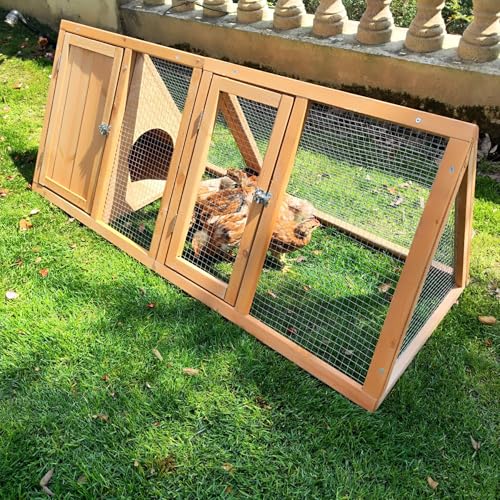
【Portable Chicken Runs】Outdoor chicken run made of sturdy metal wire mesh, forming a stable triangular support that prevents the poultry cage from swaying collapsing.The bunny house weighs 14.5 lbs,and seniors can also move him anywhere on their own.
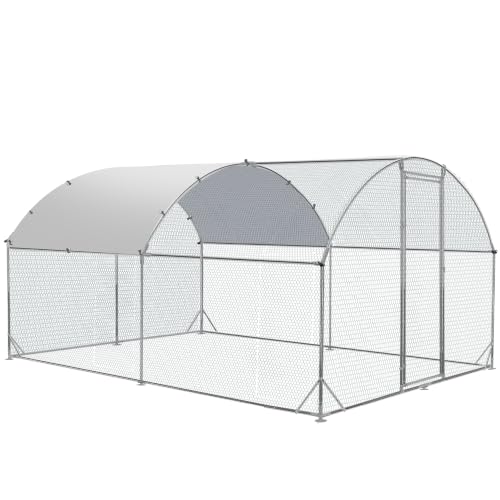
🐣【Durable Steel Structure】Our heavy-duty metal coop (9'W x 13'L x 6.5'H) is made of the high-quality steel frame. A large metal coop for long-term use is the point we keep in mind all the time when we produce this product, so we added additional support columns and triangular supports. The stainless steel coupled with galvanizing technology resistance of the cage.

HEAVY DUTY MATERIAL – Made from strong yet lightweight 20‑gauge galvanized steel designed to endure outdoor conditions and long‑term farm use
How Feeding Quail and Chickens Together Backfires
Feeding quail and chickens together sounds manageable until you actually watch it happen — and then you realize chickens don’t share, they dominate. Your hens will clean out every quail pellet before your quail even get close. That’s feed competition in its most frustrating form, and you can’t train chickens out of it.
Here’s the thing — quail need up to 24% protein, and chicken feed doesn’t come close. Meanwhile, your chickens are gorging on high-protein quail feed, creating a protein imbalance that wrecks their health long-term. You end up with skinny quail and overweight hens. Nobody wins.
Separate feeders in separate spaces aren’t optional — they’re the only setup that actually works for both birds.

ELIMINATE DAILY COOP CHORES: No more lugging heavy waterers every morning or worrying about thirsty birds during weekend trips; this gravity fed chicken waterer system automates your homestead hydration by maintaining a steady fresh supply whenever the water level drops

ELIMINATE DAILY COOP CHORES: No more lugging heavy waterers every morning or worrying about thirsty birds during weekend trips; this gravity fed chicken waterer system automates your homestead hydration by maintaining a steady fresh supply whenever the water level drops

ELIMINATE DAILY COOP CHORES: No more lugging heavy waterers every morning or worrying about thirsty birds during weekend trips; this gravity fed chicken waterer system automates your homestead hydration by maintaining a steady fresh supply whenever the water level drops
What Chickens Do to Quail Eggs and Breeding
If you’re keeping quail eggs anywhere near your chickens, you’ve already got a problem brewing — chickens don’t just ignore quail eggs, they actively destroy them. That’s egg handling predation in its most frustrating form. One cracked egg triggers immediate feeding behavior, and suddenly your whole clutch is gone. Now, broody interference makes things even messier. Even if you’ve got a broody hen willing to sit on quail eggs, her size and constant repositioning crush those delicate shells before anything develops. Here’s the thing — quail hens brooding their own eggs hit 70-80% hatch rates naturally. Why sabotage that with a chicken involved? Separate your breeding enclosures, keep chickens completely away from quail nests, and let your quail do what they’re genuinely built for. Chickens may peck at quail eggs in mixed housing, so managing feeding stations and enclosure access separately is a critical step to preventing unnecessary egg loss.
Behavioral and Physical Signs Your Quail Are Being Bullied
Between the missing feathers, the cowering in corners, and the quail that won’t go near the feeder until every chicken has walked away — your birds are telling you something’s wrong, and it’s worth listening.
Here’s the thing: feather loss beyond normal molting is your first red flag. You’ll notice bald patches on the head, scratches on the body, and quail limping from being trampled. Now watch their behavior. Isolation behavior tells the whole story — stressed quail hide, freeze, and huddle in corners while chickens dominate the feeders.
They’re also eating after dark just to avoid conflict. That’s not quirky. That’s survival mode.
If you’re seeing these signs, your current setup isn’t working. Separating them now prevents casualties later.
What Most Keepers Get Wrong When Housing Quail With Chickens
Now, predator instincts kick in fast. Your hens will eat every quail egg they find, shells included. That’s not aggression — that’s just chicken logic.
All right, here’s what you actually need: separate enclosures positioned close together. You get the convenience without the chaos. Obviously it’s more work upfront, but you’ll stop losing eggs, feed, and birds overnight. That’s the smarter move.

Quality materials:Brooder box Made of tung wood, and high transparent acrylic panel. The operable skylight makes it easier to place the chicks. Pure solid wood and no paint, giving chicks a better and more comfortable environment to grow up. So you can use it for chicks, hamsters, lizards, Bunny, ducklings and small quai , or even puppies.(Brooder box needs to be assembled

【Premium Materials】This triangular small wooden chicken coop is carefully crafted from sturdy and enviromental wood to ensure a safe and reliable living environment for the chicks and being long-lasting.

Durable rabbit hutch: Made of fir wood coated with safe, waterproof, non-toxic paint, and a triangular roof design to protect pets from water and excessive sunlight