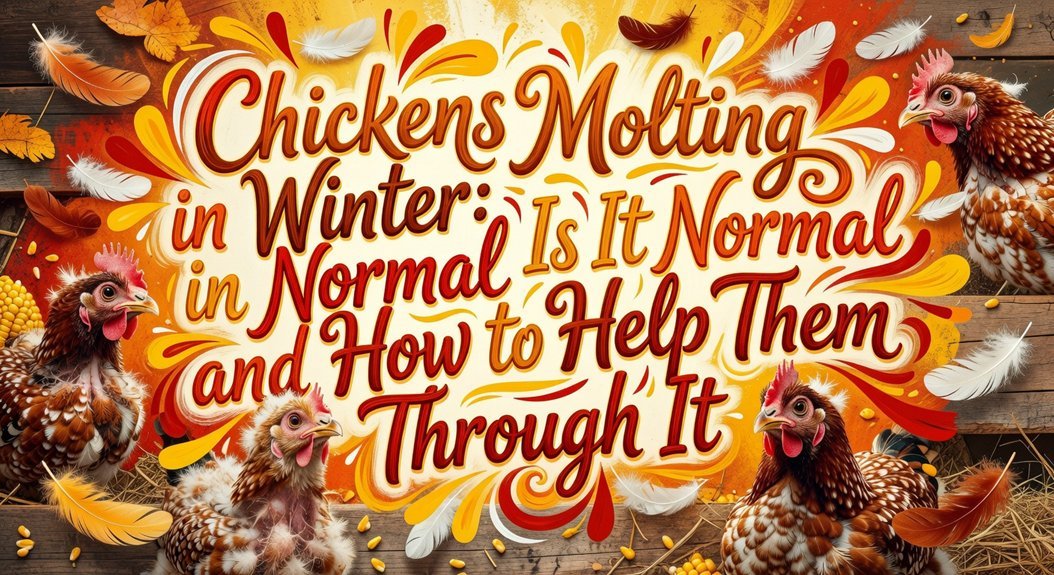
Yes, your chickens molting in winter is completely normal — stressful to watch, but normal. Molting can stretch from September all the way into January, triggered by shorter daylight hours and sometimes delayed by stress or diet. Your featherless hens need an 18% protein diet, draft-free ventilation, and deep bedding to stay comfortable. Skip the sweaters and heat lamps — both cause more harm than good. Stick around, because there’s a lot more your flock needs you to know.
Is It Normal for Chickens to Molt in Winter?
If you stepped outside this morning and found your chicken looking like she lost a bar fight with a pillow, don’t panic — winter molting is more common than most backyard flock keepers realize. Here’s the thing: molt timing isn’t purely seasonal. It’s shaped by age, stress, daylight exposure, and even feather genetics — meaning your heritage breeds and hybrid layers won’t follow identical schedules.
Now, chickens typically molt starting around September, but late molters can push that into January. Obviously, that feels alarming when temperatures drop. You’re watching your bird lose insulation in real time.
But she’s not sick. She’s just wired differently. Understanding that distinction makes everything that follows — the feeding changes, the shelter adjustments — feel less overwhelming and more manageable. Younger new layers will rarely experience an extensive molt during their first year, so if you have pullets that just started laying, they’re likely not the ones giving you a feather-covered coop floor.
Signs Your Chicken Is Molting in Winter
Knowing your hen is molting — rather than sick, injured, or being bullied — changes everything about how you respond. Here’s the thing: molting has a very recognizable signature once you know what you’re looking for.
Watch your feather color first. Dull, scruffy plumage mixed with pin feathers pushing through bare patches is your clearest signal. You’ll also notice your egg count dropping fast — sometimes stopping completely — because your hen’s redirecting protein toward feather regrowth, not eggs.
Now, beyond the obvious, look for behavioral shifts: hiding, quieter vocalizations, slower movement. Her comb may shrink and pale. You’ll find loose feathers everywhere.
All right — if you’re seeing these signs together, she’s molting. Relax. Your job now is supporting her through it.
Why Winter Triggers Molting in Chickens
Most backyard chicken keepers assume winter molt is some kind of mistake — like their hens missed the memo. Here’s the thing: it’s not random. Your older hens sometimes molt twice yearly, and prolonged laying seasons can push that second cycle straight into winter. Now, photolight cues — those shortening fall days — are supposed to trigger molting early. But when hormonal shifts get delayed by stress, diet changes, or extended egg production, your flock simply starts later. Obviously, that timing isn’t ideal. Feathers are 85-percent protein, and rebuilding them during freezing temperatures compounds everything. Your birds aren’t confused — they’re just running behind schedule. Understanding why it happens is honestly half the battle, because now you can actually do something useful about it.
Feed Your Molting Chickens Through Winter
Once you understand why your flock’s molting behind schedule, the next logical question is what you’re actually going to feed them — because this is where most keepers get it wrong. Your chickens need serious protein feed right now, think 18% minimum. Drop the layer feed since hens aren’t laying, and excess calcium does real harm. Switch to grower or all-flock feed instead. Now, protein treats matter too — mealworms, scrambled eggs, black sunflower seeds. Keep them under 10% of total diet though. Here’s the thing: scratch grains feel generous but they’re actually diluting the protein your birds desperately need. Add water electrolytes during colder stretches inside their winter shelter. Minimize handling too — those new pin feathers hurt. Make the switch today. Your flock will thank you faster than you’d expect.

MEDICATED CHICK STARTER FEED: This complete chicken feed is made with added Amprolium to aid in the prevention of coccidiosis, and contains 18% protein for weight gain, our chicken food is essential for your young birds.

COMPLETE ALL FLOCK FEED FOR MIXED BACKYARD FLOCKS: Versatile poultry feed & all flock feed designed to support chickens, ducks, turkeys, geese, & more; a balanced bird food that simplifies feeding a diverse species in your backyard or homestead
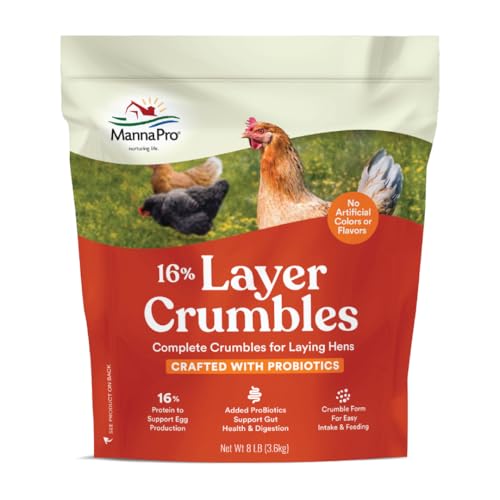
COMPLETE CHICKEN FEED FOR LAYING HENS: Manna Pro Chicken Feed delivers complete nutrition designed for laying hens, supporting strong egg production, healthy feathers, and overall wellness; balanced formula helps maintain optimal health in backyard flocks
How to Set Up Your Coop for Winter Molting
Molting chickens in winter already have enough working against them — bare patches, pin feathers, dropping temperatures — and a poorly set-up coop turns a manageable situation into a genuinely miserable one. Here’s the thing: your two biggest priorities are coop ventilation and insulated flooring. Now, ventilation sounds counterintuitive when it’s freezing, but moisture and ammonia buildup cause frostbite faster than cold air does. Position high vents above roosting areas so warm, humid air escapes without drafting directly onto your birds. Seal lower gaps with weatherstripping to block chilly drafts without suffocating airflow. For insulated flooring, pile six-plus inches of pine shavings using the deep litter method — it’s genuinely warm and self-composting. Adding Flock Fixer to water during this period can provide additional stress relief and essential nutrient support for feather-depleted birds. Set this up right, and you’ve removed the biggest variable working against your vulnerable, feather-sparse flock.


Elevate Your Coop with Our Premium Pine Bedding—meticulously crafted from 100% natural radiata pine. Super absorbent (3x+ its weight), low dust, and naturally odor-controlling, it keeps the coop dry, comfortable, and fresh. Compostable, fluffy and gently cushioning, it turns your chicken house into a clean, forest-fresh haven.

Our Product Includes: 1 lb of poplar wood shavings pet bedding, this product is compressed packaging, please rub the wood shavings with your fingers before use.
Mistakes That Make Winter Molting Worse
When your molting chickens are already struggling through bare patches and dropping temps, the last thing they need is you accidentally making things worse — and yet, some of the most well-meaning chicken keepers do exactly that.
Here’s the thing — chicken sweaters look adorable but irritate sensitive pin feathers during cold shedding regrowth. Heat lamps feel helpful but actually overheat birds and create real fire risks. Bringing chickens indoors disrupts their cold acclimation, making them more vulnerable when they return outside. Thin bedding leaves featherless skin exposed to ground chill and moisture during peak feather loss. Now, flock stressors like bullying and poor nutrition quietly deepen the problem.
Skipping high-protein treats like mealworms during molt means your bird lacks the nutritional building blocks needed to regrow feathers efficiently in cold weather.
You don’t need fancy fixes. You just need to stop making these mistakes first.

COMPLETE STARTER FEED FOR CHICKS: Specifically formulated for chicks from hatching to 16 weeks, this non-medicated chick starter feed delivers balanced nutrition and essential nutrients to support strong, healthy early growth and development.
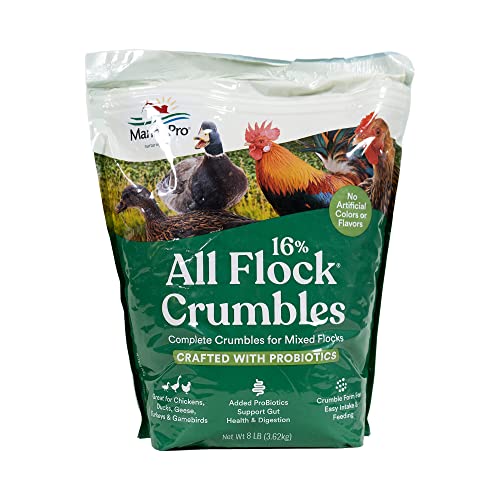
COMPLETE ALL FLOCK FEED FOR MIXED BACKYARD FLOCKS: Versatile poultry feed & all flock feed designed to support chickens, ducks, turkeys, geese, & more; a balanced bird food that simplifies feeding a diverse species in your backyard or homestead

NUTRITIOUS CHICKEN TREATS FOR LAYING HENS & FLOCKS: Wholesome mix offers fun & nutrition in one tasty snack; these premium chicken treats for laying hens encourage natural pecking behavior, support strong eggs, & are a perfect choice for backyard flocks