You’ll achieve ideal flock health by maintaining 8 to 12 hens per rooster, though your breed’s characteristics determine the precise ratio. Heavy breeds like Brahmas require fewer hens—around 4 per rooster—while lightweight, high-energy breeds like Leghorns can support up to 12. Docile breeds such as Silkies thrive with roughly 6 hens per rooster. Incorrect ratios trigger aggressive behavior, feather loss, and stress-related immune compromise in your hens. Understanding these breed-specific dynamics safeguards your flock’s stable social structures and consistent egg production.
Understanding the Ideal Ratio for Healthy Flocks
Because breed characteristics fundamentally shape reproductive dynamics, you’ll need to adjust your chicken-to-rooster ratio based on specific factors like size, temperament, and energy level. Heavy breeds like broad-breasted turkeys require fewer hens—as few as 4 per male—due to their size and reduced rooster behavior intensity. Conversely, lightweight, high-energy breeds like Leghorns demand higher ratios, reaching 12 hens per rooster. Docile bantams and Silkies tolerate approximately 6 hens per rooster. Notably, Silkies are known for their distinct genetics, including having an extra toe. Having a dust bath can also contribute to the overall health and well-being of your flock, encouraging natural behaviors and reducing stress. When breed-specific guidance isn’t available, apply a baseline of 8–12 hens per rooster, then adjust based on observed rooster behavior and flock harmony. It is important to note that chickens are social animals and should not be kept alone, which can influence your overall flock dynamics. Monitor your flock’s response, adjusting ratios to maintain fertility and minimize stress while preserving both reproductive success and social stability. Ample space is crucial for avoiding overcrowding and stress, so ensure adequate coop and run space to support your chosen ratio effectively.
Consequences of Insufficient Hens Per Rooster
When you fall short of the recommended hen-to-rooster ratio, your flock faces a cascade of interconnected problems that compound beyond simple mating frequency. Insufficient hens intensify rooster aggression and competition, destabilizing your flock’s pecking order. You’ll observe escalated fighting among males, with dominant roosters monopolizing breeding opportunities while subordinates harass hens indiscriminately.
The overmating consequences are significant: concentrated feather loss, skin abrasions, and behavioral stress that reduce egg production and quality. Hens exhibit lethargy, hiding behaviors, and compromised immune function from constant disturbance. Additionally, creating physical barriers like netting can further reduce stress by allowing hens to escape from aggressive roosters while among the flock. Feeding your hens a balanced diet can help mitigate some stress and support overall health, but care should be taken to ensure it doesn’t make up more than 10% of their total intake. Blood from injuries can trigger cannibalistic behavior among chickens, escalating the severity of wounds and flock discord. Furthermore, skewed mating patterns reduce genetic diversity, concentrating reproduction through one or few roosters. This creates vulnerability to inbreeding and limits your breeding stock’s resilience. You’re fundamentally narrowing your flock’s genetic foundation while simultaneously compromising individual hen welfare. Additionally, insufficient space and a lack of adequate shelter in your coop can exacerbate stress and discomfort among your hens, further negatively impacting their health and productivity. Regularly providing free-choice calcium supplements can help improve overall hen health, leading to better eggshell quality and stronger bones.

BIRD NETTING FOR CHICKEN COOP: Are you worried that hawks or owls might attack your chicken? This high-tenacity nylon netting features ultra-strong multifilament fibers—finer than ordinary coarse ropes yet with a 5.26kg tensile strength for superior tear resistance. You can keep Keep predator like hawks or owls out by simply draping your chicken run with this mesh netting. It keeps your chicken safely contained—no more jumping into neighbor's yard or destroying your garden!
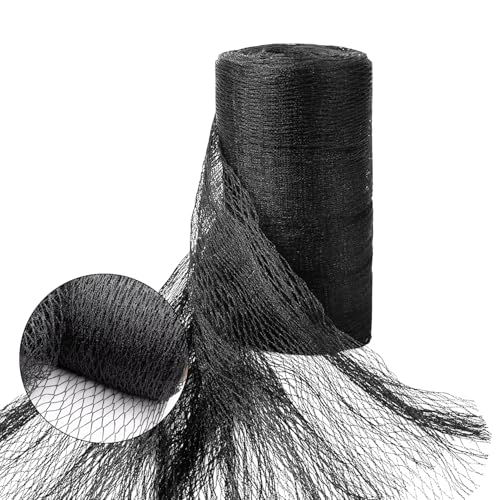
Bird Netting for Chicken Coop: Cover your chicken run, chicken pen, or poultry fence with our large mesh netting to keep predators like hawks, owls, foxes, and raccoons out. Our aviary netting with 1 inch mesh size effectively prevents small animals, such as rabbits and mice from entering, unlike bird nets with larger 2.4 inch holes. This poultry netting also prevents your chickens from escaping and wandering into your garden or neighbor's yard, protecting your plants and vegetables
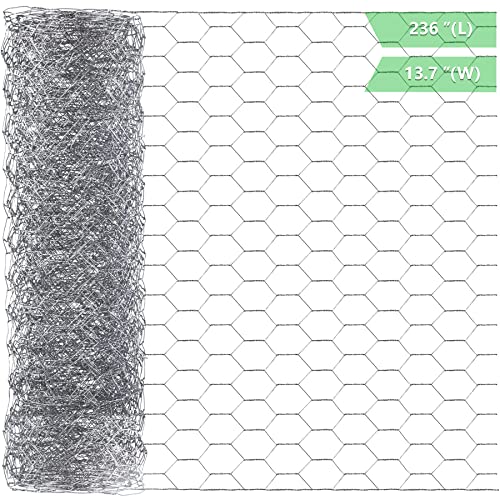
【Large Size】Each mesh is 13.7 inch (width) x 236 inch (length) / 0.35 m x 6 m, 0.8 x 1.38 inch mesh. Wire fencing is long and wide enough to enable you to cut off any shape that you need
How Proper Ratios Benefit Your Flock
Maintaining the ideal hen-to-rooster ratio of 8-12 females per male transforms your flock’s welfare and productivity through measurable improvements across multiple dimensions. You’ll observe reduced stress indicators in hens, as roosters establish stable social structure within your flock. This proper ratio prevents over-mating injuries while fostering flock companionship through natural hierarchy formation.
Your reproductive outcomes improve markedly with one rooster servicing 9-30 hens depending on breed and fertility needs. You’ll achieve optimized egg fertilization rates, enabling selective breeding for desired traits. Additionally, you’ll experience enhanced flock cohesion—roosters actively herd hens into safe areas and sound predator alarms, providing substantive protection against coyotes, hawks, and owls. A protective rooster will sacrifice themselves when necessary to defend the flock from attackers. You’ll notice fewer cannibalistic behaviors and improved overall health metrics, particularly increased water consumption during heat stress periods.


Package Include: this value packed set comes with 8 rooster leg guards in total, featuring 4 red and 4 blue colors; It provides nice cost effectiveness, ensuring you have ample supplies for multiple pet chickens or replacements

Rooster Leg & Spur Protection - Good gloves for injury prevention from chicken rehearsals material made from durable best quality rubber leather can be used for a long time, can be more extended 1-1.5 inches with a hole to put the chicken spur can prevent the spur from being broken into. Safe & gentle for pet / rooster booster glove.
Managing Multiple Roosters Successfully
While a single rooster provides ideal flock stability, many backyard keepers choose to maintain multiple males for breeding programs, genetic diversity, or flock redundancy. Successfully managing multiple roosters requires strategic space allocation and careful aggression management. You’ll need at least 250–500 sq ft of outdoor run per rooster to minimize territorial conflicts. Introduce unfamiliar roosters gradually behind barriers before allowing direct contact, and conduct initial meetings in neutral territory. It’s important to note that space allocation is critical for reducing aggression in multi-rooster setups. Additionally, ensuring hens receive proper nutrition, such as layer feed for optimal egg production, is essential for maintaining overall flock health. Providing fresh vegetables like lettuce can supplement their diet with healthy nutrients. Notably, hens from breeds like the Australorp are known for their high egg production, which can further benefit your flock. Maintaining a sufficient number of hens to roosters helps ensure that each rooster has a fair chance to mate, which is important as hens typically lay eggs for around 5 to 10 years. Maintain behavioral observations throughout integration, monitoring for prolonged fighting or coalition formation that isolates subordinate birds. Provide 1 rooster per 6–10 hens to distribute mating pressure and reduce competition. Install multiple feeding stations and visual barriers to prevent resource-based aggression. Young roosters often demonstrate minimal initial aggression when first introduced to established groups, making early integration timing particularly advantageous. Prepare separate housing for persistent aggressors requiring immediate isolation, preventing injury escalation.
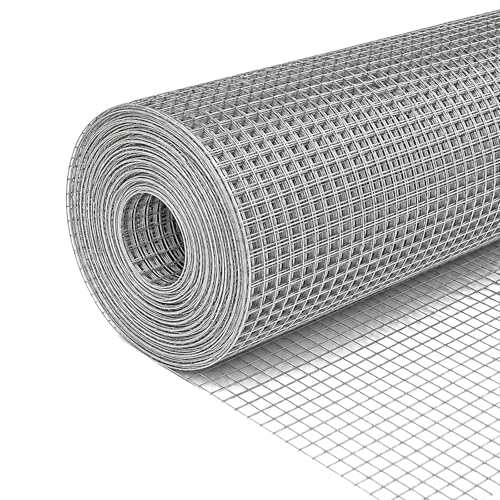
Hardware Cloth 1/2inch for Chicken Coop – 16 inch x 50 ft welded wire mesh made from 23-gauge galvanized steel hardware cloth. Provides reliable strength and flexibility for chicken wire fencing, garden protection, and general outdoor use
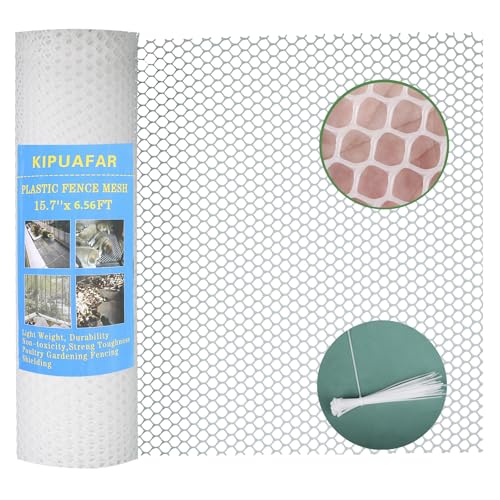
✅ High-Quality Durable Material – Crafted from premium 500gsm ABS plastic particles, our pet fence net offers exceptional durability, wear resistance, and high-temperature tolerance. Lightweight and corrosion-resistant, it ensures long-term reliability while maintaining flexibility for various uses.

Spacious Space: This 79"L×40"W×40"H large size chicken pen offers plenty of room for your chickens and pets, this coop is big enough for 4-6 hens. There are 2 doors around the coop for pets to enter easily.
Breed-Specific Ratio Recommendations
Different chicken breeds exhibit distinct behavioral and physiological traits that directly impact ideal rooster-to-hen ratios, requiring you to adjust management strategies beyond the general 1:8–1:10 guideline.
Leghorn specifics demand 1:7 ratios due to aggressive breeding habits, though you’ll find some flocks sustain 12:1 successfully. These prolific layers are known for their high egg production, making the ratio crucial for maximizing egg yield. Silkie interactions necessitate tighter 4–6:1 ratios because their docile nature compromises fertility at standard guidelines. Ameraucana fertility requires 1:10 minimum; you’ll risk low conception with docile roosters below this threshold. Orpington aggression mandates 10:1 ratios—you’ll observe excessive mounting and feather loss otherwise. Rhode Island dynamics similarly require 10–15:1 ratios since roosters exhibit high aggression toward hens and competitors. You must consider each breed’s temperament and size when establishing your flock’s best ratio. Replacing older roosters with younger breeding stock will enhance fertility rates and overall flock productivity across most breeds.
Space and Environmental Considerations for Optimal Dynamics
Once you’ve aligned your rooster-to-hen ratio with your breed’s specific behavioral profile, you’ll need to examine the physical infrastructure that supports those dynamics. Your coop layout directly impacts rooster aggression and territorial conflicts. Allocate 3-4 square feet per hen indoors, then double or triple this with multiple roosters. Provide 12 inches of roosting space per bird on 2×4 perches positioned 18 inches from walls. Additionally, incorporating cayenne pepper into your chickens’ diet can promote overall vitality and help support their immune systems. Including homemade chicken treats in their diet can also provide essential nutrients that contribute to flock well-being. Ensuring sufficient indoor space like the recommended 12 to 16 square feet for the chickens can help reduce stress and aggression. For indoor areas without outdoor access, increasing space per bird to meet health and well-being standards is critical.
Outdoor enrichment prevents competition-driven aggression. Dedicate 10 square feet per hen in the run, increasing to 20 square feet per bird in high-competition flocks. Position your run in well-drained locations with 5-6 foot fencing. Environmental enrichment such as perches, dust baths, and scratching objects supports mental and physical stimulation that reduces behavioral issues and creates stable flock dynamics aligned with your rooster count.

ADJUSTABLE FIT FOR 2x3 - 2x4 LUMBER: No more struggling with fixed-size brackets! The smart two-piece split design allows you to freely adjust the mounting distance between brackets. It effortlessly accommodates standard 2x3 or 2x4 wood boards, giving your poultry a customized, wobble-free roosting bar.
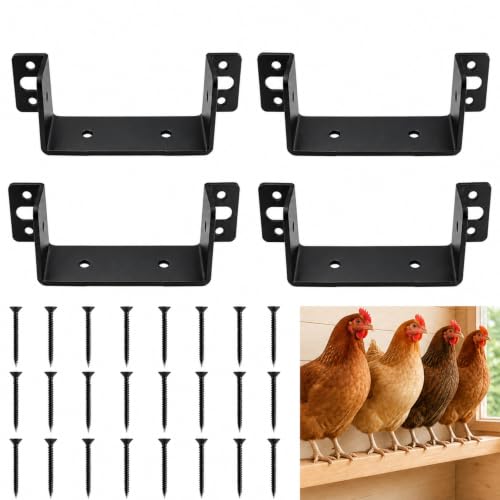
STABLE U-SHAPED ROOST SUPPORT: Heavy-duty chicken coop roost brackets securely hold your 2x4 roost bar to help reduce wobbling and shifting, creating a stable perch where chickens can comfortably rest and sleep

Robust & Durable Construction: Crafted from premium, weather-resistant materials, these heavy-duty poultry roost bar mount brackets ensure long-lasting stability for your flock.