You’re staring at ragged feathers and tiny pin-holes, knowing mites can overrun your coop in three weeks if you don’t act. Obviously, you need to distinguish between night-hiding Red Mites and day-clinging Northern Fowl Mites before treating. Hit vents with Permethrin powder or Fluralaner water, then deep-clean every crack with boiling water. Now, support recovery with garlic-scratched feed and diatomaceous earth dust baths. If you keep going, you’ll uncover exactly how to break their life cycle for good.
Spot the Early Signs of Feather Mites in Chickens
Look, you didn’t start raising chickens to watch them turn into listless, feather-pulling messes, but that’s exactly where things head if you miss the early mite signs. You’ll spot dull, ragged feathers and bald patches near the vent before anything else gets bad. Those tiny pin-holes in flight feathers? That’s your first real clue. Now, understanding the mite lifecycle helps you stay ahead because they reproduce fast under those raised scales on legs. Egg detection is tricky since masses hide right at feather follicles, so grab a flashlight tonight. Check for dark dots crawling on skin or grey specks on roosts. Obviously, scratching heads and reduced appetite mean trouble brewing deep. Don’t wait for pale combs or death; act when you see dirty vent feathers. Catching this early saves your flock’s health and your sanity. Go check them now. To properly identify the issue, you must part the feathers to expose the chicken’s vent and look inside for moving parasites.
Distinguish Between Common Poultry Mite Species
With so many tiny bugs crawling around your coop, it’s easy to panic and grab the first spray bottle you see, but that’s a quick way to waste money and miss the real culprit. You need to understand mite taxonomy before acting. Northern Fowl Mites stay on your birds day and night, while Poultry Red Mites hide in cracks, only feeding at night. Obviously, treating roosts won’t stop Northern Fowl Mites living on feathers. Scaly Leg Mites burrow under scales, causing crusty legs, whereas Surface Feather Mites just eat debris and oils. Knowing each mite lifecycle saves your flock from unnecessary stress. Blood-feeders cause anemia; others are mostly benign. Don’t guess which pest you’re fighting. Identify whether they vanish at dawn or cling tight all day. Once you pinpoint the specific invader, choosing the right treatment becomes simple, effective, and fast.
Inspect Coop Cracks and Bird Vent Areas Thoroughly
You’ve nailed the ID on the bug, but don’t pop that spray can just yet because guessing where they’re hiding is how you end up fighting a ghost. Red mites vanish into coop cracks during daylight, so you need a serious creack inspection right now. Shine your flashlight on doorframes and roosts; if you see tiny red dots scurrying, you’ve found their fortress. Don’t forget the birds themselves. Check vent areas for crawling insects or sticky white gunk near feather bases. This vent cleaning step reveals northern fowl mites hiding in fluffy feathers, especially when temps drop. Strip your coop bare, removing all bedding to expose every nook. Obviously, hollow straw holds more pests than flat orchard grass, so swap it out. Thoroughly examining these spots stops the cycle before you even think about chemicals. Get this right, and you’re halfway to victory. Remember that accurate naming of the specific mite species is essential because common names like “red mite” can refer to multiple distinct pests requiring different treatments.
Apply Chemical Treatments to Eliminate Active Infestations
Don’t just spray and pray, because dumping chemicals on your flock without a plan is how you end up with expensive bugs and worried hens. You need precision. Permethrin powder works wonders if you puff it right into the vent fluff, but watch that chemical dosage carefully since traces linger in yolks for weeks. Maybe you’d prefer Fluralaner in their water? It’s brilliant for avoiding direct handling and carries zero withdrawal periods for eggs or meat. Here’s the thing: application timing matters immensely. Treat every three days for two weeks to break the mite life cycle completely. Diatomaceous earth demands dry coops, while Potassium Sorbate needs spraying under feathers every other day initially. Obviously, keep cats away from Pyrethrin sprays since they’re toxic to felines. Pick your weapon based on your flock’s specific needs and get those pests gone fast. For a strategic combined approach, veterinarians may recommend using both peromethine and spinosad to target multiple life stages with long-lasting residual effects and low-toxicity options.

(3 Pack) Prozap Garden & Poultry Dust 2-Pounds each

Ready-to-use dust for direct application on animals, poultry and bedding
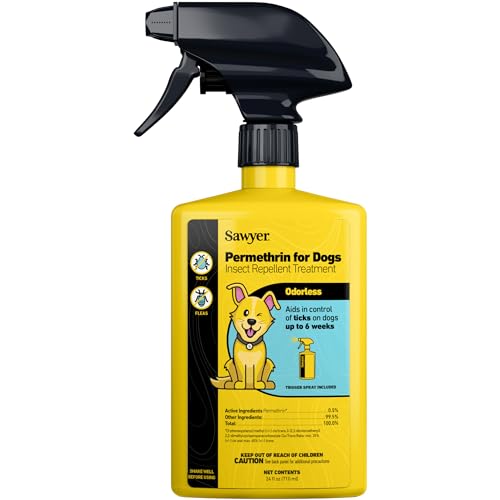
Permethrin spray bonds to fabric fibers for up to 6 weeks or through 6 washings (whichever comes first) won't stain or damage clothing, fabrics, plastics, finished surfaces, or outdoor gear; fragrance free
Use Natural Remedies for Safe Feather Mite Control
Chemicals might knock out a heavy infestation, but they leave you worrying about egg yolks and toxic sprays near your cats. You want safe options that actually work without the headache. All right, let’s talk herbal sprays. Brew strong rosemary or oregano tea, add tea tree oil, and mist your birds directly. It disrupts their life cycle instantly. Obviously, you’ll also need to treat the coop walls weekly with neem oil mixes. Now, don’t forget dust baths. Mix fine sand with food-grade diatomaceous earth and dried lavender. Your flock will roll in it naturally, scrubbing mites off while enjoying a spa day. Garlic in their water helps too, repelling pests from the inside out. This approach takes a bit more effort than a quick spray, but your eggs stay clean and your conscience clear. Go natural today. For added protection, you can sprinkle garden lime on the dust bath or coop floor to further deter pests.

NATURAL AND NON-TOXIC FORMULA: Made from natural essential oils, Premo Poultry Spray is a safe alternative to harsh chemicals like permethrin and mite dusts. Veterinarian and farm approved. Apply directly on all poultry. Treat your entire flock, pens, roosts, coops, nest boxes, and yards. Enjoy peace of mind knowing that your chickens and other poultry is protected naturally and safely

Effective Feather Mite Repellent: Specially formulated to keep mites away from your chickens, reducing stress and promoting health.

WHY IT WORKS| Dust mites are one of the most common allergy and asthma triggers. These invisible bugs can quickly create an unpleasant environment for anyone sensitive to their allergens. DustmiteX kills the dust mite and is the answer for safe and effective removal.
Suffocate Scaly Leg Mites With Petroleum Jelly
While chemical dips might seem like the quick fix for those crusty, raised scales on your chicken’s legs, they often leave you stressing about residue and resistance. You need a safer bet that actually works without the drama. Enter the petroleum jelly smothering technique. This thick barrier blocks mite breathing pores instantly, suffocating them under your bird’s scales. Obviously, you can’t just slap it on dirty legs though. Start with proper scale cleaning using the brush method. Soak feet in warm, soapy water, then gently scrub debris away with an old toothbrush. Rinse, dry thoroughly, and rub that jelly generously into every crack and crevice. It’s messy, sure, but it beats watching your flock suffer. This approach suits anyone wanting holistic care without harsh toxins. Grab some Vaseline today; your chickens will thank you for choosing clarity over chemicals. However, because eggs resist insecticides, you must reapply the treatment daily for about two weeks until the crusty scales shed.

NATURAL AND NON-TOXIC FORMULA: Made from natural essential oils, Premo Poultry Spray is a safe alternative to harsh chemicals like permethrin and mite dusts. Veterinarian and farm approved. Apply directly on all poultry. Treat your entire flock, pens, roosts, coops, nest boxes, and yards. Enjoy peace of mind knowing that your chickens and other poultry is protected naturally and safely

GENTLE, PLANT-BASED FORMULA Crafted with a blend of naturally-derived essential oils, this spray offers a simple, plant-powered way to keep your flock comfortable. Designed for use directly on birds and throughout their living areas—including coops, roosts, bedding, nest boxes, and outdoor enclosures.

Soothing relief: Petroleum jelly provides immediate soothing relief to dry, chafed, or cracked skin, forming a protective barrier that locks in moisture
Schedule Repeat Treatments to Break the Mite Cycle
Even if you scrubbed every leg and slathered on that jelly until your hands slipped, you’re still fighting a losing battle if you stop after one round. Those sneaky eggs hatch just as you think you’ve won. You need precise treatment timing to catch the newly hatched mites before they lay more eggs. Most products demand a repeat application seven to ten days later, though ivermectin often needs follow-ups just a few days apart. Here’s the thing: a single dose simply won’t cut it against their seven-day life cycle. You must commit to at least three strategically spaced treatments for true cycle interruption. Obviously, skipping a round lets the infestation roar back stronger. Stick to a weekly schedule for three weeks total, and you’ll finally break their reproductive chain. Don’t let those tiny hitchhikers outsmart your hard work now.
Sanitize the Coop to Prevent Future Mite Outbreaks
Since you’ve already wrestled those mites off your birds, don’t let the dirty coop serve them a welcome-back party. You need to scrape out every bit of manure and feathers first. Hose everything down, then pressure wash those nooks where mites hide. Pour boiling water into deep cracks to finish the job. Once dry, dust with diatomaceous earth weekly. Obviously, moisture ruins your hard work, so guarantee total drying before adding fresh bedding. Now, consider your Mite‑proofing design; seal gaps where pests sneak in. Perform Seasonal ventilation checks to keep air flowing without creating damp spots. Torch wooden surfaces lightly if you’re brave, hitting 120°F kills lingering bugs. Don’t skip wearing a mask while dusting. This thorough scrub breaks the cycle effectively. Your flock deserves a clean home, so make this deep clean your new standard routine today. Compost the removed waste to keep your gardening schedule on track while maintaining routine hygiene.

Natural Product - Composed of 4lbs of 100% ground freshwater diatomaceous earth with absolutely no additives or fillers.

✅ OMRI Listed for Organic Use – Certified by the Organic Materials Review Institute, ensuring compliance with strict organic standards for safe gardening and farming.

Supports Healthy Feathers & Skin: This 20-pound bag is made with food-grade diatomaceous earth and calcium montmorillonite clay, this dust bath absorbs excess oils, keeping your flock’s plumage clean.
Support Nutritional Recovery to Restore Egg Production
After you’ve scrubbed the coop and dusted every crack, your hens might look cleaner but still act sluggish, and that’s because those mites didn’t just itch—they stole the nutrients needed for eggs. Now, you’ve got to feed that lost essentiality back into them fast. Start mixing mashed garlic into their organic scratch daily; it repels lingering pests while boosting immunity. You’ll also need high-quality, vital protein sources immediately to fuel rapid feather regrowth and restore energy depleted by parasites. Don’t forget Vitamin D, either, since sunlight alone won’t fix deep deficits quickly enough. Toss in some calendula and oregano to sharpen digestion and improve yolk color naturally. Apple cider vinegar in their water creates an internal environment mites hate, ensuring your flock stays resilient against future attacks. This nutritional push isn’t optional; it’s the bridge between survival and robust laying. Get those supplements mixed in today, and watch your hens bounce back stronger than before.