You’re staring at coop plans, terrified of creating a feathered fight club. Here’s the thing: you need four square feet inside per bird, or two for bantams. Obviously, overcrowding kills egg production and invites disease. If you skip the run, add fifty percent more space immediately. Give each hen eight inches of sturdy roost to prevent leg injuries. This setup keeps your flock calm and laying. Stick to these numbers, and you’ll avoid the chaos waiting just beyond your current draft.
How Much Coop Space Does Each Chicken Need?
Look, I get it; you’re standing there staring at coop specs, wondering if skimping on square footage will save you cash or just sentence your girls to a feathered prison. Honestly, cramming them in ruins everything. You need four square feet per standard bird inside if they lack a big run. Skimping here tanks egg‑production fast because stressed hens stop laying. Plus, crowded conditions invite disease, wrecking chicken health before you even notice. You also need that minimum 3.5-foot height for proper ventilation and a sturdy weather perch. Without adequate roosting space, your flock suffers leg injuries and sleepless nights. Obviously, bigger is always better for comfort, but sticking to the three-to-four square foot rule keeps peace. Don’t gamble with their well-being; give them the room they crave. Your future self, collecting fresh eggs daily, will thank you for making the smart choice today. Remember that this interior area is strictly for rest and sleeping, not for their daily activity which belongs in the run.

Premium Chicken Roosting Ladder for Healthy Flocks: This multi-functional chicken perch provides a natural resting solution. There are two different heights of ladders for all breeds and ages of chickens

Durable ECOFLEX Build – Constructed from non‑toxic, recycled polymers and reclaimed wood fiber for reliable moisture, odor, and scratch resistance
How Does Breed Size Alter Your Space Requirements?
Since you’ve already nailed the baseline square footage, don’t let breed size sneak up and wreck your carefully calculated plans. Bantams need just two square feet, but heavy Jersey Giants demand four or more. Obviously, your indoor space planning must shift dramatically based on these differences. When you face confinement challenges without a run, bump those numbers up fifty percent immediately. Cold climate impact means larger breeds need even more room to avoid frostbite and boredom. Temperament considerations matter too; aggressive birds require extra buffer zones to keep peace. Don’t forget breed-specific roosting needs, as big hens need wider perches than tiny Silkies. Free-range benefits help active breeds burn energy, yet space-adjustment calculations remain critical for safety. You’ll love seeing your flock thrive when you match their specific physical needs perfectly. Just do the math right now, and you’re set.
What Are the Minimum Run Dimensions for Chickens?
If you’ve ever watched your birds turn a lush patch of grass into a dusty, barren wasteland in record time, you know exactly why skimping on run space is a rookie mistake. You need at least ten square feet per chicken to keep vegetation alive and behaviors natural. For six hens, that means aiming for sixty square feet minimum, though seventy-two feels much better. Obviously, cramped quarters invite bullying and boredom. Now, if your yard forces a smaller footprint, consider a grazing run box to supplement their diet with fresh greens. Don’t forget that expanding the run also demands robust predator deterrents, since more ground means more perimeter to secure. Larger runs reduce your workload by preserving grass and minimizing supplemental feeding needs. Give them room to scratch, forage, and thrive without turning your yard into a dirt pit. It’s really that simple. Open, uncovered runs help prevent grass loss compared to covered configurations.

Material and size: The size of the hardware cloth is 16 inch×50 ft and 1/2 inch×1/2 inch thickness, adopt 19 guage hot-dipped galvanized material

BIRD NETTING FOR CHICKEN COOP: Are you worried that hawks or owls might attack your chicken? This high-tenacity nylon netting features ultra-strong multifilament fibers—finer than ordinary coarse ropes yet with a 5.26kg tensile strength for superior tear resistance. You can keep Keep predator like hawks or owls out by simply draping your chicken run with this mesh netting. It keeps your chicken safely contained—no more jumping into neighbor's yard or destroying your garden!

How Many Birds Fit in Your Specific Coop Size?
How do you stop guessing whether your new coop will turn into a crowded sardine can before you even buy the lumber? You calculate square footage based on breed size, obviously. Small Bantams need just two feet, while massive Brahmas demand six. If you’re planning **free-range adventures, you can squeeze more birds in, but confined flocks need double the room to avoid pecking disasters. Your coop design directly impacts feed budgeting too; cramped chickens eat more due to stress. A 4×8 structure holds sixteen free-rangers but only six large breeds indoors. Don’t guess. Measure your available space, pick your breed, then do the math. Six medium hens need eighteen square feet, period. Overcrowding invites disease**, so err on the side of spaciousness. You’ve got the numbers now, so build confidently and skip the regret later.
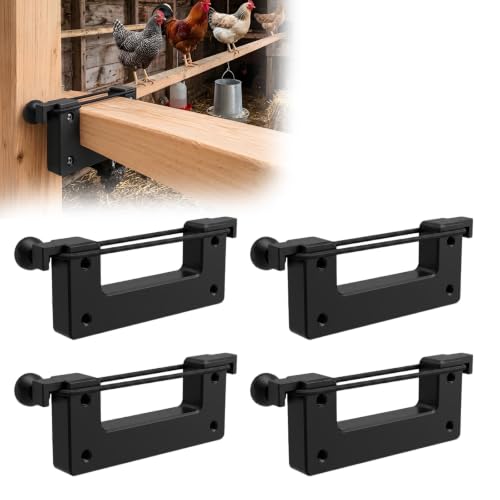
1. QUICK INSTALL & EASY REMOVAL: Upgrade your chicken coop setup effortlessly. Our U-shaped bracket features a flexible elastic bungee cord design. You can easily secure the roost bar in place or release it in seconds without unscrewing the wood, simplifying daily maintenance.

What Are the Roosting and Nesting Box Ratios?
You’ve nailed the floor space, but don’t let your flock turn into a feathered mosh pit overnight because they still need a proper place to sleep and lay. Here’s the thing: ignoring the roost ratio invites squabbles and frozen toes. You’ll want eight inches per standard bird, maybe twelve for those hefty dual-purpose girls. Skip slippery metal pipes; grab sturdy 2x4s so they grip tight. Now, consider your nesting capacity. One box handles four hens comfortably. Don’t stack roosts directly above nests unless you fancy scrambled eggs on your breakfast menu. Stair-step those perches eighteen inches apart to save room while keeping tails clean. Obviously, cramped birds get stressed, and stressed birds stop laying. So, measure twice, cut once, and watch your girls snooze soundly without turning your coop into a chaotic dormitory. It’s really that simple. However, observations show that chickens often huddle tightly together on perches, suggesting they may be comfortable with less space than typically recommended.

EASY INSTALLATION: with the included hardware, screw it to the walls inside your coop and you're done.

ADJUSTABLE FIT FOR 2x3 - 2x4 LUMBER: No more struggling with fixed-size brackets! The smart two-piece split design allows you to freely adjust the mounting distance between brackets. It effortlessly accommodates standard 2x3 or 2x4 wood boards, giving your poultry a customized, wobble-free roosting bar.
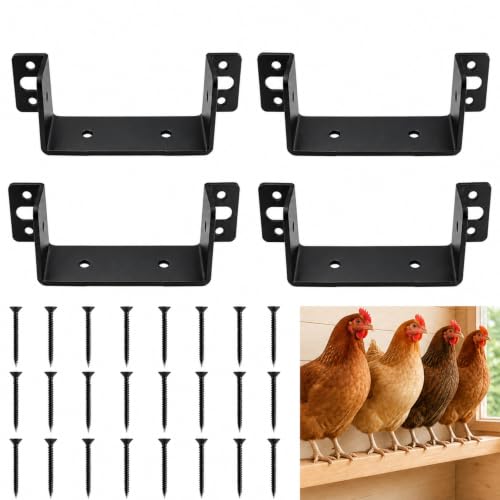
STABLE U-SHAPED ROOST SUPPORT: Heavy-duty chicken coop roost brackets securely hold your 2x4 roost bar to help reduce wobbling and shifting, creating a stable perch where chickens can comfortably rest and sleep
How Does Free-Range Access Reduce Indoor Space?
Since your girls are out scratching for bugs and sunbathing most of the day, you don’t need to build them a mansion for daytime hanging out. All right, here’s the thing: free-ranging slashes your indoor footprint because the coop becomes just a bedroom, not a prison. You’re saving cash on lumber since they only need eight inches of roost per bird inside. Obviously, you still must design for the outdoor climate, ensuring they have shelter when rain hits hard. But don’t forget predator protection; that secure nighttime lockup is non-negotiable even if they roam free. Your flock gets mental stimulation while you cut feed costs and skip building elaborate runs. This setup works perfectly if you have decent land and want happy, active hens without the massive infrastructure. So, ditch the giant coop plans and focus on a snug, safe night shelter instead. It’s smarter, cheaper, and your birds will thank you.
Why Do Broilers Need Different Space Allocations?
Why are you trying to fit meat birds into the same coop plans you found for your egg‑layers? You’re ignoring their insane growth rate and unique metabolic efficiency needs. Broilers burn fewer calories when confined, boosting feed conversion, but pushing stocking density too high crashes welfare standards instantly. Your housing design must balance feed density with strict ventilation needs to stop ammonia buildup before it hurts your flock. Obviously, rapid weight gain demands less space than layers, yet overcrowding still causes metabolic stress and poor meat quality. You need roughly one square foot per bird for short cycles, expanding to two‑point‑five if you keep them longer. Don’t guess; calculate precisely based on your specific timeline. Getting this wrong wastes money and harms birds, while nailing it guarantees uniform development and maximum profit. So, stop copying layer blueprints and build a setup specifically for your meat birds’ biology today. It’s the smartest move for your bottom line and their health. Competition for feed in tight spaces directly reduces growth efficiency.
What Signs Indicate Your Flock Is Overcrowded?
You just nailed the square footage for your broilers, but don’t think that math automatically saves your layers from a crowded mess. Watch closely now. If you spot excessive feather pecking or constant squawking, those are clear feather‑pecking alerts screaming for space. Hens pacing fences or hiding in corners signal deep frustration and fear. Obviously, overcrowding stress crushes egg production, leaving you with thin shells or pale eggs instead of breakfast. You’ll see dominant birds bullying subordinates while weaker chickens starve at the feeder. Feather loss without molting and high mortality rates prove your coop is too small. Don’t ignore these physical symptoms or social disruptions. Your flock needs room to breathe, not fight. Give them adequate space today to stop the aggression and restore peace. A happy flock lays better, so trust these signs and expand their world immediately. Even with sufficient square footage, overcrowding leads to increased pecking if the layout lacks proper roosting space and hiding spots for vulnerable birds.
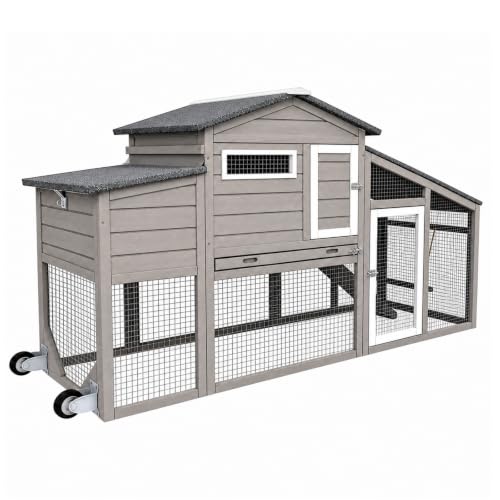
RIGHT-SIZED SPACE FOR 2-3 HENS – 70.8 IN CHICKEN COOP WITH RUN: Give your small backyard flock dedicated places to rest, nest, roost, and move. Measuring 70.8 inches in length, this outdoor chicken coop with run combines an elevated sleeping house with a lower enclosed area and is designed for 2-3 standard-size hens. Its compact layout provides essential daily-use areas without requiring the footprint of a larger chicken house

REAL SPACE FOR 3–6 HENS – 95.3" RED BACKYARD COOP: Give your flock room to move, rest, and settle in. This 95.3" red wooden chicken coop with run is built for backyard chicken keepers who need usable space—not cramped housing. The elevated indoor shelter offers a drier resting area, while the extended outdoor run supports natural movement, scratching, and daily activity. Suitable for 3–6 standard-size hens
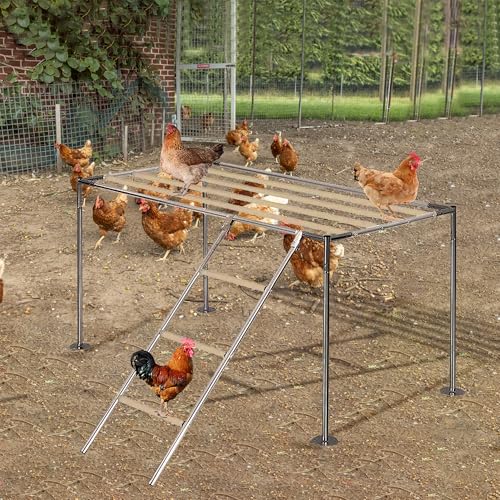
Chicken Coop Essentials:Our roosting perch are built with corrosion-resistant galvanized pipes and organic wood. They are durable and easy to clean, keeping chickens away from wet ground most of the time. They can provide your chickens with a reliable and comfortable resting place, which is deeply loved by chicken.