
You’re staring at that squishy, swollen belly and wondering if draining it actually helps. Here’s the thing: water belly signals fatal heart failure, not just a quick fix. You can safely drain up to 30ml using an 18-gauge needle right of the vent, but obviously, this only buys time if fast growth or cold stress caused it. If the fluid turns black, stop immediately. Stick around to see exactly when drainage works and when it’s time to let go.
What Are the First Signs of Water Belly?
Why does your chicken’s belly suddenly look like it’s holding a water balloon? You’re seeing early belly issues where fluid accumulation creates that squishy, swollen abdomen. It’s not just fat; it’s serious. You’ll notice vent swelling shifting as they move, plus red skin where feathers vanish. Obviously, rapid growth in young birds or age in older hens triggers this. Your hen shows lethargy, sitting more than usual because moving hurts. She’s struggling with labored breathing, panting even when it’s cool. Look closely at her comb; cyanosis turns it purple, signaling oxygen trouble. Poor appetite hits hard, leading to reduced egg production or a total stop. Don’t ignore these signs hoping they fade. Recognizing this specific cluster of symptoms now saves you heartbreak later. Spotting these details clearly helps you act fast before things get worse.
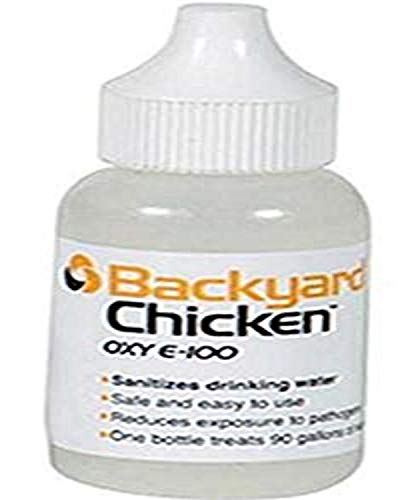
30 milliliters of Backyard Chicken OXY E-100 water treatment drops

90 count bottle of Backyard Chicken Healthyflock Tabs

Supports Digestive Balance: Formulated to promote healthy digestive function and internal balance in chickens and poultry flocks
Can You Safely Drain Fluid From a Chicken?
You’ve spotted the swollen belly and the purple comb, and now you’re staring at your hen wondering if sticking a needle in her is going to make things worse or just end them faster. Relax, because draining fluid doesn’t actually hurt her, though you must prioritize fluid safety to avoid shock. Grab an 18-gauge needle and sterile syringe, then clean the spot right of her vent with alcohol. Never poke the left side; essential organs live there. Hold her upright like a football, never on her back. Here’s the thing: strict fluid limits matter immensely. Drain no more than 30ml slowly per session, or she could crash. If the liquid looks black or green, stop immediately and call a vet. This isn’t a cure, but it buys comfort. You’ve got the tools, so trust your hands and give her some relief today. Remember that this procedure only offers temporary comfort by reducing organ pressure without fixing the underlying failure.

Packaging Specifications: Each package contains 100 units, individually packaged.

50pcs 3ml 18 gauge, individually sealed packaged

SPECIFICATION: 30 pack disposable syringes 5ml with 18 Gauge 1.5 Inch.
Why Do Chickens Develop Ascites and Heart Failure?
Although you didn’t sign up for a veterinary degree when you bought those chicks, watching a healthy bird suddenly balloon with fluid feels like a gut punch you didn’t see coming. Here’s the thing: your fast-growing broilers simply outpace their hearts. Their bodies demand massive oxygen, forcing the right ventricle to pump harder until it fails. This spikes pulmonary gen pressure, damaging vessels and leaking fluid straight into the belly. Obviously, a genetic predisposition in meat breeds makes this worse, as their rapid growth strains cardiovascular systems beyond limits. Cold weather or bad air quality worsens hypoxia, thickening blood and overwhelming weak hearts. You aren’t doing anything wrong; biology is just working against you here. The heart literally cannot keep up with the body’s insane metabolic rate. Understanding this specific mechanical failure helps you accept that sometimes, despite your best care, nature takes its course.
How to Prevent Water Belly in Your Flock
Prevention beats the heartbreaking sight of a swollen bird every single time, and honestly, you don’t need a vet degree to pull it off. You’re tired of losing birds to avoidable stress, right? Here’s the thing: airflow optimization stops ammonia buildup before it wrecks their lungs. Don’t ignore dusty conditions; they suffocate your flock slowly. Your bedding selection matters hugely too. Grab pine flakes, never cedar, because those oils poison fast-growing birds. Feed them balanced grains, not endless treats, or obesity crushes their hearts. Obviously, rapid growers like Cornish crosses need restricted meals to survive. Add Vitamin C and oregano oil; studies show they slash mortality dramatically. Keep water fresh and feed dry to stop mold dead in its tracks. You control their environment, so make it count. Start today, and watch your flock thrive without that scary swelling.
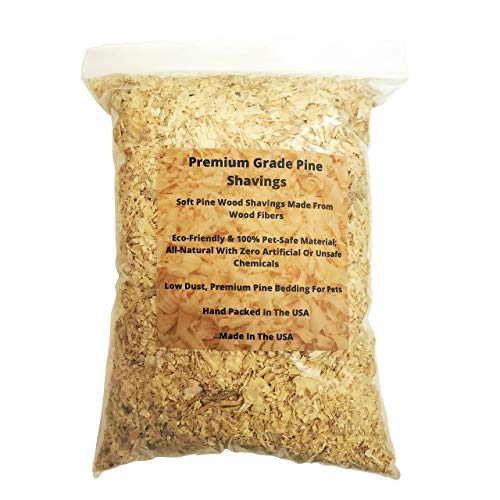
*Premium Quality Small Pet Bedding. Soft and Comfortable - The rabbit litter is soft, free of chemicals, has no irritants and won't irritate the skin of your tiny pets. Our animal bedding prevents allergic reactions and provides a cozy, dry and warm environment to your small pet animals.

Our Product Includes: 1 lb of poplar wood shavings pet bedding, this product is compressed packaging, please rub the wood shavings with your fingers before use.

Elevate Your Coop with Our Premium Pine Bedding—meticulously crafted from 100% natural radiata pine. Super absorbent (3x+ its weight), low dust, and naturally odor-controlling, it keeps the coop dry, comfortable, and fresh. Compostable, fluffy and gently cushioning, it turns your chicken house into a clean, forest-fresh haven.
When Is It Time to Euthanize an Ascites Patient?
Even with the best bedding and feed tweaks you’ve made, sometimes a bird still balloons up, and that’s when prevention hits a hard wall. You see that sharp keel bone and hear the labored panting, right? That’s your cue. Now, if draining fails repeatedly or cancer lurks underneath, you’re just delaying the inevitable. Honest talk: keeping them alive isn’t always kind. Your welfare assessment must weigh their suffering against slim recovery odds. If they can’t eat or breathe without distress, ethicalthanasia timing becomes critical. Don’t wait for them to die on their backs from heart failure. It’s tough, I know, but choosing a humane end stops the pain immediately. You’ve got this. Make the hard call today so your flock stays healthy and your conscience stays clear. Necropsies often reveal that such distension stems from rotting eggs or tumors that cause prolonged internal suffering invisible from the outside.