You’re probably overthinking dinner when the real secret is matching feed to age so you don’t wreck kidneys with early calcium. Start with 20% protein starter, switch to grower at week eight, and wait until week eighteen for layer feed. You’ll need about a quarter-pound daily per hen, whether you choose free-choice ease or scheduled control to stop bullying. Obviously, keep treats under ten percent to avoid shell-less eggs. Stick to these steps, and the rest of the flock management falls into place naturally.
Select the Correct Chicken Feed for Each Age Group
Why does picking chicken feed feel like trying to decode a secret language while your chicks stare at you, waiting to grow? You’re not alone. It’s confusing, but here’s the thing: feed timing matters more than you think. Start with Chick Starter for those first eight weeks; its 18-20% protein builds bones fast. Switch to Grower at week eight to prevent leg issues, then hit Layer feed exactly at 18 weeks or the first egg. Obviously, giving layer feed too early wrecked my friend’s flock because excess calcium damages young kidneys. You need that precise nutrient balance to avoid disaster. If you have mixed ages, stick to the youngest bird’s ration and offer oyster shell separately. Don’t overthink it. Just match the label to their age, keep water flowing, and watch them thrive. You’ve got this.

MEDICATED CHICK STARTER FEED: This complete chicken feed is made with added Amprolium to aid in the prevention of coccidiosis, and contains 18% protein for weight gain, our chicken food is essential for your young birds.

COMPLETE STARTER FEED FOR CHICKS: Specifically formulated for chicks from hatching to 16 weeks, this non-medicated chick starter feed delivers balanced nutrition and essential nutrients to support strong, healthy early growth and development.

Strong Growth and Vitality - With 20.5% protein from organic grains, this feed supports muscle development, bone health, and soft, fluffy feathers, giving your baby chicks and ducklings the nutrients they need to thrive.
Calculate Daily Feed Amounts Per Hen Accurately
Even though you’ve nailed the right feed type, guessing how much to pour out every morning still feels like throwing darts in the dark while your hens cluck impatiently. Stop guessing. An adult hen needs exactly a quarter-pound daily, or roughly 120 grams. If you ignore this precise feed calculation, you’ll either waste money or starve your flock. Cold weather? They’ll eat more. Less nutritious scraps? Intake jumps again. You must adjust for age and activity, because chicks need far less than laying hens. Now, look at your feeder after lunch. Leftovers mean you’re overpouring; empty trays signal shortage. Accurate feed budgeting keeps your wallet happy and your birds healthy. A fifty-pound bag lasts two months for four hens, so do the math before buying. Trust these numbers, watch their appetites, and you’ll never second-guess portion sizes again. It’s really that simple.
Pick Free-Choice or Scheduled Feeding Methods
You’ve got the math down for daily portions, but staring at that empty feeder at noon still leaves you wondering if you’re running a restaurant or a prison for your birds. Here’s the thing: you really have two solid paths. Free choice timing lets hens grab protein, grains, and calcium whenever they want, mimicking nature while cutting waste. It’s perfect if you want lower costs and happier layers, though you’ll need extra feeders. Conversely, scheduled portions give you total control over intake, preventing bullying and obesity while letting you monitor health closely. Obviously, this method demands more of your time but stops dominant birds from hogging the good stuff. If you’re lazy like me, go free-choice; if you’re a control freak, stick to schedules. Both work, so pick your poison and stop overthinking it already. Your flock won’t care as long as they eat.

Essential Calcium Supplement: Pecking Order Oyster Shell is a rich source of calcium, crucial for the development of strong and sturdy eggshells. Adequate calcium intake helps prevent common issues like thin or brittle shells, ensuring your eggs are consistently high quality.

Optimal Health and Egg Production - Enriched with 16% protein from organic grains, this feed provides a balanced and complete diet for laying chickens and ducks, promoting growth and nutritious, supports strong eggshells

NO SPILL CHICKEN FEEDER | We studied the way chickens eat and designed a feeder that doesn’t spill and doesn't waste food. The enclosed feeding ports stop hens from billing and scratching feed onto the ground — the #1 cause of feed waste.
Ferment or Soak Grains to Boost Chicken Nutrition
If you’re tired of watching your birds pick through dry kibble while wondering if they’re actually getting enough nutrition, fermenting or soaking their grains is the upgrade you’ve been missing. You simply mix whole grains with water, let them sit for a few days, and watch the magic happen. Fermentation benefits include breaking down phytic acid, which releases phosphorus for stronger bones and adds gut-friendly probiotics. Your flock digests this soft feed easier, so they’ll eat less while absorbing more. Sprouting nutrients skyrocket during this process, delivering extra B vitamins and enzymes that dry feed lacks. Obviously, you must discard any moldy batches, but the payoff is heavier eggs and healthier hens. This method saves you money on feed costs while boosting disease resistance naturally. Stop guessing about their diet; start fermenting today for a flock that truly thrives without extra expense.

Nutritious and Energy Dense - 3-Grain Scratch is an indulgent treat for your birds. An excellent treat choice for summer as this mix contains slower digesting grains helping to prevent overheating during warm months.

Grow a Gourmet Green Feast of fresh greens for your backyard chickens!
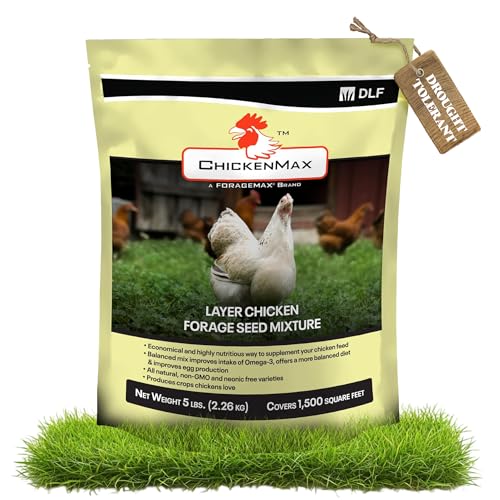
NUTRITIOUS Forage Seed to Supplement Chicken Feed - DLF'S balanced mix, including annual ryegrass, crimson clover, and flax, offering a high-protein, nutritious diet that supports improved egg production and the overall health of your laying hens.
Limit Treats to Maximize Egg Production Rates
While you might think tossing extra scraps makes your hens happier, overdoing treats is actually the quickest way to kill your egg count. You’re diluting their essential protein balance, dropping levels from sixteen percent down fast. If scratch exceeds ten percent of their diet, laying rates plummet immediately. Obviously, nobody wants shell-less eggs or confused hens pecking at raw leftovers. Stick to one tablespoon of scratch or high-protein mealworms daily. This precision protects your egg timing, ensuring consistent morning collections instead of erratic surprises. Avoid salty chips or sweet pastries that stress kidneys and cause obesity. Instead, hang leafy greens for entertainment without ruining nutrition. Free-range birds handle more treats thanks to bugs, but confined flocks need strict limits. Don’t let generosity backfire into empty nests. Keep treats under ten percent total intake. Your hens will thank you with steady production. It’s simple math: less junk means more eggs. So, grab that measuring spoon and start restricting snacks today for a fuller carton tomorrow. Remember that excess protein from too many mealworms may negatively affect your hens’ kidneys, so moderation is key even with healthy snacks.
Grow Homegrown Feed to Lower Flock Costs
Since your feed bills are eating into your egg profits, growing your own grain is the smartest way to slash costs without starving your flock. You’ll need a 9×10 plot for corn or just 20×40 square feet for oats to cover ten birds. Obviously, maximizing soil yield means rotating peas and wheat efficiently. Toss kitchen scraps into your compost pile to enrich that dirt before planting nutrientseed varieties like flax or amaranth. These boost egg omega-3s while cutting grocery runs. Don’t worry if space is tight; even a small 3×6 patch grows enough greens for daily treats. It’s real work, sure, but watching hens peck homegrown sorghum makes every sweat drop worth it. Start small this spring, and you’ll quickly see your expenses drop while your flock thrives on fresh, cheap food you grew yourself.

PREMIUM SNACK: Provide your feathered friends with a delicious and wholesome snack experience. Packed with protein-rich mealworms and real fruit, these treats offer a perfect balance of nutrition and flavor for your flock.

REAL VEGGIES FOR HEALTH: Crafted with real pieces of beets, peas, sweet potatoes, and broccoli, this treat provides wholesome nutrition and natural flavors that your flock will enjoy while supporting their overall health and vitality.

Attracts many beautiful perching and ground feeding Eastern songbirds
Prevent Health Issues With Clean Water and Feeders
You’ve got your homegrown grain sorted, but if your waterers are slimy, you’re basically serving your flock a cocktail of E. coli and Salmonella that’ll wreck those egg profits faster than a fox in the coop. Seriously, biofilm harbors nasty bugs for weeks, so scrub those surfaces weekly with mild detergent before disinfecting. You need rigorous waterier sanitation to kill pathogens without clogging lines; just remember to rinse thoroughly after bleaching. Now, look at your setup. Poor Feeder placement invites dirt and droppings, turning dinner into a disease vector. Elevate everything to block debris and avoid pond water teeming with wildfowl germs. Obviously, contaminated water stresses birds and tanks egg production. Keep litter dry and test your source regularly. Clean lines mean healthy hens and heavier gains. So, grab that brush and scrub down; your flock’s health depends on it, and honestly, it’s the easiest win you’ll get today.

L-shaped brush easily reaches inside of containers

【 16" Long Brush】The water bottle cleaner brush with a long handle is designed for the narrow neck and tall bottle which your hand can't reach the bottom. You can use it as a water bottle scrubber brush, glass water bottle brush, baby bottle brush cleaner, vase brush, hummingbird feeder brushes, milk bottle brush, skinny bottle brush, wine bottle brush, cooking oil bottle brush, blender brush, cup lid cleaning brush, dish brush, travel bottle brush, beer bottle brush, kitchen cleaning brush, flask cleaning brush.

Custom Extended Bristles: Tailored to the existing meat shredder's tooth lengths, these brush bristles allow for more convenient operation