
You’re tired of waiting for those fancy crests to pay rent, right? All right, your Polish hens will likely drop their first small, bright-white eggs around 6 to 8 months if you keep their world bright and stress-free. Obviously, they won’t lay much in winter without extra light, and don’t expect them to hatch chicks since they rarely go broody. But if you want consistent, beautiful white eggs from a unique bird, this fits. Stick around, and you’ll see exactly how to make it happen.
When Do Polish Chickens Start Laying Eggs?
Look, if you’re staring at your calendar wondering why your Polish pullets aren’t dropping eggs while your neighbor’s hybrids have been going for weeks, take a breath because you haven’t done anything wrong. You’re simply raising a heritage breed, not a factory machine. These birds typically start laying between six and eight months, which feels like an eternity compared to those sixteen-week wonders. Obviously, patience pays off here. Once they begin, you’ll collect small to medium white eggs, usually three or four weekly. Don’t expect jumbo breakfasts; their egg size stays modest but consistent. Also, remember that color genetics dictate pure white shells, so stop hoping for brown surprises. This delay suits folks who value unique crests over volume. If you want steady, non-broody layers and can wait a bit, these chickens fit your coop perfectly. Go ahead and commit to them now.

COMPLETE STARTER FEED FOR CHICKS: Specifically formulated for chicks from hatching to 16 weeks, this non-medicated chick starter feed delivers balanced nutrition and essential nutrients to support strong, healthy early growth and development.

Chicken Perch Set: Includes six smoothly polished Pine Wooden sticks, each pre-slotted for easy installation. The set also comes with a screwdriver and screws, providing all the tools needed for convenient assembly.

Coop Freshness Made Easy: Made with calcite, citric acid, thyme, and peppermint, this powerful natural blend revitalizes and protects your chicken coop every single day
How Many Hours of Light Do Polish Hens Need?
Since winter days shrink faster than your egg basket, you’re probably wondering why your Polish hens have hit the pause button just when you needed them most. They need fourteen to sixteen hours of light daily to keep laying. Don’t exceed eighteen hours, or you risk health issues. You must also provide six hours of darkness for rest. Now, consider light intensity. Aim for ten to twenty lux levels inside the coop. A single warm-white bulb usually suffices if you distribute it evenly. Test it by ensuring feed is clearly visible. Add artificial light gradually, maybe fifteen minutes weekly, to avoid stress. Morning lighting works best to simulate natural sunrise. Obviously, consistency matters most, so use a timer. This approach keeps your flock productive without confusion. Just set it, forget it, and watch those eggs return reliably soon. Keep in mind that adequate lighting supports overall egg production and maintains flock fertility.

ENCOURAGES YOUR FLOCK TO ROOST SAFELY – The Omlet Chicken Coop Light gently illuminates your hen house from within as daylight fades, guiding your poultry flock inside before the door closes for the night. A calm, warm glow helps reduce stress and encourages natural roosting behavior.
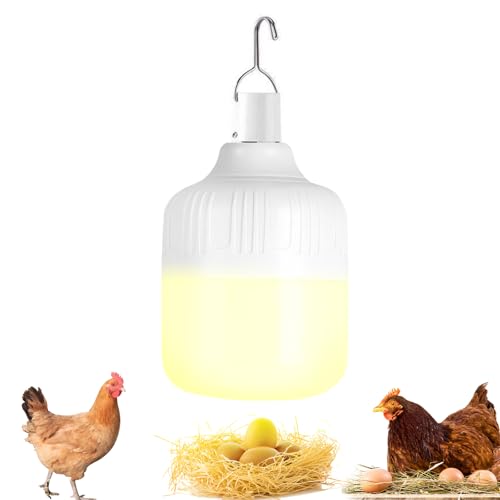
*Gentle 3000K Warm Light**:Soft yellow illumination creates a calming environment for poultry without disrupting natural routines. No harsh glare for animal comfort.

【Intelligent Automation】 - Automated light control for poultry with customization schedules.
How Many Eggs Do Polish Chickens Lay Weekly?
Usually, you’re hoping for a carton a week, but your Polish hens typically hand over just three to four eggs on average. That’s roughly 150 to 200 annually, which feels low if you need volume. Obviously, they prioritize those fabulous crests over massive output. Don’t blame the birds; blame their genetics. They aren’t ISA Browns. However, you can maximize this moderate yield. A high-quality egg diet directly boosts their weekly numbers. Skip the cheap filler feed. Also, consistent care matters immensely during winter or molting when production dips. Stress kills laying consistency faster than anything else. If you want steady, reliable eggs for a small family without broodiness interruptions, these girls fit perfectly. They won’t fill a commercial crate, but they’ll reliably supplement your breakfast table. Just manage their diet and environment well. You’ll get exactly what you pay for: beauty with a side of breakfast. Keep in mind that egg quality and capacity depend on specific strain of the bird.

MEDICATED CHICK STARTER FEED: This complete chicken feed is made with added Amprolium to aid in the prevention of coccidiosis, and contains 18% protein for weight gain, our chicken food is essential for your young birds.

PREMIUM CHICKEN FOOD FOR LAYING HENS WITH OMEGA-3: High-quality chicken layer feed made for strong egg production; fortified with chicken feed omega 3 & extra chicken feed calcium to support healthy shells & provide complete daily nutrition for your hens
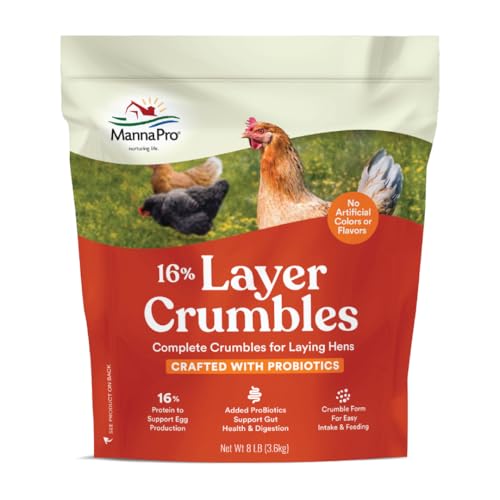
COMPLETE CHICKEN FEED FOR LAYING HENS: Manna Pro Chicken Feed delivers complete nutrition designed for laying hens, supporting strong egg production, healthy feathers, and overall wellness; balanced formula helps maintain optimal health in backyard flocks
What Do Polish Chicken Eggs Look Like?
Why does everyone assume those giant crests mean weird eggs? You’d think those fluffy heads lay purple polka-dotted surprises, but you’re actually getting classic white shells. Don’t worry about feather contamination either; the egg texture stays perfectly smooth despite all that headgear. You’ll notice a consistent shell sheen that looks crisp and clean in your basket. While some call them small, you’re really harvesting medium-sized gems comparable to store-bought large eggs. Obviously, the color never changes, staying bright white year-round regardless of the season. You get higher Vitamin E and healthy fats too, thanks to their unique genetics. So, if you want reliable, nutritious white eggs without weird variations, these hens fit your coop perfectly. Stop overthinking the crest and start expecting beautiful, uniform breakfasts from your new flock today.

You will get 30 white plastic eggs in a paper box.

Unique and Cute Design: The customer will receive two pairs of earrings, This pair of chicken egg earrings features a cute and playful image of a hen as its main body. The hen's body is in a soft light tone, complemented by a bright red comb and a yellow beak, making it lively and adorable. Below, there hangs a realistic egg-shaped pendant, resembling a fresh egg just laid by a hen. The overall design is unique and interesting. Whether worn on a daily basis or attending special occasions, it can easily catch the eye

The egg holder is made of environmentally friendly material. Color:White.
Do Polish Hens Go Broody Often?
You’ve got those stunning white eggs sorted, but now you’re wondering if your fluffy-headed hens will actually sit on them to hatch chicks. Here’s the thing: Polish hens rarely go broody. Their general hen temperament simply lacks that strong motherly instinct found in breeds like Wyandottes. While anecdotal exceptions exist where one specific hen might surprise you, the overall broody frequency remains incredibly low across the breed. You shouldn’t count on them to raise their own chicks because they usually don’t care to incubate. Obviously, this means you’ll need an incubator or a different broody hen to handle hatching duties. Don’t let this discourage you; just plan ahead for artificial incubation. If you want reliable sitters, look elsewhere, but if you love their unique look, accept the trade-off. Now you know exactly what to expect before buying. However, observations of hens like Garbo challenge this stereotype, showing that some individuals exhibit active brooding behavior despite the breed’s reputation.

【STABLE TEMPERATURE】: The circulating airflow system driven by a strong fan provides a stable temperature condition for the eggs.

🔔[Precision Temperature Control] - Our digital incubator maintains professional-grade temperature accuracy within optimal hatching ranges. An advanced airflow system with silent fan technology ensures even heat distribution, while real-time monitoring provides instant visual and audible alerts for any abnormal change—increasing the hatching rate.

AUTO HUMIDITY CONTROL WITH ADJUSTABLE TEMPERATURE & HUMIDITY:This egg incubator features a precision misting system with built-in sensors to help maintain stable humidity during incubation. Temperature and humidity can also be adjusted based on different egg types or your own hatching preferences, giving you greater flexibility and control.
Can Polish Chickens Survive Cold Winters?
Since those magnificent crests act like tiny, fluffy sponges, you’re probably wondering if your potential flock will turn into ice sculptures before spring arrives. Honestly, their ornamental feathers trap moisture, making them surprisingly sensitive to freezing temps despite their sturdy bodies. You’ll need solid winterrostbite prevention tactics immediately. Apply petroleum jelly to those fluffy tops before harsh winds hit, or consider trimming them slightly if icing persists. Now, focus on your coop. Effective insulation strategies are non-negotiable here; you must maintain dry, draft-free environments with deep litter bedding for natural warmth. Obviously, ventilation matters too, but keep those roosts away from cold walls. While they can survive, they demand more attention than hardier breeds during sub-zero spells. If you’re ready for daily crest checks and extra protein feeds, these birds will keep laying white eggs even when snow flies.
Is a Polish Chicken Right for Your Flock?
Honestly, are you tired of scrolling through endless breed charts only to feel more confused about whether a fluffy-headed bird fits your backyard reality? You want friends, not just factories. Polish chickens are docile and friendly, making them perfect if you prioritize charm over massive egg volume. They lay 150-200 cream eggs yearly, starting around six months. Obviously, they aren’t Rhode Island Reds, but their personality makes up for it. Now, consider flock compatibility; they integrate well but need protection since they’re flighty when disturbed. Feather maintenance is essential too, as those magnificent crests trap water and attract lice. You’ll need to trim vision-blocking feathers occasionally. If you seek ornamental appeal and can manage moderate production, this heritage breed is your match. Don’t overthink it. If you love unique looks and gentle hens, grab those chicks. Your flock needs this flair.