
You’re staring at that bag, wondering if it’ll save your coop or melt your chickens’ feet. Here’s the thing: agricultural lime is a safe, odor-crushing powerhouse for your flock, but hydrated lime is a caustic nightmare that belongs nowhere near your birds. You need calcium carbonate to dry litter and kill pathogens without burning footpads. Obviously, you’ll want to avoid anything labeled “hydrated” or “quicklime” entirely. Stick with garden lime for safe pest control, and keep scanning to master the exact application steps.
Is Lime Safe for Chickens? The Quick Answer
Why are you standing there staring at that bag of lime, wondering if it’s going to hurt your flock or save them? You’re worried about burns or breathing issues, and honestly, that fear makes sense. Here’s the thing: lime safety totally depends on your choices. Agricultural lime boosts chicken health by drying coops and killing nasty bugs like Salmonella. But grab the wrong kind, like hydrated lime, and you’re asking for trouble. You must kick the birds out before spreading it to avoid footpad burns. Obviously, overdoing it causes respiratory grief. Yet, used right, it slashes ammonia and stops coccidiosis dead. It’s not magic, just smart science working hard for your hens. So, don’t let hesitation stall your coop cleanup. Pick the safe ag lime, follow the rules, and watch your flock thrive without the guesswork holding you back today. Unlike food-grade DE, agricultural lime also neutralizes odors in the coop and run while providing a cheaper alternative for parasite control.
Which Types of Coop Lime Are Safe to Use?
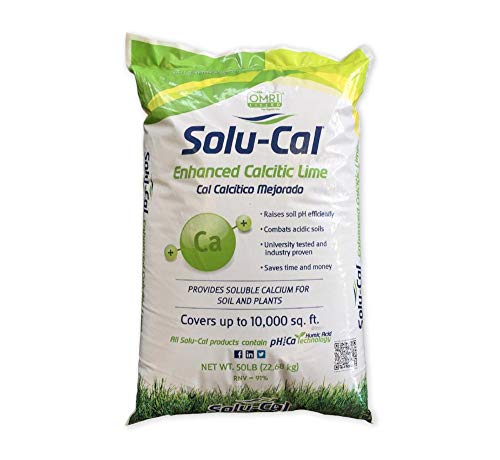
Since you’re probably tired of guessing which bag won’t burn your birds’ feet, let’s cut through the confusing labels right now. Grab Barn Lime or Garden Lime immediately; they’re inert calcium carbonate and totally safe for your flock. You’ll love how they tackle litter moisture while keeping things dry without the drama. If you want extra bug protection, First Saturday Lime creates a hostile zone for mites yet stays gentle on skin. Agricultural Lime works wonders too, specifically raising that essential lime pH to zap pathogens before they spread. Now, ignore Quicklime entirely unless you enjoy wearing full hazmat suits; it’s just too risky for casual coop cleaning. Honestly, sticking to these safer options means you sleep better knowing your chickens aren’t breathing in caustic dust. So, pick the inert stuff, spread it thin, and watch your coop transform into a fresh, healthy haven today. Remember that hydrated lime is caustic and unsafe for chickens, so you must strictly avoid using it in your coop.

High Quality Food Grade Calcium Carbonate White Powder, Made from Limestone

Food grade calcium carbonate white powder, Made from naturally mined limestone
Why Must You Avoid Hydrated Lime Completely?
Although you might spot hydrated lime sitting right next to the safe stuff on the shelf, grabbing that bag is the fastest way to turn your coop into a chemical hazard zone. You’re looking for a quick fix, but this stuff literally melts organic matter. It raises litter pH to twelve, causing immediate caustic burns on your birds’ delicate footpads and eyes. One wrong step destroys cell membranes, killing pathogens but also hurting your flock. The USDA explicitly advises against it because inhalation triggers severe lung damage. Unlike inert agricultural lime, this calcium hydroxide creates deadly pH toxicity upon contact. You can’t just sprinkle it around; you must remove every animal first. Obviously, that’s a hassle nobody needs. Don’t gamble with your chickens’ lives over a confusing label. Skip the risk entirely and choose safer alternatives today.
How Does Lime Control Coop Pests and Odors?
When that coop starts smelling like a toxic waste site and your birds are scratching themselves raw, you know something has to give before the whole flock gets sick. Here’s the thing: lime works wonders through simple chemistry. It raises pH levels, achieving serious odor neutralization by countering acidic ammonia from droppings immediately. You’ll love how it absorbs excess moisture, drying out wet runs and stopping bacterial growth dead in its tracks. Obviously, dampness breeds pests, so dehydrating the environment stops them before they start. This alkaline powder acts as a powerful pest deterrent, dehydrating mites and lice on contact without harsh chemicals. Just sprinkle a thin layer under fresh litter or mix it into dust baths. Agricultural lime keeps your air clean and your birds itch-free. It’s a smart, natural fix that makes maintaining a healthy coop feel effortless and totally manageable for you. Mixing the powder with straw and raking it into the ground helps replace the smell of wet manure with a mild wet hay scent.

Safe Odor Control for Chicken Coops & Stalls – Naturally reduces ammonia odors and moisture in chicken coops, barns, kennels, and animal bedding—safe for daily use.

Safeguard Your Garden Naturally — Protect flower beds, raised gardens, and vegetable patches from crawling insects by dusting plants directly or applying around your growing areas. Treat around tomatoes, herbs, and leafy greens with complete confidence that your harvest stays untouched and your garden thrives all season long.

Odor Remover: Say goodbye to ammonia and unpleasant odors with our FreshCoop OdorGuard. Keep your coop smelling fresh and clean, even in the heat of summer. Perfect for addressing ammonia odors in both runs and coops.
What Are the Risks of Overusing Lime?
Because you’ve probably already grabbed a bag thinking more is better, let’s pump the brakes before you turn your coop into a chemical hazard zone. Overdoing it spikes litter pH dangerously high, leading to pH toxicity that literally burns your birds’ footpads and skin. You don’t want caustic powder destroying organic matter, including your flock’s tender tissue. Now, consider the air; kicking up clouds during application invites severe dust inhalation, which scorches eyes and lungs instantly. Obviously, destroying pathogens means nothing if your chickens can’t breathe or walk comfortably. Excessive alkalinity disrupts the entire coop balance, causing irritation rather than relief. Studies even show no performance gains from heavy use, just potential harm. So, skip the heap and aim for moderation instead. Your birds will thank you for keeping their environment safe, balanced, and actually habitable without the dramatic chemical risks.
How Do You Apply Lime Safely in the Coop?
Since you’re probably itching to grab that bag but terrified of turning your flock into crispy critters, let’s get one thing straight: safety starts long before the powder hits the floor. First, kick the birds out and scrub every inch clean; you can’t treat a mess. Now, suit up with goggles and a mask because inhaling that dust is no joke. Proper Lime storage keeps your product dry and effective until you need it. When spreading, focus on damp spots near waterers, but wait for the perfect Application timing: always before laying fresh pine shavings. Don’t just dump it; rake lightly for even coverage. Obviously, hydrated lime burns, so stick to agricultural varieties for your run. Keep ventilation high while you work. You’ve got the knowledge, so go make that coop fresh and safe without the drama. Remember that poor ventilation increases the irritant effect of lime dust in confined spaces.

B003WQIFO2

Odor & Moisture Control: Fine-soft white limestone absorbs odors and moisture, ideal for chicken coops, barns, and more. High in calcium carbonate, enhances hygiene, supporting healthier environments.
Can You Use Lime in Chicken Dust Baths?
While you’re watching your birds kick up dirt like tiny construction crews, you’re probably wondering if tossing in some lime will finally win the war against those blood-sucking mites without turning your flock into science experiments. Here’s the thing: only agricultural garden lime works safely. Avoid hydrated or dolomitic types entirely; they’ll burn skin and lungs. Sprinkle ground limestone sparingly into dry native dirt for effective dust management. This mix repels pests and kills larvae while neutralizing ammonia odors instantly. Obviously, too much lime ruins the bath, so keep it light. Beyond pest control, this method offers subtle nutrient supplementation through calcium absorption during vigorous rolling. It’s a smart, low-cost hack for healthier hens and cleaner coops. If you want fewer mites and fresher air without harsh chemicals, this simple amendment is your best bet. Go grab some garden lime today.

Use Pampered Chicken Mama Herbal Dust Bath in your coop or chicken run by adding to dust bath areas. Combine with nesting herbs in a large bin for cooped hens and roosters. Add to your flock’s favorite dust bath spot weekly for best results.

🌱 Balances Soil pH: Enhances nutrient absorption for healthier plants.

Safe For Coops: Mix of all-natural & locally sourced minerals, diatomaceous earth, nesting herbs & flowers so your chicken coops and houses stay safe. Economical 5 pound canister lasts 14-30 days.