You’re tired of waiting for eggs, but ISA Browns won’t make you wait long. You’ll see that first large brown egg between 16 and 22 weeks, often hitting 300 annually. Obviously, this intense production shortens their lifespan to about two years, trading longevity for sheer volume. If you want immediate, reliable yields without the fuss, this breed is your smartest move. Stick around, and you’ll uncover exactly how to keep them laying through winter.
When Do ISA Brown Chickens Start Laying Eggs?
Look, you’re probably staring at that empty nest box wondering if you bought a bunch of feathered freeloaders who’ll never pay rent in eggs. Don’t sweat it yet. Your ISA Browns are just hitting their stride around twenty weeks, though some enthusiastic pullets start squatting by sixteen. Unlike complex egg color genetics that confuse beginners, this breed’s egg genetics timeline is straightforward: they’re bred specifically to lay early and often. You’ll see roughly 280 large brown eggs yearly, peaking near ninety-seven percent production. Sure, winter might slow them down without extra light, but they generally churn out quality all year. Obviously, individual birds vary, but these hens reliably deliver heavy laying for two solid years. If you want consistent returns without the guesswork, this flock is your smartest bet. Just wait; those first eggs are coming soon.

Sliding door and ramp allows poultry to enter the raised housing area. There are timber ridges above the ramp to protects your poultry from slipping back. Your poultry can lay their eggs in the nesting box.

Solar Automatic Chicken Door: IBKINXX auto chicken coop door comes equipped with a 2000mAh battery that can be charged both by the included solar panel and via a USB-C cable (included). Our auto chicken door offers a smart solution, prioritizing solar power as its primary energy source
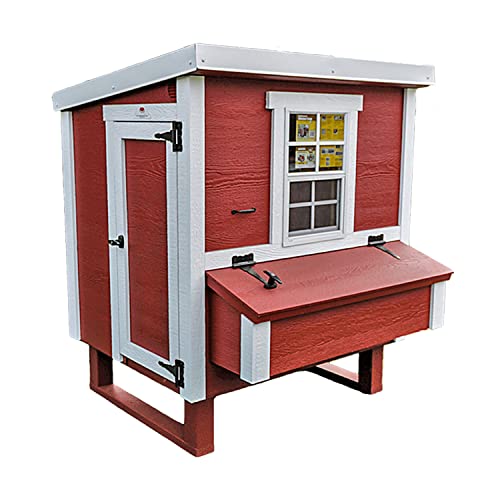
Medium Chicken Coop - This Chicken Coop Offers Lots Of Space For Up To 10 Chickens. It Is Suitable For Both Indoor And Outdoor Areas. This Coop Was Designed With A Screen Window To Open And Close For Fresh Air, And Three Chicken Nesting Boxes. It Also Has Two Vents To Allow Light In And Helps Fresh Air Circulate.
What Age Should You Expect First Brown Eggs?
Since you’re probably revamping the coop calendar and wondering if your hens are just decorative pets, let’s cut to the chase: you’ll likely spot that first large brown egg between 16 and 22 weeks. This early onset stems from selective breeding, pushing maturity faster than heritage birds. Now, don’t panic if initial shells seem odd; egg density fluctuates wildly during those first cycles. You need proper shell maturity before considering any breeding, because timing matters immensely for chick viability. If shells stay too dense or turn brittle too soon, developing embryos suffocate or crack easily. Obviously, you won’t breed these hybrids anyway, but understanding this biology explains why quality stabilizes later. Your girls prioritize laying over nesting, so expect steady production soon. Trust the genetics, feed them well, and watch that calendar. You’ve got prolific layers coming your way, so prepare your cartons now.
How Many Eggs Will Your Hens Lay Annually?
You’re probably staring at those empty egg cartons wondering if three hundred eggs a year is just marketing hype or a reality you can actually count on. Trust me, it’s real. Your ISA Browns will likely drop between 280 and 320 large brown eggs annually, hitting that 300 mark easily in their first year. This isn’t luck; it’s pure genetic selection working overtime to maximize your yield while minimizing broodiness. Obviously, winter economics might slow things down slightly since colder months test any flock, but these hybrids adapt remarkably well to your specific housing. You won’t see commercial cage numbers like 470, yet backyard settings consistently deliver over 300. If you need reliable breakfasts without constant worry, this breed fits your life perfectly. Stop doubting and start building that coop, because your future self will thank you for the abundance.
How Long Does Peak Production Last for ISA Browns?
Although you’re dreaming of that daily dozen, the clock starts ticking the moment your ISA Browns hit their stride around 22 weeks. You’ll enjoy nearly an egg per day for roughly eighteen months, but don’t expect this forever. Their specific egg genetics genetics prioritize intense early output over lifelong stamina, meaning peak duration naturally caps around two years. After year two, you’ll notice a sharp drop as their bodies simply can’t sustain such frantic production without rest. Obviously, hybrids burn bright but fade faster than heritage breeds. This trade-off suits you perfectly if you want maximum eggs quickly rather than a decade of mediocre laying. Don’t mourn the eventual decline; celebrate the incredible three-hundred-egg annual runs while they last. Accepting this timeline helps you plan your flock’s future wisely before productivity plummets.
Does Winter Weather Stop ISA Brown Egg Laying?
You’ve just accepted that your ISA Brown’s egg-a-day streak won’t last forever, but now the thermometer drops and the eggs suddenly vanish anyway. Winter absolutely halts production because short days trick their hormones into stopping. Your hens need fourteen hours of light, not eight, to keep those ovaries working. Without proper phot light management, you’re simply out of luck until spring. Cold stress also forces their bodies to burn energy for warmth instead of making eggs. You must prioritize draft prevention in the coop to stop chilling winds from stealing their body heat. While ISA Browns are hardy, they can’t defy biology without your help. Adding a simple bulb and sealing cracks keeps them laying through the freeze. It’s not magic; it’s just smart husbandry. So, grab a timer and some caulk, because you definitely want fresh omelets in January.
What Physical Signs Indicate a Hen Is Laying?
Stop guessing whether your ISA Browns are about to pop their first eggs and start looking for the real tell-tale signs. You’ll notice their comb color shifting from pale pink to a vibrant, waxy cherry red as hormones surge. That bright hue means business. Next, check the vent moisture; a laying hen’s vent appears moist, pink, and oblong, unlike the dry, puckered look of a non-layer. You should also feel for three fingers’ width between those pubic bones. If they’re rigid, she’s not ready yet. Obviously, messy feathers and submissive squatting confirm she’s nearly there. Don’t wait for the first egg to celebrate; these physical changes happen weeks prior. Trust these clear indicators instead of hoping for the best. Once you spot that red comb and wide vent, you’ll know your flock is finally ready to work. Keep in mind that full laying capacity is usually reached by approximately 30 weeks of age.
How Does High Production Impact Lifespan?
You’re thrilled about those vibrant combs and wide vents signaling your ISA Browns are ready to lay, but don’t let that excitement blind you to the bill coming due later. These hens pump out nearly 470 eggs quickly, yet that intense pace drains them fast. You’ll see peak production fade after year two, with a sharp drop by year three. This isn’t bad luck; it’s deliberate genetic trade offs. Breeders swapped longevity for massive short-term output, leaving your birds exhausted. Their reproductive systems never rest, causing faster aging and often early death around three to five years. Obviously, this creates serious welfare implications you must accept before buying. You’re trading a decade-long companion for a brief, prolific burst. If you want eggs now and don’t mind replacing hens soon, this breed fits perfectly. Just know exactly what you’re signing up for today.
What Diet Maximizes Early Egg Production?
Since you’re staring at those enthusiastic pullets and wondering if your current feed will actually fuel that famous ISA Brown engine, let’s cut through the noise before you waste money on the wrong bag. You need 16-18% protein immediately because these girls eat 113 grams daily and deficiency shrinks eggs fast. Don’t guess on proteinutrient timing; switch to layer feed at twenty weeks sharp. Their near-daily laying drains calcium reserves quicker than you can say “omelet,” so free-choice oyster shells are non-negotiable for thick shells. Obviously, skipping mineral balance causes cracks and poor body condition. Limit tasty scraps to twenty minutes so they don’t skip their balanced pellets. Water intake drives consumption, so keep it fresh. Metabolic stress is high, meaning any caloric deficit will cause an immediate drop in laying rate. This specific high-nutrient approach fits your ambitious flock perfectly. Stop overthinking the menu and grab that specialized layer crumble today.
Why Are ISA Browns So Productive Compared to Others?
While you’re wondering if your current flock could ever match those insane numbers, the truth is ISA Browns aren’t just lucky; they’re engineered miracles of hybrid vigor. You see, breeders specifically selected genetic traits for massive output, ignoring longevity to hit over 300 eggs yearly. They start laying early and keep going through winter, which pure breeds simply can’t match. Obviously, this relentless pace exhausts them faster, shortening their lives, but that’s the trade-off for such incredible volume. Their efficient foraging cuts your feed bills while boosting yolk color, making the economics undeniable for backyard keepers needing consistent supply. You get larger eggs sooner than with other hens. If you want maximum production without the fuss, this hybrid fits your coop perfectly. Don’t overthink it; their design solves your low-yield frustrations immediately. Just accept the shorter lifespan as the price for abundance. In Uganda, these birds sustain a laying period of up to 2 years.
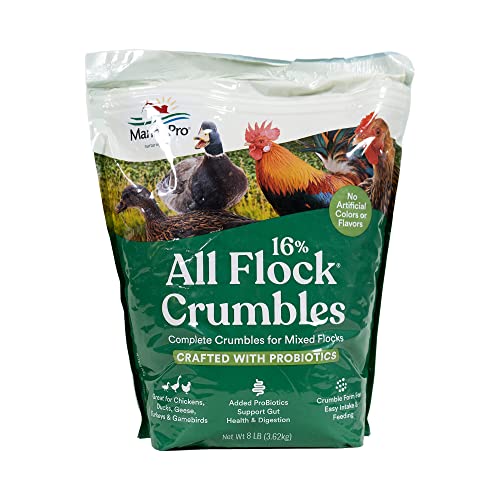
COMPLETE ALL FLOCK FEED FOR MIXED BACKYARD FLOCKS: Versatile poultry feed & all flock feed designed to support chickens, ducks, turkeys, geese, & more; a balanced bird food that simplifies feeding a diverse species in your backyard or homestead

COMPLETE ALL FLOCK FEED FOR MIXED BACKYARD FLOCKS: Versatile poultry feed & all flock feed designed to support chickens, ducks, turkeys, geese, & more; a balanced bird food that simplifies feeding a diverse species in your backyard or homestead
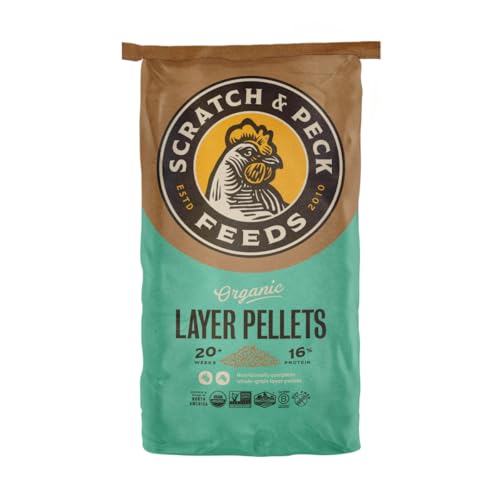
Nourish to Flourish - Our premium pellet feed for laying chickens and ducks is packed with cracked grains and whole food ingredients, free from soy, medications, and fillers. This natural feed supports healthy egg production and flock vitality.