You’re staring at tiny, yolk-less eggs and wondering if your flock’s health is tanking, but don’t panic. Usually, you’re just missing protein, calcium, or daylight. Young pullets naturally start small, while heat stress or old age shrinks yolks fast. Fix it by boosting feed to 16% protein and offering large oyster shells, not fine powder. If those fairy eggs persist past three weeks, call a vet. Stick around, and we’ll sort exactly which fix fits your coop.
Why Are My Hens Laying Such Small Eggs?
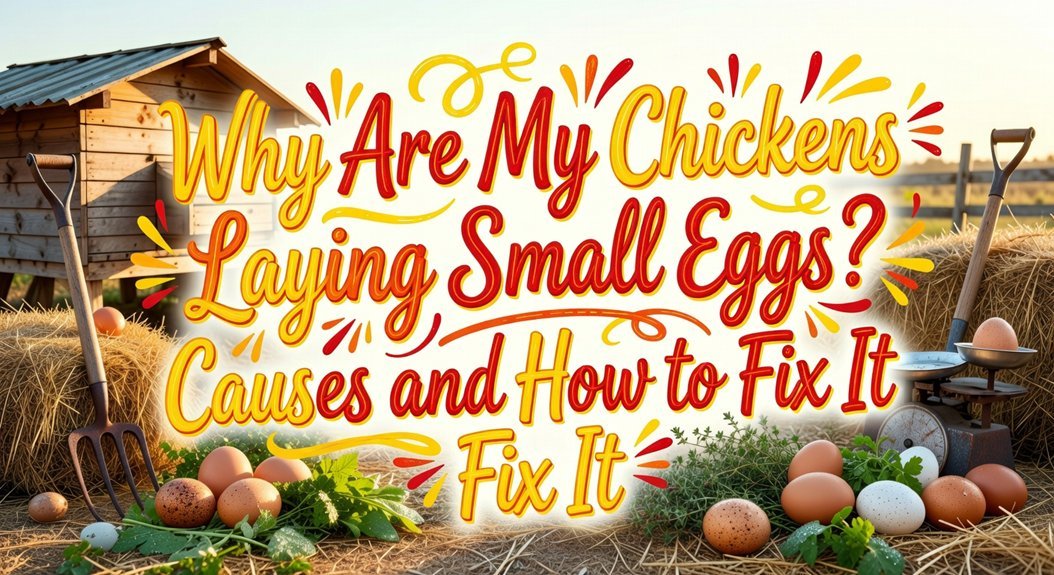
Why exactly are your hens dropping those peewee surprises when you were expecting breakfast giants? You’re probably panicking, but don’t sweat it yet. Young pullets often start small because their reproductive systems are still waking up. Obviously, they’ll grow into giants within a month. However, if your older girls are shrinking production, check your gen management. Maybe you picked a bantam breed expecting jumbos; that’s on the genetics, not your skills. Also, review your daylight schedule. Short days signal their bodies to slow down, mimicking a moult or broodiness cycle. Water intake matters too; thirsty hens eat less and lay tiny eggs. It’s not always a crisis, sometimes it’s just nature doing its weird thing. Now, track their age and light exposure closely. Once you tweak those variables, you’ll likely see those cartons filling up properly again soon. Additionally, remember that poor diet can result in thin shells or reduced egg size, so ensure your flock receives optimal nutrition.
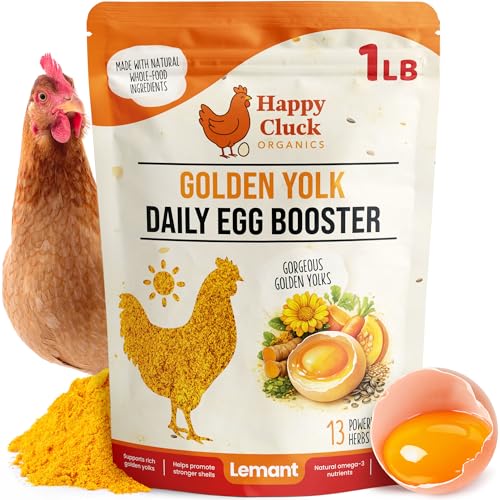
13 WHOLE-FOOD HERBS IN EVERY DAILY SCOOP - This Daily Egg Booster for Chickens packs 13 functional whole-food ingredients into every daily scoop. Each 1 LB pouch blends pumpkin powder, carrot powder, turmeric, milled calendula flowers, stabilized flaxseed, black oil sunflower meal, brewer's yeast, dual-grade calcium carbonate, kelp meal, chili flakes, rosemary extract, and standardized marigold extract into a single premium chicken vitamin and supplement for daily backyard flock nutrition.

Beautiful Golden Yolks - Our all natural formula helps bring yolks to life in a matter of days. Roosty’s Gold Dust Daily Egg Booster combines essential chicken vitamins and supplements for better immunity, vitality, and overall chicken health. Suitable for all breeds and ages

BLEND OF SOURCES OF CALCIUM : Chick’N Calcium from the Chick’N Swell product line is made from a blend of sources of calcium: calcium chloride and calcium propionate to provide essential calcium for all laying poultry including chickens, ducks, and quails; from backyard flock to commercial farms, our product is the perfect addition to your chicken water.
Identify Stress and Heat Triggers Shrinking Egg Size
Even when you’ve nailed the genetics and lighting, stress and heat can still sneak in and shrink your eggs before you know what hit you. You see, when temperatures climb over eighty degrees, your hens stop eating, directly shrinking those yolks. It’s not just about feeling hot; it’s about heatological cues telling their bodies to shut down production. Stress hormones like corticosterone wreck their endocrine system, leading to tiny, thin-shelled disappointments. Watch for feather pecking or lethargy; these behavioral signs scream internal chaos. Sometimes, your own lighting adjustments cause more panic than peace if they’re too sudden. Predators lurking nearby or overcrowding also trigger this metabolic slowdown. You need to spot these triggers fast because stressed birds simply won’t absorb nutrients well. Fix the environment first, and watch those eggs plump back up naturally without needing extra supplements just yet.
Fix Protein and Calcium Gaps Causing Tiny Eggs
So, you’ve ruled out the heat and the stress, yet your hens are still popping out those disappointing, marble-sized eggs? Here’s the thing: you’re likely fighting a silent protein deficiency. Hens need sixteen percent protein to build proper yolks and whites; without it, they literally can’t construct full-sized eggs. You’ll see poor feathering or even cannibalism if amino acids drop too low. Now, let’s talk shells. If you’re only offering fine powder, you’re missing the mark on calcium particle size. Hens need large oyster shell pieces that dissolve slowly overnight while shells form. Small particles vanish too fast. Mix both types in hanging feeders so they self-regulate. Obviously, balancing phosphorus matters too, or shells stay thin. Fix these gaps, and you’ll stop seeing tiny eggs almost immediately. Your flock’s ready to ramp up production if you just feed them right.

Supports Flock Health: Boosts bone strength and overall wellbeing of chickens and ducks

100% Flaked Oyster Shell: Made with only fine flaked oyster shell—no seashells or fillers—for a pure, effective calcium supplement.

PULLET-SIZE CRUSHED OYSTER SHELL: Crushed to pullet size for easy consumption; providing a natural source of calcium to support strong eggshell formation, bone health, and overall wellbeing for young laying hens and growing poultry.
Determine If Age or Illness Is Stunting Egg Growth
Although you’ve dialed in the feed, you might still be staring at those pint-sized eggs because your hen’s biology is either just waking up or winding down. If she’s a pullet, her system’s simply immature; those first eggs weigh less while she matures. Conversely, seniors over three years often shrink eggs as their reproductive gears wear out. You need an honest age assessment to spot this natural cycle. However, don’t ignore sickness. Viruses like Infectious Bronchitis or sneaky parasites steal nutrients, leaving you with tiny, misshapen results. Watch for lethargy or odd roosting habits. A thorough health screening separates normal aging from dangerous illness. Stress from predators or heat also shrinks output temporarily. Obviously, fixing the root cause matters more than blaming the breed. Once you identify whether it’s youth, old age, or bugs, you’ll know exactly how to help your flock bounce back quickly.

Natural ingredients: Our liquid chicken elixir formula contains Omega-3, Origanum Oil, Turmeric and essential poultry vitamins (D3, D & E). A natural alternative to artificial chicken medicine like poultry cell.

{Healthy Flock} Proper nutrition and a well-balanced microbiome can help your poultry defend against dangerous pathogens. Brewer's Yeast with Probiotics, Prebiotics and Niacin can help achieve exceptional health in your flock

All-Natural Dewormer for Poultry – Formulated with chili peppers and oregano, this powder promotes healthy digestion and helps keep your flock free from internal parasites.
When to Worry About Yolk-Less Fairy Eggs in Older Hens
When your seasoned hen suddenly drops a tiny, yolk-less fairy egg, it’s easy to panic, but you need to know that a single oddball usually just means she’s winding down for a molt. Honestly, this happens when her reproductive tract glitches during Moult timing, releasing tissue instead of a yolk. You shouldn’t lose sleep over one weird egg; it’s normal. However, if she keeps laying these pebbles for three weeks straight, that’s your cue to worry. Persistent issues suggest her system isn’t bouncing back post-molt or maybe she’s battling a deeper tract problem. Don’t ignore a sudden flock-wide spike either. Check their calcium and protein immediately. If diet fixes fail, call the vet. Trust your gut here. One egg is a quirk; a pattern is a plea for help. Get ahead of it now before things worsen.