
You want a feathered lapdog but dread high-maintenance pets, right? Silkies are your answer if you accept trading low-volume crowing for daily grooming of their water-soaking, fur-like plumage. They’re docile enough for kids yet need gentle handling to avoid injury. Obviously, their fluffy feathers demand rain-proof coops and constant cleaning. This breed fits quiet homes seeking calm companions, not busy farms needing egg factories. Stick around to see if their unique needs match your lifestyle perfectly.
Are Silkie Chickens the Right Pet for Your Family?
Look, if you’re standing there wondering whether a fluffy cloud that clucks is actually a good fit for your chaotic household, you’re not alone. You worry about safety, noise, and whether they’ll peck the kids. Here’s the thing: Silkies thrive in busy homes because their docile nature prevents panic. They don’t fly away or act tough, making family suitability practically guaranteed for gentle households. Obviously, you’ll need to handle regular grooming since their fur-like feathers mat easily without care. That’s the trade-off for such unique fluff. They bond tightly, preferring your lap over roaming free, which means less chasing and more cuddling. If you want a quiet, affectionate pet that adapts to indoor living, this breed fits perfectly. Just keep them safe from predators due to their poor flight. Ready to welcome your new feathered friend?


EFFECTIVE PET & PLANT PROTECTION - Four sides of the cage are made of mesh, so that your pet(s) could enjoy sunshine and fresh air outside, eat grass or insects, but be protected from predators.

Made of Aluminum Tin metal.Durable,won’t deform.Waterproof,high temperature resistance,won’t fade outdoor.
Why Silkie Roosters Remain Calm and Non-Aggressive
Even if you’re bracing for a feisty guard bird, Silkie roosters flip that script because selective breeding has wired them for chill instead of chaos. You won’t face the usual protective attacks; these guys display a genuinely gentle temperament that surprises everyone. They’ve got this amazing trust bonding ability, often following you around like a fluffy shadow rather than fleeing. Sure, rare aggression happens, but positive training usually fixes it fast. Their mellow nature means you can pick them up without stress or flapping. Obviously, they still crow, but at a polite bantam volume. This breed’s docility makes them perfect if you want interaction without fear. You’re getting a sweet, loving companion, not a fighter. So, if you crave a calm coop, choosing a Silkie rooster feels like the smartest, easiest decision you’ll make today.
How Safe Are Silkie Chickens for Small Children?
Since you’re probably worrying that a fluffy bird might accidentally hurt your toddler, let’s cut straight to the chase: Silkies are basically the golden retrievers of the chicken world. They sit calmly in laps and adore human interaction, making child safety a genuine non-issue regarding aggression. Their tiny size means they can’t fly well or knock kids over, though their dense fluff sometimes obscures vision, requiring occasional trimming. Obviously, you still need parental supervision because these birds are fragile and susceptible to rough handling. They thrive on companionship but can’t defend themselves against larger pets. All right, so while they won’t peck your little ones, you must teach gentle touching to prevent accidental injury. This breed fits perfectly if you want a docile, snuggly pet that bonds deeply with families. Just keep them dry and monitored, and you’ll have a happy, safe backyard companion ready for cuddles. Their small size makes them particularly suitable for urban yards where they cause minimal damage while remaining friendly with children.
What Makes Silkie Feathers Unique and High-Maintenance?
If you’re imagining a low-maintenance backyard bird that shrugs off rain and mud, you’ve got to pause right there because Silkie feathers are a whole different beast. Their unique barb‑free texture means individual filaments never lock together, creating that signature fluffy, fur-like look instead of smooth vanes. Obviously, this genetic quirk leaves them soaking wet instantly since water penetrates straight through without resistance. You’ll find their feet and crests gathering mud like magnets, demanding constant attention. Here’s the thing: you can’t just let them be. A dedicated feather‑grooming routine becomes your new normal to prevent nasty matting and keep those turquoise earlobes visible. While other chickens preen and forget, you’ll spend extra time brushing and trimming. If you love hands-on care, this fluffy challenge fits you perfectly; otherwise, maybe stick to standard breeds. Unlike conventional birds with interlocking structures, Silkies possess barbless feathers that contribute to their distinct softness but also their vulnerability to the elements.

Design: Extra Soft wool Pet Brush with Wood Handle for comfortable grooming experience,gentle on all feather types (including frizzles & silkies), no pulling/scratching, ideal for chicken pampering
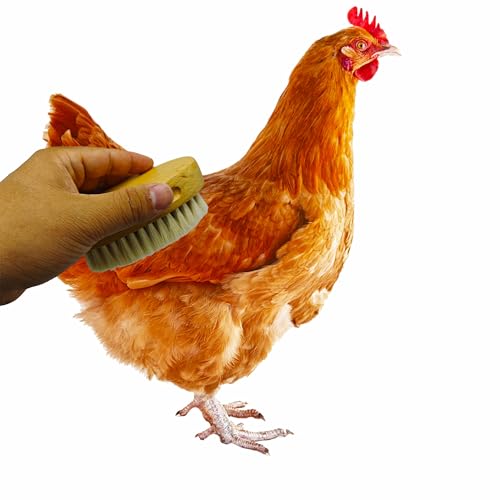
Extra-soft chicken feather brush – gentle on all feather types (including frizzles & silkies), no pulling/scratching, ideal for chicken pampering.

Chicken Feather Brush: Designed for chickens with utmost care and comfort. Featuring extra-soft bristles that gently glide across feathers without any pulling, scratching or fraying.
How to Protect Silkies From Rain and Cold Weather
You’ve just realized those gorgeous, fur-like feathers turn into a soaking wet sponge the second a cloud bursts, and now you’re wondering if you accidentally signed up for a full-time towel duty instead of a relaxing hobby. Don’t panic. You simply need a solid rainproof coop with slanted roofs and gutters to direct water away immediately. Cover runs with corrugated sheeting so mud doesn’t ruin their fluffy feet. Now, let’s talk cold. Winter insulation is tricky; you must balance warmth with airflow to prevent deadly moisture buildup. Layer thick straw on floors and use heated waterers to stop freezing. Obviously, wet birds get sick fast, so dry them with warm blowers if they get soaked. This breed demands extra care, but seeing them thrive in your custom shelter makes every effort worth it. You’ve got this. To maintain a safe environment during freezing nights, install an electronic heater pad that activates at specific temperature thresholds like –10 °C.

Spacious & Breathable Space: This metal chicken run measures 130×40×40 inches, offering plenty of room for poultry and small pets to move around. 3 access doors on three sides make daily feeding and cleaning super convenient. Lightweight and portable design allows you to move the coop effortlessly anytime, so you can change its position freely according to your needs.

[New Upgrade] The chicken coop is equipped with iron hinges, making coop more sturdy and durable. A stable chicken coop keeps hens safer inside.

🐣【Durable Steel Structure】chicken coop is made of the high-quality steel frame. A large metal coop for long-term use is the point we keep in mind all the time when we produce this product, so we added additional support columns and triangular supports. The stainless steel coupled with galvanizing technology resistance of the cage.
Why Silkies Require Separate Housing From Other Breeds
Although you might dream of a bustling mixed flock, stuffing Silkies in with standard breeds turns their cozy life into a muddy, stressful nightmare faster than you can say “feather duster.” Here’s the thing: those gorgeous, fur-like plumes act like sponges for dirt and poop raining down from higher-roosting chickens, while their inability to fly leaves them trapped on the floor beneath the bullies. You’ll quickly realize co housing simply doesn’t work when breed‑compatibility is this poor; bigger birds dominate space‑allocation, leaving your pets cold and dirty. Since their soft feathers fail to trap heat, you must prioritize separate, insulated quarters with strict predator‑proofing near the ground. Don’t risk injury or constant cleaning battles by forcing integration. Give them their own safe, low-roosted sanctuary instead. It’s the only smart move for keeping your fluffy friends truly happy and healthy right now.
How Broody Do Silkie Hens Actually Get?
How broody do Silkie hens actually get? Honestly, you’ll wonder if they ever stop. Their broody frequency shocks newcomers; one hen might cycle every eight weeks, recurring multiple times per season. You notice nesting persistence immediately when she refuses to leave, even after you remove her. She’ll sit there stubbornly, risking her health by skipping meals entirely. All right, here’s the thing: this instinct runs deep, often starting just six months after laying begins. You can’t easily break this trance without a “broody jail” or wire-bottom cage for a fortnight. Obviously, giving her fertile eggs solves the problem by letting her hatch chicks, but that stops egg production completely. If you want constant eggs, this trait frustrates you. Yet, if you desire a dedicated mother, she’s perfect. Unlike larger breeds that require complex management, all hens in a brood tend to protect and nurture chicks together, not just the mother. Embrace their nature now, or prepare for a long standoff.
What Is the Real Egg Production of Silkie Hens?
If you’re counting on a daily carton from your backyard, Silkies might leave you scratching your head because they only lay about 100 to 120 cream-colored eggs a year. You’ll wait seven to nine months for that first egg, which feels like forever compared to other breeds. Once they start, though, you get roughly two or three tiny treasures weekly per hen. Don’t panic when output drops; frequent broodiness interrupts their rhythm since they’d rather hatch chicks than lay. You’ll notice clear seasonal fluctuations too, especially as daylight fades in late fall. While egg yield trends show a gradual decline after year two, they keep laying occasionally until age eight. Obviously, this isn’t for commercial farmers, but if you want a few fresh eggs and fluffy friends, these girls deliver. Just accept the trade-off: fewer eggs mean more motherhood. However, dedicated small-scale tracking reveals that a well-managed flock of 36 laying hens can produce over 2,400 eggs in eleven months, proving their viability for family-focused homesteads despite lower individual rates.
Can Silkie Chickens Live Indoors as House Pets?
Since you’re probably tired of hearing “no” every time you ask if a chicken belongs in the living room, let’s cut straight to the chase: yes, your Silkie can absolutely crash on your couch. Their laid-back temperament means they adapt quickly to indoor life, often following you around like fuzzy, chattering shadows. You’ll need a secure indoor coop for sleeping, offering four square feet per standard bird to keep them cozy. Obviously, poop happens, but diaper training solves that mess instantly, letting them roam freely without ruining your rugs. They thrive on human attention, making them perfect therapy companions right in your home. Just remember, their soft feathers hate the cold, so keep your house warm. If you want a unique, loving pet that fits your lifestyle perfectly, bringing a Silkie inside is the smart, joyful choice you’ve been waiting for. These gentle birds become even more responsive the more you handle them, deepening the bond between owner and pet.


**Charming Welcome**: The "Welcome to the Silkie Cottage Chicken House Sign" beautifully greets guests, making it an ideal Silkie Chicken gift for any poultry enthusiast.
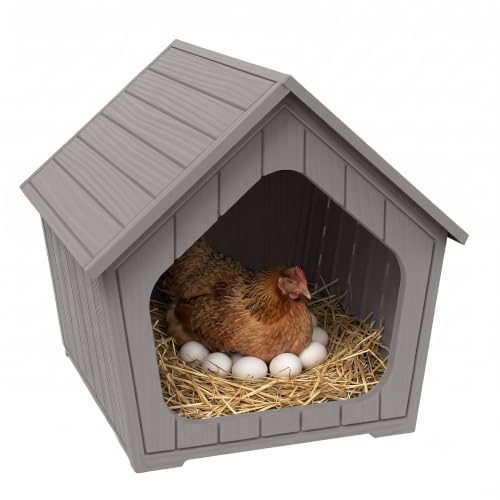
🐔【SAFE ROUNDED CORNERS FOR INDOOR & OUTDOOR CHICKEN COOP】 This VIXZEN chicken coop comes with smooth rounded corners to prevent poultry from getting scratched. The polished safe edges let chickens move freely inside and out without injury, perfectly fit for both covered porch indoor raising and backyard outdoor breeding.
Where Should You Buy Healthy Silkie Chicks?
Where do you actually find healthy Silkie chicks without rolling the dice on a sketchy online ad? You need reputable hatcheries like Meyer or Cackle, not random Craigslist posts. Meyer ships just three chicks seasonally, perfect if you want specific colors without a huge flock. Cackle specializes in those fluffy pets everyone loves. Now, here’s the thing: Chicken Scratch requires ten chicks for live delivery guarantees, keeping them warm during transit. If you grab fewer, you must pick them up yourself. Obviously, proper care starts immediately. You’ll need a specialized Silkie diet for their first eight weeks to support growth. Also, their unique plumage demands consistent Feather maintenance to prevent matting and parasites. The Silkie Farm offers show-quality birds year-round if you’re serious about exhibitions. Don’t overthink this; pick a trusted source, prepare your brooder, and welcome your new fluffy friends home today.

MADE WITH TINY BEAKS IN MIND: Chickeratti baby chick food starter is made with ground grains, herbs, and crushed dried black soldier fly larvae so it’s easy for baby chicks to eat. Small enough for quail chicks!

ALWAYS SOY-FREE — FROM DAY ONE: NCO was one of the first organic feed mills to go completely soy-free, and we've never looked back. This starter feed contains no soy, so your chicks get clean nutrition from the very first bite — no fillers, no shortcuts.

Complete Starter Formula: This 40-pound bag of feed is fortified with methionine, lysine, essential vitamins, and trace minerals to support muscular/skeletal development and overall chick health.