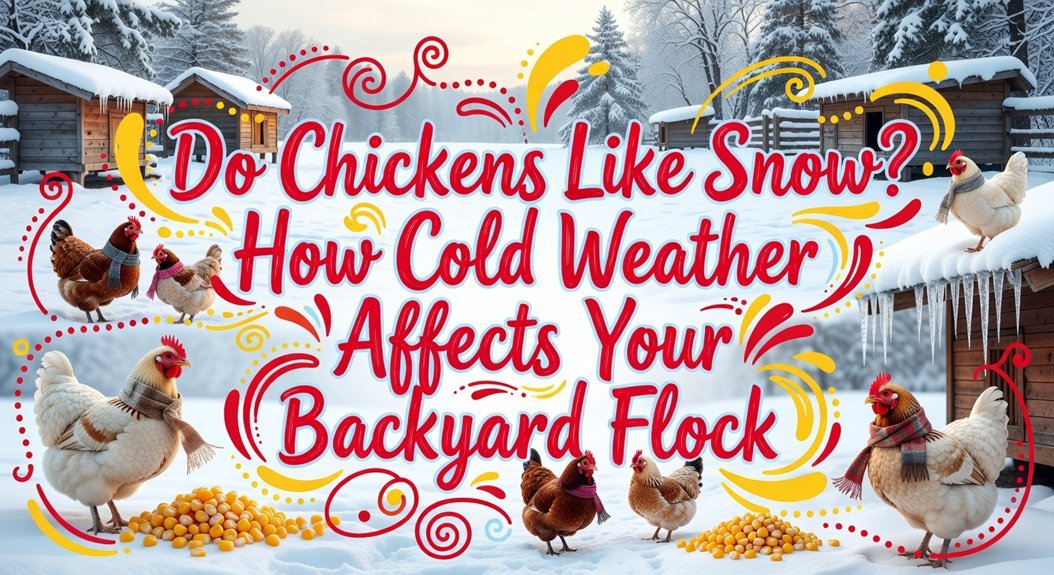
You’re watching your flock huddle while snow piles up, wondering if they’re miserable. Here’s the thing: chickens don’t like snow, and cold air forces them to drink double. Heavy breeds with small combs handle it best, but young ones need close watching. You must provide warm water and extra calories immediately because dehydration stops egg production. Obviously, wet feathers freeze fast, so keep bedding dry. If you want your hens to stay healthy and productive through the freeze, you’ll need to master a few specific shelter tricks next.
How Do Different Chicken Breeds Handle Snow?
Look, if you’re standing there shivering in your boots wondering if your future flock will turn into chicken popsicles the moment snow hits the ground, you aren’t alone. You need breed resilience to survive those brutal freezes without losing eggs or toes. Here’s the thing: not every bird handles winter like a pro. Chanteclers boast superior snow adaptation with cushion combs that practically laugh at frostbite, while Brahmas use feathered legs as natural snow boots. Obviously, huge single combs on some Rhode Island Reds invite trouble, so skip those if you want zero drama. Wyandottes and Dominiques pack tight plumage that traps heat efficiently, keeping them laying even when thermometers plummet. You’re buying peace of mind, not just poultry. Pick a heavy, small-combed champion today, and watch your coop thrive while others panic. It’s that simple.

【Three times thicker than standard covers.】 Most run covers are 5mil and tear within months. This one is a full 16mil – 0.4mm thick. It holds up to heavy snow, strong wind, and daily wear without ripping.

SOLAR POWERED CHICKEN COOP DOOR - Equipped with rechargeable batteries with large capacity, with up to 5 years of battery life. The high efficiency solar panel will keep batteries topped off all the time, no bother to replace or recharge batteries anymore. The USB charge cable provides additional option to charge the coop door via wall outlet.

[Heavy-Duty Weather Shield] Crafted from high-density PE with tear-resistant reinforced edges, this cover provides reliable defense against intense sun, heavy rain, and snow. The weatherproof coating resists cracking and fading season after season, keeping your chickens, ducks, and small flock dry and sheltered year-round.
Why Fresh Water Is Critical in Cold Weather
Why would you let your flock’s egg production crash just because the thermometer dropped? Hens need liquid water constantly to form eggs; even brief dehydration stops laying entirely. You might think snow suffices, but it doesn’t. Cold, dry air forces your birds to drink double their usual amount to stay warm and digest extra feed. Without unfrozen water, their metabolism stalls, leaving them unable to generate heat. You must prioritize water conservation by checking sources frequently, ensuring they never freeze solid. Also, keeping your coop dry aids frostbite prevention, yet hydrated birds resist cold better internally. Obviously, ice blocks digestion, so offer fresh, slightly warmed water daily. Don’t gamble with their health or your breakfast. Make accessing liquid water your top winter priority today, because a thirsty chicken is a cold, non-laying chicken.
How to Increase Calories for Winter Heat Production
Since your hens are burning through 1.5 times their usual food just to keep their internal furnaces lit, you can’t stick to the same springtime feeding routine and expect them to stay warm or lay eggs. You need calorie rich pellets packed with extra protein and fats to fuel that metabolic fire without overfilling their crops. Obviously, standard layer feed alone won’t cut it when temperatures plummet. Now, here’s the real trick: hand out evening grain snacks like cracked corn or oats right before roosting. This slow-digesting fuel keeps their gizzards working all night, generating essential body heat while they sleep. Don’t skimp on these high-energy treats, because a frozen hen stops laying fast. Swap some daily rations for black oil sunflower seeds or mealworms too. Your flock will thank you with warmth and continued production, making this simple dietary shift the smartest move you’ll make all winter.

High Protein Treats That Supports Feather Regrowth During Molting: Protein ratio for bsf larvae is approximately 41%, which is more than twice that of traditional chicken feed. When your birds are going through molting, adding some extra amount of worms to their feed will boost rapid and healthy feather regrowth

PREMIUM CHICKEN FOOD FOR LAYING HENS WITH OMEGA-3: High-quality chicken layer feed made for strong egg production; fortified with chicken feed omega 3 & extra chicken feed calcium to support healthy shells & provide complete daily nutrition for your hens

Nutrena Harvest Blend Chicken Feed is a delicious textured layer feed made with real grains, seeds, and vegetables
Creating Dry Pathways Through Deep Snow
You’ve got their bellies full of high-octane fuel, but that doesn’t matter a lick if they’re too scared to leave the coop because their feet are hitting knee-deep powder. All right, let’s fix that run. You need straw elevation immediately. Rake old bedding into thick, six-inch paths so their feet stay dry above the frozen ground. Obviously, wet feet mean frostbite, and nobody wants that mess. Now, cover the whole pen with heavy plastic tarps to block blowing snow. Here’s the thing: you must maintain tarp ventilation. Leave gaps near the roofline so moisture escapes while you trap heat. Without those gaps, you’re just cooking your birds in humidity. Scatter dry shavings on top for extra scratching space. This setup convinces hesitant hens to venture out and exercise. Don’t let deep snow trap them inside; clear a dry path today, and watch your flock thrive confidently despite the cold. You should also shovel pathways daily to ensure they can reach their feed troughs without struggling through accumulated drifts.

Package includes- You will get 11.3*6.3 FT outdoor chicken coop cover(Chicken Coop Not Included ) and ball bungees cords, this cover protects your chickens or ducks from wind, rain, snow, and sun.

Heavy Duty Material,Effective for Protection—The clear see-through tarp is made of 16mil thick vinyl material,can withstand greater tensile strength,while enhancing the stability of clear tarp.Compared to other thin tarp, it is more effective to resist the bad influence of any weather conditions,windproof, waterproof, rainproof and snow proof, keeping your chicken coop and any covered spaces dry and warm.
Heavy Duty Material,Effective for Protection—The clear see-through tarp is made of 16mil thick vinyl material,can withstand greater tensile strength,while enhancing the stability of clear tarp.Compared to other thin tarp, it is more effective to resist the bad influence of any weather conditions,windproof, waterproof, rainproof and snow proof, keeping your chicken coop and any covered spaces dry and warm.
Keeping the Coop Dry to Prevent Stress
Even if you’ve cleared the snow outside, a damp coop inside will stress your flock faster than a blizzard. You hate seeing them shiver on wet floors, right? Here’s the thing: moisture is the real enemy, not just the cold. You need Dry bedding that actually works, like dust-extracted wood shavings, because straw often molds and fails you. Obviously, spills from waterers make this worse, so fix those leaks immediately. Now, don’t seal everything up tight; Ventilation upkeep is essential to swap humid air without letting rain in. A sloped roof helps, but you must clean gutters too. If you ignore damp spots under perches, ammonia builds up fast. This strategy isn’t perfect for lazy keepers, but it saves lives. Grab those shavings today and keep them dry; your chickens will thank you. Composting lower layers generate modest warmth that stabilizes temperatures without needing extra heat sources.

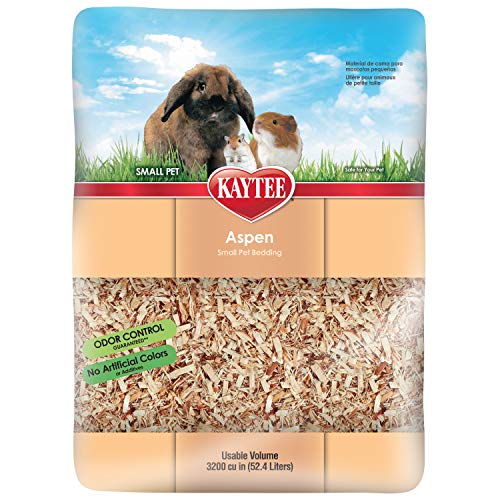
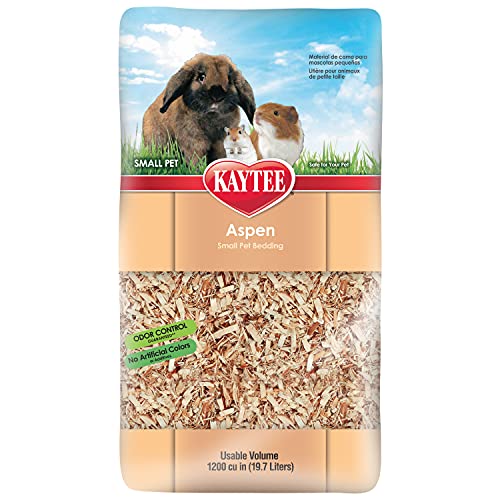
ALL-NATURAL ASPEN SHAVINGS, crafted for a natural, comfortable habitat
Recognizing Signs of Cold Stress in Your Flock
Although you might think your flock is just being lazy when they huddle in the corner, that tight cluster is actually a desperate bid for shared body heat. You’ll notice them puffing up their feathers constantly, trying to maximize feather insulation against the biting chill. Watch closely for shivering or pale, bluish combs signaling restricted blood flow. If they refuse to forage or seem lethargic, cold stress has definitely set in. Now, here’s the thing: effective temperature monitoring reveals stress starts well before freezing, often below sixty degrees. Don’t ignore labored breathing or sudden drops in egg production either. These birds burn massive energy just staying warm, so increased feed consumption is normal. However, if they stay huddled all day, action is needed immediately. Trust your eyes; spotting these signs early saves lives and keeps your winter flock healthy and happy without panic. Remember that frostbite can occur at any stage of cold stress, with moisture being a major contributing factor.
Preventing Disease After Sudden Snowfalls
Why does a beautiful blanket of snow suddenly turn your coop into a disease waiting room? Moisture traps pathogens, and you don’t want that drama. All right, here’s the thing: you need strict biosecurity now. Enforce footbaths with virucidal disinfectants at the door because muddy shoes carry trouble. Obviously, wild birds are vectors, so check your netting. If you’ve added new chicks, implement a snowfall quarantine for thirty days; skipping this risks your whole flock. Now, focus on litter drying. Wet bedding breeds coccidia fast, so turn it daily and add fresh shavings immediately after accumulation. Keep ammonia low by removing damp spots. You’re protecting their immunity, not just cleaning. This approach works if you stay consistent. Don’t wait for sickness to act. Grab your disinfectant and dry bedding today; your flock’s health depends on this quick, smart move.
Managing Water and Food Access During Storms
You’ve got the biosecurity locked down, but don’t let your flock starve or freeze while you’re busy disinfecting boots. Snow looks invigorating, but eating it drains their energy trying to warm that ice internally. Obviously, you need liquid water available constantly. Water heating solutions prevent freezing effectively, ensuring they stay hydrated without risking wet feathers from slush. Now, consider their meals. During heavy storms, hens won’t venture far, so you must bring food closer. A sturdy Feed shelter blocks wind and snow, keeping rations dry and accessible. Lay down straw paths so they don’t stand on cold, wet ground while eating. Extra calories fuel their internal furnaces against the chill. If you skip these steps, you risk starvation right outside the coop door. Make these small adjustments now, and your birds will ride out the storm comfortably and safely.

【5.5L/1.45 Gal Extra-Large Capacity – Fewer Refills】With a generous 5.5L/1.45-gallon capacity, this heated water bowl provides plenty of drinking water for large dogs, multiple pets, or extended outdoor use. The extra-large size means fewer trips back to refill the bowl, making it especially convenient for busy pet owners, multi-pet homes, kennels and farms throughout the winter.

【SMART HEAT, FREEZE-PROOF】Keep your flock's water from freezing with this heated chicken waterer for winter—a cold-weather essential that reliably prevents ice down to -20°F. Its built-in 250W thermostat-controlled chicken waterer heater activates automatically at 35°F (2°C) and turns off at 70°F (21°C), making it a truly freeze proof chicken waterer. Note: Melts ice only, water does not get hot.

Outdoor heated dog bowl: Heated water bowl automatically stops working when heated to 131 °F (55 °C) and starts when the water temperature drops, ensuring that the water does not freeze even at -4 °F
Ensuring Long-Term Health for Winter Flocks
Once the storm passes and you stop worrying about frozen waterers, you might think your job’s done, but that’s when the real test of long-term health begins. You’ve seen them shiver; now fix it. Proper winter coop insulation keeps drafts out while ventilation stops deadly ammonia buildup. Obviously, wet feathers freeze fast, so keep bedding dry with fresh straw. Now, feed matters more than ever. Switch to nutrient rich feed immediately because burning calories for heat demands high-energy fuel. Cold-hardy breeds handle subzero temps better, but young birds need extra love. Watch for pale combs signaling frostbite before it spreads. Don’t guess; act. Your flock trusts you to balance warmth without cooking them in stale air. Get that insulation sealed and those bowls full tonight. It’s simple: dry coops and dense feed equal happy hens. Make that call now. Since young chickens lack sufficient feather coverage for low temperatures, they require vigilant monitoring beyond what adult birds need to prevent severe cold stress.