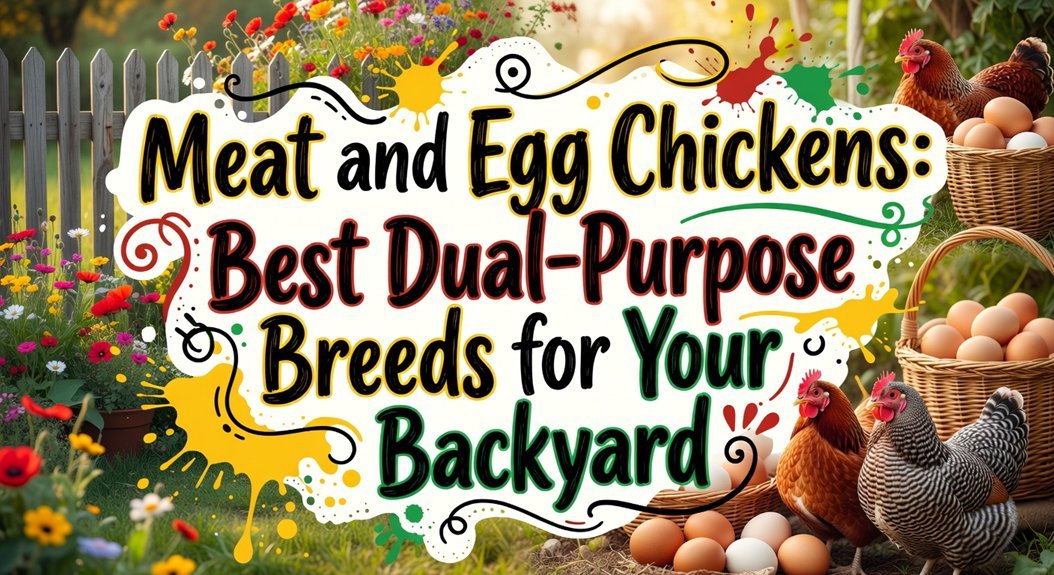
You’re stuck choosing between meat and eggs, but heritage breeds like Australorps and Sussex actually deliver both without the fuss. You get roughly 200 eggs yearly plus enough muscle to process extra roosters, though they grow slower than commercial hybrids. Obviously, you’ll wait longer for dinner, but the flavor and hardiness make it worth it. If you want a freezer full of rich meat and a steady egg basket without needing a PhD, these birds are your smart move. Stick around to see exactly which breed fits your specific backyard vibe.
What Makes a Chicken Truly Dual-Purpose?
Look, if you’re tired of choosing between a flock that lays like crazy but tastes like shoe leather and birds that grow big fast but barely drop an egg, you’ve hit the exact wall that made dual-purpose breeds a thing. These heritage strains balance egg output and muscle growth without commercial specialization. You get sturdy frames yielding around 200 eggs yearly, plus enough body mass to process extra roosters. Sure, they start laying later than Leghorns, but the trade-off pays off. You’ll notice impressive egg size from breeds like Delawares, while vibrant feather color adds backyard beauty commercial flocks lack. They thrive on lower protein diets and resist diseases better too. Obviously, they won’t match Cornish Cross growth speeds, yet they offer sustainable self-sufficiency. If you want a single flock handling both jobs reliably, this path removes your doubt instantly. Just pick your birds and start raising.
Which Breeds Offer the Best Meat Yield?
You’ve got the dual-purpose concept down, but let’s be real: knowing a bird *can* do both jobs doesn’t tell you which ones actually fill your freezer without starving your egg basket. If you want serious meat, grab Light Sussex or Plymouth Rock roosters. Their slowy growth builds dense muscle and strong bones, resulting in an impressive carcass yield that justifies the wait. American Bresse offers a quicker turnaround at sixteen weeks, delivering rich flavor if you need dinner sooner. Australorps reach ten pounds easily, though they prioritize eggs slightly more. Obviously, bigger birds mean more work processing, but the payoff hits hard when you’re stocking the freezer. Don’t overthink the choice; pick the breed matching your patience level. Your future self, holding a heavy, homegrown chicken, will thank you for making the call today.

[Dual-purpose & Wide Application] This multi-functional trough serves perfectly as both a feeder and waterer. It holds grains, mineral supplements, and fresh water, ideal for chickens, ducks, geese, goats, sheep, dogs, deer, and most poultry and small livestock.

Spacious 2-Tier Outdoor Chicken Coop for 2–4 Chickens – This spacious 2-tier outdoor chicken coop is designed to provide a secure, organized, and comfortable living space for 2–4 backyard chickens. The classic barn-style red finish adds a charming farmhouse touch to your backyard while standing out beautifully against grass and garden settings.
What Are the Top Brown Egg Layers?
Why chase rainbow shells when your breakfast really needs reliable brown? You want consistent morning omelets, not empty nests. Let’s talk brown egg productivity without the fluff. Australorps shock everyone by laying nearly an egg daily, while Rhode Island Reds deliver steady large browns even in chilly coops. Now, consider New Hampshires; they mature fast and keep your family fed with gentle ease. Barred Plymouth Rocks offer hardy reliability since 1888, perfect if you need amiable birds. Sex Links like Golden or Red varieties practically guarantee extra-large eggs year-round, thriving in both heat and cold. Obviously, seasonal laying trends dip slightly for all breeds during winter, but these dual-purpose champions bounce back quickly. You’re not just buying chickens; you’re securing breakfast. Pick the breed fitting your climate and space, then watch your carton fill up effortlessly. It’s that simple.

Size: Every Fake wooden egg is 6 cm x 4 cm (2.36" x 1.58"), about the size of a real egg

3 Different Colors: We provide 8 fake wooden eggs that look remarkably lifelike. They come in 3 distinct colors: 2 green-shelled eggs, 3 white-shelled eggs, and 3 brown eggs. This ample color selection meets your diverse needs.

How Do Orpingtons and Sussex Compare?
While you’re standing there weighing meat against eggs, let’s cut through the noise on Orpingtons versus Sussex. You want big birds fast? Orpington growth hits ten pounds quickly, giving you plump dinners sooner. But if summer heat worries you, consider that heatpington temperament struggles slightly compared to the hardy Sussex temperament. Speckled Sussex stay active in hot sun while Orpingtons prefer shade. Now, egg counts matter too. Sussex lay up to 275 yearly, beating Orpingtons’ maximum of 250. However, Orpington growth offers massive carcasses, whereas Sussex growth stays slower but steady at seven pounds. You’ll love Orpingtons’ broody nature if you need chicks, but Sussex remain calm without constant nesting. Obviously, both make friendly backyard pets. Choose Orpingtons for rapid meat or Sussex for reliable eggs and heat tolerance. Your freezer won’t care which you pick, but your summer afternoons might.

No Antibiotics Ever


DELICIOUS- Wild Planet chicken breast with rib meat is roasted right in the can with a touch of sea salt. No liquids, starches or other fillers are ever added so you can experience the delicious, clean taste of this moist and meaty chicken.
Is the American Bresse Worth the Hype?
Maybe you’re tired of choosing between a bird that fills the freezer fast and one that actually keeps the egg carton full without burning out. All right, let’s talk American Bresse. You get jumbo eggs starting at sixteen weeks and tender, marbled meat ready by four months. That’s rare. The secret lies in their specific low-protein diet, which releases an exquisite fl flavor texture you simply can’t buy at the supermarket. While they lack official APA heritage lineage status currently, their bloodlines trace back five centuries to France. They’re skittish foragers, not lap chickens, so beginners might hesitate. But if you want a self-sustaining flock producing 250+ eggs annually while delivering restaurant-quality dinners, the hype is real. Stop guessing and start raising birds that actually do both jobs perfectly.
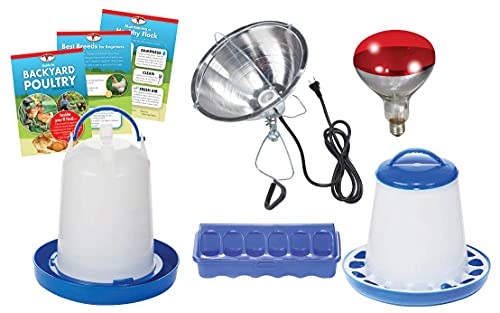
COMPLETE STARTER KIT - Double-Tuf Chicken Starter Kit includes everything you need to keep baby chicks healthy and growing GUIDE BOOK: Kit for backyard chickens or new...
How to Choose the Right Breed for You?
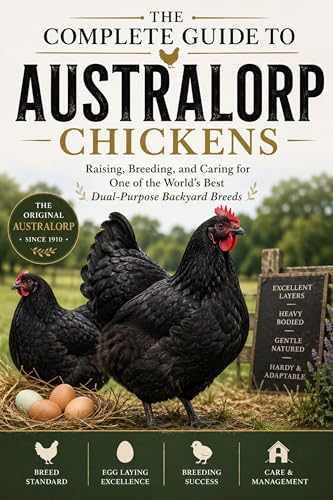
How do you stop spinning your wheels trying to find a chicken that doesn’t force you to pick between breakfast and dinner? You match your specific needs to the bird’s actual strengths. If you live in a hot zone, prioritize climate adaptability like the Rhode Island Red offers. For families with kids, temperament matters most; Australorps stay docile while Sussex hens follow you everywhere. Obviously, you want meat and eggs, but trade-offs exist. Delawares grow fast for dinner, yet Plymouth Rocks lay consistently despite smaller carcasses. Don’t ignore heritage conservation either. Choosing recovering breeds like the Australorp supports genetic diversity while filling your freezer. Here’s the thing: no single chicken wins every category. You must decide what you value more right now. Is it winter hardiness or rapid growth? Once you pinpoint your priority, the choice becomes clear. Stop overthinking and start building your flock with confidence today.


Heavy Duty Metal Feeder Trough : Made of 201 stainless steel, sturdy and stable, water and rust-resistant, suitable for long-term outdoor use. A 1cm (0.4in) folded edge effectively prevents feed spillage and waste. All edges are smooth and burr-free, ensuring safe use