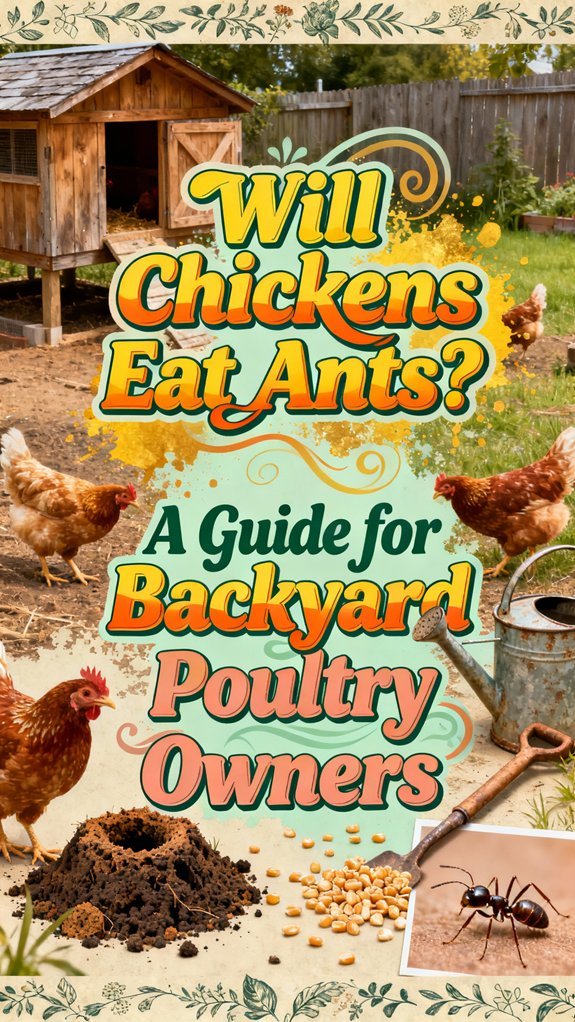
Yes, your chickens will actively hunt and consume ants as part of their natural foraging behavior. Ants provide concentrated protein—ranging from 7–50% crude protein—plus essential amino acids and micronutrients that support growth, egg production, and metabolic health. However, you’ll need to stay vigilant about dangerous species like imported fire ants and potential chemical exposure from pest treatments. Understanding which ant varieties pose genuine threats versus nutritional benefits requires examining the specifics of your local environment and flock’s vulnerability factors.
Natural Foraging Behavior and Ant Consumption in Chickens
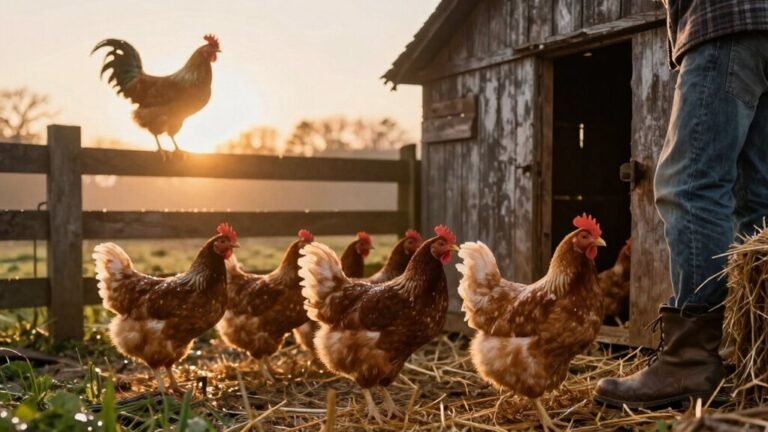
As obligate omnivores with deeply ingrained ground-foraging behaviors, chickens actively hunt small prey through pecking, scratching, and visual detection—making ants a natural dietary component during free-range periods. Your birds’ foraging strategies intensify during daylight and warmer temperatures, coinciding with peak ant activity. Movement and visual cues drive their prey selection; surface-foraging ants on ground level or low vegetation become primary targets. Habitat structure influences ant community composition, determining which species your chickens encounter. Ant detection relies on visible foraging patterns rather than subterranean nests. The high protein content of ants, ranging from 7% to 35%, makes them a valuable nutritional resource for your flock’s dietary needs. However, supplemental feeding and abundant alternative food sources reduce foraging intensity and consequently lower ant consumption rates. Understanding these natural behaviors helps you anticipate your flock’s interactions with local ant populations.
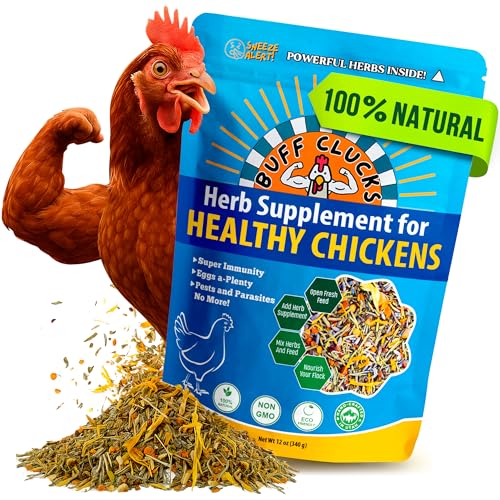
Versatile Treats: Aside from mixing it into chicken feed, you may also sprinkle the treats for chickens into dust baths or nesting boxes to provide a nutritious snack and ward off critters. This herb mix promote a clean coop, provides chickens with nutrition.

SIMPLY MIX WITH WATER: Convenient powder formula that dissolves easily for quick hydration support.

Complete Health Support: This 4-bag bundle includes 2x 5 pounds of dried mealworms and 2x 5 pounds of black soldier fly larvae, providing high-protein treats that support growth and energy
Nutritional Benefits of Ants for Growing and Laying Birds
Beyond their role as natural prey, ants deliver measurable nutritional contributions that support both growth and reproductive performance in your flock. Ants contain 7–50% crude protein depending on species, making them concentrated protein sources comparable to fishmeal or soybean meal in controlled trials. They supply essential amino acids—lysine, methionine, threonine, and tryptophan—that growing pullets and broilers require for muscle accretion and body development. Additionally, foraging for insects like ants allows chickens to engage in their natural behavior, which contributes positively to their mental well-being. A fence height of at least 4 to 6 feet can also help ensure the safety of chickens while they forage, preventing unexpected escapes or predator attacks. Laying hens benefit from increased available protein supporting yolk formation and egg mass production. Ants also provide micronutrients including iron, zinc, and B-vitamins that enhance metabolic processes and reproductive physiology. Furthermore, incorporating insects like ants in the diet can offer the same immune-boosting properties found in herbs such as oregano. Insect meals demonstrate high digestibility in poultry studies. Young chicks and smaller breeds are more vulnerable to fire ant attacks when foraging in infested areas. Studies show that homemade treats containing protein-rich insects can promote overall flock health and vitality. However, whole wild-caught ants shouldn’t replace balanced feed; incorporating them as adjunct protein sources to prevent amino-acid imbalances and maintain suitable laying performance is crucial, as they complement a high-protein diet designed for optimal growth.

MEDICATED CHICK STARTER FEED: This complete chicken feed is made with added Amprolium to aid in the prevention of coccidiosis, and contains 18% protein for weight gain, our chicken food is essential for your young birds.

COMPLETE ALL FLOCK FEED FOR MIXED BACKYARD FLOCKS: Versatile poultry feed & all flock feed designed to support chickens, ducks, turkeys, geese, & more; a balanced bird food that simplifies feeding a diverse species in your backyard or homestead
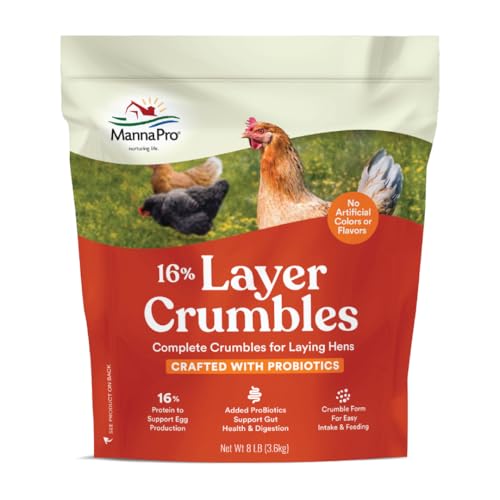
COMPLETE CHICKEN FEED FOR LAYING HENS: Manna Pro Chicken Feed delivers complete nutrition designed for laying hens, supporting strong egg production, healthy feathers, and overall wellness; balanced formula helps maintain optimal health in backyard flocks
Identifying Dangerous Ant Species and Associated Risks
While ants offer nutritional benefits to your flock, certain species and colony behaviors present genuine risks that you’ll need to recognize and manage. Identified ant types help determine the appropriate management strategies for your specific situation. Imported fire ants deliver alkaloid venom causing pain, swelling, and necrosis—they’ll overwhelm small or weakened poultry during mass attacks. Bulldog and tropical fire ant species exhibit similarly aggressive colony defense behaviors targeting birds’ legs, face, and vent areas. You should understand that mound disturbance triggers coordinated stinging that causes systemic injury, secondary bacterial infections, and mortality in broody hens and chicks. Beyond venomous species, ants act as mechanical vectors for pathogens, contaminating feed and nesting areas. Carpenter ants undermine wooden structures through gallery excavation. Identifying these dangerous species and ant risks protects your birds from preventable harm.

Control Solutions Martin's Surrender Fire Ant Killer 1lb Use on fire ant mounds

SAY GOODBYE TO BUGS: TERRO Ant Killer Plus kills ants, fire ants, roaches, fleas, crickets, earwigs, millipedes, mites, palmetto bugs, silverfish, sow bugs, and more

A granule insecticide for control of fire ants. Contains the active ingredient Acephate.
Chemical Exposure and Contamination Concerns
Managing ant populations on your property introduces chemical risks that directly threaten your flock’s health and your eggs’ safety. When you apply ant baits like Amdro, your chickens can mistake them for feed due to their similar size and shape, leading to accidental ingestion. This exposure compromises chemical safety across multiple pathways: direct toxin consumption, poisoned ants transferring alkaloids during foraging, and secondary infections from bite blisters in chemically stressed birds. You’ll face egg edibility concerns and potential meat consumption prohibitions following bait exposure. Amdro contains hydramethylnon, a slightly toxic insecticide that presents low toxicity to birds but warrants careful application around poultry areas. Straw bedding can help maintain a cleaner environment, ultimately supporting your chickens’ overall health. Hens will lay eggs regardless of rooster presence, so managing their safety is crucial for your egg production goals. Effective toxin management requires precise application per package directions and continuous flock monitoring. Consider organic alternatives for large infested areas, ensuring your free-ranging birds can’t access contaminated zones while you maintain both poultry health and produce quality.

KILLS ANTS ON CONTACT & BREAKS THE TRAIL – Peppermint, clove & spearmint oils drop Harvester, Argentine, Odorous, Pavement, Carpenter & little black ants the moment you spray — then erase the invisible scent trail that leads the rest of the colony to your kitchen. Dries in minutes with no sticky residue.

FAST ACTING ANT CONTROL: Starts working immediately and eliminates entire colonies up to 7 days faster than competitors. Trust Maxforce Fleet for rapid, reliable ant eradication.

Metal Ant Killer Bait: Attracts and kills many different species of ants, including acrobat, allegheny, big-headed, crazy, ghost, little black, odorous house, pavement, and thief, among others.
Practical Coop Management Strategies to Control Ant Populations
Your most effective defense against ant infestations begins with eliminating the environmental conditions that attract and sustain colonies near your coop. Maintain coop cleanliness by removing all bedding regularly and scrubbing surfaces thoroughly. Remove food sources immediately, including spilled feed, trash, and dead chickens. Eliminate potential nesting sites by clearing lumber, equipment, and manure piles.
Implement preventive measures through strategic plant placement—lavender and rose geraniums naturally repel ants. Apply food-grade diatomaceous earth around perimeters, in nesting boxes, and dust bath areas. Sprinkle cinnamon around feed sacks. Create chemical barriers with First Saturday Lime around entry points, reapplying monthly or after heavy rains. Regular inspections of your poultry houses for signs of fire ant activity will help you catch infestations early before they cause significant damage.
These evidence-based strategies work synergistically to disrupt ant colonies’ access and viability near your operation.
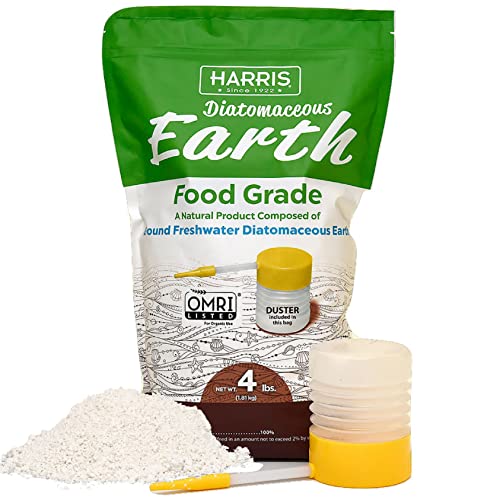
Natural Product - Composed of 4lbs of 100% ground freshwater diatomaceous earth with absolutely no additives or fillers.

✅ OMRI Listed for Organic Use – Certified by the Organic Materials Review Institute, ensuring compliance with strict organic standards for safe gardening and farming.

100% Chemical-Free: Made from 8oz of food-grade freshwater diatomaceous earth with no additives or fillers. Safe for use around children, pets and farm animals when used as directed.
Monitoring Your Flock for Signs of Ant-Related Problems
Because ant infestations often develop gradually, you’ll need to conduct regular inspections to catch problems before they escalate into serious health issues. Implement systematic monitoring techniques by examining your birds’ skin, feet, and combs for localized swelling, redness, pustules, or necrotic lesions—hallmark ant bite symptoms. Observe behavioral changes: reduced activity, isolation from the flock, or increased agitation during heavy ant activity. Document droppings for abnormal consistency or blood presence, which may indicate secondary infections following bites. Pay particular attention to vulnerable subgroups like chicks and weakened birds, which exhibit severe reactions to ant venom. In addition to monitoring for ant bites, remain vigilant for signs of flea infestations to ensure the overall health of your flock. Track weight loss and poor body condition over successive days. Early detection of these clinical signs enables prompt intervention and prevents colony-wide complications. Since immune system compromise from ant-related stress can increase susceptibility to internal parasites and other diseases, maintain vigilant health monitoring during and after ant exposure.