You shouldn’t feed moldy bread to your chickens. Mold contains mycotoxins—particularly ochratoxins and T-2 toxins—that cause serious organ damage, immune suppression, and potentially fatal toxicosis with no safe exposure threshold. Clinical signs like respiratory distress, appetite loss, and neurological abnormalities can develop within hours. Your flock’s production, egg quality, and reproductive performance will decline greatly. Prevention through proper storage and fresh alternatives is far more effective than managing contamination after it occurs.
Health Risks and Toxins in Moldy Bread
When you feed moldy bread to chickens, you’re exposing them to mycotoxins—fungal metabolites that pose serious health threats across multiple body systems. These toxic compounds, produced by common bread molds, cause mycotoxicosis, a condition that fundamentally disrupts chicken physiology. Chickens are particularly susceptible to health issues from external parasites like lice, which can further compromise their wellbeing if they are already weakened by mycotoxin exposure.
Mold exposure triggers organ damage, particularly affecting the liver and kidneys. Ochratoxins compromise organ integrity, while T-2 toxins cause digestive tract hemorrhage and necrosis. These effects accumulate over time, with prolonged exposure worsening deterioration. Regular inspection of all food for mold is necessary to prevent these serious health complications.
Your chickens face weakened immune function too. Mycotoxins impair B and T cell activity, reduce antioxidant capacity, and decrease protein synthesis—leaving birds vulnerable to pathogens. Combined mycotoxin exposure exacerbates immune suppression markedly, potentially leading to reduced egg production and further vulnerability to secondary infections.
Research confirms no safe threshold exists for moldy feed in laying hens. You’re risking substantial physiological damage by introducing moldy bread into your flock’s diet.

Superior calcium from Oolitic Aragonite: Provides high-quality calcium sourced from naturally occurring Oolitic Aragonite for optimal poultry nutrition
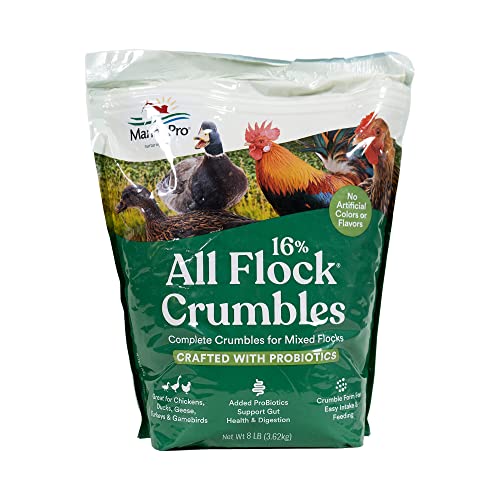
COMPLETE ALL FLOCK FEED FOR MIXED BACKYARD FLOCKS: Versatile poultry feed & all flock feed designed to support chickens, ducks, turkeys, geese, & more; a balanced bird food that simplifies feeding a diverse species in your backyard or homestead
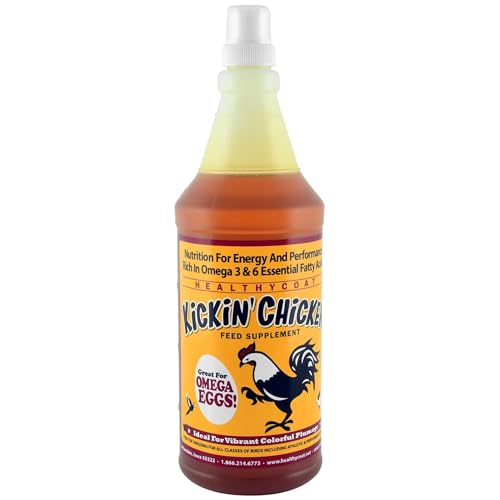
Reduces stress due to molting
Immediate Clinical Signs in Chickens
The signs of mycotoxicosis in your flock develop rapidly and span multiple physiological systems, demanding immediate recognition. You’ll observe acute respiratory distress—gasping, coughing, and gurgling noises indicating fungal obstruction of air passages. Clinical symptoms include sudden appetite loss and feed refusal following moldy feed introduction. Behavior changes manifest as lethargy, weakness, and reduced activity within hours of exposure. You may notice gastrointestinal disturbances: squishy crops, diarrhea, and sour-smelling breath with white mouth patches. Neurological signs warrant urgent attention—convulsions, paralysis, and coordination loss indicate severe toxin penetration. Weight loss accelerates rapidly in older birds. Severe cases progress to comb and toe blackening. Though mortality remains relatively low, affected birds require immediate isolation and veterinary intervention to prevent flock-wide complications. The speed of infection progression observed in documented cases demonstrates how quickly a contaminated feed source can compromise your entire flock’s health status.
How Mycotoxins Affect Flock Production
While acute mycotoxicosis signs demand immediate flock response, the production consequences of moldy bread exposure extend far beyond visible clinical disease. You’ll observe reduced feed intake, depressed growth rates, and compromised feed efficiency—effects that persist weeks after removing contaminated feed. Mycotoxin exposure impairs nutrient absorption through intestinal damage, diminishing your birds’ ability to convert feed into body mass. In laying or breeder flocks, you’ll face decreased egg production, reduced egg quality, and lower hatchability. Reproductive performance declines due to estrogenic disruption from zearalenone and related metabolites. Simultaneously, immune suppression increases your flock’s susceptibility to concurrent infections and vaccine failure. DON and Fusarium mycotoxins can shorten intestinal villi, reducing the digestive tract’s nutrient absorption capacity in poultry with inherently short intestines. These compounding production losses—reduced market weight, extended grow-out periods, increased disease management costs—accumulate into substantial economic damage that extends far beyond the initial clinical presentation.

Formulated for Chickens, Effective for All Poultry: Specially developed to provide balanced nutrition support for chickens while remaining effective for ducks, turkeys, and other poultry. This E+S blend (with selenium for chickens) helps maintain vitality, balance, and overall condition in diverse flocks of all ages.

Supports Digestive Balance: Formulated to promote healthy digestive function and internal balance in chickens and poultry flocks

Formulated for Chickens, Effective for All Poultry: Specially developed to provide balanced nutrition support for chickens while remaining effective for ducks, turkeys, and other poultry. This E+S blend (with selenium for chickens) helps maintain vitality, balance, and overall condition in diverse flocks of all ages.
Safe Feed Storage and Prevention Strategies
Since mycotoxin contamination stems primarily from improper storage conditions, you’ll need to implement thorough prevention strategies that address container selection, environmental controls, and management practices. Select airtight, opaque containers elevated on pallets at least twelve inches off ground to prevent moisture absorption and mold development. Maintaining proper storage practices is essential to avoid dangerous toxins that can harm your flock, as feed that is rich in nutritional imbalances may also encourage mold growth. Interestingly, some backyard animals like chickens may inadvertently contribute to rodent control by catching pests that disrupt their environment. Chickens are relatively sensitive to fatty foods, which can also lead to health issues if consumed inappropriately. Maintain storage areas below 60°F with consistent humidity levels and adequate ventilation. Keep feed storage zones clean and well-lit, removing spilled grain and dust that harbor mold spores. Purchase feed quantities matching your consumption rates for use within one to two months, adhering strictly to expiration dates. Implement FIFO rotation protocols, using oldest batches first. Regularly inspect containers and feed for discoloration, odor, or visible mold, discarding compromised batches immediately to protect flock health. Regular testing for contaminants like mycotoxins ensures feed safety and prevents disease outbreaks that compromise flock health and profitability.

PRESERVE FRESHNESS AND FLAVOR: This airtight pet food container helps your pet's dry food to stay tasty with its Gamma Seal Technology; It maintains moisture balance to keep food tasty and fresh

PRESERVE FRESHNESS AND FLAVOR: This airtight pet food container helps your pet's dry food to stay tasty with its Gamma Seal Technology; It maintains moisture balance to keep food tasty and fresh

FOOD FOR ALL: For your cats, dogs, birds, and more. Store your pet's dry foods into sealable and portable pet food container. 67 Qt size food storage container is great for storing around 58 Lb of dry food (capacity depends on the kind of food you store)
Fresh Alternatives to Moldy Bread
Instead of risking mycotoxin exposure by offering moldy bread, you’ll find superior nutritional alternatives that actively support your flock’s health and development. Your grain options include cooked rice for energy, oats for digestive support, and wheat for muscle development. These alternatives deliver measurable nutritional benefits without contamination risks. Whole grains like corn and flax can also be incorporated to provide protein-rich nutritional variety that supports optimal flock productivity. Moreover, ensuring a balanced intake of essential amino acids is vital for enhancing growth rates and reproductive performance. To ensure your chickens have adequate space to thrive and engage with these nourishing foods, it’s important to provide them with sufficient coop and run areas, as appropriate chicken coop size contributes to their overall well-being. Additionally, incorporating oregano’s immune-boosting properties can further enhance your chickens’ resilience against illnesses. Homemade chicken treats, like flock blocks made with wholesome ingredients, are also a great way to keep your chickens entertained and well-nourished while providing dietary supplements for improved health.
It’s essential to choose feeds that include ingredients like added amino acids to support your chickens’ growth and egg production.
Vegetable treats provide comparable carbohydrate content while supplying essential micronutrients. Squash boosts immune function with high Vitamin A, while Brussels sprouts enhance digestive health through fiber and folate. Pumpkin delivers antioxidants that protect cellular integrity.
You should rotate these alternatives strategically to prevent dietary monotony and maximize nutrient absorption. Fresh grains and vegetables eliminate the contamination variables inherent in moldy bread, ensuring consistent nutritional profiles for your flock’s sustained health outcomes.

ALWAYS PREMIUM NUTRITION: Our corn-free and soy-free chicken food is a complete diet for laying hens, boasting a guaranteed minimum of 17% protein. Your feathered friends will thrive on this super premium blend, producing top-quality organic whole chickens.

Healthy and Natural Growth – Our nutritionally complete whole grain layer mash with 16% protein promotes optimal health in laying chickens and ducks. Fermentable. Corn-free. Soy-free.

ALWAYS PREMIUM NUTRITION: Our corn-free and soy-free chicken food is a complete diet for laying hens, boasting a guaranteed minimum of 17% protein. Your feathered friends will thrive on this super premium blend, producing top-quality organic whole chickens.
Monitoring and Response for Affected Birds
Despite your best efforts to provide fresh, uncontaminated feed, you may still encounter birds that’ve consumed moldy bread before you could prevent it. Immediate action becomes critical when you observe signs of mycotoxicosis—pale combs, lethargy, or neurological abnormalities. You should isolate affected birds promptly through bird isolation protocols to prevent toxin spread throughout your flock. Provide supportive care by ensuring access to clean water and uncontaminated feed while monitoring for rapid disease progression, as mycotoxicosis can prove fatal within hours. It is important to note that a hen’s overall health can play a crucial role in egg production rates, as there are environmental and health factors that affect their well-being. Document symptoms meticulously and contact your veterinarian immediately for toxin-specific treatment recommendations. Simultaneously, discard all moldy feed sources and inspect remaining supplies. Continue close observation of previously exposed birds, as organ damage may develop gradually. Mold toxins can cause serious liver and kidney damage even after initial symptoms resolve. Early intervention markedly improves survival outcomes.
Best Practices for Flock Feeding Management
Once you’ve eliminated moldy feed sources and stabilized affected birds, establishing robust feeding protocols becomes your primary defense against future contamination and nutritional deficiencies. Implement a strict feeding schedule using uniform pellets or crumbles rather than grain mixes, which prevent selective eating and reduce waste. Store all feed in rodent-proof containers, and never place feed directly on ground—use elevated feeders set at back height to minimize spillage and contamination exposure. Clean feeders and waterers daily to prevent mold proliferation. Maintain your flock nutrition by adhering to the 90/10 rule: 90% complete feed, 10% treats maximum. Provide constant fresh water access, particularly during warm months. Supplemental grit and oyster shells support digestive health and eggshell quality while preventing nutrient absorption issues that compromise immunity against contaminated feed. These practices directly prevent mycotoxin exposure while ensuring consistent nutritional standards across your entire flock.
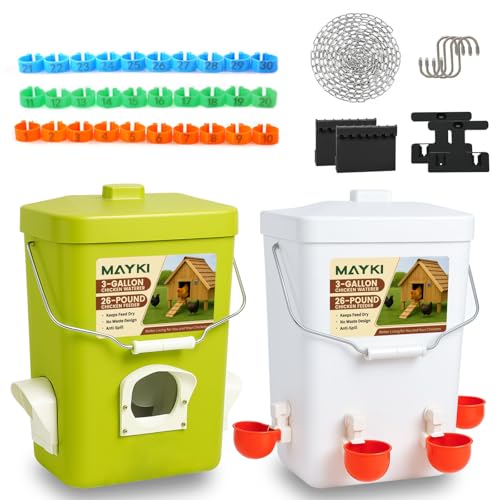
🧠 Smart Feeding, Less Mess – Our no-waste feeder ports and anti-perch cone keep feed clean and dry, preventing contamination and waste.

Durable Metal Construction: Heavy-duty galvanized steel resists rust, dents, and outdoor conditions for long-lasting feed protection.
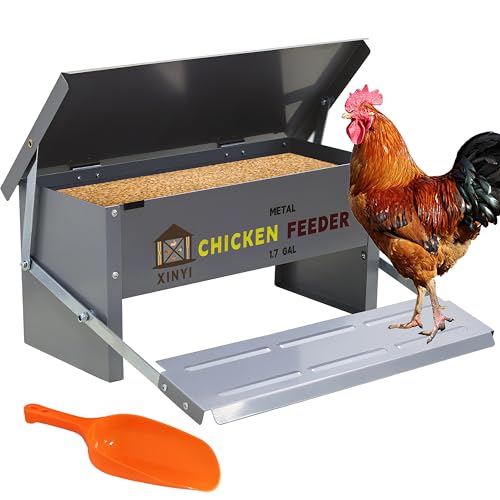
Treadle chicken feeder:This metal chicken feeder is made of high quality galvanized steel plate,built to last.