If you’ve got a bug problem in your backyard, you’re already closer to solving it than you think. Yes, chickens absolutely eat bugs — grasshoppers, ticks, beetles, slugs, spiders, you name it. They’re natural-born hunters who scratch, peck, and patrol constantly. One bird covers roughly 120 square feet weekly, so a small flock genuinely moves the needle on pest control. Stick around, because there’s a lot more to unpack here.
Do Chickens Eat Bugs?
If you’ve ever watched a chicken dart across the yard after a grasshopper, you already know the answer. Yes, chickens absolutely eat bugs — and they’re genuinely good at it. Here’s the thing: this isn’t trained behavior. It’s organic flock behavior baked into their DNA.
Now, seasonal foraging patterns matter more than most keepers realize. Your flock hunts harder at dawn and dusk, scratching up to six inches deep for grubs while picking off surface insects throughout the day.
Obviously, they’re not picky — seeds, worms, grass, and bugs all go down together. They’re opportunistic omnivores doing what comes naturally.
If you’re on the fence about free-ranging your flock, understanding this instinct makes the decision feel a lot less complicated.
What Bugs Do Chickens Actually Eat?
What your chickens are actually hunting out there might surprise you. They’re not just pecking randomly — they’re running a surprisingly strategic bug nutrition operation. Grasshoppers, Japanese beetles, squash bugs, potato beetles — your flock’s targeting genuine garden villains. Ticks? Gone enthusiastically. Spiders, centipedes, earwigs, slugs — all dispatched without hesitation.
Now, seasonal foraging shifts their menu naturally. Summer brings flying insects and surface crawlers. Cooler months push them toward grubs, larvae, and anything hiding under debris.
Here’s the thing — your chickens instinctively know what they want. Beetle larvae, ant nests, moth larvae, even airborne flies. They’re genuinely efficient.
All right, understanding what they’re already eating makes supplementing their diet smarter, easier, and honestly way more satisfying for both of you. Introducing bugs like meal worms, buffalo beetles, and superworms into your coop can actively reduce waste while giving your flock high-value nutritional treats.
How Effective Are Chickens at Pest Control?
Knowing what bugs your chickens already want to eat is one thing — knowing how much ground they’re actually covering while eating them is where it gets genuinely impressive.
Here’s the thing: one chicken debugs roughly 120 square feet weekly. A flock of 15 cleared 1,700 square feet in a single week. That’s real acreage. Now, bug density matters enormously here — the heavier the infestation, the faster your flock works through it. Seasonal timing is equally critical. Deploy them during spring when adult worms are laying eggs, or fall when fallen fruit harbors overwintering insects. You’re not just managing today’s pests — you’re interrupting tomorrow’s cycle entirely.
Obviously, chickens won’t replace every pest control strategy. But for consistent, chemical-free coverage? They’re genuinely hard to beat. Beyond pest control, their manure continuously deposits into the soil during foraging, making soil fertility enrichment a built-in bonus of every session.

NATURAL AND NON-TOXIC FORMULA: Made from natural essential oils, Premo Poultry Spray is a safe alternative to harsh chemicals like permethrin and mite dusts. Veterinarian and farm approved. Apply directly on all poultry. Treat your entire flock, pens, roosts, coops, nest boxes, and yards. Enjoy peace of mind knowing that your chickens and other poultry is protected naturally and safely

Herbal Aromatic Freshness: Carefully crafted with a premium mix of calendula, basil, lavender, blue cornflower, lemon balm, rose petals, and rosemary for enhanced coop wellness. Our blend infuses your coop with the soothing scents, keeping it naturally smelling fresh and pleasant.

Why Bugs Are So Good for Your Chickens’ Health
Feeding your chickens a standard grain diet and calling it done is leaving serious performance on the table. Here’s the thing — grain alone misses key amino acids like methionine that your flock genuinely needs. Insect nutrition fills those gaps fast.
Now, bugs aren’t just protein. They’re delivering chitin, omega fatty acids, and minerals your chickens can’t easily source elsewhere. That chitin directly supports gut health, strengthening the intestinal barrier and naturally boosting immune function. You’re fundamentally reducing antibiotic dependency without even trying.
All right, the results are hard to ignore — better feathers, stronger eggshells, healthier birds overall. Obviously you want productive, thriving chickens. Adding insects to their diet isn’t complicated. It’s honestly one of the smartest, easiest upgrades you can make today.

High Calcium for Stronger Eggshells – Black Soldier Fly Larvae naturally provide significantly more calcium than mealworms, helping support laying hens with stronger eggshells and healthy egg production.

【Increased Calcium Boosts Eggshell Strength】BSF larvae contain higher content of calcium than dried mealworms, which helps in the production of eggs with improved shell strength. BSF Larvae with high calcium ensures hens produce nutritious eggs with stronger eggshells, lowering the chance of shell damage.

Superior calcium from Oolitic Aragonite: Provides high-quality calcium sourced from naturally occurring Oolitic Aragonite for optimal poultry nutrition
Which Bugs Can Make Your Chickens Sick?
Not every bug your chickens chase down is a free nutrition boost — some of them are genuinely bad news, and knowing which ones can save you a serious headache. Fireflies look harmless, but they contain lucibufagins, a toxic compound that’s legitimately dangerous to your flock. Blister beetles are another one you don’t want showing up uninvited.
Now, parasite transmission is where things get sneaky. Mites hitchhike on wild birds, rodents, and even your clothing, turning toxic insects and parasites into a two-front problem you didn’t see coming.
Here’s the thing — you don’t need to panic. You just need to know what you’re dealing with. Recognizing the bad actors early keeps your flock healthy and your mornings a lot less stressful. Ectoparasites like lice and mites can cycle through their entire development in as little as 5 to 21 days, meaning a small problem can quietly explode into a full infestation before you even notice something is wrong.

Protect Garden from Intruders-Use First Saturday Lime to safeguard your plants. Dust them for protection or apply around them directly.


Pet-Friendly & Family-Safe Formula – Mighty Mint is a top pick for pet parents looking for a natural pest control solution. Safe to use around dogs, cats, and kids when applied as directed—no harsh fumes or dangerous chemicals, just powerful peppermint protection you can trust.
The Safest Ways to Feed Your Chickens Bugs
Once you’ve figured out which bugs to avoid, the next question hits pretty fast — okay, so how do I actually get the *good* bugs to my chickens safely? Here’s the thing — bug sourcing doesn’t have to be complicated. If you’ve got yard space, free-ranging handles itself. Your chickens naturally scratch, peck, and debug up to 120 square feet weekly. Zero prep, maximum organic safety. Now, if outdoor space is tight, mealworm farming is stupid-easy — minimal setup, high protein payoff, better egg production. All right, want something that practically runs itself? Black soldier fly larvae systems self-harvest directly into feeding pails. You barely touch them. Hens fed black soldier fly protein produce eggs with darker yolks and thicker shells, cutting your breakage losses significantly. Obviously, no single method suits everyone, but one of these three fits your situation almost perfectly. Pick one and just start.

【High-Protein Superfood】- Our black solider fly larvae for chickens are non-GMO and pure natural. Packed with protein, making them an ideal supplement for poultry, reptiles. They promote healthy growth and development for laying hens.

【High-Protein & Rich in Calcium】Naturally packed with protein and calcium, our Black Soldier Fly Larvae rich in calcium, it contains at least 85x more calcium than dried mealworms, and with a great source of protein 45%.
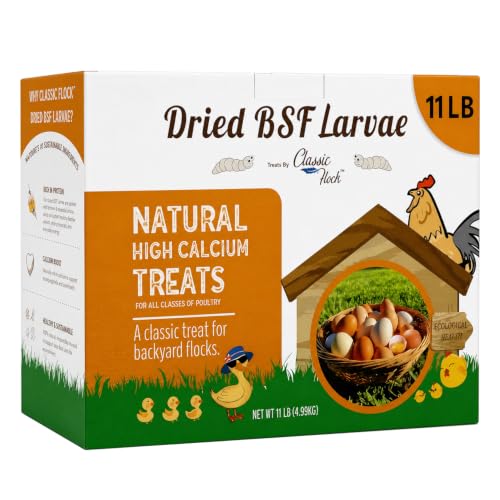
NUTRIENT-RICH POULTRY TREAT: With 34% crude protein (min) and 3.25% calcium (max), these BSF worms add protein and calcium to supplemental feeding for laying hens