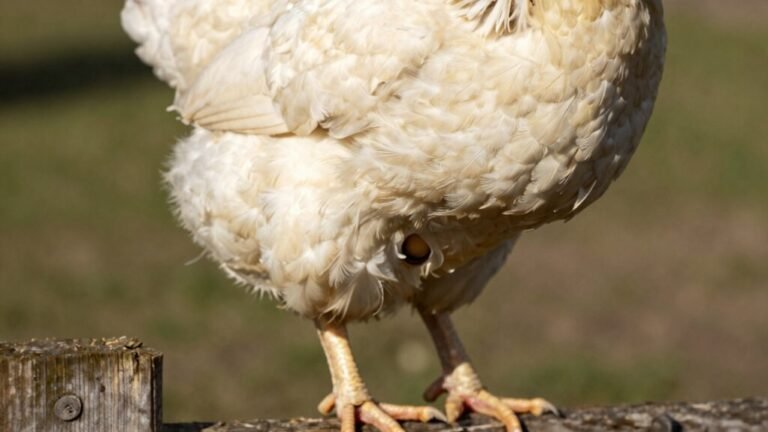
You’ll find several breeds laying white eggs reliably. White Leghorns dominate commercial production, averaging 280–300 eggs annually with superior feed efficiency. Heritage breeds like Anconas, Andalusians, Lakenvelders, and Minoreas produce 140–220 eggs yearly with distinctive plumage. Polish chickens offer ornamental appeal while maintaining 150–200 annual production. Each breed presents different climate adaptability, space requirements, and temperament profiles. Selecting the ideal white egg layer depends on your specific environmental conditions and management capacity.
Leghorn: The Supermarket Standard
The White Leghorn’s dominance in commercial egg production isn’t accidental—it’s the result of over a century of selective breeding for traits that matter economically. The Leghorn history traces back to Mediterranean origins, but modern strains developed through rigorous selection at research centers since the 20th century. Today’s commercial White Leghorns deliver exceptional Leghorn productivity: you’ll see consistent annual outputs of 280–300 eggs per hen, with peak performers exceeding 320 eggs yearly. Their efficient feed-to-egg conversion directly reduces your production costs. These birds mature early, reaching peak lay quickly, and maintain sustained production through their first year. Their climate adaptability allows them to thrive in diverse environmental conditions, from Georgia’s hot summers to colder regions, making them reliable performers across different farming locations. Additionally, incorporating herbs like oregano can enhance their immune system and overall health, further supporting their prolific egg-laying capabilities. They typically begin laying eggs around 4 to 5 months old, marking an important stage in their productive lifespan. Their medium-small frame and white plumage make them the industry standard for commercial white-egg supply, delivering the reliability you depend on. Moreover, their disease tolerance adds to their appeal in both commercial and backyard settings. Additionally, these prolific layers are often favored in backyard settings, thanks to their friendly dispositions and consistent egg production. Moreover, they complement other poultry such as Wyandotte hens, known for their egg production, making them versatile additions to any flock.
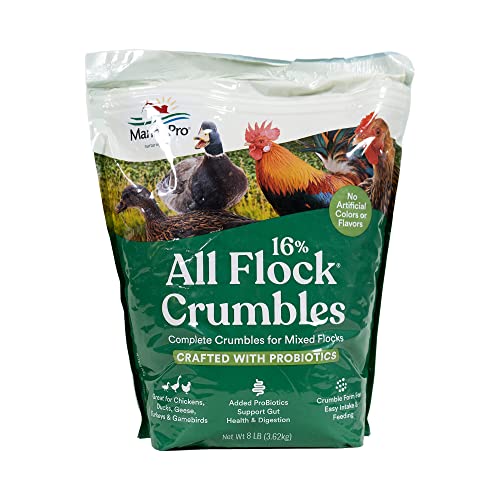
COMPLETE ALL FLOCK FEED FOR MIXED BACKYARD FLOCKS: Versatile poultry feed & all flock feed designed to support chickens, ducks, turkeys, geese, & more; a balanced bird food that simplifies feeding a diverse species in your backyard or homestead

COMPLETE ALL FLOCK FEED FOR MIXED BACKYARD FLOCKS: Versatile poultry feed & all flock feed designed to support chickens, ducks, turkeys, geese, & more; a balanced bird food that simplifies feeding a diverse species in your backyard or homestead

A Complete Feed Specifically Balanced for Pastured Poultry
Ancona: Italian Beauty and Independence
Originating in Italy’s Ancona province during the 19th century, this Mediterranean-type breed offers a distinct alternative to the commercial Leghorn. You’ll find Anconas produce 180–220 large white eggs annually with consistent performance during winter months. Their non-broody nature supports continuous laying rather than sitting behavior. Additionally, these hens are noted for their high egg production, making them a valuable choice for those seeking reliable layers. Interestingly, Ancona chickens lay eggs that are nutritionally equivalent to those of other breeds, ensuring you receive all the benefits without compromise.
Physically, you’ll recognize them by black plumage with distinctive white V-shaped spangling, creating a mottled appearance with beetle-green sheen. They feature white ear lobes, yellow beaks and legs, and bay eyes. Both single-comb and rose-comb varieties exist. Anconas mature early and begin egg production earlier than many other chicken breeds. Interestingly, the rabies virus does not affect chickens, as they are birds and not mammals.
Regarding Ancona temperament, you should expect highly active, flighty birds that excel in free-range systems. They’re excellent foragers with strong predator awareness, though handling proves challenging compared to docile breeds. Single-comb birds require cold-climate housing protection against frostbite.

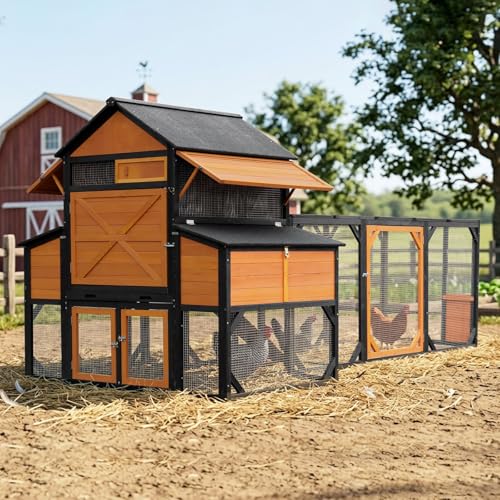
Superior Ventilation for Fresh Air: This chicken coop features larger windows on both sides to create effective cross ventilation. Harmful gases like ammonia are quickly removed, keeping the air fresh and your flock healthy in a clean resting environment.

【Sturdy Structure And Materials】: Constructed with 1" thickened galvanized steel pipe and precision welding, this chicken coop features a strong frame and square protective mesh for long-term durability. The four corners are specially designed to improve wind resistance, preventing the coop from tipping over in strong winds. It also effectively protects poultry from wild animals such as raccoons and wolves, providing a safe and comfortable living environment.
Andalusian: Mediterranean Elegance
Spain’s Andalusian chicken breed offers you a striking alternative within Mediterranean poultry circles, recognized by the American Poultry Association since 1874 and currently listed as Watch/Threatened status by the Livestock Conservancy. You’ll recognize these birds by their distinctive slate-blue plumage with dark lacing and white earlobes. Their egg production capabilities make them valuable for heritage breeding programs, as they consistently lay 160-200 chalk-white, medium to large eggs annually. You can expect 4-6 eggs weekly, with superior winter-laying performance, making them a great option for consistent egg production. Additionally, these birds share the trait of adaptability, as they thrive in various climates just like the Barred Rock chickens, known for their consistent egg production throughout the year. The Andalusian’s robust breeding traits contribute to a diverse gene pool similar to that found in other breeds renowned for their consistent egg-laying abilities. The breed’s reputation for egg production contributes to its status as a viable choice for both novice and experienced chicken keepers. However, their temperament demands consideration—these active, flighty birds require substantial free-range space and don’t tolerate confinement well. Their exceptional heat tolerance suits warmer climates, though you’ll need to protect their combs from frostbite in cold conditions. The breed’s notable blue plumage results from crossing black and white fowl, creating their signature appearance that distinguishes them from other Mediterranean layers. Moreover, their productive nature makes them comparable to the Australorp breed, known for producing up to 364 eggs per year.
Lakenvelder: Productivity Meets Visual Appeal
While Andalusians excel in warmer climates, you’ll find the Lakenvelder offers a compelling alternative for keepers seeking both reliable egg production and exhibition-quality aesthetics. Originating from Germany and the Netherlands, this heritage conservation breed produces 150–200 medium white eggs annually, making it practical for smallholders. You’ll appreciate its striking black-and-white plumage pattern, which enhances farm aesthetics while maintaining functionality. The breed’s active foraging behavior reduces feed costs, though it demands free-range conditions—confinement causes stress and flighty behavior. Additionally, keepers should be aware that hamster balls are not suitable exercise tools for chickens and can lead to distress. Interestingly, asparagus is safe for chickens and can serve as a nutritious treat to complement their diet. Regular exposure to natural sunlight is also beneficial for their overall health and productivity. Weighing 4–5 lbs, Lakenvelders aren’t dual-purpose birds, but their consistent laying and ornamental value justify their “Threatened” conservation status. Hens rarely go broody, which means they’ll continue laying throughout the season without interruption. You’ll need secure fencing and draft-proof shelter, particularly in colder regions, to maximize productivity and guarantee long-term breed viability.

【Chicken Perch with Ladder & Swing】This chicken activity center features a chicken perch chicken ladder and a chicken swing, which are important chicken toys for coop. It also functions as a great chicken enrichment, providing an area for chickens to have fun and satisfy their flying needs. Furthermore, its versatile design also suits other animals such as parrots, ducks, and pigeons.

Eat Anywhere To Supplement Nutrition: You can pour chicken nesting herbs in the chicken house; litter; nest box; feeder; dust bath area, and the chickens can eat it anytime and anywhere. Nesting herbs for chicken coop can be mixed with other chicken feeds to make a perfect snack supplement, supplementing chickens with multiple vitamins; minerals; calcium and trace elements, etc., which is beneficial to the health of chickens and improves the quality of eggs

【Funny Chicken Toys】7 Pcs chicken coop accessories contains: 2 x chicken swings, 1 x chicken xylophone, 1 x chicken pecking toy, 1 x chicken mirror with bells, 2 x hanging chicken feeder
Minorca: Large Eggs From Impressive Birds
If you’re seeking a breed that combines impressive size with exceptional egg production, the Minorca delivers both—producing some of the largest white eggs available from any chicken breed. You’ll find Minorca characteristics defined by glossy greenish-black plumage, a sloping back, and striking red facial features. Cocks reach 2.8 kg while hens weigh 2.2 kg, though British standards run higher.
Minorca egg production yields 140–220 extra-large chalk-white eggs annually, depending on strain. Their prolific laying sustains winter output, compensating for moderate volume through exceptional size. During the winter months, daylight hours increase can significantly influence overall egg production. These active foragers excel in free-range systems but tolerate confinement poorly. However, their poor cold tolerance makes them unsuitable for frigid climates, as their large combs and wattles remain vulnerable to frostbite. In addition to their remarkable egg-laying capacity, offering chickens healthy treats like raspberries can further support their overall well-being. Additionally, Minorcas are known for their excellent egg-laying abilities, making them a valuable addition to any farm. Providing a balanced diet with adequate calcium is crucial for optimal egg production and overall health. Their nutritional needs should be met through complete layer feeds to ensure strong and nutritious egg production. Conservation and improvement programs have been underway since 2012 due to the breed’s risk of extinction in its native Spain.

Complete balanced nutrition you can see in a bigger bag!

Rich yellow yolks - A high level of xanthophyll, a coloring agent derived from marigolds, produces deep yellow egg yolks
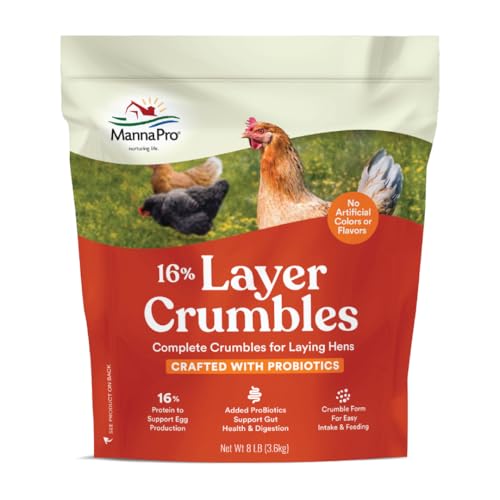
COMPLETE CHICKEN FEED FOR LAYING HENS: Manna Pro Chicken Feed delivers complete nutrition designed for laying hens, supporting strong egg production, healthy feathers, and overall wellness; balanced formula helps maintain optimal health in backyard flocks
Polish: Ornamental Layers With Personality
Distinguished by an elaborate crest perched atop a bony skull prominence, Polish chickens offer a striking aesthetic alongside consistent egg production. You’ll appreciate their crested characteristics, which include white earlobes, red wattles, and slate-gray legs that distinguish them visually.
These birds produce 150-200 white-shelled eggs annually, though they’re non-broody and start laying late in season. Interestingly, hens will lay eggs regularly on their own without a rooster and can still be a delightful addition to your backyard flock. Their friendly demeanor makes them excellent for backyard flocks, yet you’ll notice they’re easily startled due to restricted vision from their prominent crests. Polish chickens are primarily ornamental birds, valued more for their unique appearance than egg production alone.
They are well-known for their docile nature, which makes them easy to handle, akin to other gentle breeds like the Orpington.
Polish chickens thrive in warm, dry climates but remain vulnerable to cold weather, as their crests waterlog and freeze. You should provide adequate coop ventilation and spacing to prevent crest picking. Handle them gently and speak softly to minimize their nervous reactions.
Choosing the Right White Egg Layer for Your Flock
Since your specific management conditions and production goals determine the ideal breed for your operation, you’ll need to evaluate each candidate against your circumstances. Consider egg production rates: Andalusians and Anconas excel with 180-265 annually, while Dorkings produce only 100-120. Assess climate adaptability—Andalusians thrive in warmth, whereas Cornish and Anconas tolerate variable conditions. Evaluate space requirements: flighty Anconas demand free-range environments, but docile Dorkings adapt to closer quarters. Factor temperament alongside performance. If you prioritize consistent output in controlled settings, Campines offer 140-200 eggs without broody interruptions. For dual-purpose production, Cornish provide both meat and eggs. Leghorns are particularly efficient foragers that keep yards clear of bugs and weeds while maintaining steady production. Match breed characteristics to your management style, available space, and climate zone to optimize flock success.