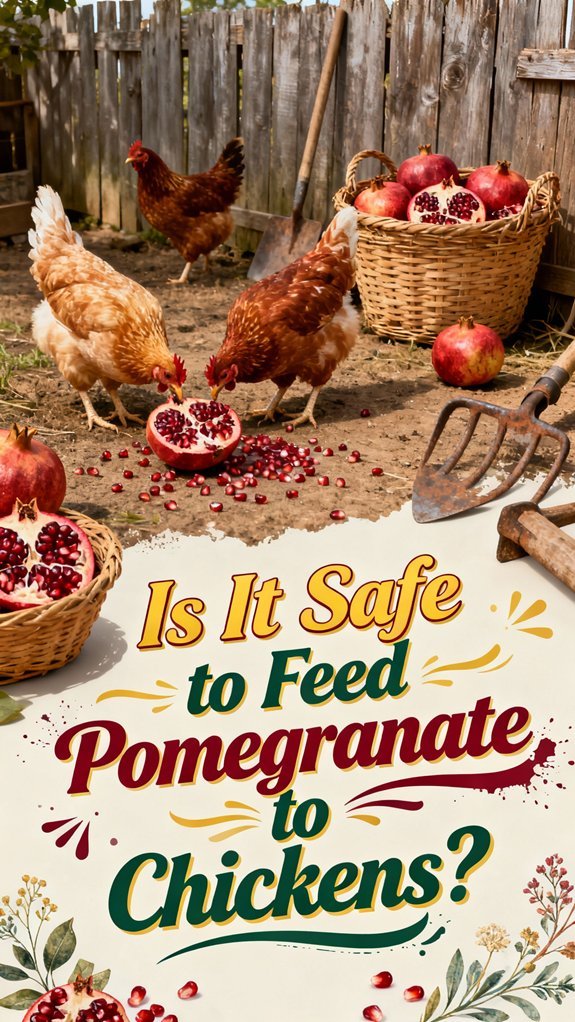
Yes, you can safely feed pomegranate to your chickens when you follow strict dosage guidelines. Limit pomace or peel powder to 2–4% of complete feed, and keep concentrated extracts to 0.1–0.3 g/kg feed. The fruit offers antimicrobial and immunomodulatory benefits that enhance flock health. However, research on long-term consumption remains limited, and excessive amounts may reduce nutrient digestibility. You’ll want to monitor your birds closely for any gastrointestinal changes and track production metrics carefully.
Nutritional Benefits of Pomegranate for Chickens
Pomegranate’s nutritional profile offers several compounds that may benefit poultry health, though effects depend on which part you’re feeding and how it’s processed. Pomegranate arils deliver vitamin C, folate, vitamin K, and potassium—nutrients supporting metabolic function. The seeds contain long-chain fatty acids that can increase egg omega-3 content. However, the peel concentrates polyphenols with substantially higher antioxidant potential than arils or seeds. Nutrient synergy matters considerably; processing method—whether powder, extract, or oil—determines bioavailability and concentration levels. You’ll find that peel and seeds provide modest energy contributions while altering dietary energy density. Research demonstrates that pomegranate supplementation enhances immune response in poultry, supporting overall flock health beyond basic nutritional provision. Effective supplementation ranges from 2–4% peel powder or 7.5–10 g/kg, producing measurable physiological responses without compromising digestibility at appropriate inclusion rates.

For External Use Only, Do not Consume as a food supplement.

100% Pure & Natural Pomegranate Peel Powder – Made from finely ground pomegranate peel, retaining its natural properties for herbal tea, skincare, and DIY beauty.

WHY POMEGRANATE PEEL POWDER: Bixa Botanical Pomegranate Peel Powder is a premium, all-natural supplement crafted to the highest quality standards. Sourced from the finest pomegranates, the peel is steam-sterilized to maintain its natural properties while ensuring safety. This 100% vegan, gluten-free, and non-GMO supplement is an excellent choice for enhancing your wellness routine. Each batch is rigorously lab-tested for purity and quality, providing a reliable Ayurvedic supplement for overall well-being. Whether you're adding it to your lifestyle or using it in health-conscious recipes, Bixa Botanical Pomegranate Peel Powder is a versatile choice.
Health and Production Effects Supported by Research
While the nutritional composition of pomegranate shows promise, understanding how these compounds translate into measurable health outcomes requires examining the research on actual production performance and physiological responses. Research demonstrates dose-dependent effects on digestive effects and growth performance. At moderate inclusion rates (2%–4%), pomegranate peel powder improves feed conversion and body weight gain, particularly in stressed birds. However, excessive inclusion (8%) impairs nutrient digestibility and reduces growth performance by decreasing villus height and increasing intestinal crypt depth. Additionally, pomegranate supplementation at 0.75%–1% reduces right-to-total ventricular weight ratios in broilers at high altitude, suggesting mitigation of pulmonary hypertension. The antioxidant compounds in pomegranate peel, including flavonoids and polyphenols, work to reduce reactive oxygen species production that contributes to vascular remodeling in high-altitude environments. Therefore, including Easter Eggers in your chicken flock can support a diverse nutrient profile while optimizing health outcomes. Furthermore, maintaining proper nutrition helps prevent nutritional deficiencies that can lead to adverse health effects in chickens. Additionally, incorporating homemade chicken treats can provide essential nutrients that support overall well-being. Including a well-balanced feed that meets optimal protein levels is essential for ensuring robust health. Dried mealworms, when combined with pomegranate, can enhance overall health and provide a comprehensive nutrient profile. These findings indicate you’ll achieve peak results by carefully calibrating inclusion rates to your production goals and environmental stressors.

AYURVEDASHREE Pomegranate Peel Powder is 100% free from chemicals, 100% Natural, No Additives & 100% Pure.


Pomegranate fruit contains almost double the amount of antioxidants than the pulp or juice
Antimicrobial and Immunomodulatory Properties
Beyond production metrics and growth performance, pomegranate’s bioactive compounds—particularly ellagitannins and punicalagins—demonstrate antimicrobial and immunomodulatory activities that may reduce disease pressure in your flock. The antimicrobial mechanisms involve protein binding, membrane disruption, and enzyme inhibition against Gram-positive and Gram-negative bacteria relevant to poultry, including Salmonella and E. coli. Additionally, pomegranate phenolics inhibit bacterial biofilm formation and quorum sensing, limiting pathogen persistence. Immunomodulatory effects include decreased pro-inflammatory cytokines, enhanced antioxidant capacity, and improved antibody responses in supplemented birds. Research has demonstrated that pomegranate peel extract can reduce Newcastle disease incidence in vaccinated broilers, providing additional protection against economically significant pathogens. However, activity varies considerably with extraction method, dose, and bird age. In vitro efficacy doesn’t guarantee in vivo results without proper formulation, so you’ll need field validation before drawing conclusions about disease mitigation in your operation.
Recommended Dosage and Feeding Guidelines
To realize pomegranate’s antimicrobial and immunomodulatory benefits without compromising flock performance, you’ll need to calibrate inclusion rates carefully based on the form you’re using and your feeding method. For pomace or peel powder in complete feed, you shouldn’t exceed 2–4% of the diet; higher levels (8%) risk reduced growth. If you’re using concentrated extracts, dosage recommendations drop markedly to 0.1–0.3 g/kg feed, delivering equivalent polyphenol intake at substantially lower volumes. For water-based supplementation, begin with 5% juice concentration and monitor water consumption closely, as high concentrations suppress intake. Chickens can benefit from nutritional fruits like pomegranate, similar to how they safely consume peaches. Safety guidelines emphasize short-term or cyclical treatments rather than continuous administration. Calculate per-bird polyphenol intake to prevent overdosing and pilot-test formulations before flock-wide implementation. Ensuring access to clean water is essential when introducing supplements like pomegranate to support overall chicken health.
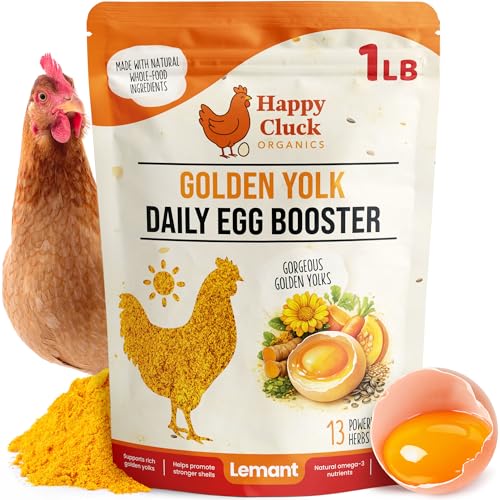
13 WHOLE-FOOD HERBS IN EVERY DAILY SCOOP - This Daily Egg Booster for Chickens packs 13 functional whole-food ingredients into every daily scoop. Each 1 LB pouch blends pumpkin powder, carrot powder, turmeric, milled calendula flowers, stabilized flaxseed, black oil sunflower meal, brewer's yeast, dual-grade calcium carbonate, kelp meal, chili flakes, rosemary extract, and standardized marigold extract into a single premium chicken vitamin and supplement for daily backyard flock nutrition.

SIMPLY MIX WITH WATER: Convenient powder formula that dissolves easily for quick hydration support.
Potential Risks and Limitations
Although pomegranate’s antimicrobial properties offer flock benefits, you’ll need to distinguish between safe and unsafe plant parts, as not all components pose equal risk. Pomegranate root and bark contain compounds potentially poisonous to chickens and shouldn’t be fed. You should establish clear dosage limits when incorporating peels or extracts, as high inclusions—particularly 7.5-10 g/kg diet—may cause intestinal villi reduction, suggesting gut irritation from elevated tannin content. While studies show no mortality at 5% aqueous extract administration, you must recognize that sparse toxicity data exists for whole fruit consumption. The high tannin concentration demands cautious moderation to prevent adverse gastrointestinal effects, even though clinical overdose signs remain undocumented in poultry research. Research involving 36 female Cobb chickens demonstrated that 6 days of extract administration produced no deaths or alterations in feed consumption and performance metrics. Additionally, it is important to be mindful of the toxic foods that can harm chickens, as introducing new items to their diet should always be approached with caution.
Quality and Safety Considerations
When you’re sourcing pomegranate for your flock, you’ll need to evaluate both the nutritional composition and the specific plant fraction you’re using, since peel, seed oil, and whole fruit differ markedly in their macronutrient profiles and bioactive compound concentrations. Chickens, despite their excellent color vision during the day, are essentially night blind and rely on other senses to navigate their environment. Quality control during ingredient sourcing is essential—you must verify that pomegranate by-products haven’t been contaminated with pesticides, molds, or heavy metals during harvest and storage. Ascertain your supplier documents processing methods and storage conditions, as oxidation degrades polyphenols and punicic acid over time. Request certificates of analysis confirming polyphenol and lipid concentrations so you can formulate precise inclusion rates. Substandard or improperly stored material may deliver inconsistent bioactive compounds, undermining expected antioxidant or performance benefits while introducing contamination risks. Similar to the protein content found in quality poultry feed, pomegranate supplements should be evaluated for their contribution to your flock’s overall nutritional balance and dietary requirements.

PROBIOTICS FOR POULTRY: HealthyGut Probiotics for Chicken and Poultry is a broad spectrum blend of carefully selected probiotic bacteria for chickens, ducks, and other poultry; Helps promote a healthy digestive system and offers your bird total digestive support

A DAILY SUPPLEMENT FOR A HEALTHY START: FlockLeader Arrive is uniquely formulated with the right mix of probiotics, prebiotics, and plasma to support newly hatched and young, growing poultry up to 8 weeks old.
Best Practices for Backyard Flocks
Once you’ve sourced quality pomegranate for your flock, you’ll need to integrate it strategically within your established feeding program. Treat pomegranate as a supplemental treat, limiting it to 10% of your birds’ daily intake to maintain nutritional balance. Offering pomegranate as a part of their diet can provide them with important antioxidants while ensuring their overall health. Offer pomegranate during your morning or early evening feeding windows when you’re monitoring flock welfare. Remove uneaten portions within 10 minutes to prevent spoilage and maintain backyard biosecurity standards. Use separate feeding areas if you’re managing mixed-age groups, as younger birds have distinct nutritional requirements. For chick starter flocks, ensure your primary feed maintains high protein content appropriate to their developmental stage before supplementing with treats. Clean all feeders thoroughly with vinegar-water solution after treating your flock with pomegranate to prevent bacterial contamination. This controlled approach guarantees pomegranate supplements rather than compromises your birds’ health and productivity.
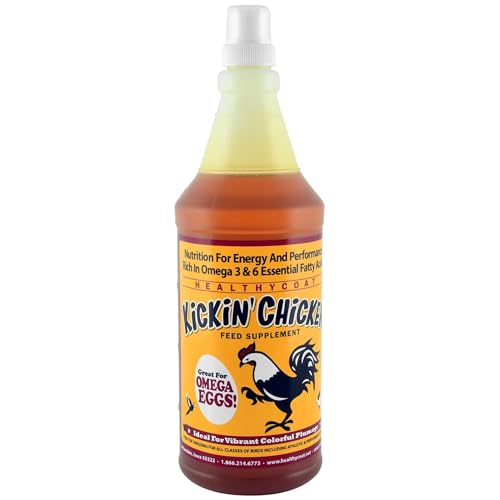
Reduces stress due to molting

SIMPLE FORMULA: Crafted with Corn, Milo, and Wheat for a nutritious and simple blend.
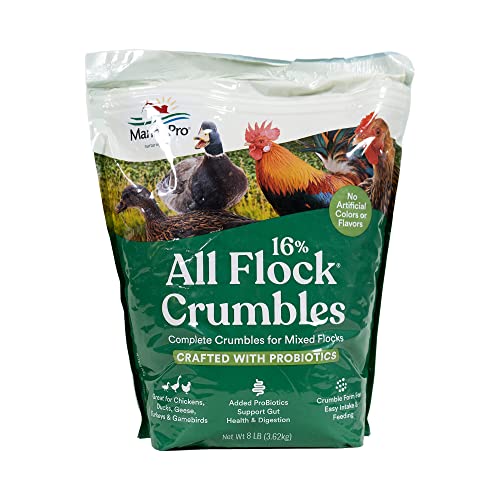
COMPLETE ALL FLOCK FEED FOR MIXED BACKYARD FLOCKS: Versatile poultry feed & all flock feed designed to support chickens, ducks, turkeys, geese, & more; a balanced bird food that simplifies feeding a diverse species in your backyard or homestead
Monitoring Your Flock’s Response
Because pomegranate introduces novel compounds to your birds’ digestive systems, systematic observation during the initial 24–72 hours after first exposure is essential for detecting adverse reactions. Monitor behavioral changes closely: watch for lethargy, hyperactivity, ataxia, or abnormal gait that may signal neurotoxicity. Implement these monitoring techniques immediately post-feeding by observing alertness for 1–2 hours and tracking respiration rate for 24 hours.
Track gastrointestinal responses daily for one week. Inspect fecal consistency, color, and frequency, noting watery or bloody droppings. Record food and water intake to detect anorexia or polydipsia. Observe crop emptying times over 24–48 hours. Document any vomiting, retching, or signs of abdominal pain. Pomegranate’s anti-parasitic qualities make it particularly valuable for flocks prone to internal parasites, but individual sensitivity varies among birds. This is especially important if your chickens are entering their molting season, as changes in diet can impact their overall health during this energy-intensive period.
Follow production metrics weekly for 2–4 weeks, measuring body weight and egg production. These systematic monitoring techniques establish baseline data for identifying subclinical effects from pomegranate supplementation.