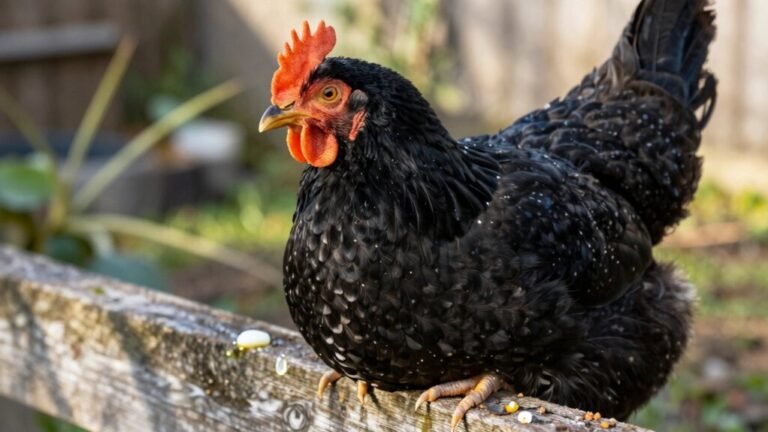
You’re staring at that bald neck, wondering if your hen’s sick or just having a bad feather day. Here’s the thing: it’s usually natural molting, an overzealous rooster, or a protein deficit you can fix before dinner. Check for spiky pin feathers first; if you see blood-filled shafts, just wait. But if spurs tore the skin or mites are crawling, you’ll need specific treatments or higher protein feed. Obviously, ignoring open sores is a bad idea. Stick around, and we’ll sort exactly which fix fits your flock.
Identify Pin Feathers to Confirm Annual Molting
You’re staring at your flock’s bare necks and wondering if you’ve failed them, but hold up before you panic-buy mite spray. Look closer at those spiky quills poking through the skin. That’s your proof of natural molting, not a parasite invasion. These blood-filled shafts follow a strict pin feather timeline, usually hitting hard between sixteen and eighteen months. You’ll see them start on the head and march down the back systematically. Now, here’s the thing: handle them gently. Feathering sensitivity peaks right now because those developing shafts contain active blood supplies. Squeeze one accidentally, and you’ll trigger profuse bleeding that looks way worse than it is. Obviously, you don’t want that mess. If you spot these waxy casings shedding on the coop floor, relax. Your birds are just upgrading their winter coats. Trust the process, skip the chemicals, and let nature do its work.
Check Bare Necks for Rooster Mating Damage
If you’ve ruled out molting and those necks are still looking like plucked drumsticks, don’t panic-buy mite spray just yet because your rooster is likely the culprit. He grabs beakfuls of feathers on her neck to maintain balance while mating, causing significant feather damage. Since he lacks opposable thumbs, he relies on his spurs too, which often tear skin or yank out more plumage. You’ll spot missing feathers specifically on the lower back and head, sometimes with nasty abrasions. This aggressive rooster behavior worsens if your ratio is off; one guy for five hens means over-mating. Large roosters crushing small hens make it worse. Trim those spurs carefully to reduce tearing, though remember he’ll fight predators less effectively. If he won’t calm down, re-home him. Fixing this ratio saves your hens’ necks fast. Even a docile rooster can cause over-mating issues regardless of the flock’s hen-to-rooster ratio.
Spot Stress-Induced Feather Picking Patterns
When your hens start looking like they’ve been through a blender instead of a molt, it’s usually boredom or stress driving them to turn on each other. You’ll spot this when confined birds get restless from restricted feeding or bad weatherormonal spikes during drastic climate shifts. Environmental triggers like housing changes or predator scares make them peck nervously. Overcrowding at dusk fuels these disputes, especially if you’ve got too many roosters. Unlike natural molting, stress picking targets specific areas repeatedly, often starting with short feathers. High-energy, low-fiber diets worsen this aggression, while calcium gaps leave layers vulnerable. You need to watch for sudden routine disruptions that spike anxiety. Free-ranging usually fixes boredom, but locked-up flocks need distractions. Recognizing these patterns early stops the cycle before injuries attract more pecking. Fix the root cause now, and your flock will feather out beautifully again.
Inspect Vent Areas for Mites and Lice
Since you’ve already ruled out stress and boredom, that ragged mess around your hen’s rear end probably means you’ve got uninvited guests throwing a party down there. Look closely; dirty feathers, scabs, or crawling bugs signal mites or lice are feasting. Red roost mites hide by day but swarm at night, while straw-colored lice move fast and leave white nits. You’ll spot blackened feathers from dried blood or see your hen acting listless and pale. Don’t guess—grab her for vent cleaning to remove crustiness and check feather bases. Try lice sampling by pressing blue tape near roosts overnight to trap sneaky mites. Obviously, heavy infestations cause weight loss and drop egg production, so act fast. This isn’t just about comfort; it’s survival. If you see rice-like grains or grey clusters, treatment is non-negotiable. Get your hands dirty now to save your flock later.
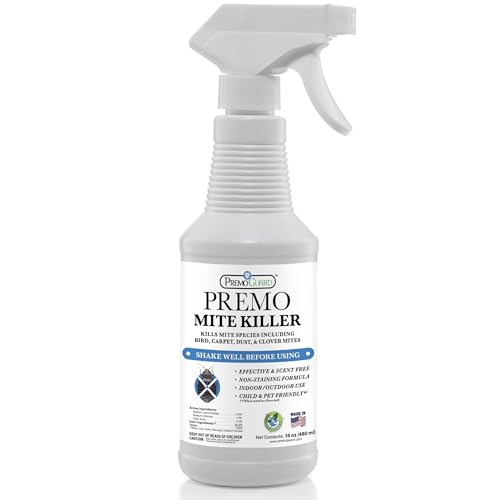
NATURAL & NON-TOXIC FORMULA: Plant-based ingredients provide a safe alternative to harsh chemical treatments. Designed for use in homes, farms, chicken coops, cages, and pens when used as directed
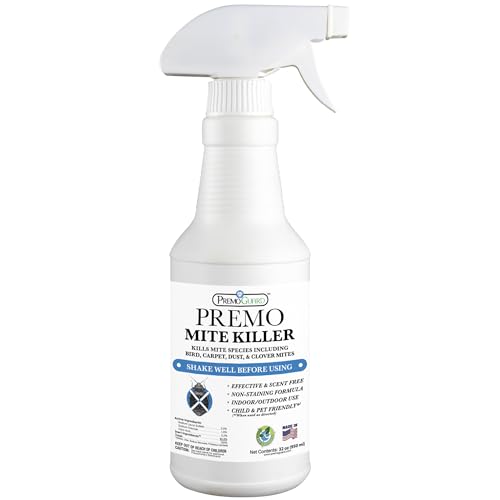
NATURAL & NON-TOXIC FORMULA: Plant-based ingredients provide a safe alternative to harsh chemical treatments. Designed for use in homes, farms, chicken coops, cages, and pens when used as directed

NATURAL & NON-TOXIC FORMULA: Plant-based ingredients provide a safe alternative to harsh chemical treatments. Designed for use in homes, farms, chicken coops, cages, and pens when used as directed
Analyze Feed Protein Levels for Deficiencies
While you’ve already scrubbed the bugs off your hen’s rear, that ragged neck might just be her screaming for a better dinner. You’re seeing feather pecking because she lacks the protein needed for keratin production. Obviously, a layer diet under 13% crude protein triggers this mess, leading to cup-shaped feathers or pigment loss. Don’t ignore retarded growth or soft shells; they signal a critical proteiniciency diagnosis. Your hens aren’t being mean, they’re hungry for amino acids like arginine and lysine. Now, fix this with a solid supplement strategy using fish meal or soybean basics tailored to their life stage. Broilers need way more than your laying flock, so don’t mix feeds blindly. All right, swap that generic grain for balanced formulas immediately. Stop the picking before it turns into cannibalism. You’ve got the facts, so make the switch today and watch those necks fill out fast.
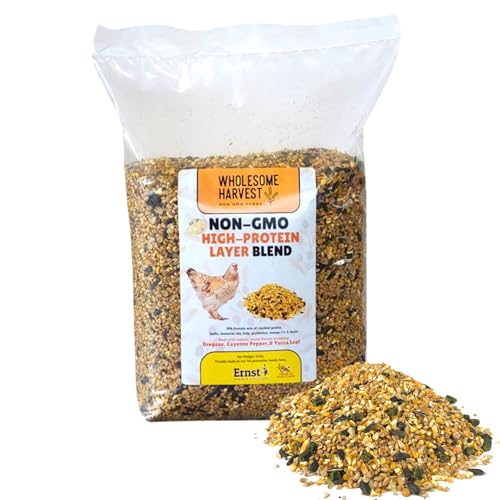
LAYER BLEND: Our Non-GMO layer mash is a complete feed fortified with minerals and additional calcium, ensuring quality eggshells. This blend of cracked grains includes probiotic for digestive health and higher omega 3 levels from linseed (flax) oil. Ideal for supporting your flock's overall health and egg-laying productivity.
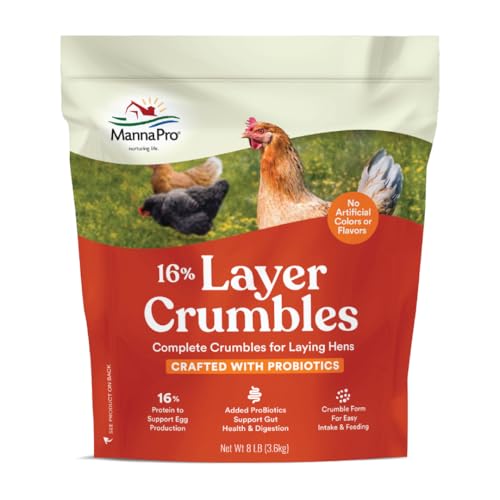
COMPLETE CHICKEN FEED FOR LAYING HENS: Manna Pro Chicken Feed delivers complete nutrition designed for laying hens, supporting strong egg production, healthy feathers, and overall wellness; balanced formula helps maintain optimal health in backyard flocks

PREMIUM CHICKEN FOOD FOR LAYING HENS WITH OMEGA-3: High-quality chicken layer feed made for strong egg production; fortified with chicken feed omega 3 & extra chicken feed calcium to support healthy shells & provide complete daily nutrition for your hens
Calculate Coop Space to Stop Overcrowding
If your hens are pecking each other’s necks raw, you’ve probably got a crowded coop, not a mean flock. You need to calculate space density immediately because stress triggers this nasty habit. Give standard birds at least four square feet indoors and ten outside; heavy breeds demand even more room. If they’re confined all day, bump that indoor number up by fifty percent. Obviously, cramped quarters stop feather regrowth before it even starts. Measure your coop and run today. If you’re short on square footage, you must downsize the flock or expand the structure. Don’t guess with crowd density; use a tape measure. Providing adequate roaming area lets those bare necks finally heal without constant bullying. Fix the square footage now, and you’ll see calm birds and full plumage return faster than you’d think. It’s really that simple. Remember that the 2–3 sq ft minimum inside the coop is strictly for sleeping and egg-laying, so insufficient roosting space can also drive the aggression causing neck damage.
Sanitize Coop Bedding to Kill Hidden Pests
Two distinct nightmares are likely keeping your hens bare-necked: the invisible mites hiding in old straw and the ammonia burn from half-hearted cleanouts. You’ve got to scrape every surface clean, then hose everything down before scrubbing again. Don’t just scoop; replace all bedding entirely because cedar shavings are toxic and wet litter breeds sickness. Now, here’s the trick: use Sun drying on your washed feeders and open coop doors to let UV rays kill bacteria naturally. For stubborn pests, carefully torch wooden roosts to 120°F, but watch your flames! Obviously, you can’t keep that old, infested straw. Start Bedding composting your removed waste so it ages safely for the garden later. Vinegar solutions work great without bleach risks. You need dry, fresh pine shavings immediately after cleaning. This thorough approach stops mites dead in their tracks without harsh chemicals. It’s a bit of work, sure, but your flock deserves a pest-free home. Just do it right once, and you’ll sleep better knowing your girls are safe from hidden bugs tonight.

Our Product Includes: 1 lb of poplar wood shavings pet bedding, this product is compressed packaging, please rub the wood shavings with your fingers before use.

Elevate Your Coop with Our Premium Pine Bedding—meticulously crafted from 100% natural radiata pine. Super absorbent (3x+ its weight), low dust, and naturally odor-controlling, it keeps the coop dry, comfortable, and fresh. Compostable, fluffy and gently cushioning, it turns your chicken house into a clean, forest-fresh haven.

Deworm Flocks and Treat External Parasites
Since you’ve already scrubbed the coop until your arms ache, don’t let invisible gut worms or sneaky lice undo all that hard work by lurking inside your birds. You need a solid worming schedule because ignoring internal pests causes feather loss just as surely as bullying does. Fenbendazole works well for roundworms, while piperazine paralyzes them for easy expulsion, though you must repeat doses in a week. Obviously, one treatment rarely kills every stage, so plan accordingly. For External parasite control, apply ivermectin drops directly on the comb to zap mites and lice instantly. Diatomaceous earth in feed acts like tiny knives against invaders, but don’t breathe the dust yourself. Combine these methods carefully; overusing chemicals risks toxicity during molts. Trust your vet for specific plans, then act fast. Your flock’s shiny neck feathers depend on stopping these hidden thieves today. Note that complete prevention is impossible without fully enclosed, commercial‑type housing, so monitoring remains essential even with rigorous treatment.

Broad-Spectrum Chicken Dewormer for Layers, Broilers, Replacement and Breeding Chickens: Formulated with fenbendazole to help manage common internal parasites, including roundworms, hookworms, whipworms, and tapeworms. Designed to support effective parasite control across all production stages.

Goodbye to Worms: GiarCidia provides an effective dog and cat dewormer solution that targets 6 types of worms in Dogs and cats that can affect your pet's health.

Dewormer for Chickens, Fenbendazole Broad Spectrum All-Worm Formula – Suitable for Tapeworms, Roundworms & Hookworms – Safe for Laying Hens
Monitor New Growth After Treatment Starts
Now that you’ve waged war on the worms and dusted for lice, you’re probably staring at those bald necks wondering if you actually fixed anything or just made expensive chicken nuggets. Don’t panic. Within days, you’ll spot dark pin feathers poking through, proving your treatment worked. Watch closely as feather color shifts from dull quills to vibrant shafts, signaling real recovery. You’ll see neck coverage jump from ten to fifty percent in three weeks if you boost protein. Obviously, full regrowth takes time, usually aligning with seasonal timing rather happening overnight. If you notice rapid shedding slowing down while new growth appears in two weeks, you’re winning. Just keep feeding that high-protein diet. By week four, the flock should look uniform again. Trust the process; those bald patches are filling in, and your hens will soon be fluffy enough to forgive your earlier worry. Track progress to confirm that new feather growth indicates successful treatment and proper care.
When to Call a Vet for Persistent Baldness
Why are those bald patches still glaring back at you weeks after you declared war on the pests? If you see oozing pus, open sores, or your hen acts lethargic, stop guessing and call the vet immediately. Obviously, persistent itching or spreading baldness beyond the neck means home remedies failed. You need professional eyes when feathers don’t regrow after a month. Sometimes it’s not just mites; a genetic predisposition might make certain breeds vulnerable to skin issues. In rare cases, your vet might even suggest genistical analysis to rule out deep-seated hereditary problems causing this mess. Don’t wait for paralysis or severe weight loss before acting. Early intervention saves lives and stops infections from wrecking your whole flock. Trust your gut when things look wrong. Get that expert help now, because your chickens can’t heal this alone.