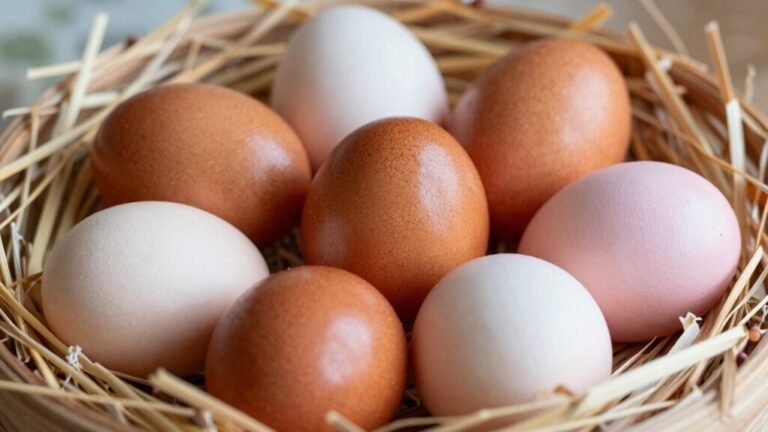
Yes, you can safely feed cooked eggs to your chickens. Cooking eliminates pathogens like salmonella while denaturing protein for enhanced digestibility. Cooked eggs provide complete amino acids essential for feather synthesis and eggshell quality when paired with calcium supplements. They’re rich in B-vitamins that promote metabolism and laying performance. However, you’ll want to serve them as occasional supplements—roughly one egg per three to six hens every one to two weeks—to maintain nutritional balance without encouraging undesirable behaviors that raw eggs can trigger.
Why Cooking Eggs Is Essential for Chicken Health
When you feed raw eggs to your flock, you’re introducing multiple health and behavioral risks that cooking effectively eliminates. Raw eggs harbor pathogens like salmonella that your chickens’ gut microflora can’t fully combat, compromising digestive safety. Chickens are social animals that thrive in flocks, and even their diet should support their overall well-being. Cooking denatures egg protein into forms your birds digest more efficiently while providing pathogen prevention through heat treatment. Feeding raw eggs can also lead to chickens developing persistent egg-eating habits, which can drastically reduce overall egg production. Additionally, providing a balanced diet rich in species-appropriate feed ensures your chickens receive all necessary nutrients to maintain health.
You’ll also avoid choking hazards since unprocessed eggshells require thorough grinding. Cooked eggs prevent chickens from recognizing shells, eliminating the egg-eating habit that devastates your flock’s production. Adding nutritious ingredients like dark leafy greens and seeds to cooked eggs enhances their nutritional value beyond the protein alone. By scrambling or boiling eggs without seasonings, you’re protecting your chickens’ nervous, cardiac, and digestive systems while complementing their complete nutrient feeds safely. Providing cooked eggs, especially to weak or young chicks, ensures they receive essential nutrients and protein crucial for their growth and well-being.
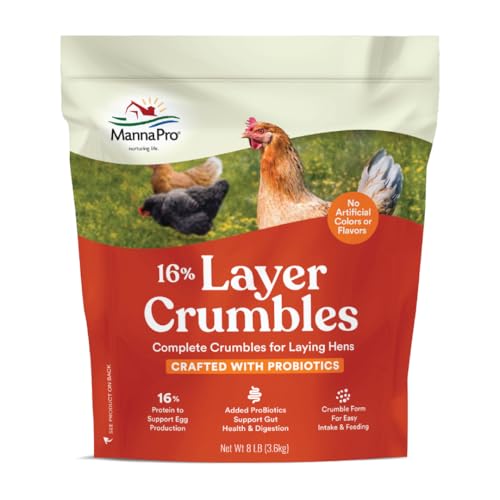
COMPLETE CHICKEN FEED FOR LAYING HENS: Manna Pro Chicken Feed delivers complete nutrition designed for laying hens, supporting strong egg production, healthy feathers, and overall wellness; balanced formula helps maintain optimal health in backyard flocks

Rich yellow yolks - A high level of xanthophyll, a coloring agent derived from marigolds, produces deep yellow egg yolks
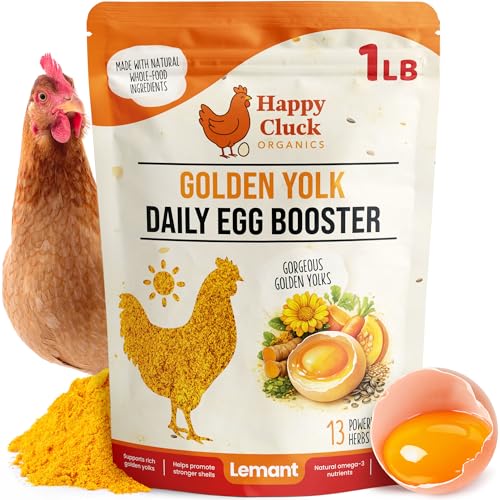
13 WHOLE-FOOD HERBS IN EVERY DAILY SCOOP - This Daily Egg Booster for Chickens packs 13 functional whole-food ingredients into every daily scoop. Each 1 LB pouch blends pumpkin powder, carrot powder, turmeric, milled calendula flowers, stabilized flaxseed, black oil sunflower meal, brewer's yeast, dual-grade calcium carbonate, kelp meal, chili flakes, rosemary extract, and standardized marigold extract into a single premium chicken vitamin and supplement for daily backyard flock nutrition.
Nutritional Benefits of Cooked Eggs for Your Flock
Since cooked eggs provide a complete protein source with all essential amino acids your flock requires, they’re particularly valuable for supporting egg production, maintenance, and recovery in underweight or molting birds. Eggs deliver sulfur-containing amino acids—methionine and cysteine—that are limiting in many poultry diets and essential for feather synthesis. Additionally, providing calcium supplements like oyster shells can further enhance eggshell quality in your laying hens. Furthermore, using proper restraint techniques during feeding can help ensure all flock members have access to the nutritious food. Incorporating homemade snacks can also enhance the overall diet by providing additional vitamins and minerals that complement the protein in cooked eggs.
Cooked egg yolks contribute concentrated energy from fats and fat-soluble vitamins (A, D, E), enhancing protein absorption and supporting immune function. The B-vitamin content, including B12 and folate, promotes energy metabolism and laying performance. To complement the nutritional profile of cooked eggs, consider offering calcium-rich vegetables like broccoli and cauliflower to support overall skeletal health.
However, maintain proper energy balance by adjusting your base diet when incorporating eggs regularly. Their high fat content can skew energy-to-protein ratios if overused, potentially causing unwanted weight gain while providing nutritional benefits.
Proper Methods for Preparing Eggs for Chickens
Preparing eggs safely for your flock requires careful attention to selection, cooking technique, and storage to eliminate pathogens and prevent behavioral problems. Start with egg selection by choosing fresh eggs that pass the float test and discard any showing cracks, odor, or mold. Your cooking techniques should prioritize hard-boiling eggs until both yolks and whites are completely firm, or scrambling them thoroughly without added salt or seasonings. Cooked eggs are particularly recommended over raw or undercooked eggs, as they encourage dangerous egg-eating behavior. Additionally, be cautious when feeding chickens any food that might have been contaminated by toxic plants or harmful substances. Cooked eggs not only provide necessary nutrients but can also serve as a source of protein and vitamins for your chickens. A diverse diet, including whole grains, can further enhance the health benefits of your flock, as proper feed composition is vital for optimal growth and overall well-being. After cooking, cool eggs to room temperature before serving. Mash or chop them into small pieces to reduce choking risk and facilitate mixing with regular feed. For additional nutritional benefits, you can mix cooked eggs with regular feed to create a complete protein supplement. Store leftover cooked eggs in covered refrigerated containers and discard within standard food-safety timeframes to prevent spoilage and bacterial growth.

LAYER BLEND: Our Non-GMO layer mash is a complete feed fortified with minerals and additional calcium, ensuring quality eggshells. This blend of cracked grains includes probiotic for digestive health and higher omega 3 levels from linseed (flax) oil. Ideal for supporting your flock's overall health and egg-laying productivity.
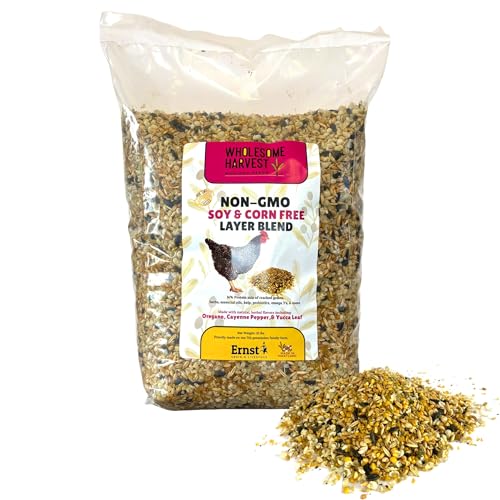
LAYER BLEND: Our Non-GMO layer mash is a complete feed fortified with minerals and additional calcium, ensuring quality eggshells. This blend of grains includes probiotic for digestive health and higher omega 3 levels from linseed (flax) oil. Ideal for supporting your flock's overall health and egg-laying productivity.
How Often Should You Feed Eggs to Your Chickens
You’ll want to treat cooked eggs as an occasional supplement rather than a dietary staple, limiting them to roughly once every 1–2 weeks to maintain nutritional balance in your flock. Some breeds of chickens are known to produce more eggs than others, making it essential to prioritize their primary nutrition source. Follow treatment guidelines by restricting total treats to 5–10% of daily caloric intake, ensuring layer feed remains your birds’ primary nutrition source. It’s important to keep in mind that just like with tortilla chips, excessive feeding of treats can lead to health issues. Providing adequate calcium sources is crucial for maintaining strong eggshell quality, especially as some breeds may have higher calcium needs. Additionally, ensure that your layer feed meets essential nutrition requirements to support optimal hen health and egg production.
Adjust feeding frequency based on your flock’s production stage. During molting, increase cooked-egg treats to once weekly to support feather regrowth. For sick or recovering birds, offer cooked eggs daily short-term under supervision. During peak lay, revert to minimal supplemental protein to preserve calcium availability for shell formation. Chickens typically drink roughly 1 quart of water per pound of food consumed, so ensure adequate hydration when introducing protein-rich egg supplements.
Serve approximately one egg per 3–6 hens, breaking pieces into small portions to prevent rapid consumption and pecking disputes.

SUPPORT EGG PRODUCTION AND QUALITY: Enhance is formulated to help birds replenish key nutrients like calcium needed for egg production and improve overall egg quality for all poultry species 8 weeks of age and older.

CHICKEN SCRATCH THAT SUPPORTS STRONG, PROTECTIVE EGGSHELLS: Daily chicken treat that is enhanced with added calcium to help support firm eggshell formation and healthy laying hens.

HUMAN GRADE INGREDIENTS: Ethically made in the USA, All production is supervised by an on-site USDA Inspector and has the highest scores in food manufacturing safety.
Dangers of Feeding Raw Eggs to Chickens
While raw eggs contain valuable nutrients, feeding them to your chickens introduces significant health and behavioral risks that outweigh their nutritional benefits. You expose your flock to salmonella risk, particularly from contaminated shells or internal hen tract bacteria. Free-range operations report less than 1% contamination rates, while caged systems reach 30%—demonstrating environmental transmission severity. Furthermore, similar to mites in chickens, raw eggs can lead to stress and health decline in your flock. Providing a complete layer feed that includes nutritionally balanced sources is essential for maintaining overall hen health. Additionally, fostering creative names for your chickens can help strengthen the bond with your flock, making feeding time more enjoyable. Feeding raw eggs can also lead to a diet imbalance, as they lack the nutritional variety needed for chickens’ dietary health.
More problematically, you’ll encourage persistent egg eating behavior. Once chickens recognize raw eggshells as food, they’ll consume their own eggs, drastically reducing hatchability and production. This habit proves difficult to break within flocks. Additionally, unground shells pose choking hazards and impaction risks. Cooked eggs should be offered in moderation as treats, as they should not exceed 10-15% of the total diet to prevent nutritional imbalances.
Cooking eliminates these dangers entirely. Heat kills bacteria, prevents behavioral problems, and maintains your flock’s productivity while safeguarding individual bird health. Offering access to clean water and a varied diet can also support your birds’ overall well-being, which contributes to consistent egg production.
Complementary Treats and Balanced Nutrition
Cooked eggs serve as a nutrient-dense complementary treat that can meaningfully supplement your flock’s protein and micronutrient intake during periods of physiological stress. You’ll want to limit treat frequency to under 10% of daily intake, offering 1–2 cooked eggs per 4–6 hens to prevent nutrient imbalance and obesity. Increase protein supplementation during moult, broodiness, or post-illness when your birds require additional calories and amino acids for recovery. It’s important to remember that protein sources like cooked eggs can enhance overall diet quality when combined with balanced feed.
You must maintain formulated layer feed as your flock’s primary diet to guarantee adequate calcium for eggshell quality. Present cooked eggs finely chopped or mashed, mixed with grit or greens, to promote even distribution and reduce pecking aggression. Monitor your birds’ shell quality and production closely after introducing egg treats, adjusting frequency as needed to sustain peak laying performance. The essential amino acids in cooked eggs support muscle maintenance and development in your hens, contributing to their overall metabolic processes and long-term flock health.