You can safely feed beans to your chickens, but proper preparation is essential to avoid potentially fatal toxicity. Raw beans contain dangerous lectins that must be neutralized through thorough cooking – boil them for at least 30 minutes after soaking. Once properly prepared, beans offer excellent protein, minerals, and fiber for your flock’s diet. Limit portions to 10-15% of daily feed intake. Understanding the specific preparation requirements will guarantee your chickens benefit from this nutritious supplement.
The Hidden Dangers of Raw Beans for Chickens
Although chickens are known for their diverse eating habits, raw beans pose a severe and often fatal threat to their health due to a potent toxin called phytohaemagglutinin.
This dangerous compound acts swiftly, causing raw bean toxicity within an hour of ingestion. When your chickens consume even small amounts of uncooked beans, the toxin binds to their intestinal walls, creating severe damage and disrupting essential functions. Poisoning symptoms include intense digestive distress, diarrhea, vomiting, and rapid dehydration.
You’ll find kidney beans are particularly hazardous, containing the highest concentration of these harmful lectins. While chickens may instinctively avoid raw beans, you must make certain they never have access to uncooked beans, bean plants, or sprouted beans, as there’s no cure once poisoning occurs. Only boiling for 20 minutes can effectively break down these dangerous toxins and make beans safe for your chickens to eat.
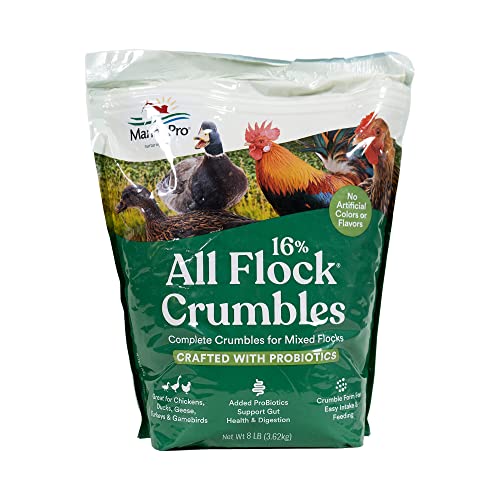
COMPLETE ALL FLOCK FEED FOR MIXED BACKYARD FLOCKS: Versatile poultry feed & all flock feed designed to support chickens, ducks, turkeys, geese, & more; a balanced bird food that simplifies feeding a diverse species in your backyard or homestead
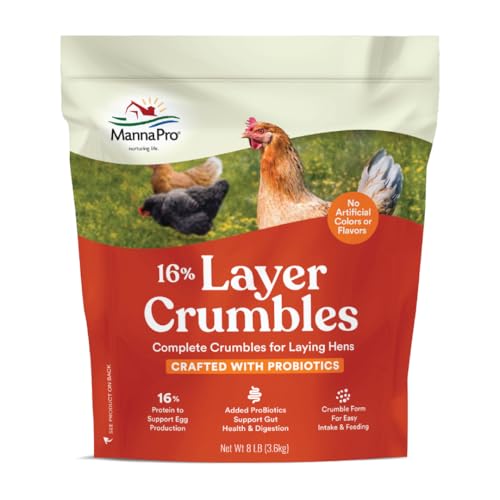
COMPLETE CHICKEN FEED FOR LAYING HENS: Manna Pro Chicken Feed delivers complete nutrition designed for laying hens, supporting strong egg production, healthy feathers, and overall wellness; balanced formula helps maintain optimal health in backyard flocks

Rich yellow yolks - A high level of xanthophyll, a coloring agent derived from marigolds, produces deep yellow egg yolks
Proper Bean Preparation Methods for Poultry Safety
Preparing beans correctly can mean the difference between a healthy treat and a lethal hazard for your chickens. To guarantee safety, you’ll need to implement proper soaking techniques by submerging beans in cold water for at least five hours, then discarding the water to remove leached toxins. After rinsing thoroughly, you must cook the beans at high temperatures.
Raw beans contain phytohaemagglutinin, which can kill chickens within an hour of consumption. Rapid boiling for 30 minutes or high-pressure cooking for 20 minutes is essential to neutralize harmful lectins. Don’t rely on slow cookers, as they won’t reach sufficient cooking temperatures to deactivate toxins. For kidney beans, which contain particularly high toxin levels, strict adherence to these preparation methods is vital. Alternatively, you can sprout beans to reduce toxic compounds naturally, though you’ll still need to monitor portions carefully to maintain your flock’s nutritional balance.
Nutritional Benefits of Cooked Beans in Chicken Feed
While raw beans pose risks to chickens, properly cooked beans deliver substantial nutritional benefits as a feed component. As protein sources, cooked beans contain approximately 9g of protein per 100g serving, supporting muscle development and egg production. They’re rich in essential minerals like calcium (46mg/100g) and phosphorus (147mg/100g), contributing to bone health and stronger eggshells. Research shows that autoclaving at 102ºC significantly improves growth rates and feed conversion in chickens. Sprouted beans provide a safe alternative when properly germinated to eliminate harmful compounds.
You’ll find beans provide significant metabolizable energy, ranging from 2,770 to 3,500 kcal/kg when properly processed. Their dietary fiber content (~9g per 100g) promotes digestive health and maintains gut microflora balance. For best nutritional balance, consider incorporating diverse legume varieties like faba beans at 160-250g/kg in feed formulations. This approach not only guarantees adequate nutrition but also supports sustainable feeding practices by reducing dependence on imported soybean meal.

Make Mealtime Delicious: Real chicken is the #1 ingredient for slow-cooked real Cesar wet dog food to make mealtime delicious


The information below is per-pack only
Warning Signs of Bean-Related Health Issues
When chickens consume raw or improperly prepared beans, several distinct warning signs emerge that require immediate attention. Watch for gastrointestinal distress, including diarrhea and vomiting, as initial toxicity symptoms. You’ll notice your birds becoming lethargic and showing reduced feed intake, often accompanied by depression-like behavior. These symptoms mirror those seen with exposure to severely toxic plants, which can rapidly become life-threatening.
Critical emergency response is needed if you observe muscle tremors, seizures, or unsteady gait, as these indicate nervous system involvement. Look for pale combs and wattles, which can signal systemic illness. In severe cases, respiratory distress and paralysis may develop within hours. If your chickens have accessed raw beans or show these symptoms, isolate affected birds immediately and consult a veterinarian. Additionally, check stored beans regularly for signs of fungal growth, as mycotoxins can cause similar health issues.
Best Bean Varieties for Your Backyard Flock
After understanding the warning signs of bean toxicity, selecting the right bean varieties becomes a key factor in safely feeding your flock. Mung beans and green beans stand out as the safest options due to their low toxin concentrations, while kidney, pinto, and lima beans require thorough cooking before feeding. Your flock’s bean variety preferences may vary, but most chickens readily accept properly prepared mung and green beans.
You’ll need to monitor your chicken dietary habits when introducing new bean varieties. While some flocks might reject dry split peas and lentils, they often accept these legumes when cooked or sprouted. For ideal results, start with small portions of well-prepared mung or green beans, then gradually introduce other varieties once you’ve established your flock’s preferences. A mixture containing wheat or rice combined with legumes can make the beans more appealing to hesitant eaters.

A wholesome dried legume that can be used in soups, stews, casseroles and salads

FOR COOKING AND SPROUTING: Mung beans are one of the most popular sprouting products in use today

1.5 LBS PACK OF MUNG BEAN SEEDS - Packed with over 15,000 mung bean seeds, this 1.5 lbs pack offers ample supply for sprouting or microgreens cultivation. Enjoy consistent, high-yield results, perfect for anyone seeking fresh, nutritious additions to their meals or a reliable indoor gardening option.
Safe Feeding Guidelines and Portion Control
Since proper preparation determines bean safety for chickens, you’ll need to follow strict guidelines for both cooking and portioning. Start by thoroughly soaking and cooking dried beans to neutralize harmful phytohaemagglutinin, then allow them to cool completely before serving. Monitor portion sizes carefully, providing approximately 1 cup of cooked beans per 10 chickens daily.
Establish consistent feeding frequency while maintaining proper ratios – beans shouldn’t exceed 10-15% of your flock’s daily feed intake. You’ll need to introduce beans gradually and watch for signs of digestive distress. Sprouted beans can provide a safe alternative to cooking. Always verify fresh water is available, as beans’ high fiber content requires adequate hydration. For laying hens, remember that while beans offer protein, they don’t provide sufficient calcium, so continue supplementation. Never feed canned beans due to excessive sodium content.

All-Purpose Seasoning: Enhance your meals with Badia Complete Seasoning, a versatile spice blend perfect for meats, vegetables, soups, and more


No hydrogenated fats or high fructose corn syrup allowed in any food
Essential Precautions When Growing Beans Near Chickens
Growing beans near chickens requires strategic planning to prevent exposure to toxic compounds like hemagglutinin. Your bean plant placement should prioritize vertical growing methods, using trellises or coop roofs that keep plants out of your flock’s reach while providing beneficial shade. Install fencing solutions and physical barriers between chickens and bean growing areas to prevent accidental consumption of toxic raw beans, leaves, or fallen pods. Cooking neutralizes lectin in beans, so ensure any bean products given to chickens are properly prepared.
Regularly monitor your garden space for plant debris and maintain strict separation between bean growing zones and chicken activity areas. You’ll need to be particularly vigilant about removing fallen pods and preventing access to compost piles containing bean plant material. Consider incorporating other non-toxic plants near your bean crops to minimize overall risk to your flock.