You can offer pickles to your chickens occasionally, but you’ll need to exercise caution. Their sodium content—300–3,600 mg per 100g—far exceeds fresh cucumbers and can disrupt electrolyte balance, particularly in young birds. The high acidity may irritate digestive tissues and hinder nutrient absorption. Limit portions to 1–2 small slices weekly, rinse them thoroughly, and soak in fresh water to reduce salt. Avoid pickles entirely for chicks under 16 weeks. Understanding the specific preparation methods and monitoring protocols will help you safely incorporate them into your flock’s diet.
What Are Pickles and How Do They Differ From Fresh Cucumbers?
Transformation through fermentation or acidic immersion distinguishes pickles from their fresh counterparts. You’ll notice that fresh cucumbers remain raw, mild, and watery—designed for immediate consumption with a brief 7-10 day shelf life. Conversely, pickle varieties undergo souring via lacto-fermentation or vinegar-based acidic solutions, fundamentally altering texture and flavor. According to USDA standards, pickles must meet specific size and quality requirements to be officially classified as pickles.
The cucumber types also differ botanically. Slicing cucumbers are longer, thicker-skinned varieties bred for fresh eating, featuring sweeter flesh and uniform dark green appearance. Pickling cucumbers, however, are shorter, stouter specimens with increased spines and drier flesh—specifically cultivated to absorb brine while maintaining crunchiness. Fresh cucumbers help keep chickens hydrated, which is crucial, especially in hot weather. Interestingly, chickens contribute to monitoring disease presence in their environment, drawing attention to their vital role as sentinel animals alongside the more traditional diets.
You’ll find that pickling processes impart a characteristic tangy flavor absent in fresh produce. The fermentation or acidic immersion creates firmer texture, preventing the mushiness that’d occur if you pickled slicing varieties instead.
Nutritional Composition of Pickles Versus Cucumbers
While fresh cucumbers and pickles share common botanical origins, their nutritional profiles diverge markedly due to processing methods. You’ll find that pickle processing dramatically alters mineral composition—sodium content skyrockets from ~2 mg/100g in cucumbers to 300–3,600 mg/100g in pickles, creating an unfavorable sodium-to-potassium ratio that can disrupt electrolyte balance. Additionally, feeding chickens too many high-sodium junk food options can lead to potential health issues.
Pickle processing also concentrates dietary fiber (~1.0 g/100g versus ~0.5–0.9 g/100g) while reducing water-soluble vitamins like vitamin C and folate. Fermented pickles provide unique probiotics not found in raw cucumbers, though this benefit may be minimal for poultry digestion. Calories remain negligible in both (~11–15 kcal/100g), and protein and fat contribute minimally to poultry nutrition.
These nutritional differences mean you must carefully consider portion sizes and frequency when offering pickles to chickens, particularly regarding sodium intake.
Health Risks Associated With Feeding Pickles to Chickens
Beyond the sodium concerns highlighted above, feeding pickles to chickens introduces several distinct health risks that warrant careful consideration. Microbial risks pose substantial threats; contaminated or improperly fermented pickles can harbor Salmonella, Listeria, or pathogenic bacteria causing enteritis and gastrointestinal illness in your flock. Toxic additives commonly found in commercial pickles—including onions, garlic, artificial sweeteners like xylitol, and preservatives such as sodium benzoate—can trigger hemolytic anemia, hypersensitivity reactions, or acute toxicity. An inappropriate diet can lead to nutritional deficiencies that further compromise your chickens’ health. High acidity irritates crop and gizzard mucosa, potentially causing crop stasis and diarrhea. Spicy seasonings disrupt gut flora balance and reduce feed intake. Additionally, repeated brined pickle consumption stresses kidney function and electrolyte regulation, potentially compromising long-term health and reproductive performance in your birds. Moreover, chickens that are typically raised for egg production require specific care to ensure their overall health and productivity. When introducing any new food, it is important to monitor chicken behavior after consumption for signs of tolerance or distress.


Tangy Spicy Andhra Pickle

Gangothri Gongura Andhra Chicken Pickle – Bold, Spicy, and Tangy Indian Delicacy
Sodium Content and Its Effects on Poultry
Since pickles derive their flavor and preservation properties primarily from salt content, understanding sodium’s physiological effects on your flock is essential before offering these treats. Standard dill pickle spears contain 306 mg sodium—13% of the human daily recommendation—making them problematic for poultry with limited salt tolerance.
Your chickens experience significant dehydration risks from excessive sodium intake. High salt consumption disrupts their electrolyte balance, potentially causing kidney dysfunction and salt poisoning, particularly in young chicks displaying acute sodium sensitivity. The condition becomes increasingly dangerous with chronic exposure. Vitamin K deficiency may also occur in chickens consuming excessive pickled vegetables due to altered nutrient absorption patterns. In fact, providing chickens with high-sugar fruits like watermelon can be a healthier alternative to help mitigate the impact of sodium-rich foods.
To mitigate these concerns, select low-sodium varieties containing under 20 mg per serving, or choose options with 25% reduced sodium compared to traditional pickles. Maintain constant fresh water availability when introducing any salty foods to your flock.
![[PICKLES] - The Vintage Pickle - 79% Less Sodium & Sugar Free - Classic Deli-Style Pickles with Bold, Tangy Flavor & Old-School Crunch - Savory Gourmet for Sandwiches, BBQ & Snacks - 17 Oz](https://m.media-amazon.com/images/I/411DLuMCJ6L._SL500_.jpg)
TIMELESS FLAVOR IN A JAR - Enjoy the irresistible crunch and bold tangy flavor that only our Classic Vintage Pickles can provide. Carefully crafted to deliver an unforgettable burst of taste, these pickles evoke nostalgia while showcasing exceptional craftsmanship in every bite.

Organic reduced sodium dill pickles
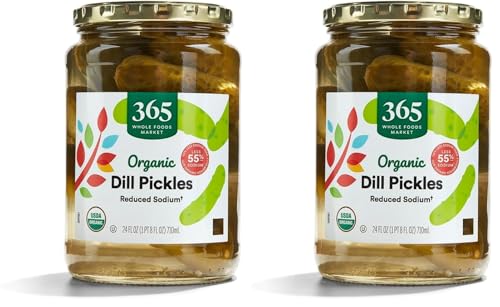
The information below is per-pack only
Acidity, Additives, and Digestive Concerns
Pickles’ acidic environment presents a second concern that deserves careful consideration before offering them to your flock. While certain Lactobacillus strains demonstrate high acidity tolerance at pH 2.0–2.5, pickle vinegar can disrupt your chickens’ digestive efficiency. Your birds’ gut microbiota requires balanced acidification to thrive—excessive acid from pickles may promote harmful lactate accumulation, triggering pro-inflammatory responses and oxidative stress. Additionally, pickle additives like preservatives and spices can stress absorptive cells already burdened by high feed intake. Non-encapsulated organic acids lose efficacy through pH neutralization during transit, potentially destabilizing your flock’s microbial balance. Providing species-appropriate feed designed for chickens ensures their nutritional needs are met and supports a healthy digestive system. Moreover, offering your chickens fresh water constantly is crucial for optimizing their digestive processes. Furthermore, integrating natural protein sources such as grub worms can enhance dietary diversity and improve overall health. Research shows that short-chain fatty acids from controlled fermentation support immune function and pathogen control, demonstrating why engineered probiotic delivery is superior to unregulated pickle consumption. To maintain peak digestive health, you’d better avoid pickles and instead prioritize controlled probiotic and prebiotic supplementation designed specifically for poultry. It’s also important to note that a hen’s reproductive cycle typically enables them to lay nearly one egg each day, emphasizing their need for a balanced layer feed containing 16-18% protein, which is essential for supporting egg production and overall health in laying hens.
Safe Feeding Guidelines and Portion Control
While the previous concerns about pickle acidity and additives highlight genuine digestive risks, you can safely offer pickles to your flock by adhering to strict portion controls and monitoring protocols. Limit portion sizes to 1–2 small slices per adult bird, keeping total pickle treats to less than 10% of daily caloric intake. Space feeding frequency to once weekly or less to minimize sodium accumulation. Pre-portion and rinse pickles before distribution, then track servings in a simple log. During hot weather, skip pickle treats entirely due to dehydration risks. Additionally, ensure that sunflower seeds are offered sparingly, as they are calorie-dense, and could lead to a preference for treats over balanced feed. Monitor your birds for increased water consumption, abnormal droppings, or behavioral changes within 48 hours post-feeding. Suspend treats immediately if illness occurs, and consult your veterinarian before offering pickles to birds on medically restricted diets. Baby chicks under 16 weeks should never receive pickles due to digestive sensitivity at this developmental stage.

PREMIUM SNACK: Provide your feathered friends with a delicious and wholesome snack experience. Packed with protein-rich mealworms and real fruit, these treats offer a perfect balance of nutrition and flavor for your flock.

Premium Quality Chicken Treats: Specially formulated, high-quality chicken snacks for laying hens, ensuring only the best for your pet chickens
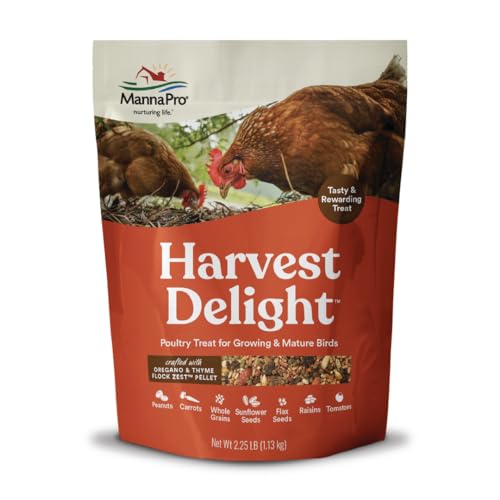
NUTRITIOUS CHICKEN TREATS FOR LAYING HENS & FLOCKS: Wholesome mix offers fun & nutrition in one tasty snack; these premium chicken treats for laying hens encourage natural pecking behavior, support strong eggs, & are a perfect choice for backyard flocks
How to Prepare Pickles Before Offering Them to Your Flock
Knowing your flock’s safe consumption limits isn’t enough—you’ll also need to master proper preparation techniques to minimize the sodium and additive risks that pickles naturally carry. Start by rinsing pickles thoroughly under running water to remove surface brine, then soak them in fresh water for 5–30 minutes to leach interior salt. Slice or chop pieces to expose inner tissue and accelerate desalting. It’s essential to provide chickens with a balanced diet, including essential vitamins to ensure their overall health. Additionally, incorporating treats like blue egg-laying chicken breeds in your flock can enhance their diet variety. Pat everything dry with a clean towel before serving. Always inspect for mold, sliminess, or off-odors—discard compromised pickles immediately. Remove whole spices and large garlic cloves to prevent choking. Historical records show that Christopher Columbus provided pickles daily to his crew, demonstrating the long-standing practice of using pickles as a dietary staple for health preservation. This preparation process not only assures safety but also allows chickens to enjoy homemade chicken treats, promoting their overall well-being. This pickle preparation process guarantees safe serving by dramatically reducing sodium concentration and eliminating hazardous inclusions that could harm your birds.

NATURAL DOG TREATS: Chip’s Naturals Doggie Chicken Chips have no added fillers, preservatives, additives, colors, or chemicals. They are simple, single-ingredient high-quality chicken treats for dogs.

Sizzle, Pork And Mmm! SPAM Lite has a mouthwatering taste that kicks up any breakfast, lunch or dinner meals: omelets, mac & cheese, burgers
Healthier Treat Alternatives for Chickens
Since pickles carry inherent sodium and additive risks, you’ll want to contemplate healthier treat alternatives that deliver nutritional benefits without compromising your flock’s health. You can offer safe snacks like frozen berries, which lower body temperature during summer months while providing essential vitamins. Dried mealworms and black soldier fly larvae supply high-quality protein critical for feather development and egg production. You’ll find that cucumber slices and leafy greens like spinach hydrate effectively without excess sodium. Additionally, understanding the cloaca’s structure helps ensure your chickens are healthy enough to enjoy these treats without digestive issues. Flock blocks and cool-down treats filled with fruits, vegetables, and herbs provide year-round nutritional supplementation. Peanut butter mixed with oats creates nutrient-dense treats supporting overall health. Homemade chicken treat recipes can be flexibly adjusted using kitchen scraps and seasonal ingredients to reduce waste while maintaining nutritional value. These treat alternatives maintain peak nutrition while avoiding the sodium content and preservatives found in pickled products, ensuring your chickens receive wholesome sustenance.

HIGH PROTEIN POULTRY TREAT: Mealworms provide 50% source of all-natural protein, delivering a nutritious, high-energy treat for poultry that supports healthy growth, vitality, and overall well-being while encouraging natural foraging behavior.

Premium Quality Chicken Treats: Specially formulated, high quality chicken snacks for laying hens, only the best for your pet chickens

Mealworm Goodness: Savor the goodness of dried mealworms for birds as food for laying hens & bird food for outside wild birds. Our non-GMO mealworms for chickens, pets, & wildlife make these dried meal worms for wild birds an ideal chicken accessory & chicken food for laying hens
Monitoring Your Birds After Introducing New Foods
After you’ve offered pickles or any novel food to your flock, careful observation during the first 24–72 hours becomes essential for detecting adverse reactions before they progress. Check feed and water intake twice daily for reductions exceeding 10% from baseline. Inspect droppings for color changes, consistency shifts, or undigested material. Palpate crops in morning and evening to identify delayed emptying or firmness. In addition, ensuring that the coop is predator-proof will help maintain a stress-free environment for hens during dietary adjustments. Additionally, making sure that the chicken water system is clean and functioning can greatly aid in ensuring your birds stay hydrated during this period.
Your monitoring behavior should also track social patterns—note lethargy, hiding, or decreased activity compared to typical flock dynamics. Weigh individual birds at introduction and after 73 hours; flag weight loss surpassing 5%.
Establish documentation practices by maintaining a written log recording quantity offered, timing, which birds consumed the food, and any clinical signs for one week post-introduction. This systematic approach enables early intervention if complications arise. Remember that fresh water availability must be maintained throughout the monitoring period, as proper hydration supports the birds’ ability to process new dietary items safely.