Yes, you can feed bread to your chickens, but it should only make up 10-15% of their daily diet. While bread provides carbohydrates, it lacks essential nutrients like protein and calcium that chickens need. Too much bread can lead to obesity, crop impactions, and nutritional deficiencies. Opt for whole wheat or rye bread over white bread, and cut it into small pieces. Understanding proper portions and alternatives will help maintain your flock’s ideal health.
The Truth About Bread’s Nutritional Value for Chickens
Bread’s nutritional profile poses significant challenges when fed to chickens as a primary food source. When you feed bread to your flock, you’re providing mostly simple carbohydrates while missing essential nutrients they need for ideal health. The high carb content can lead to weight gain and metabolic issues if you don’t carefully monitor feeding frequency.
While chickens find bread highly palatable, it lacks critical protein for growth and feather development, plus calcium that’s essential for egg production and shell strength. Just as proper biosecurity practices help prevent disease transmission between different bird species, maintaining good nutrition is crucial for flock health. Your birds may fill up on bread but miss out on proper nutritional balance from their regular feed. To maintain your flock’s health, you’ll need to treat bread as an occasional supplement only, ensuring it doesn’t displace their primary nutritionally-complete feed sources. For optimal health outcomes, restrict bread portions to no more than 10% of their daily diet.

COMPLETE STARTER FEED FOR CHICKS: Specifically formulated for chicks from hatching to 16 weeks, this non-medicated chick starter feed delivers balanced nutrition and essential nutrients to support strong, healthy early growth and development.

Beautiful Golden Yolks - Our all natural formula helps bring yolks to life in a matter of days. Roosty’s Gold Dust Daily Egg Booster combines essential chicken vitamins and supplements for better immunity, vitality, and overall chicken health. Suitable for all breeds and ages

Health Risks of Feeding Bread to Your Flock
When you regularly feed bread to chickens, you’re exposing them to several significant health risks that can compromise their wellbeing. The high carbohydrate content leads to obesity risks, reducing egg production quality and stressing their cardiovascular system. More critically, bread can cause dangerous crop impactions and disorders, potentially requiring veterinary intervention. Since bread provides little nutritional value, it can actually prevent chickens from consuming their essential nutritious feed. Starting around 18 to 22 weeks, chickens begin laying eggs and require optimal nutrition to maintain consistent production.
Your flock may develop serious nutritional deficiencies since bread lacks essential proteins, vitamins, and minerals needed for immune function and proper development. The starchy nature of bread can disrupt their digestive system, causing diarrhea and poor nutrient absorption. It also interferes with natural foraging behaviors, making birds more sedentary and prone to developing aggressive competition for this unhealthy treat. Quality commercial layer feeds provide the balanced nutrition chickens need for optimal health and egg production. Over time, these issues compound, leading to chronic health problems and weakened immunity.

PREMIUM CHICKEN FOOD FOR LAYING HENS WITH OMEGA-3: High-quality chicken layer feed made for strong egg production; fortified with chicken feed omega 3 & extra chicken feed calcium to support healthy shells & provide complete daily nutrition for your hens

Rich yellow yolks - A high level of xanthophyll, a coloring agent derived from marigolds, produces deep yellow egg yolks
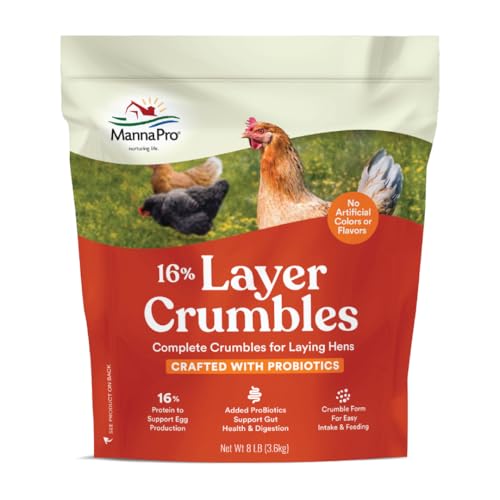
COMPLETE CHICKEN FEED FOR LAYING HENS: Manna Pro Chicken Feed delivers complete nutrition designed for laying hens, supporting strong egg production, healthy feathers, and overall wellness; balanced formula helps maintain optimal health in backyard flocks
Safe Ways to Serve Bread to Your Chickens
Although bread should never be a dietary staple for chickens, you can safely offer it as an occasional treat by following specific serving guidelines. Practice portion control by limiting bread to 10-15% of their total diet, and always serve it after they’ve consumed their regular feed. When preparing bread treats, cut them into small pieces to prevent choking and mix them with grains or seeds to avoid digestive issues.
For best serving techniques, consider drying the bread overnight or soaking it in apple cider vinegar to break down fibers. Don’t feed bread alone on an empty crop, and make sure fresh water is available during feeding. Using different types of bread and varying food types daily can help prevent chickens from becoming selective eaters. You’ll also want to use stale or slightly dried bread instead of fresh, moist varieties to minimize mold risks and potential crop problems. Consider setting up elevated feeding areas away from your garden to keep chickens from damaging your plants while they enjoy their bread treats. For added nutrition, combine bread pieces with sunflower seeds and other wholesome ingredients commonly used in homemade chicken treats.
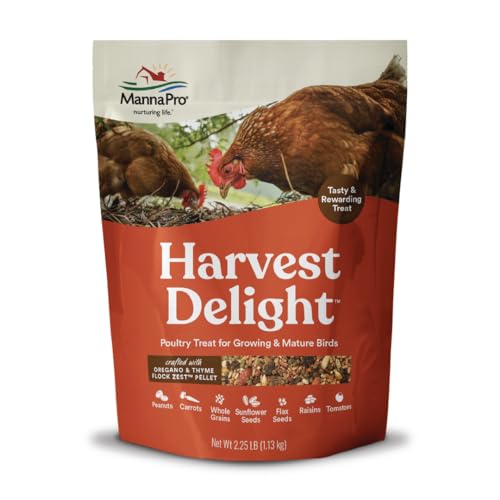
NUTRITIOUS CHICKEN TREATS FOR LAYING HENS & FLOCKS: Wholesome mix offers fun & nutrition in one tasty snack; these premium chicken treats for laying hens encourage natural pecking behavior, support strong eggs, & are a perfect choice for backyard flocks

REAL VEGGIES FOR HEALTH: Crafted with real pieces of beets, peas, sweet potatoes, and broccoli, this treat provides wholesome nutrition and natural flavors that your flock will enjoy while supporting their overall health and vitality.

Give Your Pet A Variety Of Insects In One Convenient Bag!
Which Types of Bread Are Safe for Chickens?
Understanding which bread varieties are safe for chickens can help you make informed decisions about treating your flock. Rye bread benefits include lower harmful additives and potential nutritional value from seeds and grains. Whole wheat advantages stem from higher fiber content and essential B vitamins compared to white bread alternatives. Adding oregano leaf powder to bread treats can provide natural antibiotic benefits while serving as a healthy supplement.
You’ll want to avoid white bread due to its low nutritional value and potential to cause obesity and poor egg quality. When selecting bread types, verify they’re free from harmful additives, excessive salt, and toxic ingredients like garlic or onion. Gluten-free options can work as occasional treats if they don’t contain artificial preservatives. Whatever type you choose, remember to serve it in moderation to maintain proper nutrition.

One 10-count package of Mission Soft Taco Whole Wheat Tortillas

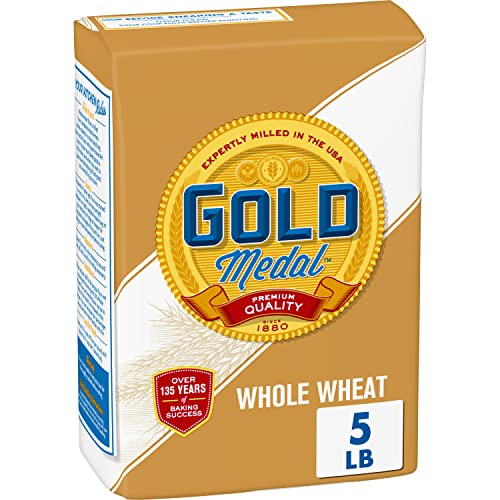
PANTRY STAPLE: Bake up feel-good recipes with flavorful whole wheat flour
How Bread Affects Your Chickens’ Digestive Health
Because bread contains high levels of rapidly digestible carbohydrates, it markedly impacts your chickens’ digestive system in multiple ways. When your chickens consume bread, the rapid sugar absorption can create digestive imbalance by altering their gut’s microbial composition. This microbial disruption weakens their immune defenses and reduces nutrient absorption efficiency. Scientific studies have shown that bread meal has a digestibility of 83% for protein.
Your chickens’ crops are particularly vulnerable to bread-related issues. Large pieces can cause impaction, while excessive bread consumption disturbs the crop’s essential microbial biome. Additionally, bread’s low fiber content disrupts normal digestive transit, and its quick-fermenting starches can lead to dysbiosis. You’ll need to be especially careful with moldy bread, as it can cause toxicity and respiratory problems. For ideal digestive health, your chickens require complex carbohydrates and dietary fiber rather than bread’s simple sugars.
Better Treat Options for Your Chickens’ Well-being
Instead of feeding bread to your chickens, you’ll find numerous nutritionally superior treats that support their health and natural behaviors. Focus on protein-rich options like cooked eggs, mealworms, and crickets to enhance egg production and muscle health. Nutrient-dense vegetables, including kale, carrots, and squash, provide essential vitamins and minerals while promoting natural foraging. Since chickens are natural omnivores, they thrive on a varied diet that includes both plant and animal sources. Sprouted seeds offer an economical and nutrient-rich option that enhances egg yolk color and overall chicken health. Wild dandelion plants provide an excellent source of vitamins and minerals while encouraging natural foraging behavior.
Create engaging treat experiences by hanging vegetables in piñata-style arrangements or crafting herb garlands with oregano, mint, and thyme. These enrichment activities stimulate physical activity and mental engagement. For ideal nutritional diversity, rotate between fresh fruits like watermelon and berries, protein sources, and leafy greens. Remember to maintain these treats as supplements to their complete feed, ensuring they don’t exceed 10% of your chickens’ daily diet.

PREMIUM SNACK: Provide your feathered friends with a delicious and wholesome snack experience. Packed with protein-rich mealworms and real fruit, these treats offer a perfect balance of nutrition and flavor for your flock.

7 GRAINS: Our scratch grains for chickens offer a high-protein, high-fiber blend of corn, wheat, milo, barley, oats, sunflower seeds, and millet, delivering essential vitamins and minerals to keep your birds healthy, energized, and thriving every day.

HIGH PROTEIN POULTRY TREAT: Critter Combo Crunch provides 43% all-natural protein in a delicious insect blend, making it an ideal high-energy treat for poultry and wild birds, supporting growth, vitality, and healthy, active behavior.