You can’t turn your female chicken into a true rooster because her ZW chromosomes lock in her genetic sex permanently. However, hormonal shifts and ovarian failure can trigger masculine phenotypes—enlarged combs, spurs, and crowing behavior. She’ll develop an ovotestis producing androgens, mimicking male characteristics without genuine sex reversal. While you’ll observe striking transformations, the biological barriers preventing actual spermatogenesis remain insurmountable, though the mechanisms behind this fascinating phenomenon warrant deeper exploration.
How Chromosomal Sex Is Determined in Chickens
Because sex determination in chickens involves coordinated interactions between chromosomal and autosomal genes, understanding this system requires examining the molecular mechanisms that direct gonadal development. You’ll find that sex chromosome-linked genes dictate whether your chicken develops male or female characteristics, while autosomal genes regulate these sex-determining genes’ activity. The Z chromosome plays an essential role in chromosomal inheritance, with DMRT1 serving as a key Z-linked gene supporting the Z-dosage model of sex determination. Your chicken’s gene expression patterns during early development establish its sexual trajectory through cell-autonomous mechanisms and DMRT1 dosage effects. Interestingly, just as certain natural herbs can enhance the health and resilience of chickens, female-biased genes in the developing gonad are enriched in metabolic processes that support early feminization pathways. These coordinated genetic interactions ultimately determine your chicken’s biological sex.
The Role of Z and W Chromosomes in Genetic Sex
While chromosomal and autosomal genes work in concert to establish your chicken’s sexual identity, the Z and W chromosomes themselves bear the primary responsibility for triggering male or female development. Your chicken’s Z chromosome carries DMRT1 and hundreds of protein-coding genes; the W chromosome, by contrast, has undergone significant degeneration, retaining only dozens of genes. Z dosage implications suggest that two Z chromosomes (ZZ males) express higher DMRT1 levels, initiating male pathway activation. Homemade laying mash can support overall health, indirectly influencing reproductive functions, including those related to sexual development. Additionally, maintaining a stress-free environment is essential for the overall well-being of poultry, which can impact their reproductive health. Recent studies indicate that chromosomal differences can also influence behavioral traits among chickens. Notably, a balanced diet rich in nutritious greens like kale can further support reproductive health. To protect their well-being, providing appropriate physical barriers can help safeguard chickens from predators such as hawks. W chromosome evolution has produced a highly reduced chromosome, with remaining genes showing female-biased or gonad-biased expression. Rather than functioning as a dominant female determiner, the W appears to carry genes supporting fertility and gonadal function. This asymmetry positions Z-dosage as the primary sex-determining mechanism in chickens. Unlike mammals, chickens lack chromosome-wide dosage compensation, which means that the expression differences between ZZ and ZW individuals are not globally regulated across sex-linked genes.
Gonadal Development and Hormone Signaling
Once the Z and W chromosomes establish your chicken’s genetic sex, that blueprint must translate into functional male or female gonads through a precisely orchestrated sequence of molecular events. Gonadal differentiation hinges on competing transcriptional circuits: SOX9 and β-CATENIN initially bias supporting cells toward Sertoli or granulosa fates, while DMRT1 and FOXL2 subsequently lock in testicular or ovarian identity. Hormone signaling completes this developmental trajectory. In females, aromatase expression produces estrogen that stabilizes ovarian fate and feminizes peripheral tissues. In males, androgen receptor signaling drives secondary sexual characteristics independent of circulating testosterone alone. Critically, this system remains plastic—altered aromatase timing or estrogen availability can shift gonadal fate, explaining how genetic females occasionally develop testicular tissue. Recent molecular studies have identified nonadditive gene expression in the GnRH signaling pathway as a key regulator of gonadal development across different chicken genotypes.
What Happens When Hormones Go Wrong
The developmental plasticity that allows genetic females to occasionally develop testicular tissue becomes problematic when environmental or dietary factors disrupt the hormonal signaling that normally stabilizes gonadal fate. When you consume commercial chicken products, you’re ingesting elevated estrogen and testosterone levels that create hormonal imbalances in your body. These exogenous hormones can dysregulate your pituitary-ovarian axis, disrupting the delicate feedback mechanisms controlling female growth and reproductive function. In poultry, these imbalances can also be influenced by Mycoplasma infections, which persist asymptomatically and may complicate the overall health of the flock. Progesterone levels drop considerably while testosterone and estrogen surge, mimicking conditions associated with polycystic ovary syndrome. Such hormonal disruption can trigger anovulation, irregular menstrual cycles, and metabolic dysfunction. The consequences extend beyond individual reproductive anomalies—chronic exposure to these imbalanced hormonal profiles increases your risk for hormone-dependent cancers and permanent metabolic dysfunction. Research demonstrates that sex-biased gene expression involves hundreds of identified genes linked to behavioral and physiological traits, suggesting that disrupted hormonal signaling can fundamentally alter developmental pathways across multiple biological systems.

Organic and Natural: Our organic chicken feed is crafted with a carefully balanced mix of high-quality ingredients to support the health of your laying hens. It’s completely corn-free, soy-free, and non-GMO, ensuring your flock gets only the best.

Healthy and Natural Growth – Our nutritionally complete whole grain layer mash with 16% protein promotes optimal health in laying chickens and ducks. Fermentable. Corn-free. Soy-free.

Healthy and Natural Growth – Our nutritionally complete whole grain starter mash with 17% protein promotes strong development and growth in chickens and ducks. Fermentable. Corn-free. Soy-free.
Sex Reversal: Can It Happen Naturally?
How does a genetically female chicken develop male characteristics? You’ll find that sex reversal can occur through natural occurrences driven by hormonal influences. When your hen’s left ovary fails due to cysts or tumors, estrogen production plummets while testosterone rises. Her right gonad transforms into an ovotestis—a hybrid structure containing both testicular and ovarian tissue—that secretes androgens promoting male traits. This process remains unidirectional; you won’t see reversals return her to full female function. However, temporary reversals are possible following infection recovery if ovarian function restores. The estimated occurrence of spontaneous sex reversal in hens is approximately one in every hundred birds, though such transformations remain rare in backyard flocks. Proper nutrition for chickens is vital for overall health, as deficiencies can impact hormonal balance, and calcium sources play a significant role in maintaining hormonal health as well. Additionally, factors such as environmental changes can also influence the health and hormonal status of chickens, which may play a role in hormonal imbalances. Though she’ll remain genetically female, you’ll observe physical changes: enlarged combs and wattles, pointed feathers, lengthened spurs, and crowing behavior. It’s important to note that behavioral differences, similar to those observed in sex-identified male chicks, may also emerge as she undergoes this transformation. Laying eggs ceases permanently, marking her phenotypic transformation to male despite her genetic identity.
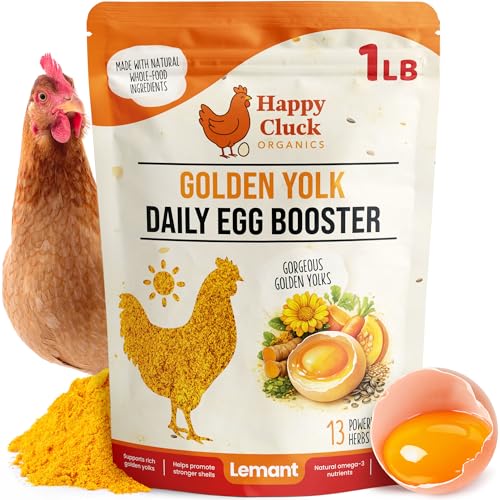
13 WHOLE-FOOD HERBS IN EVERY DAILY SCOOP - This Daily Egg Booster for Chickens packs 13 functional whole-food ingredients into every daily scoop. Each 1 LB pouch blends pumpkin powder, carrot powder, turmeric, milled calendula flowers, stabilized flaxseed, black oil sunflower meal, brewer's yeast, dual-grade calcium carbonate, kelp meal, chili flakes, rosemary extract, and standardized marigold extract into a single premium chicken vitamin and supplement for daily backyard flock nutrition.


Immunity support: our remedy supports your chicken's immune system to be ready to combat potential threats.
Gynandromorphism and Mosaic Genetics
While sex reversal involves hormonal shifts that transform a genetically female chicken’s phenotype, you’ll encounter an even more remarkable phenomenon: gynandromorphism, where individual cells maintain their own sex identity independent of hormonal influence. In mosaic gynandromorphism, you’re observing a patchwork distribution of male and female traits across the bird’s body, resulting from genetic diversity at the cellular level. Each cell autonomously expresses its sex chromosomes—ZZ for male cells, ZW for female cells—creating variable sexual dimorphism throughout the organism. You’ll notice scattered male and female cells distributed irregularly rather than forming neat bilateral divisions. This condition challenges conventional understanding of vertebrate sex development, demonstrating that genes, not hormones alone, dictate individual cell identity. Research published in Nature reveals that nearly every cell in chimeric chickens reflects an inherent sex identity independent of gonadal determination. You’re fundamentally witnessing a genuine male-female chimera at work.
Why Adult Sex Change Is Biologically Impossible
Although a female chicken can develop masculine characteristics through hormonal shifts or pathological changes, she’ll never undergo true sex change because her genetic sex—determined by her ZW chromosomes at fertilization—remains permanently fixed throughout her life. You’re facing insurmountable biological constraints: her somatic cells exhibit cell-autonomous sex identity (CASI), maintaining intrinsic sexual identity independent of hormones. Additionally, genetic limitations prevent chromosomal conversion. Her single functional ovary cannot spontaneously transform into paired testes capable of spermatogenesis. Even if ovotestis tissue develops from her rudimentary right gonad following ovarian damage, it rarely produces functional sperm. Without male reproductive structures like a fully developed vas deferens, she cannot achieve genuine male fertility. The left ovary injury can activate the undeveloped right ovary, but this developmental change remains distinct from true sex reversal. Phenotypic masculinization doesn’t erase these fundamental biological barriers.
Phenotypic Masculinization Without Genetic Change
When a hen’s left ovary sustains damage from injury, cyst, cancer, or infection, her rudimentary right gonad—normally vestigial—undergoes development into an ovotestis containing ovarian, testicular, or mixed tissue types. This ovotestis formation initiates hormone production that fundamentally alters her phenotype. The developing organ secretes androgens, triggering masculinization throughout her body while simultaneously suppressing estrogen production. You’ll observe enlarged combs, wattles, and spurs alongside male-pattern feathering and increased body mass. Her behavior shifts dramatically: she’ll crow, mount other hens, and establish dominance hierarchies characteristic of roosters. Interestingly, these changes in physical traits can sometimes lead to hens displaying male-pattern feathering commonly seen in other male birds.
Critically, her genotype remains ZW—genetically female throughout this transformation. Despite pronounced masculine characteristics and rare semen production, she’s phenotypically altered, not genetically transformed. This rare occurrence happens roughly once in every ten thousand hens. Androgen effects create an entirely cosmetic and behavioral conversion without chromosomal change, demonstrating how hormone levels reshape physical expression independent of genetic identity.

Comprehensive Women’s Hormone Test: An easy-to-use hormone test for females with simple, fast, and private results. One convenient test provides a clear picture of 5 key...
Practical Solutions for Sexing and Breeding
How can producers reliably distinguish genetic sex in chickens before phenotypic traits emerge? You’ll find that PCR-based sexing methods targeting CHD genes or W-specific markers deliver near-100% accuracy on embryo or post-hatch samples. DNA sampling from eggshell membranes, chorioallantoic fluid, or blood provides genetic confirmation regardless of phenotypic expression. For commercial operations, you’ll balance in-ovo molecular sampling—which detects sex before day 13 with high throughput—against post-hatch vent sexing by trained professionals, which reaches ~98% accuracy but requires extensive experience. Your breeding strategies should incorporate sex-linked traits when feasible, enabling visual feather sexing in specific crosses. These methods are especially important for managing breeds like the ISA Brown chickens, known for their prolific egg production. These sexing methods combined with strategic genetic selection optimize hatchery efficiency while minimizing unnecessary culling and improving welfare outcomes at scale. The Rhode Island Red chickens established chicken sexing as a teachable skill in the 1920s, demonstrating that rapid skill acquisition through repetition and pattern recognition could complement molecular approaches in modern hatcheries.