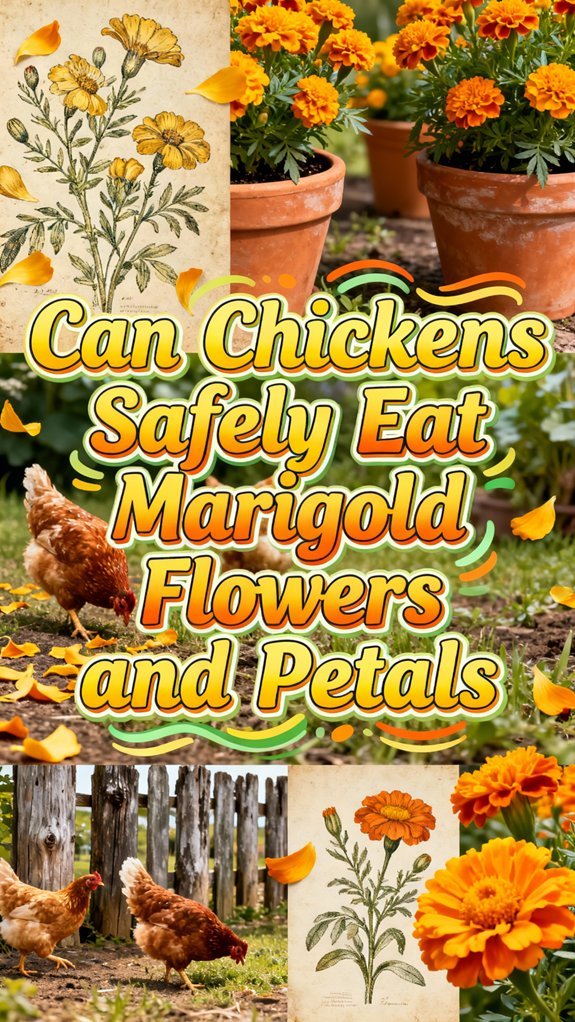
You can safely feed marigold petals to your chickens in small-to-moderate amounts without toxicity concerns. The petals contain carotenoids like lutein and zeaxanthin, which enhance yolk pigmentation and boost antioxidant capacity. Aim for approximately 3 grams of dried petals daily or 5-10 grams of marigold powder per kilogram of feed. Source organic, un-sprayed flowers to minimize chemical exposure. Harvest petals only, avoiding leaves and stems. Understanding the nuances of proper preparation and dosage will maximize these nutritional benefits for your flock.
Safety of Marigolds for Chickens
Since marigolds (Tagetes spp. and Calendula officinalis) are widely classified as non-toxic to chickens in small-to-moderate amounts, they’re generally considered safe for supplemental feeding. You’ll find marigolds commonly listed among edible flowers for poultry, with no widespread reports of acute poisoning in consulted toxicology resources.
However, you should recognize that marigold varieties contain differing phytochemical profiles, making species-level identification important before large-scale feeding. Poultry reactions remain rare, though individual birds may experience mild gastrointestinal upset or skin irritation from certain plant parts beyond petals. The antioxidants present in marigolds support overall flock wellness when properly integrated into feeding routines.
You’ll minimize chemical-toxicity hazards by sourcing un-sprayed, organically grown flowers, since pesticide residues pose greater risk than the plant itself. Monitoring your flock after initial exposure helps you identify any adverse responses and establish safe feeding protocols for your specific birds.
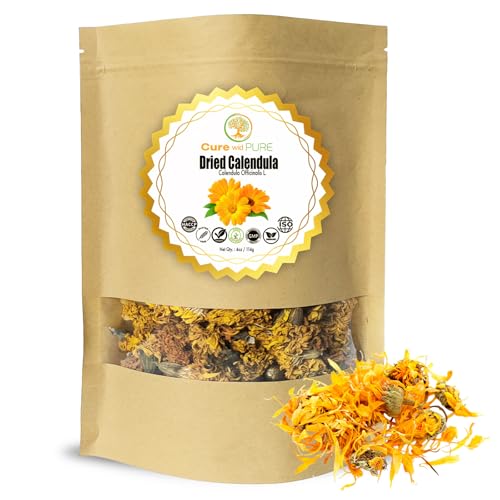
🌿 Certified Organic Calendula Flowers – Pure, Potent, Perfect Hand-picked at full bloom and gently dried to lock in their vibrant color, rich aroma, and nutrient power, these calendula flowers dried organic are your go-to for calming teas, soothing skincare, and holistic wellness remedies
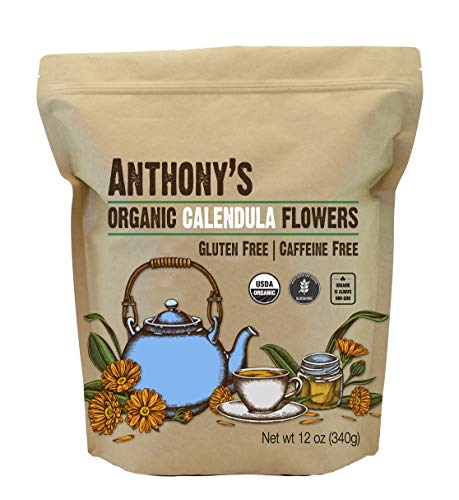
USDA Certified Organic Calendula Flowers and Petals
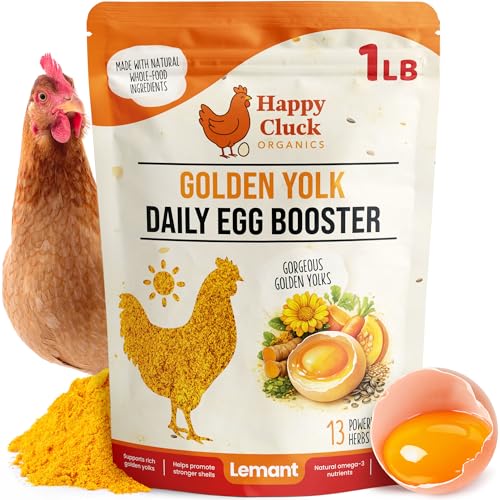
13 WHOLE-FOOD HERBS IN EVERY DAILY SCOOP - This Daily Egg Booster for Chickens packs 13 functional whole-food ingredients into every daily scoop. Each 1 LB pouch blends pumpkin powder, carrot powder, turmeric, milled calendula flowers, stabilized flaxseed, black oil sunflower meal, brewer's yeast, dual-grade calcium carbonate, kelp meal, chili flakes, rosemary extract, and standardized marigold extract into a single premium chicken vitamin and supplement for daily backyard flock nutrition.
Nutritional Benefits and Egg Quality
Certainly! Here’s the modified content following your directions:
Beyond their safety profile, marigolds offer tangible nutritional advantages that directly enhance your flock’s egg production. Marigold petals deliver carotenoids—lutein, zeaxanthin, and carotenes—that support nutritional enhancement and visible yolk pigmentation. When you supplement your hens’ diet with 5-10 grams of marigold powder per kilogram of feed, you’ll observe comparatively richer, deeper yellow or bright orange yolks within weeks. Research published in the Journal of Poultry Science demonstrates that marigold extract simultaneously lowers cholesterol levels in eggs while improving yolk color. The xanthophyll pigment absorbs efficiently, storing in feet and beaks as evidence of bioavailability. Additionally, marigolds support immune system function through their antioxidant content, contributing to overall flock health and well-being. Interestingly, all parts of the marigold plant, including the nutritious petals, are suitable for chickens and can enhance their diet, producing eggs with superior color and a healthier nutritional profile—all without synthetic additives.


BACKYARD FLOCK WELLNESS– Herbal “chicken powder” style blend to support a healthy gut and natural defense for backyard chickens; a daily wellness chicken option for routine care.

Adjustable chin with throat snap.
Health Properties and Antioxidant Effects
While marigold’s ability to enhance egg yolk color is visually striking, the flower’s true value lies in its potent antioxidant composition and measurable effects on your flock’s systemic health. Marigolds function as exceptional carotenoid sources, delivering lutein and zeaxanthin—lipid-soluble compounds that concentrate in tissues and egg yolks rather than being rapidly excreted. Research demonstrates that dietary marigold supplementation increases your birds’ antioxidant capacity in dose-dependent ways, with trials using 15–120 mg lutein/kg diet showing linear improvements in plasma antioxidant enzyme activity and reduced oxidative damage markers. These antioxidant benefits manifest within standard production cycles, protecting meat quality through decreased lipid oxidation and preserving yolk integrity during storage. The anti-inflammatory properties of marigolds also support skin and muscle health in your flock, contributing to overall wellness beyond antioxidant function.
Pest Control and Parasite Management
Marigold plantings around your coop and run create a supplementary pest-management layer through production of volatile compounds—including pyrethrum-like substances and terpenoids—that deter insects locally and reduce the insect-source populations that could otherwise infest your flock. Marigold efficacy varies by species; French marigolds demonstrate the most potent pest deterrence in backyard poultry contexts. You’ll maximize effectiveness by incorporating dried marigold petals into nesting boxes and dust baths, where concentrated volatiles repel mites, lice, and flies at contact sites. Additionally, incorporating homemade chicken treats that include marigold petals can provide extra nutrition while keeping your chickens entertained. Marigolds also enhance yolk color while improving the appearance of your chickens’ beaks and legs. Sprouted lentils are another nutritious addition to their diet, providing essential vitamins and minerals. The neural networks within chickens’ spinal cords allow them to maintain movement and coordination even in adverse conditions. However, this approach works best when combined with coop hygiene and integrated pest management practices. Securing the chicken coop is essential to protect your flock while employing these methods, ensuring that pests are kept at bay. Marigold volatiles aren’t effective against internal parasites and shouldn’t replace targeted treatments during heavy infestations. Regular inspections help ensure the effectiveness of all preventative measures against pests and snakes. Repellent potency declines as volatile compounds dissipate over time.
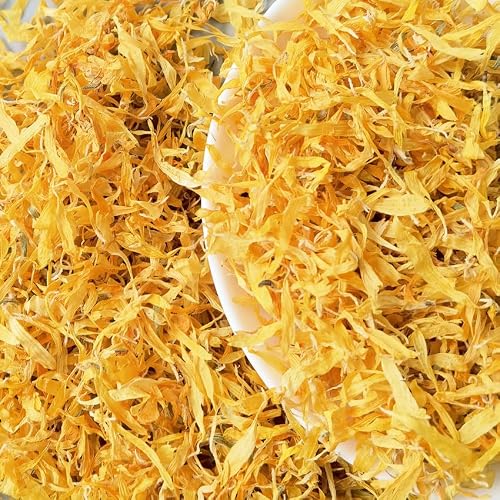
100% PURE CALENDULA PETALS: Our product contains only one ingredient—whole Calendula petals (Calendula officinalis), also known as Pot Marigold. No fillers, no additives, no preservatives. Just pure, sun-kissed flowers.

Marigold Flower Petals are great for homemade aromatherapy, essential blends, tea blends, homemade herbal remedies, bath salt blends and potpourri.

Vibrant Flower Combination: This 3 oz blend of dry flowers offers a balanced and colorful mix of calendula petals, white chrysanthemum, and rose petals, making it a perfect choice for flower sprinkles in bath soaks, crafts, or decorative use
Which Parts of the Plant Are Safe
Since you’re considering marigolds for your flock’s health and pest management, you’ll need to understand which plant components are safe for consumption and which you should avoid.
You should focus exclusively on petals for safe consumption. Petals provide carotenoids, flavonoids, lutein, and lycopene—compounds that enhance egg yolk coloration and support health. Proper nutrition is key to ensuring your hens benefit fully from the addition of marigold petals. You can feed dried crushed petals at 3 grams daily per chicken or steep fresh petals for tea. Additionally, marigold petals can offer beneficial nutrients similar to other plants, which support overall chicken health. These petals can also have natural insect-repellent properties that help in keeping your hens safe from pests. It is essential to ensure that chickens are fed cooked beans as a safe alternative to some other treats.
Conversely, you must avoid leaves and stems due to plant toxicity concerns. Both irritate chickens’ mouths and offer no nutritional benefits. You can safely use entire flower heads externally in nesting boxes for antifungal effects, but restrict internal feeding to petals only. This distinction guarantees safe consumption while maximizing nutritional advantages. When using marigolds in nesting boxes, the antifungal and antiviral properties create a healthier environment for your laying hens.

9% Calcium for Shell Strength & Laying Routine Friendly: Provides a natural source of calcium from Crushed Calcium Shells, offering an approximate 9.0%–9.5% calcium level. This ingredient helps maintain normal shell formation and is suitable for hens during regular laying periods. A practical option for owners looking to add extra variety to their flock’s daily feed

COMPLETE ALL FLOCK FEED FOR MIXED BACKYARD FLOCKS: Versatile poultry feed & all flock feed designed to support chickens, ducks, turkeys, geese, & more; a balanced bird food that simplifies feeding a diverse species in your backyard or homestead

9% Calcium for Shell Strength & Laying Routine Friendly: Provides a natural source of calcium from Crushed Calcium Shells, offering an approximate 9.0%–9.5% calcium level. This ingredient helps maintain normal shell formation and is suitable for hens during regular laying periods. A practical option for owners looking to add extra variety to their flock’s daily feed
Important Cautions and Distinctions
Before you introduce marigolds to your flock, you’ll need to address several critical safety factors that extend beyond simply identifying which plant parts are edible. Chemical residues from pesticide treatments pose significant risks—nursery-sourced marigolds may harbor contamination that undermines parasite control efforts. You should source only organic or home-grown specimens to eliminate this hazard. A clean watering system for your chickens will further help maintain their overall health when introducing new plant foods. Additionally, it’s important to remember that feeding treats in moderation is essential to avoid digestive upset, even when the treats are safe.
Plant toxicity concerns require careful species verification. African, French, and common marigolds differ in their safety profiles for chickens. While marigolds themselves aren’t listed among toxic plants like foxglove or rhubarb, overconsumption of any plant risks digestive upset and potential weakness. Different parts of marigolds may contain varying toxin levels depending on the plant’s growth stage and environmental conditions. Monitor your flock closely for symptoms including diarrhea or incoordination after introduction, confirming the specific marigold variety matches established chicken safety protocols.
Best Practices for Feeding Marigolds to Your Flock
Once you’ve confirmed your marigolds are pesticide-free and species-appropriate, you’ll want to focus on preparation and dosing to maximize nutritional benefits while minimizing digestive risk. Harvest petals exclusively, then dry and crush them before incorporating into layer feed—this marigold preparation method enhances acceptance and digestibility. Your feeding techniques should include supplementing basal diets with 0.075% to 0.60% marigold extract, or approximately 3 grams of dried petals per chicken daily. The antioxidants lutein and zeaxanthin present in marigold petals work to strengthen your flock’s immune system and improve their resistance to infections, much like how chickens are utilized as sentinel animals in mosquito control efforts to monitor the presence of diseases. Chickens can also benefit from other safe treats like celery when provided in moderation and proper preparation. For ideal results, incorporate petals regularly into your flock’s diet to achieve visible pigmentation changes in yolks, beaks, and feet. Additionally, consider maintaining cleanliness in their environment as a way to support their overall health while employing integration strategies like scattering fresh flowers in your coop for natural foraging, which combines nutritional benefits with behavioral enrichment while supporting antifungal properties. Using fresh marigold petals as a supplement can also enhance the health of your flock by providing essential nutrients that boost their productivity and well-being.
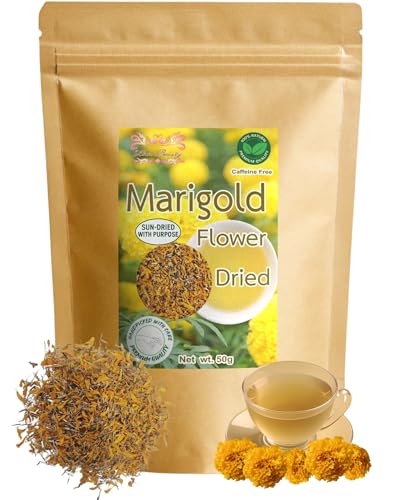
Grown and dried in Thailand : Naturally sun-dried marigold petals.

Natural Air-Dried Quality: Natural Air-Dried Calendula Flowers crafted for soap making, candle making, and DIY projects, these dried calendula petals are gently air-dried to preserve natural color, shape, and texture, making them ideal dried flowers for crafts, botanical embeds, and decorative flower petals for handmade creations

Natural Air-Drying, Bright Color: Marigolds are dried using traditional air-drying techniques, preserving their golden color and unique flower shape, making them an excellent natural material for various handicrafts