You can safely feed your backyard chickens leafy greens, berries, cooked grains, and lean meats as long as they don’t exceed 10% of their daily diet. Wash all scraps thoroughly to remove pesticides, cook beans and potatoes for improved digestibility, and remove uneaten portions within 10-20 minutes. Avoid processed foods and high-fat scraps that cause digestive issues. Hold off scraps until chicks reach 8-10 weeks old. There’s considerably more to learn about ideal preparation methods and specific nutrient profiles.
Vegetable Scraps Your Chickens Will Love
Leafy greens like kale, spinach, and chard vanish quickly because they’re nutrient-dense, providing vitamins A and K. You can offer them raw or chopped. Kale is especially beneficial for chickens, as it contains essential nutrients such as vitamins C and K. Beet greens and carrot tops get equally enthusiastic responses. Chickens are motivated to peck at tasty scraps, especially when their limited flight capabilities are a factor in foraging. Additionally, offering zucchini scraps can add variety to their diet and contribute to hydration and nutrition. It’s also important to note that fresh greens can enhance egg quality by boosting the nutritional profile of the eggs.
Root vegetables also perform well in your flock’s diet. Carrots provide beta-carotene and digest readily whether raw or cooked; chop large pieces to prevent waste. Beets, turnips, and rutabagas work similarly when cut to manageable sizes. Cooked potatoes are safe for chickens and serve as an excellent starchy addition to their vegetable scraps. Including nutrient-rich scraps like these can help support your chickens’ bone health and improve overall well-being, ultimately enhancing their overall hen health.
You’ll notice your chickens ignore nutrient-light options like plain lettuce and cucumber slices. While these hydrate effectively, they shouldn’t displace formulated feed. Prioritize nutrient-dense scraps to maximize your flock’s health benefits.

【Adjustable & Large Hanging Chicken Feeder】 The large hanging chicken vegetable feeder's max diameter size 9.25″,include 4X20inch stainless steel chain and 5 stainless steel hooks,It can hold different vegetables and fruits including whole cabbage, broccoli, lettuce, corn, apples, grapes, etc.

VERSATILE HANG OR STAND DESIGN: This metal rack basket can be used as a hanging storage basket or placed upright on the ground, giving you flexible feeding options inside the coop or chicken run.

🐓PURE NATURAL WOOD: Our chicken table is made of carbonized solid wood, more stable than other splicing boards, not easy to breakthat. The wooden surface has undergone varnish treatment, no smell, non-toxic, Chicken picnic table can adapt well to rainy days is very outdoor-friendly, durable can serve you for a long time.
Fruit Scraps Safe for Your Flock
While nutrient-dense vegetables form the foundation of kitchen scraps you’ll feed your chickens, fruits offer concentrated sources of vitamins, minerals, and hydration that your flock will enthusiastically consume. You can safely provide apples and pears after removing seeds and pits, which contain cyanide compounds. Chickens can eat applesauce safely as a treat, but moderation is key due to its sugar content. Additionally, figs are a safe option for chickens, offering both fresh and dried varieties. Berries—blueberries, strawberries, raspberries, and blackberries—deliver antioxidants and pose no toxicity risks. In fact, blueberries can be a nutritious treat due to their rich vitamin content and antioxidants. Additionally, you can also offer fully ripened red tomatoes as a healthy snack, as they provide beneficial vitamins and nutrients that can improve egg quality and production. Watermelon and cantaloupe provide excellent hydration, particularly during hot weather, with seeds being entirely safe. Stone fruits like peaches and cherries require pit removal due to amygdalin content. You’ll find that fruit combinations and fruit peelings appeal to your flock while supplementing their diet. Interestingly, chickens serve as sentinel animals in efforts to monitor and control mosquito populations, highlighting their role in promoting a healthy environment for both themselves and humans. Introduce fruit scraps after 3-4 months of age to ensure your chickens have developed sufficiently to process these treats. Remember that fruits should constitute no more than 10% of their daily intake, maintaining nutritional balance while offering beneficial supplemental treats.
Grain Products and Leftover Carbohydrates
As you expand your flock’s diet beyond fruits and vegetables, grains and carbohydrate-based kitchen scraps offer concentrated energy sources, though they require careful portion control to maintain nutritional balance. Whole grain benefits include supporting gizzard development when fed at 5–10% of daily intake, but shouldn’t displace formulated layer feed. Providing high-protein layer feed is essential as the largest part of their diet to ensure adequate nutrition. Plain, mold-free bread, cooked pasta, and rice are acceptable occasional treats—calorie-dense yet nutritionally sparse, making them ideal for creating homemade chicken treats that support your flock’s overall health. Additionally, consider incorporating pomegranate seeds, as they provide essential vitamins and minerals when offered to your flock. Avoid moldy bread containing mycotoxins and remove salt, butter, or seasonings before feeding. Scratch mixes provide enrichment and supplemental energy but should comprise less than 10% of your birds’ daily ration. Tossing scratch grains on the coop floor encourages natural scratching behavior while promoting movement and warmth among your chickens. Refined carbohydrate sources promote obesity and reduced egg production if overfeeding occurs. Prioritize nutrient-dense layer feed as your flock’s dietary foundation.

Enhanced Supplement: Includes mealworms and fish oil to support feather quality, egg production, and overall health.
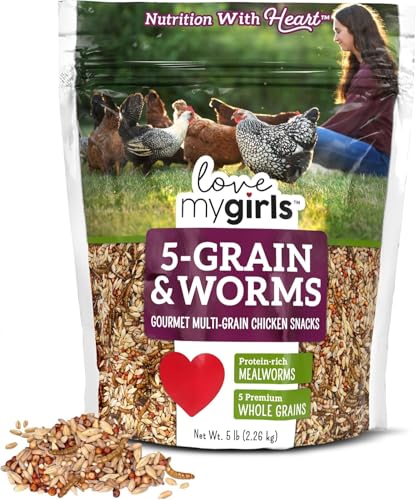
PREMIUM SNACK: Desinged with the finest grains and protein-packed worms. Made with care and attention, this blend is designed to provide your chickens with exceptional taste and nutritional benefits.

All-in-1 Chicken Treats for Laying Hens: This chicken snack is a mix of corn, oats, sunflower seeds, oyster shells and wheat. A supplemental layer feed for chickens, it packs 5% calcium, 16.15% protein, and omega-6's to support health and egg production
Protein Sources for Optimal Nutrition
Protein forms the foundation of your flock’s nutritional requirements, and kitchen scraps can supplement or complement your birds’ formulated feed with concentrated amino acids and essential nutrients. You’ll find excellent protein quality in cooked eggs, which deliver complete amino acid profiles and superior protein digestion compared to plant-based alternatives. Feeding cooked eggs is safe and beneficial for chickens as it provides necessary nutrients without encouraging bad habits. Leftover lean meats provide highly digestible animal protein, though you should feed them moderately. For plant-based options, sunflower seeds (25–30% protein) and pumpkin seeds (33% protein) offer nutrient density that supports disease resistance. It’s also important to remember that layer feeds typically contain 16-18% protein to meet the nutritional needs of laying hens. Your chicks need 18–20% protein during their first six weeks, while laying hens require 16–18% protein. During molt or stress periods, increase protein to 18–20% gradually over 7–10 days to support feather regrowth and recovery. A formulated complete feed like Purina Layena with 19% protein ensures your laying hens receive all necessary nutrients in a single balanced product. Additionally, incorporating high-quality calcium sources into their diet will help support optimal eggshell quality for your laying hens. While kitchen scraps can provide nutritious options, avoid feeding your chickens pokeweed as it contains toxic compounds that can lead to serious health issues. It’s essential to balance these protein sources with commercial feeds to maintain overall health and productivity in your flock.
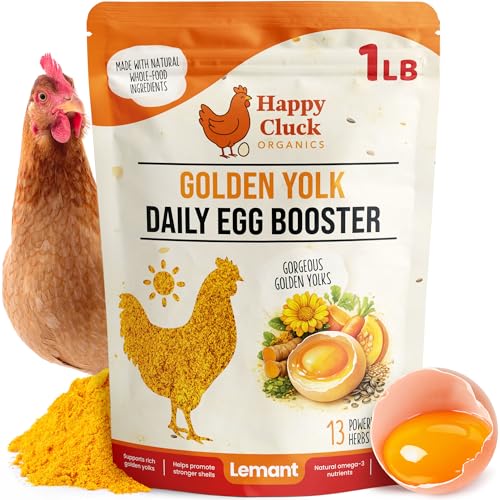
13 WHOLE-FOOD HERBS IN EVERY DAILY SCOOP - This Daily Egg Booster for Chickens packs 13 functional whole-food ingredients into every daily scoop. Each 1 LB pouch blends pumpkin powder, carrot powder, turmeric, milled calendula flowers, stabilized flaxseed, black oil sunflower meal, brewer's yeast, dual-grade calcium carbonate, kelp meal, chili flakes, rosemary extract, and standardized marigold extract into a single premium chicken vitamin and supplement for daily backyard flock nutrition.


Material:Mzcxmao egg collecting apron100% premium quality polyester.Durable to wear,wrinkle and abrasion resistant,easy to clean.Quick drying.Machine wash cold.Hang dry or tumble dry, low iron as needed.
Daily Feeding Guidelines and Portion Control
Now that you’ve identified quality protein sources, managing portion sizes becomes critical to prevent nutritional imbalances and maintain your flock’s health. You’ll want to limit kitchen scraps to 10% of your chickens’ total diet, offering only what they’ll consume in 10-20 minutes. Establish consistent feeding schedules by providing scraps once daily, ideally in early afternoon after they’ve eaten their primary layer feed. For small handfuls, feed every other day; for medium bowls, offer weekly to your entire flock. This approach guarantees your birds prioritize their complete, balanced ration while treating scraps as nutritional supplements. Remember that high-quality chicken feed should always take precedence over treats to ensure essential micronutrients like vitamins, amino acids, iron, selenium, zinc, iodine, and manganese are properly supplied. Additionally, feeding chickens a complete layer feed formulated with 16-20% protein ensures they receive adequate nutrition. Incorporating foods like parsley can also enhance your chickens’ diet and promote immune health. Furthermore, be cautious about overfeeding scraps to prevent potential health issues, such as obesity in chickens. Additionally, be mindful that fresh clean water is vital for maintaining hydration and healthy digestion. An optimal protein level of 16-18% protein is essential for overall growth and development in your flock. You’ll monitor egg production closely, watching for signs of overfeeding that indicate nutritional deficiencies.

Boosts Egg Production & Stronger Eggshells: 16% protein layer pellets formulated to support consistent egg laying, improved yolk quality, and stronger shells for reliable daily production
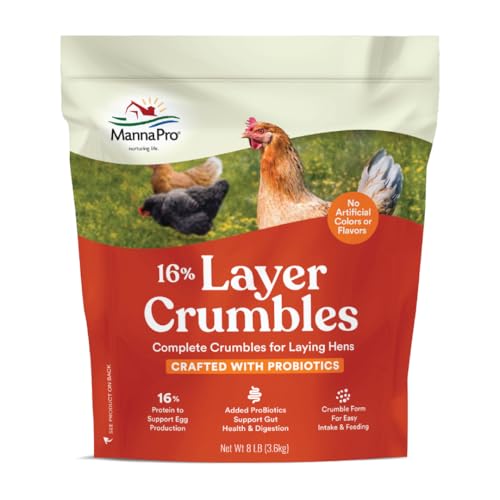
COMPLETE CHICKEN FEED FOR LAYING HENS: Manna Pro Chicken Feed delivers complete nutrition designed for laying hens, supporting strong egg production, healthy feathers, and overall wellness; balanced formula helps maintain optimal health in backyard flocks

Rich yellow yolks - A high level of xanthophyll, a coloring agent derived from marigolds, produces deep yellow egg yolks
Feeding Scraps to Young Chicks
Because your chicks’ digestive systems and crops won’t fully mature until 8–10 weeks of age, you’ll want to hold off introducing kitchen scraps until they’ve reached this developmental milestone. During early growth phases, prioritize starter feed—which contains 18–24% protein and essential vitamins—as your chicks’ primary nutrition source.
When you do begin scrap introduction age, start with finely chopped or mashed textures to reduce choking risk and improve digestibility. Implement digestive health monitoring by observing crop filling and defecation patterns after offering scraps. Delayed crop emptying or loose droppings signal intolerance.
Keep treats under 10% of daily intake to prevent nutrient imbalances. Avoid selective feeding that undermines formulated nutrition. Stick to soft fruits, cooked vegetables, and high-protein supplements like mashed cooked egg or insects during this critical growth period. Remember that balanced diet alongside scraps remains crucial for your chicks’ optimal development and long-term health.
Introducing New Foods Safely
Once your chicks reach 8–10 weeks and you’re ready to expand their diet beyond starter feed, you’ll want to introduce new scraps methodically to prevent digestive upset and nutritional imbalances. Start with one small portion per bird mid-morning after they’ve consumed balanced layer feed. Increase portions gradually over 5–7 days only if you observe no diarrhea, reduced appetite, or soft eggs. Additionally, it’s important to consider that certain breeds, such as the Crested Legbar, may have specific dietary needs due to their unique characteristics. To ensure your flock remains healthy during the winter months, providing them with natural insulation and proper nutrition is essential. Installing physical barriers like covered coops can also protect your chickens from hawks while they enjoy their new treats. Each chicken’s nutritional needs vary based on age and purpose, so adjust their diets accordingly. Maintain kitchen safety by serving plain, bite-sized pieces and cooking starchy items like potatoes beforehand. Cool hot foods to room temperature and drain excess oils. Use a dedicated stainless-steel tray for scrap monitoring and removal within hours to prevent bacterial growth. Keep detailed logs correlating specific scraps with observed health and production changes to identify problematic items quickly. Remember that scraps can lead to nutrient deficiencies if chickens prioritize them over their complete feed, so always ensure unlimited access to balanced layer feed even as you introduce new foods.
Risks of Overfeeding Kitchen Scraps
While measured scrap portions support flock nutrition, excessive amounts create compounding metabolic and reproductive problems that’ll undermine your birds’ health and productivity. Obesity consequences include footpad dermatitis, compromised egg production, and increased egg binding risk as abdominal fat pressures the oviduct. Additionally, an unhealthy diet can increase the risk of salpingitis, an infection that may lead to complications such as lash eggs. Nutrient imbalance develops when chickens prioritize low-protein scraps over balanced layer feed, forcing them to overeat while remaining malnourished. This dietary dilution depletes essential vitamins and minerals, triggering deficiency-related illness. Moreover, similar to how molting affects feather health, inadequate nutrition during feeding can disrupt overall chicken health, leading to further complications. Furthermore, high-fat processed scraps cause digestive upset and shortened lifespans. Your flock’s egg quality declines—shells weaken, bloodstaining occurs, and production drops. To support optimal health, it is crucial to choose high-quality commercial feed that aligns with your chickens’ nutritional requirements. Treats should not exceed 10% of daily caloric intake to prevent these cascading health issues. Overfeeding kitchen waste fundamentally compromises reproductive function and overall flock health, making portion control critical for maintaining healthy, productive birds.
Best Practices for Scrap Preparation and Storage
Proper preparation and storage of kitchen scraps directly determine their safety and nutritional value for your flock. Start with thorough scrap washing under cool water to eliminate pesticides and residues, then dry completely with clean towels. For cooking preparation, you’ll need to process specific items: cook beans to eliminate hemagglutin toxin, boil potatoes for digestibility, and steam greens to enhance nutrient availability. It’s important to keep an eye on the hen to rooster ratio to ensure well-being among the flock. Additionally, incorporating treats such as cucumbers can help keep your chickens hydrated, particularly in hot weather, thanks to their high water content; similarly, cantaloupe makes for a great refreshing treat due to its hydrating properties. Remove all fruit pits and chop fibrous vegetables into bite-sized portions. Store prepared scraps in dedicated glass or metal containers lined with paper towels for moisture absorption. Keep bowls covered to deter pests, and freeze excess scraps in airtight bags. Crushed eggshells should be stored separately in covered containers to ensure they remain accessible for calcium supplementation. Feed only amounts your chickens’ll consume within 10-20 minutes, removing uneaten portions immediately.

WHAT YOU WILL GET: The package includes 3 pcs glass storage jars in different designs, all have corresponding lids, allowing you for enough storage space

French fries bucket-- use stainless steel material made, and , use,snack buckets

【GLASS CANISTERS】Our glass canisters are made of the highest quality Borosilicate glass. All the glass jars are heavy duty, super sturdy. The surface has exquisite patterns, which can also increase the friction, and it is not easy to get out of your hands.