You’ll reach market weight in 35–45 days using modern commercial strains like Ross 308 or Cobb 500, achieving feed conversion ratios near 1.5–1.7. Slower heritage breeds require 56–84 days with higher feed costs. Your timeline depends on strain selection, target weight, and production system—intensive operations finish at 4.5–6.0 pounds, while pastured systems take 8–10 weeks. Temperature management, lighting protocols, and phase-specific nutrition directly impact your growth velocity and profitability metrics throughout the grow-out period.
The Growth Phases: From Hatchling to Market Bird
Modern broiler chickens progress through four distinct growth phases—starter, brooder-to-grower shift, grower, and finisher—each requiring tailored nutrition, environmental conditions, and management protocols to optimize weight gain and flock uniformity. During hatchling development, you’ll maintain brooder temperatures at 90–95°F (week 1), reducing 5°F weekly as chicks self-regulate thermally by day 14. Nutrient requirements shift across phases: starter feed supports rapid early organ development, while grower and finisher feeds adjust protein and energy ratios to match metabolic demands. Additionally, early feeding with adequate nutrition is essential for supporting healthy growth during these initial phases. Growth milestones include tripling initial weight (40–50g) by week two, reaching 600–800g by mid-grower, and targeting market weight by 5–9 weeks. Critical management practices—biosecurity, ventilation, litter quality, and stocking density—directly impact your flock’s productivity and health outcomes throughout each phase. Effective health management includes recognizing signs of illness and scheduling periodic health inspections to ensure early detection of potential issues affecting growth rates.
Average Daily Gain and Feed Conversion Efficiency
Two critical metrics define your broiler operation’s profitability: average daily gain (ADG) and feed conversion ratio (FCR). You’ll target an average daily gain of 65 grams or more under normal conditions, enabling birds to reach 2,800 grams by day 42. Commercial strains range from 44 to 68 grams daily. Male chicks typically grow faster than females, which could influence growth rates in breeding operations. Additionally, broiler chickens are frequently bred for meat production, emphasizing their efficient conversion of feed into muscle mass. The inclusion of oregano oil in their diet may further enhance growth and health, promoting better overall performance. In contrast, broiler breeders are specifically managed for egg production, showcasing the different priorities in chicken farming.
Your feed conversion efficiency peaks during early growth phases, then rises by weeks 5-6. By week 7, FCR reaches approximately 1.5, meaning you’re investing more feed per pound of gain. At day 56, Cobb500 strains achieve cumulative FCR of 1.842. Proper house preparation before chick arrival ensures environmental consistency that supports these conversion benchmarks.
Optimizing both metrics requires attention to strain selection, nutritional protocols, and farm management. Starter phase nutrition—21.46% crude protein and 2.874 mcal/kg energy—establishes foundational efficiency that compounds throughout production.
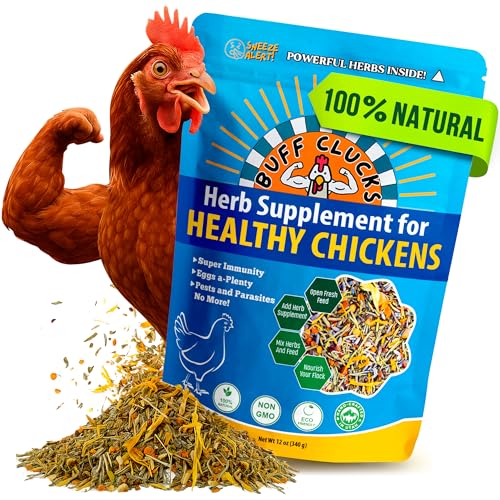
Versatile Treats: Aside from mixing it into chicken feed, you may also sprinkle the treats for chickens into dust baths or nesting boxes to provide a nutritious snack and ward off critters. This herb mix promote a clean coop, provides chickens with nutrition.

Superior calcium from Oolitic Aragonite: Provides high-quality calcium sourced from naturally occurring Oolitic Aragonite for optimal poultry nutrition
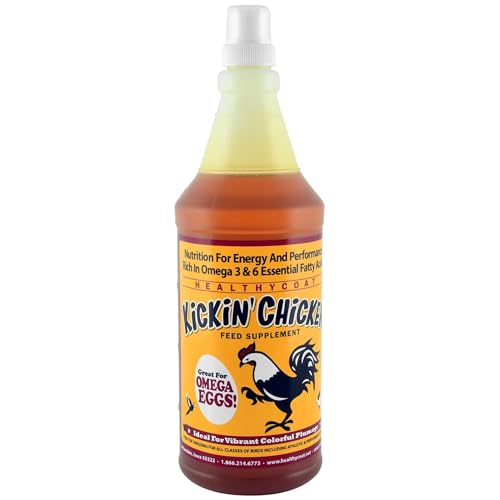
Reduces stress due to molting
Typical Timeline to Market Weight by Production System
While average daily gain and feed conversion efficiency set the biochemical ceiling for broiler performance, your actual timeline to market weight hinges on which production system you’re operating. Intensive commercial operations finish birds at 5–6 weeks, targeting 4.5–6.0 lb through controlled environments and phase-feeding. Contract growers typically extend to 5–7 weeks, adjusting schedules based on processor specs and market variations. Pastured systems commonly run 8–10 weeks, balancing slower growth rates with welfare claims that command premium pricing. Organic-certified production often requires 8–12 weeks to meet certification standards and access-to-range requirements. Notably, proper nutrition, including the use of supplements like fresh sage, can play a role in overall chicken health and growth. During early life stages, young chicks engage in coprophagy to establish crucial gut microbiomes for optimal digestion and nutrient absorption. Crested breeds, known for their ornamental head feathers, can be a unique addition to pastured systems due to their distinctive traits that may appeal to specialty markets. In contrast, the rapid growth rate of broiler chickens has been associated with health issues due to their genetic selection for large breast muscles. Accurate weight tracking through automatic weighing systems enables real-time monitoring across all production systems to detect growth deviations early and optimize feed conversion efficiency. Your choice of production systems directly determines grow-out duration; longer timelines reflect management constraints, market positioning, and consumer demand rather than biological limitations alone.
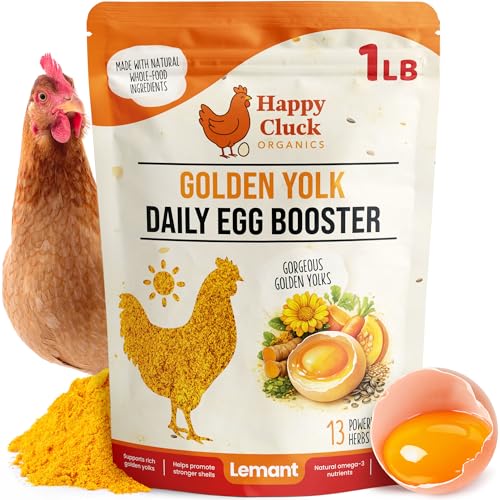
13 WHOLE-FOOD HERBS IN EVERY DAILY SCOOP - This Daily Egg Booster for Chickens packs 13 functional whole-food ingredients into every daily scoop. Each 1 LB pouch blends pumpkin powder, carrot powder, turmeric, milled calendula flowers, stabilized flaxseed, black oil sunflower meal, brewer's yeast, dual-grade calcium carbonate, kelp meal, chili flakes, rosemary extract, and standardized marigold extract into a single premium chicken vitamin and supplement for daily backyard flock nutrition.

{Healthy Flock} Proper nutrition and a well-balanced microbiome can help your poultry defend against dangerous pathogens. Brewer's Yeast with Probiotics, Prebiotics and Niacin can help achieve exceptional health in your flock
How Breed and Strain Selection Affects Growth Speed
Your choice of breed and strain fundamentally reshapes your grow-out timeline because decades of genetic selection have created divergent growth trajectories within the species. Fast-growing commercial strains like Ross 308 and Cobb 500 reach market weight in 35–45 days through intensive selection for maximum daily gain and breast meat yield. Slower strains such as Hubbard RedBro require 56–84 days, prioritizing robustness and welfare traits instead. These breed characteristics directly influence nutritional requirements: fast strains achieve feed conversion ratios near 1.5–1.7, while slower strains typically exceed 1.9. Additionally, providing quality feeds that are tailored to the specific needs of your breed can enhance growth rates and overall health. Intermediate “flex” strains occupy the middle ground, reaching market size in 45–60 days. Your production system, market demands, and welfare priorities should guide your strain selection, as genetics fundamentally determine growth curves and efficiency profiles. Strict biosecurity measures during the rearing period further protect your flock’s ability to express its genetic potential for growth and feed efficiency. Additionally, understanding temperament traits can influence the choice between faster-growing broilers and breeds like the Porcelain d’Uccle, known for their gentle nature. Furthermore, providing hydration options such as frozen summer treats can enhance the overall well-being and growth performance of your chickens during hot weather.
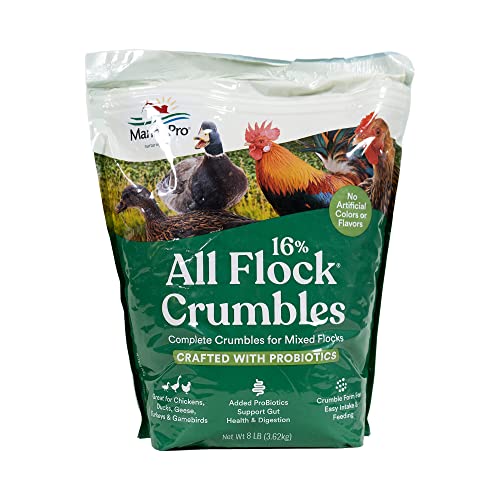
COMPLETE ALL FLOCK FEED FOR MIXED BACKYARD FLOCKS: Versatile poultry feed & all flock feed designed to support chickens, ducks, turkeys, geese, & more; a balanced bird food that simplifies feeding a diverse species in your backyard or homestead

PREMIUM CHICKEN FOOD FOR LAYING HENS WITH OMEGA-3: High-quality chicken layer feed made for strong egg production; fortified with chicken feed omega 3 & extra chicken feed calcium to support healthy shells & provide complete daily nutrition for your hens
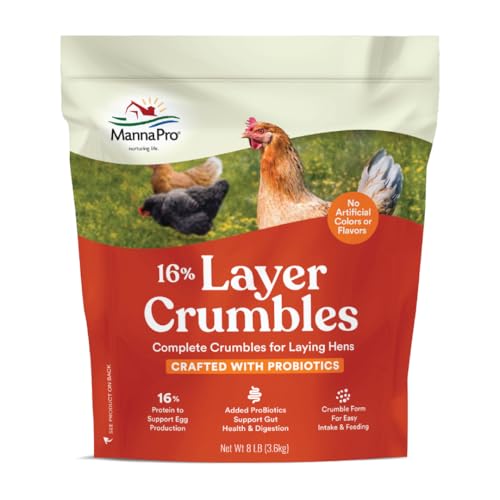
COMPLETE CHICKEN FEED FOR LAYING HENS: Manna Pro Chicken Feed delivers complete nutrition designed for laying hens, supporting strong egg production, healthy feathers, and overall wellness; balanced formula helps maintain optimal health in backyard flocks
Temperature, Lighting, and Nutrition Management for Optimal Growth
Maintain brooding temperatures at 32–33°C initially, then decrease 3°C weekly toward 18–22°C by week 4–5. Avoid sudden temperature fluctuations that increase mortality and depress feed efficiency. Implement continuous monitoring to detect ventilation failures. Air temperatures exceeding 32°C result in significant growth reduction, particularly between 5 and 9 weeks of age when body-weight gains decline substantially. Additionally, ensure that feed sources are safe, as unsafe feed sources like maggots can pose health risks to chickens if they are not properly managed.
Extend lighting to 18+ hours daily to maximize feed intake and growth rate. Use moderate intensities (5–20 lux) supporting activity without stress. Employ intermittent dimming strategies to reduce metabolic disorders while maintaining acceptable gains.
During heat stress, increase diet nutrient density and fat content to compensate for reduced feed intake. Phase feeding aligned with age-specific maintenance requirements optimizes feed conversion throughout production cycles.

Fast & Efficient Heating: Designed with advanced heating technology, this heat light bulb quickly raises temperatures within minutes.Our infrared heat lamp provides 24/7 warmth for animals requiring constant heating (reptile pets, chickens, cats, dogs)

Efficient Heating - LUCKY HERP 250W infrared heat lamp is mainly used for chicken coop brooder, pets and small animal. This heat lamp for chickens provides powerful heating power, and the rapid heating feature ensures that they get enough heat in cold environments.

Why Choose Our Chicken Coop Heater - Our 300W coop heat lamp is a safe and efficient heating solution designed for poultry coops. It delivers steady warmth without open flames or harsh glare, while the wide heating range keeps chicks comfortable and protected during cold winter months
Growth Variation Across Small-Scale and Commercial Operations
The management practices outlined above establish the performance ceiling, yet genetics ultimately determines whether small-scale and commercial operations will reach it. You’ll find that commercial strains achieve market weights in 35–56 days with average daily gains exceeding 60 g/day, while slow growing strains require 70–90+ days for comparable weights. This gap reflects decades of genetic selection that’s fundamentally reshaped broiler development. However, you’ll encounter welfare implications: faster-growing birds show higher incidence of leg disorders, cardiovascular problems, and gait issues. In addition to these concerns, improper nutrition management may exacerbate health problems in both fast and slow-growing strains. Commercial efficiency in feed conversion ratios stems from optimized breeding and phase-feeding programs unavailable to small-scale producers. Modern breeding has focused on improving health traits like heart health and joint strength to mitigate these welfare concerns. Your choice between strains involves trading growth speed against welfare outcomes and production costs, directly influencing your operation’s profitability and sustainability.
Economics of Processing Weight and Time-to-Market Decisions
While genetics and management practices shape broiler growth potential, processor pricing structures and feed economics ultimately drive your time-to-market decisions. Processors use market benchmarks and weight-based pricing to set processor incentives that influence your grow-out duration. You’ll evaluate whether extending days-on-feed justifies additional feed costs—typically 65–75% of production expenses—against marginal revenue from extra liveweight. Feed conversion ratios worsen late-cycle, increasing your economic burden. Additionally, poultry owners should consider that chickens cannot contract or spread rabies because they are birds, not mammals. The importance of responsible antibiotic use and veterinary oversight is essential in managing the health of your flock. Furthermore, the breed’s egg production characteristics can provide insight into overall flock productivity, influencing economic sustainability. You should also evaluate the nutritional content of your feed, particularly those with added amino acids, as they are critical for maximizing growth rates. Your economic analysis compares processor margins on heavier birds against worsening feed efficiency and housing costs. Furthermore, processor throughput efficiency and scheduling windows create timing pressures; shorter grow-outs increase flock turnover but may raise per-bird fixed costs. Since hot carcass weight reflects the meat, fat, and bone yield after processing, understanding how your live weight translates to actual sellable product helps justify processing decisions to your operation. Strategic production strategies require balancing biological growth curves against logistical constraints to optimize net revenue.

AFFORDABLE HIGH PROTIEN FEED: Canola meal is an economical alternative to higher-cost ingredients for poultry – particularly laying hens – where it’s proven to support high levels of egg production. It’s also a great fit for broiler and breeding chickens, turkeys, ducks and geese.

Enhanced Feather Health and Molt Support: Pampered Chicken Mama’s North Atlantic Sea Kelp For Chickens is rich in essential nutrients that promote the growth of strong and healthy feathers. It provides amino acids, vitamins, and minerals necessary for feather formation and regrowth, especially beneficial during the molting period. This natural support ensures your birds maintain optimal health and appearance year-round
AFFORDABLE HIGH PROTIEN FEED: Canola meal is an economical alternative to higher-cost ingredients for poultry – particularly laying hens – where it’s proven to support high levels of egg production. It’s also a great fit for broiler and breeding chickens, turkeys, ducks and geese.