You can safely feed maggots to your chickens as a protein source when you implement rigorous sourcing and processing protocols. Black soldier fly larvae offer superior nutritional profiles with 40–55% protein content and essential amino acids matching conventional feeds. Include them at moderate rates—5–30% of your diet—to optimize growth without compromising carcass quality. However, disease transmission risks from contaminated environments demand strict hygiene practices, proper storage, and health monitoring. Understanding the specific protocols that’ll maximize these benefits while minimizing potential complications requires examining each critical management factor.
Nutritional Profile and Protein Quality of Maggots
Maggots represent a protein-dense feed ingredient whose nutritional composition varies markedly across species and processing methods. You’ll find crude protein ranging from 40–55% on a dry-matter basis, with ether extract typically between 8–28%, providing substantial energy comparable to fishmeal. The amino acid profile contains most essential amino acids relevant for poultry, with lysine and methionine levels matching or exceeding conventional plant sources. Maggot meal typically contains 19 amino acids identified, including 10 essential amino acids that support comprehensive nutritional balance in poultry diets. Additionally, like dried mealworms, maggots can boost overall health and contribute essential nutrients that help during growth and molting periods. Moreover, high-quality protein supplements can further enhance the nutritional benefits derived from maggots. Properly balancing calcium-to-phosphorus ratios in conjunction with using maggots can promote healthier growth in chickens. Chickens can safely consume protein sources like maggots as they provide essential nutrients without the same dietary concerns associated with other types of protein. Additionally, the protein quality and growth potential in poultry can be influenced by specific dietary requirements much like how male and female Barred Rock chickens exhibit distinct growth traits.
However, maggot meal processing greatly influences amino acid availability. Heat-induced Maillard reactions can reduce lysine bioavailability, while chitin in the exoskeleton inflates crude protein estimates relative to true digestible protein. Drying methods and substrate composition further affect protein fractionation. You should verify processing conditions when evaluating maggot meal quality, as standardized harvesting and appropriate drying protocols maximize nutritional value for your flock.

【Superior Nutrition】-WORMSFARM Dried Black Soldier Fly Larvae with more calcium and insect protein than Meal Worm,would improve egg quality and Promote moult progress,WORMSFARM are superior snacks for hens.

High Nutrition: WormsFarm dried black soldier fly larvae are better snacks for hens since they include more calcium and insect protein than mealworms, which would enhance egg quality and encourage molt progress

Nutritious Protein Source: Black soldier fly larvae are a high-protein, nutritious treat for chickens and other poultry.
Growth Performance and Production Outcomes
Multiple trials demonstrate that incorporating larvae or maggot meal at moderate inclusion rates—typically 5–50% replacement of conventional protein sources—produces equal or enhanced average daily gain (ADG) in broiler chickens. You’ll find that fresh larvae often outperform dried variants, with reported gains of 10.80 g/d versus 10.22 g/d respectively. Ideal growth rate responses cluster at 5–30% inclusion levels, though full replacement of certain proteins like fishmeal yields comparable results.
Feed efficiency metrics show variable outcomes. You may observe improved feed conversion ratios at lower inclusion percentages, particularly around 5% black soldier fly larvae meal, with diminishing returns at higher levels. Research indicates that maggot meal proved economical compared to traditional fish meal sources. Carcass traits—dressing percentage, cut weights, and meat quality—remain largely unaffected across moderate substitution rates, maintaining commercial viability and production standards.

【High-Protein & Rich in Calcium】Naturally packed with protein and calcium, our Black Soldier Fly Larvae rich in calcium, it contains at least 85x more calcium than dried mealworms, and with a great source of protein 45%.

Premium Quality Chicken Treats: Specially formulated, high-quality chicken snacks for laying hens, ensuring only the best for your pet chickens

Up to 45% Protein for Stronger Flocks: Larvevo black soldier fly larvae for chickens provide up to 45% natural protein to support muscle growth, feather development, and consistent egg production. A nutrient dense chicken treat for healthy, active hens
Disease Risks and Safety Concerns
While growth performance metrics demonstrate the viability of larvae-based protein sources in poultry diets, you’ll need to carefully manage the health risks accompanying their use. Maggots serve as disease transmission vectors when sourced from contaminated environments. You must identify contamination sources—wet feeders, decaying organic matter, and rotting vegetation—that harbor pathogenic bacteria like E. coli and Salmonella. These organisms concentrate through biomagnification in larvae, exposing your flock to botulism toxin and bacterial poisoning simultaneously. Clinical manifestations include paralysis, diarrhea exceeding three days, and fever surpassing 102°F. Young chickens and immunocompromised birds are particularly vulnerable populations to severe complications from bacterial contamination in maggot sources. You’ll prevent these risks through rigorous hygiene protocols: limit feed to one- to two-hour consumption windows, maintain dry storage, disinfect regularly, and remove carcasses promptly. Proper drinker systems nearly eliminate botulism outbreaks entirely.

STORAGE: Plastic pet food container for birds, cats, dogs, livestock, etc.

Keeps Food Fresh and Flavorful: our patented GAMMA SEAL TECHNOLOGY, featuring a threaded locking system and double gaskets, create a controlled moisture balance making it the ideal airtight dog food storage container (suitable for cat food, too)

PRESERVE FRESHNESS AND FLAVOR: This airtight pet food container helps your pet's dry food to stay tasty with its Gamma Seal Technology; It maintains moisture balance to keep food tasty and fresh
Choosing the Right Larval Species and Substrate
Three larval species dominate poultry feed production, each with distinct advantages and limitations that’ll shape your operation’s safety profile and productivity. Black soldier fly larvae offer superior feed conversion ratios (~1.1 on formulated diets) and lower pathogen carriage, making them your primary choice. In addition, cornmeal can be a beneficial part of a varied diet when used as a supplement for your chickens. It is crucial to ensure that feed sources, like larval species, do not introduce toxic risks to your flock. Housefly larvae work historically but demand rigorous substrate management to minimize contamination risk. Blowfly larvae deliver dense nutrition (42% protein, 35% fat dry weight) yet require careful anaerobic control. Notably, diatomaceous earth can enhance the overall health of your chickens, supporting their ability to utilize protein effectively. Chickens naturally hunt insects, including larvae, for essential nutrients that promote their health and egg production. Additionally, herbs like oregano can bolster immunity and maintain your flock’s wellness, complementing the protein provided by maggots.
Your substrate selection directly determines larval composition and growth performance. Formulated diets produce heavier larvae with better conversion than heterogeneous waste. Prioritize low-fiber substrates; high-lignocellulosic materials reduce nutrient efficiency. Monitor moisture carefully—optimal levels support feeding while excess moisture promotes pathogenic anaerobic zones. Screen food-waste substrates for chemical residues and avoid animal-derived materials prone to toxin production. Research indicates that botulism risk remains primarily associated with improperly managed substrates rather than the larvae themselves when proper protocols are followed.

High-Calcium Chicken Grubs: Joyprotyn’s BSFL (Black Soldier Fly Larvae) feed offers 85x the calcium of traditional dried mealworms, enhancing eggshell strength and promoting bone health in your hens for sturdy eggs. This high-calcium feed is perfect for robust egg production and overall poultry well-being.

High-Calcium Content: Classic Flock's BSFL boasts a higher calcium content than traditional mealworms. It makes our Black Soldier Fly larva an excellent choice to promote strong eggshell production in hens.
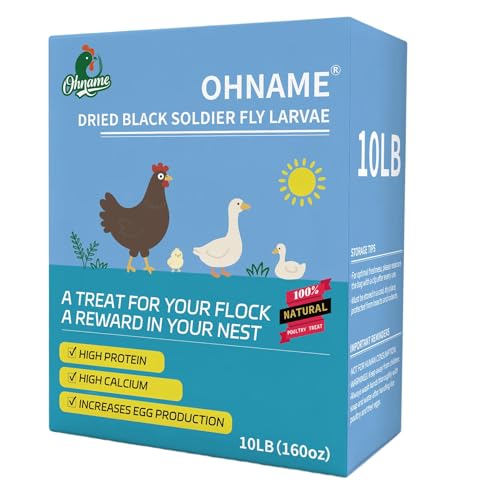
【85 X Calcium Poultry Feed for Strong Eggshells】Our Dried Black Soldier Fly Larvae deliver 85 times more calcium than mealworms, directly boosting eggshell strength for crack resistant eggs. Specially formulated for Laying Hens and Backyard Flocks, it supports bone health in all-stage poultry, ensuring sturdy high-quality eggs you can rely on
Best Practices for Including Maggots in Chicken Diets
To maximize maggot integration into your flock’s nutrition, you’ll need to balance live maggot supplementation with your standard feeding regimen while monitoring both intake and performance metrics. Allocate 2-3 grams of live maggots per chicken daily, which typically reduces mixed feed consumption by approximately 6 grams. Employ suspended bucket systems that allow crawling maggots to drop continuously, stimulating natural foraging behaviors while providing sustainable protein. Feeding maggots alongside complementary sources like fodder or azolla rather than relying solely on larvae is essential for overall health. Thorough cleaning of the area where maggots are sourced can also minimize health risks associated with using maggots sourced from manure before integration into your feeding system. Additionally, it is important to note that feeding practices should consider oxalate levels in order to ensure optimal calcium absorption. Integrating olive oil into their diet can promote better overall health and resilience to environmental stress, particularly when combined with layer feed that meets their nutritional needs. Furthermore, incorporating soothing Epsom salt baths can help to relax chickens and alleviate any potential digestive discomfort from feeding maggots. Harvest daily for a fresh supply and avoid excess rotting meat exposure to prevent limberneck. A suitable sanitizing method is necessary to mitigate health risks associated with using maggots sourced from manure before integration into your feeding system. This integrated approach guarantees balanced nutrition, achieves growth rates comparable to fish meal, and transforms waste into viable protein supplementation efficiently.

FEED YOUR BEES - Use this syrup bee feeder to keep your honey bees fed when outside nectar sources are scarce. This is a great option whether you are a beginner backyard beekeeper or an expert bee farmer.

Packaging Information: you will receive 1 foldable fishing bucket and 1 set of air pump, 1 air stone, 1 rubber hose (battery not included), the size of the bait bucket is 13.8 x 9 x 9 inches, capacity 4 gallons, can easily store live bait and small fish

High quality material: Feeder cup is made of high quality plastic material, which is lasting for use. It can be used repeatedly for long time use.
Monitoring Health and Managing Long-Term Effects
Because maggots can concentrate toxins and harbor pathogens from their breeding environments, you’ll need to establish robust monitoring protocols to detect health complications before they become severe. Watch for visible larvae in stools, persistent abdominal pain, and behavioral changes indicating botulism or bacterial infection. Flag diarrhea lasting over three days, fever exceeding 102°F, and bloody stools as requiring immediate intervention.
For long term management, administer Epsom salts solution weekly after initial treatment to maintain gut health. Monitor organ development and meat composition changes, as larvae-fed diets elevate liver and spleen percentages. Dried or cooked maggots present significantly lower pathogen risks compared to raw larvae. Implement strict sanitation practices and rapidly dispose of decaying matter to prevent maggot breeding. Restore gut flora with milk post-exposure. These health monitoring strategies minimize infection risks while optimizing nutritional benefits.