Yes, you can successfully raise goats and chickens together by maintaining proper stocking densities of 50–80 chickens and 0.5–1.0 goat per acre. You’ll need species-specific housing with elevated chicken perches, separate feeding stations, and mixed fencing to prevent resource competition. Implement rotational grazing across 4–6 paddocks to interrupt parasite cycles and enhance soil fertility. Establish daily health checks and strict biosecurity protocols to manage disease transmission risks between species. Understanding the systematic approach to their integration reveals significant benefits.
The Benefits of Mixed Livestock Farming
When you integrate goats and chickens on the same farm, you’ll notice immediate improvements in nutrient cycling and soil fertility. Goat and poultry manure supply plant-available nitrogen, phosphorus, and potassium, reducing your synthetic fertilizer dependence. You’ll also achieve higher biomass utilization by exploiting different foraging niches—chickens harvest understory vegetation while goats browse at varied heights, converting low-value biomass into eggs and meat. The use of appropriate treatments like Blue-Kote spray for injured chickens can also enhance overall flock health, ensuring a more productive mixed-farming environment. Additionally, incorporating duck eggs into your farm can provide a richer source of nutrition for both animals and consumers. By incorporating a variety of available greens from the farm, you can enhance the nutrition for both chickens and goats, creating a more sustainable system. This mixed approach strengthens your economic resilience through diversified income streams: meat, milk, eggs, and live animal sales stabilize cash flow and reduce market risk. Research from surveyed farms demonstrates that successful multi-species operations depend on strong feed autonomy and effective work organization. Additionally, multi-species grazing interrupts parasite life cycles, lowering disease burden and supporting animal welfare. Sequential grazing with poultry controlling pest larvae enhances integrated pest management. By implementing proper rotational grazing and biosecurity protocols, you’ll simultaneously boost environmental sustainability and farm profitability.
Understanding the Risks and Challenges
Although mixed livestock farming offers substantial benefits, it introduces significant health and management challenges that you’ll need to address systematically. Your current challenges include parasite transmission, particularly Cryptosporidium spreading through shared spaces, and bacterial contamination from poultry feces affecting goat herds. Salmonella and Campylobacter pose fatal risks to young ruminants, while disease prevention requires strict biosecurity protocols. Additionally, incorporating apple cider vinegar (ACV) into the poultry’s water can help improve their immune system, which may reduce bacterial contamination in the environment.
You’ll also confront feed contamination risks—chickens’ feed contains rumen-disrupting ingredients causing fatal bloat in goats. Behavioral conflicts emerge as goats and chickens compete for resources, with chickens pecking at goat areas and goats trampling poultry zones. Additionally, fecal-oral transmission routes through contaminated water and bedding significantly increase disease spread between species.
Environmental health risks include elevated pneumonia rates from airborne pathogens. You must implement separate feeding zones, maintain natural ventilation, and monitor interactions continuously to mitigate these interconnected challenges effectively.
Calculating Proper Pasture Size and Capacity
Three critical variables determine whether your goat-and-chicken operation will thrive: stocking density, individual space requirements, and pasture recovery capacity.
Start by calculating baseline stocking: plan 50–80 chickens per acre and 0.5–1.0 goat per acre. Convert forage demand using weight ratios—a Nigerian Dwarf doe typically equals ~15 chickens in consumption. Two does reduce chicken capacity by 30 birds, leaving ~20 chickens per acre.
For pasture dimensions, divide your land into 4–6 paddocks to enable rotational grazing and regrowth cycles. This animal compatibility strategy minimizes parasites and maximizes vegetation recovery. Goats are browsers preferring varied diets, so their selective grazing patterns complement chicken foraging behaviors in mixed-species systems.
Account for breed size: larger goats consume more forage, reducing chicken capacity proportionally. Supplement with hay or feed to increase carrying capacity beyond pasture-only scenarios.

Cost-Effective Bulk Length – 328 feet per roll covers large perimeters without breaking the bank. Ideal for budget-conscious farmers, land managers, and rural property owners.PLEASE NOTE BEFORE PURCHASING: the fence openings vary in size from bottom to top, starting small and getting larger. The smallest opening is 3.5 × 9.8 inches, and the largest opening is 9 × 9.8 inches.


Robust Construction This cattle farm fence built with heavy-duty 14-gauge galvanized steel wire – 23% thicker than standard 16-gauge fences – to withstand cattle charges, wild boar impacts, and extreme weather without bending or sagging
Designing Shared Housing Solutions
Once you’ve determined your stocking density and pasture rotation schedule, you’ll need to design a housing structure that accommodates both species’ behavioral needs while minimizing disease transmission and management complexity. Your space optimization strategy should incorporate elevated chicken perches and roosting areas that exploit their natural vertical behavior, keeping them separated from goat floor space. Implement slatted or well-drained flooring in shared zones to reduce moisture and pathogen persistence. Use removable panels and sliding gates for temporary separation during kidding or brooding. Establish dedicated feeding stations with species-appropriate infrastructure—enclosed chicken feeders and goat-level troughs. This structural design prevents feed cross-contamination and reduces competition. Include a human-only access zone for equipment and biosecurity tasks adjacent to animal areas, streamlining your management workflow considerably. Regular checks on housing integrity will help maintain the security and functionality of your integrated system.


Enhanced Protection with 2" x 3" Mesh: The 2" x 3" mesh opening provides improved coverage and containment compared to larger mesh fencing, making it ideal for protecting gardens, poultry areas, pets, and outdoor spaces while maintaining excellent visibility and airflow.

Installing Effective Fencing Systems
Your housing design won’t contain your animals without a robust fencing infrastructure that addresses the distinct escape behaviors and vulnerabilities of both species. You’ll need mixed fencing options combining woven wire or heavy-gauge panels (4–5 ft tall) with ≤2″×4″ mesh at lower sections to prevent goat escapes and chicken breaches. Galvanized materials guarantee longevity against rust and weather damage. Additionally, secure coops are essential to protect against common predators that hunt chickens. Add visible top strands or electrified lines to deter goat leaning and climbing pressure. For rotational grazing, electric fencing safety requires proper grounding, insulators, and low-pulse energy to deter without injuring poultry. Position bottom wires 6″ above ground for crawl prevention. Choose energizer sizes matching fence length and vegetation load. Since goats are herd animals, keeping at least two goats together reduces escape attempts caused by boredom and loneliness. Install double-gated transfer zones with hardware cloth partitions creating separate chicken-only zones within shared paddocks.

Heavy-Duty Construction Size: 100ft (length) × 48" (height) Material: High-strength galvanized steel wire ,Surface Treatment: Hot-dip galvanized for superior rust resistance & extended lifespan
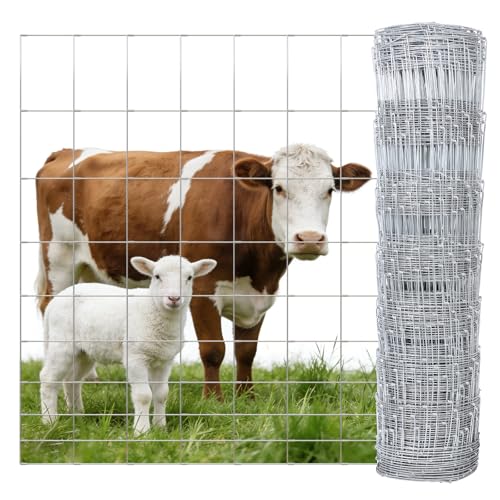
Heavy Duty Galvanized Woven Construction: cattle panel built with 14 gauge galvanized steel wire and a 12 gauge reinforced border, this woven wire fence delivers exceptional strength and impact resistance. The hot-dip galvanized surface ensures superior rust and weather protection, making it a reliable choice for agricultural fencing and livestock fencing that withstands harsh outdoor conditions and heavy animal pressure.

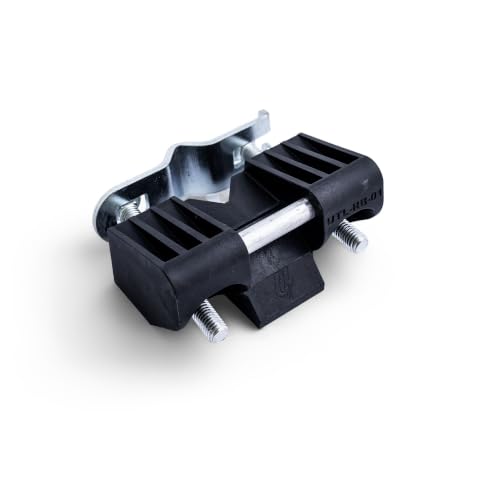
Fits Standard Panels: Designed to fit standard livestock panel clamp systems and horse panel clamp setups with 1-3/8" to 1-5/8" tubing diameter, these wood board clamps provide a secure and stable hold for boards; Ideal for horse stall board clamp applications, cattle panel clamp fences, round pens, corrals, and livestock fencing, with no welding required
Implementing Rotational Grazing Strategies
While robust fencing keeps your animals contained, strategic rotational grazing maximizes forage utilization and soil health across your shared operation. Design paddocks sized to match your animals’ daily dry matter intake against available biomass, targeting 6–12 paddocks per rotation. This structure guarantees adequate forage recovery between grazing cycles. Sequence goats first to control browse and woody growth, then follow with chickens to scratch manure and reduce parasites. Move animals before plants drop below safe residual heights—use plant height triggers rather than fixed calendar dates. Document each paddock’s grazing dates, residuals, and animal numbers to refine future decisions. This systematic approach prevents overgrazing while promoting deeper roots and increased soil organic matter, ultimately boosting your pasture’s long-term productivity and resilience. Enhanced plant diversity from rotational practices creates a more resilient pasture ecosystem capable of withstanding environmental stressors. Implementing free-range practices is also beneficial, as chickens naturally contribute to pest control within your grazing system, helping to maintain balance in the ecosystem. Additionally, providing an adequate water system for both species enhances their health and productivity, ensuring they remain hydrated during grazing.

Superior Conductivity for Long Fence Runs - Engineered with 9 mixed metal strands (3 tinned copper + 6 stainless steel) delivering ultra-low 0.3 ohm/m resistance for consistent electric shock across long pasture fences, reducing voltage loss compared to standard 6-strand polywire.
Streamline Demanding Solo Field Labor Layouts: Mount your electric fence reel onto a common steel T-post to free your hands; walk out wire fence or wire fencing lines and reel them back in alone across your fence posts without wrestling heavy weight

Lightweight and Easy to Handle | This compact electric fence reel is ideal for temporary fencing, rotational grazing setups, and short-run paddocks. Easy to carry and use in the field.
Daily Management and Monitoring Practices
Because mixed-species operations demand vigilant oversight, establishing daily management routines—health checks, biosecurity protocols, and feeding verification—forms the backbone of your farm’s disease prevention and animal welfare strategy. You’ll conduct visual inspections daily, documenting appetite, fecal consistency, and behavior indicators like isolation or reduced activity that signal subclinical issues. Implement biosecurity routines through controlled entry procedures, footbaths, and scheduled disinfection of feeders and waterers. Your sanitation practices must include daily dropping removal and bedding refreshes to minimize parasite transmission. Verify feeding schedules twice daily, ensuring species-specific feed access and detecting competition at troughs. Maintain separate, rodent-proof storage containers and monitor for contamination. Regular monitoring of adequate nutrition and water access ensures both goats and chickens receive their daily requirements throughout their respective lifecycles. Disease monitoring through consistent record-keeping enables early intervention, reducing treatment costs and outbreak risk.
Feeding and Nutrition Considerations
Since goats and chickens process food through fundamentally different digestive systems, they’ll require species-specific feeding strategies that you can’t safely compromise or combine. Feed incompatibility presents serious risks: poultry concentrates are dangerously palatable to goats, triggering ruminal upset and acidosis if accessed freely. Your nutrient requirements differ considerably—goats need high-fiber diets with balanced TDN and calcium-to-phosphorus ratios around 2:1, while chickens require stage-specific amino acid profiles in appropriate particle sizes. Notably, chickens also benefit from crushed oyster shells as a critical source of calcium for strong eggshell formation. Internal parasites like worms can pose additional health risks when species are mixed, further complicating nutrition management. Mineral formulations can’t transfer between species without causing deficiency or toxicity. You’ll prevent cross-access by securing species-specific feeders and locked storage areas. Establish separate feeding schedules and delivery methods: hay racks for goats, scatter-feed systems for chickens, ensuring each species receives precisely formulated nutrition. Prevention of illness through proper species-specific feeding is more cost-effective than treatment, reducing the need for veterinary intervention when nutritional disorders develop from cross-contamination or misfeeding.

HAND-SELECTED TIMOTHY HAY FOR RABBITS, GUINEA PIGS, CHINCHILLAS, & SMALL ANIMALS to ensure long fiber strands and proper leaf to stem ratio

HAND-SELECTED TIMOTHY HAY FOR RABBITS, GUINEA PIGS, CHINCHILLAS, & SMALL ANIMALS to ensure long fiber strands and proper leaf to stem ratio

2-in-1 Large Capacity: This livestock hay feeder combines a hay rack and a grain tray in one unit. It holds 56 gallons of hay and 24 gallons of grain, feeding 10 to 12 goats at once. The bottom tray catches loose hay to help keep the feeding area clean